Leave it to beaver? No way, says Salt Lake County -Salt Lake Tribune-
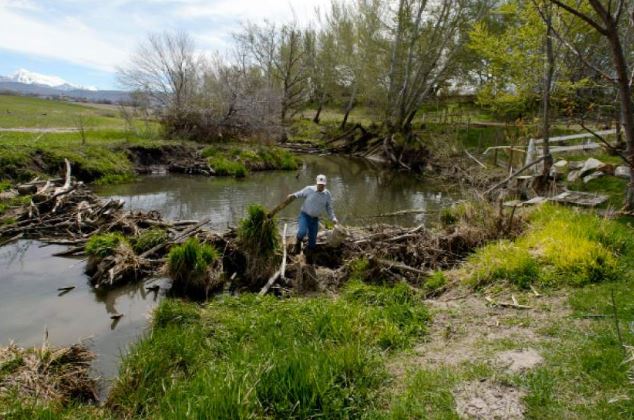
Beaver dams help control floods, slow water flows when they're high, connect water tables to floodplains and create wetlands and wildlife habitat, said conservation biologist Allison Jones.
"You have all these ecosystem services that keep the entire stream corridor functioning as it should," said Jones, with the Wild Utah Project. "Many other municipalities across the county are starting to allow beavers back to perform this critical engineering service."
Read More
Op-ed: BLM strikes right balance with Red Cliffs tortoise plan
Conservation is something we all can relate to — reserving our native "pantry," for its continued sustenance of our quality of life, for inspiration and for the future. Over the last couple of decades the BLM has often tried to mirror the efforts of a nation seeking the best way to utilize but also conserve its public environmental resources in the arid and also rapidly developing West. Look deeply enough and, as BLM St. George Field Office Manager Brian Tritle said, in these conservation lands you will find the reasons that make you want to live in the Southwest and keep living here. And it's not just the recreation and scenery … healthy watersheds, diverse native plants and animals, and cultural heritage define the richness of this place. At Red Cliffs, we can demonstrate that we care enough to conserve this legacy.
Read More
This Green Earth at KCPW
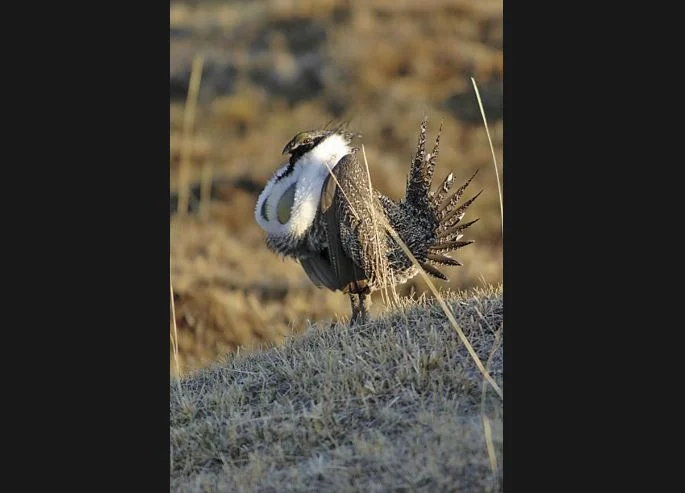
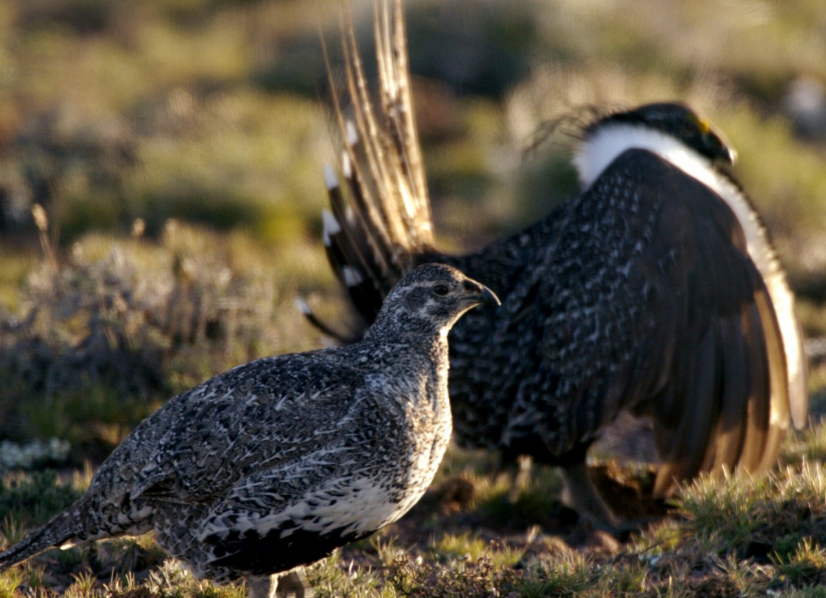
In the second half of the show, John and Nell focused on an iconic bird of the American West: the Greater sage-grouse. The population of this species is down 97% from historic levels, with habitat loss also happening at a quick clip, but there are major efforts under way to protect the species. Allison Jones, the Executive Director of the Wild Utah Project, joined the show to fill us in.
Read More
Radio Interview with Allison Jones at KCPW
This Green Earth has focused on a widely used class of pesticides called neonicotinoids before on This Green Earth, in context of their impacts on honeybees as well as native pollinators. But today, John and Nell spoke with Cynthia Palmer, Director of Pesticide Science and Regulation at the American Bird Conservancy, about the heavy impact of these chemicals on birds.
Read More
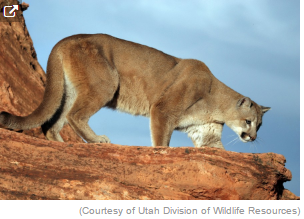
Cougar management plan draws criticism
Allison Jones, director of the Wild Utah Project, said the number of permits that were issued doesn't appear to be based on scientific data, adding that DWR is making the decision based on the desires of the hunting community.
Read More
Op-ed: Wolverines and others need our help to avoid being roadkill
In May, New Hampshire's legislature established a commendable precedent by passing its Wildlife Corridor Bill SB 376 with the goal of protecting functioning wildlife corridors because they found these to be a "public good," and directed the state's fish and game department to identify existing and needed wildlife corridors connecting wildlife habitats in the state. We strongly encourage our legislators and other public officials to follow New Hampshire's example and help make Utah's highways safer for wildlife and people.
Read More
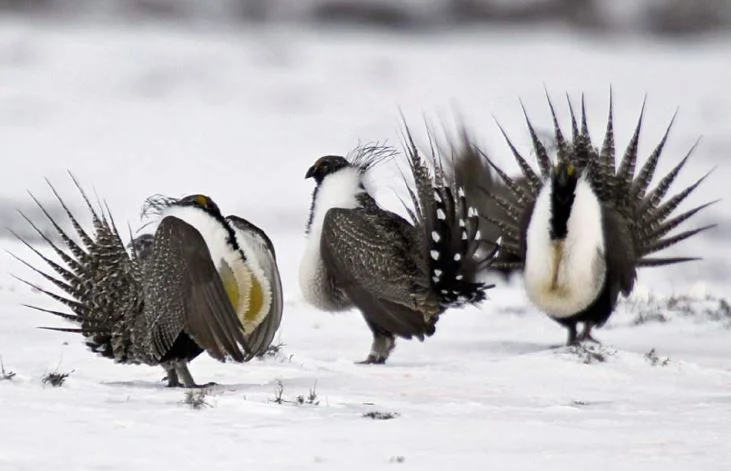
Sage grouse controversy lingers as unprecedented regulations take effect
Wild Utah Project Director Allison Jones said that increased federal regulations were a trade-off for the FWS deciding not to list the species, which would've added a higher level of regulations under the Endangered Species Act.
Read More
Letter: We need under- and overpasses for wildlife
More of these safe passages need to be created in the Bear River Range, where the wolverine was killed. Studies show this mountain range is a particularly important movement corridor connecting the greater Yellowstone to the Uintas and southern Rockies, and is being used by wolverines, wolves and lynx.
Allison Jones
Executive Director, Wild Utah Project
Read More
Greening the Legislature: Outsiders Face Uphill Fight
"The reason we're gathered here,” says Allison Jones, director of the Wild Utah Project, a conservation group based in Salt Lake City, “is because representatives like Mike Noel have undue influence in the Legislature on some key public land issues that the majority of the residents of Utah, many of which live in the Wasatch Front, don't feel the same way on."
Read More
Utah sues to halt plan to protect sage grouse
"The decision to not list was very much based on those plan revisions, 99 of them, to protect sage grouse, because the bar was set high enough and promises were made. If you undo all that, of course they are going to revisit the listing decision. That's opening a can of worms," said biologist Allison Jones, executive director for the Wild Utah Project.
Read More
‘Utah Wants Wolves’: Advocates say guvs are spreading misinformation about recovery plan
Allison Jones, director of the Wild Utah Project, said governors should have consulted with more legal experts and scientists before sending a joint letter in which they claimed science does not show the animals have lived north of Interstate 40. That highway runs through New Mexico and Arizona.
Read More
Op-ed: Utah Wildlife Board’s anti-wolf rhetoric is a century behind
Lastly, public opinion surveys have repeatedly shown that most Utahns, even in rural Utah, would be fine with wolves returning. We should not stand in their way.
Read More
Op-ed: Grazing decision cost us a great ‘library’ in Tushar Mountains
Last summer, the grazing permittee unexpectedly asked the Forest Service for permission to allow him to put up to 160 grazing cow/calf pairs inside the allotment for a "few days," and the Forest Service said fine. The permittee proceeded to lock more than a 100 grazing cow pairs inside the exclosure for an extended period, with the predictable result that all the vegetation so carefully studied was eaten down to stubble, the springs trampled and fouled and the ground plastered with cow-pies.
Read More
Coal or sage grouse? State, federal officials at odds on Utah mine proposal.
Jones, of Wild Utah Project, said the small group of sage grouse near the mine site is the only population that far south. “If there’s another group, we don’t know about them,” she said. “That makes these special. They have shown an ability to expand from the larger group.”
Read More
Trib Talk: Managing the sage grouse
Streamed live on Sep 29, 2015
Last week's decision by the U.S. Department of Interior not to list the greater sage grouse as an endangered species sparked debate among both environmental groups and government officials.
Read More