Meet our 2026 Of the Year Honorees!
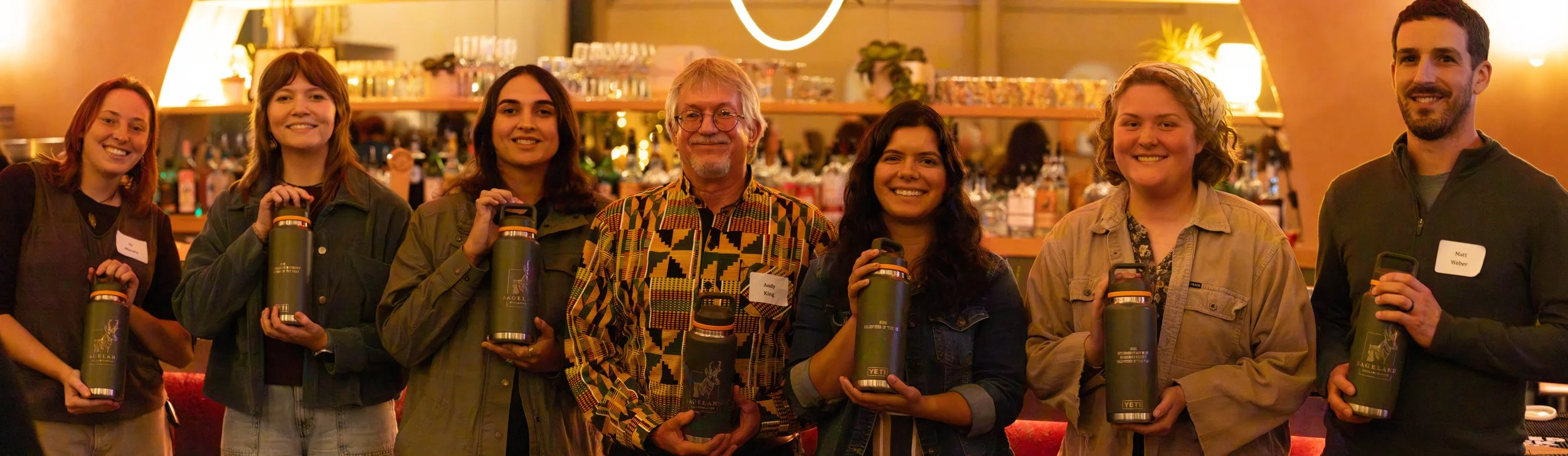
Sageland Collaborative’s 2026 Of the Year Honorees. From left to right: Ili Mocuța, Allison Blood, Alyssa Sawchuk, Andy King, Bárbara Suassuna, Lauren Head, and Matt Weber (accepting on behalf of Filip Anderson, Utah Backcountry Hunters & Anglers.) Photo by Yuanhang Zhao.
This year, we’ve had a lot to celebrate! From 30 years of conservation to bringing on new team members and expanding our program work, 2026 has been one for the books.
When we celebrate our accomplishments, we’re ultimately celebrating a community that is deeply invested in a future where ecosystems, wildlife, and people thrive together. It’s through the outstanding contributions of our volunteers, partners, staff, and community members that we’re able to realize our conservation goals.
At our 30th Anniversary Celebration, we had the opportunity to recognize a handful of our community members that have dedicated themselves to making an impact. Get to know our 2026 Volunteers & Partner of the year in our interviews below!
-
How did you find out about Sageland Collaborative, and what inspired you to start volunteering?
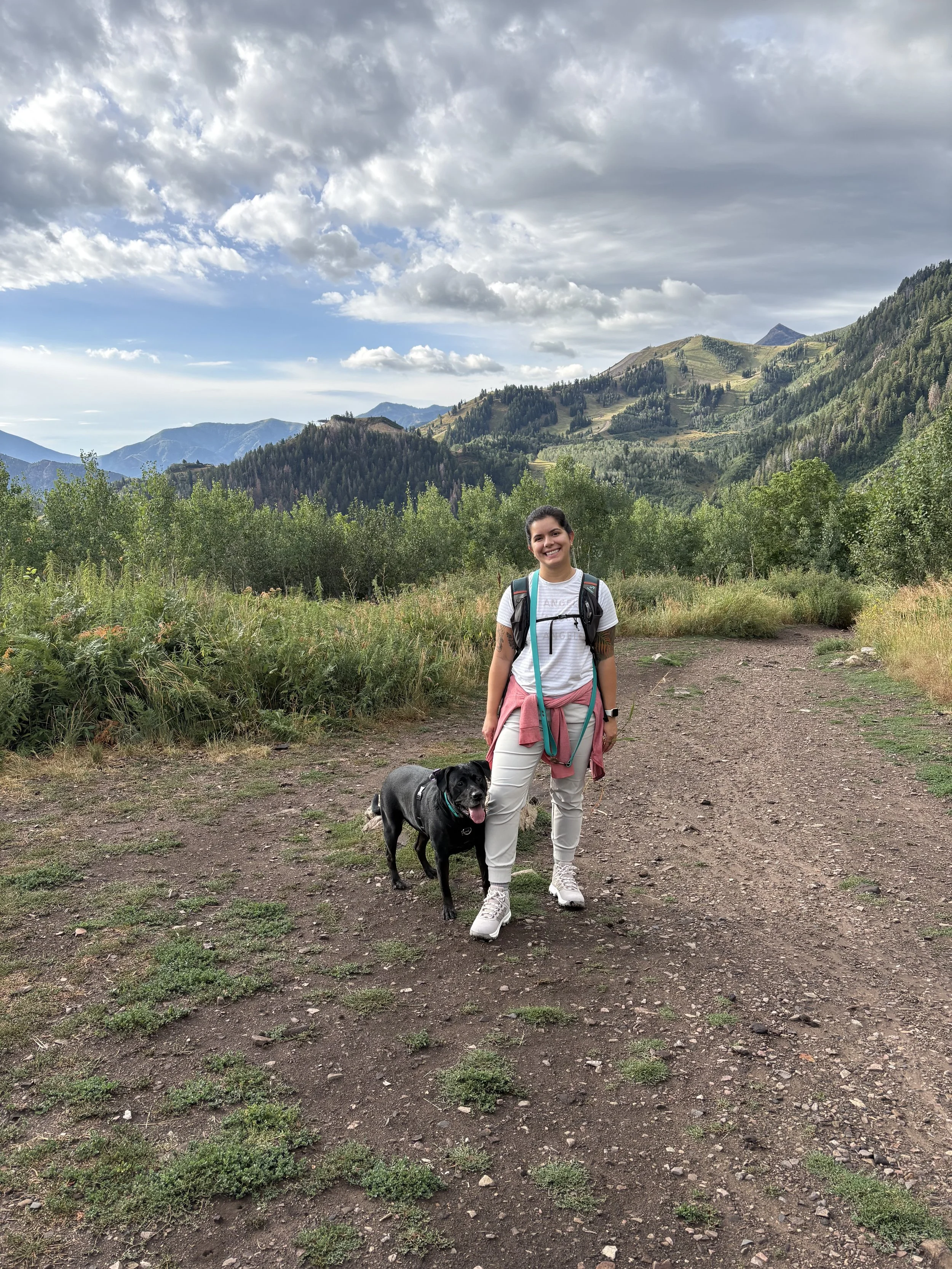
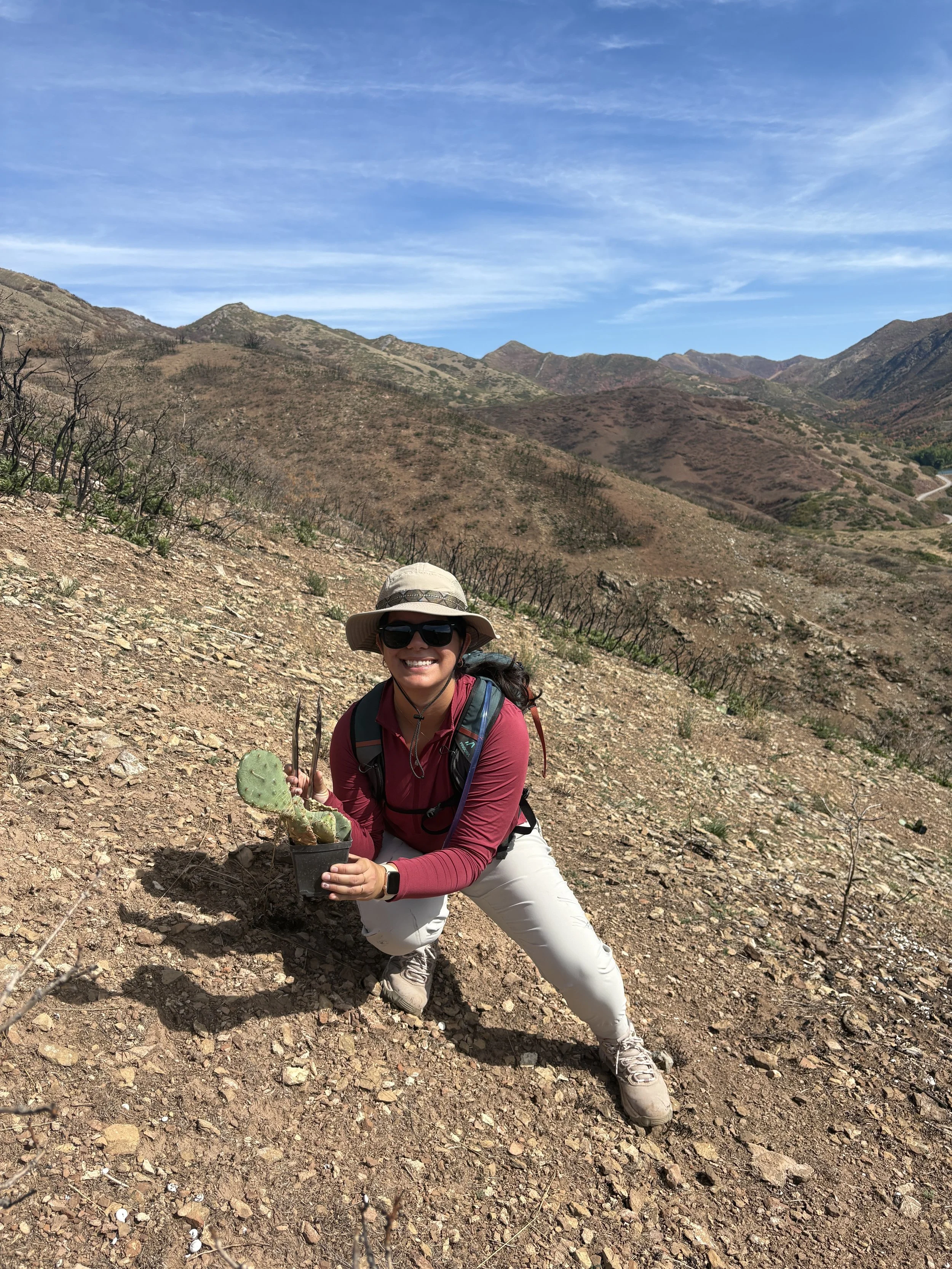
I first found out about Sageland Collaborative two years ago through one of my college professors. After volunteering to build beaver dam analogs (BDAs) in 2024, life got busy but I was still following their page on Instagram. This year, volunteering was a way of staying connected with nature and learning more about the different conservation efforts here in Utah.
What do you love most about volunteering on our community science projects?
I love the positive and safe environment! In all the projects I have participated in, Sageland’s volunteers and staff are very supportive, respectful, and open to any questions. I absolutely enjoyed “picking” their brains while in the field.
What is your conservation/wildlife origin story? Is there an experience or memory that sparked your love for this kind of work?
I grew up in a small town in Brazil, surrounded by animals and plants. My brother and I were outside all the time playing and using our creativity with the things nature provided. We were rarely inside of the house. And even after growing up, curiosity was something that always drew me back to nature. Today, I want future generations to experience the same kind of childhood I had. One where nature and green spaces are accessible to everyone.
Any memorable experiences you’d like to share from the field?
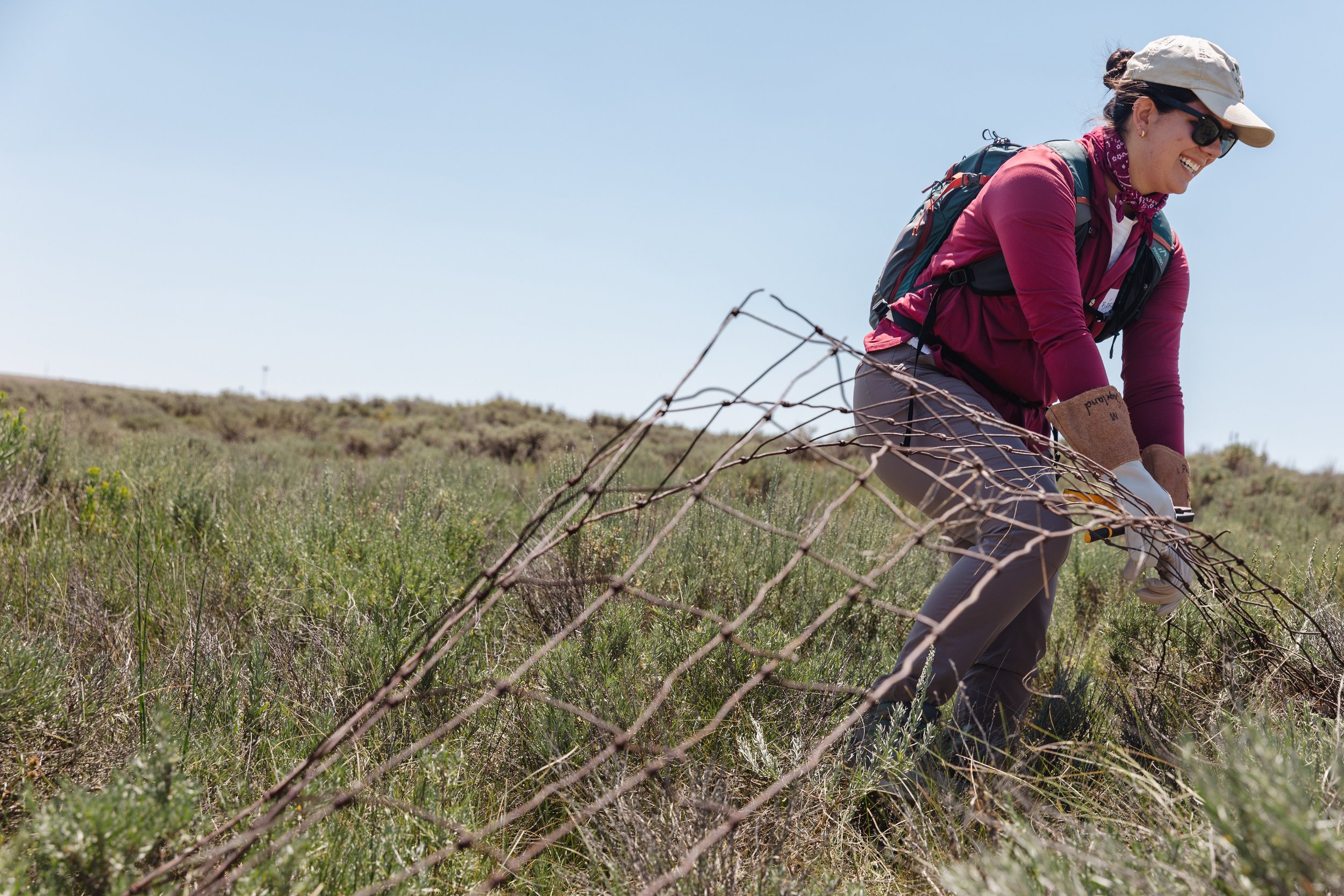
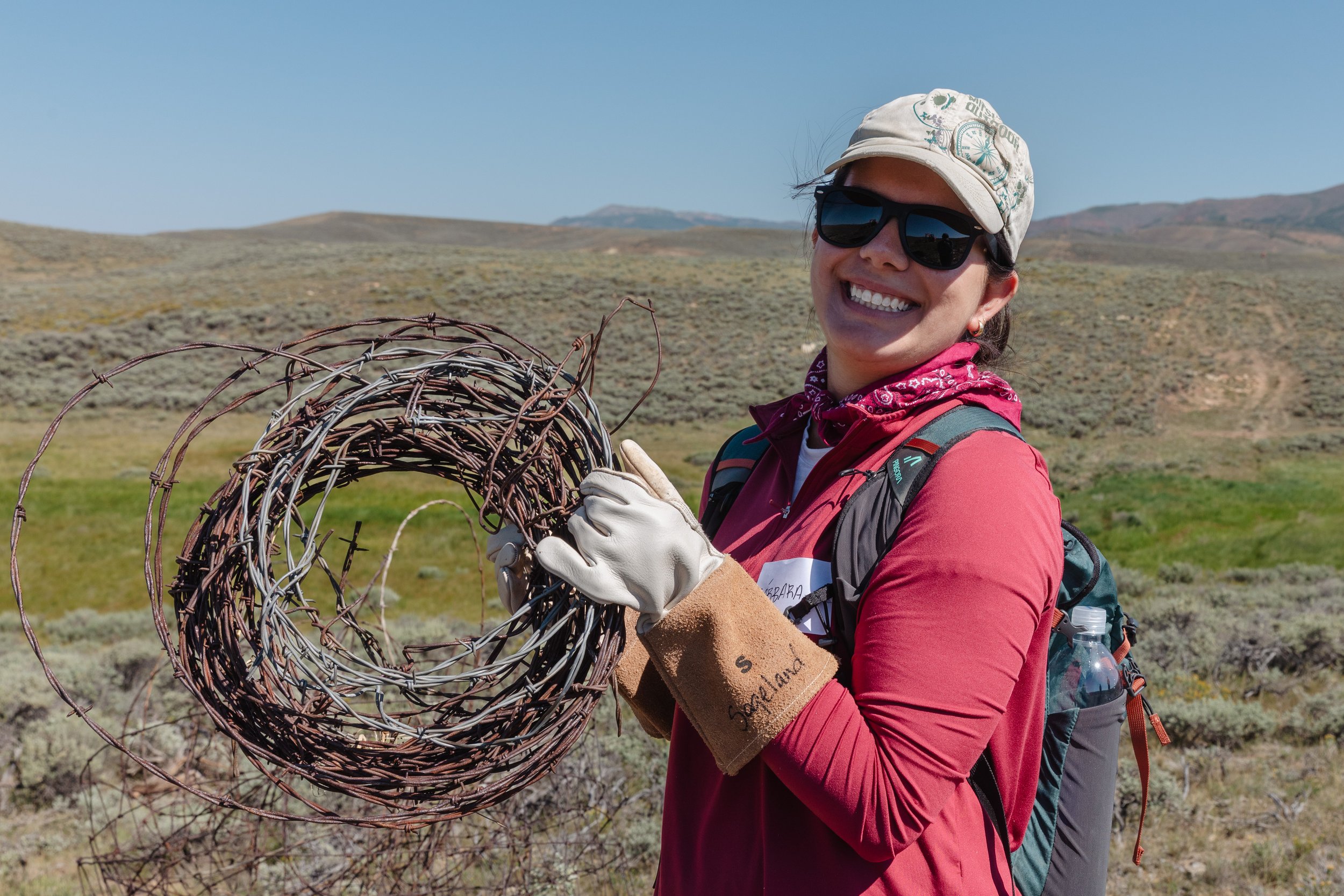
I really enjoyed the fence pull day with the dedicated hunters. That day taught me the importance of cultivating relationships with people from a variety of backgrounds. It opened my eyes about how we can work together towards a common goal, even when having different personalities and opinions.
What would you say to folks thinking about getting involved?
I would say definitely do it. I think it is a great way of learning and experiencing nature. Sometimes we get busy with our lives and jobs, and can forget how beautiful the world around us is. Volunteering is a great opportunity to meet other folks in the community, connect with nature, and help with small steps toward conservation.
Anything else you’d like to share?
It is never too late to try something new and reconnect with nature.
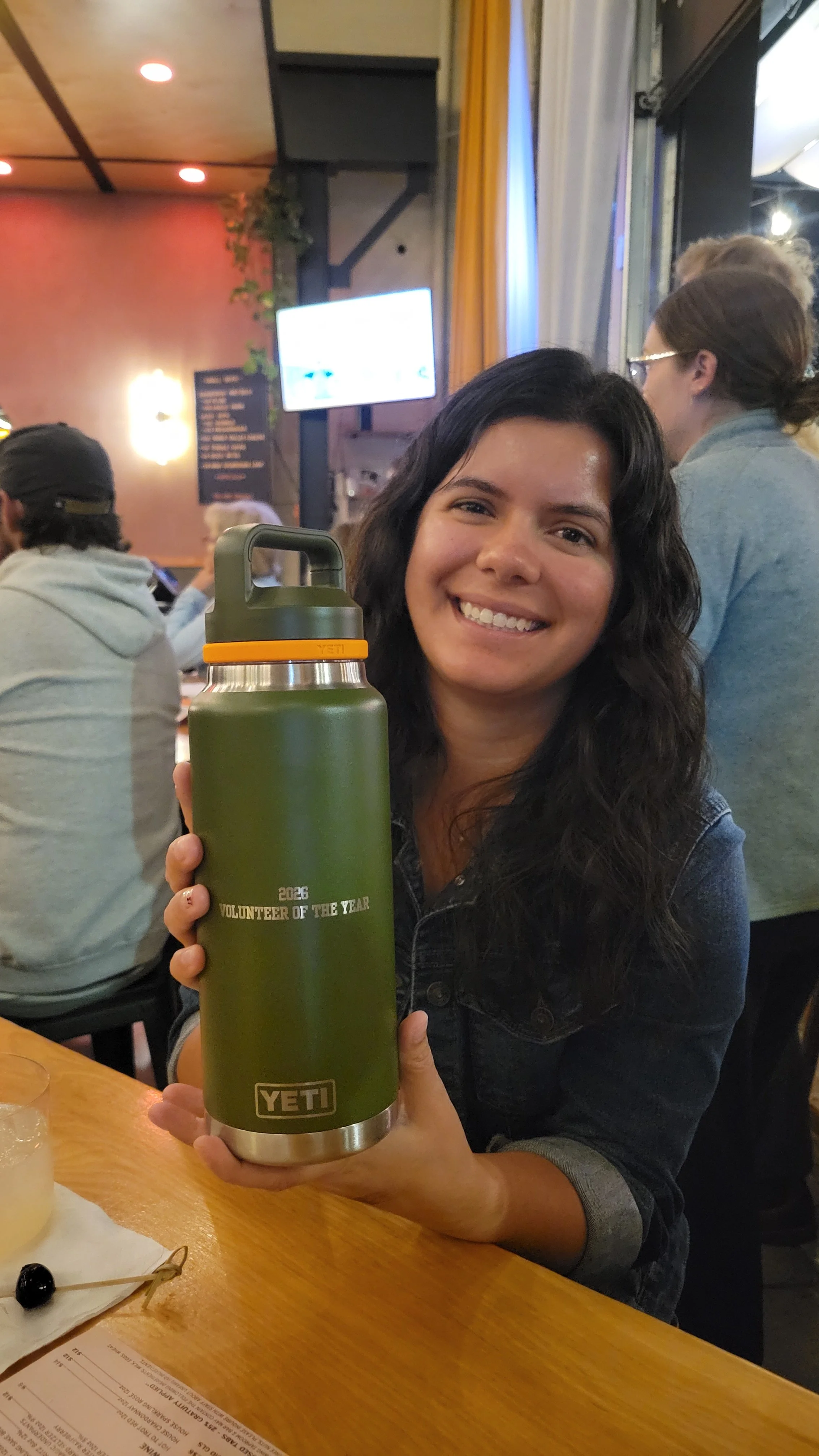
“...curiosity was something that always drew me back to nature. Today, I want future generations to experience the same kind of childhood I had. One where nature and green spaces are accessible to everyone.”
-
How did you find out about Sageland Collaborative, and what inspired you to start volunteering?
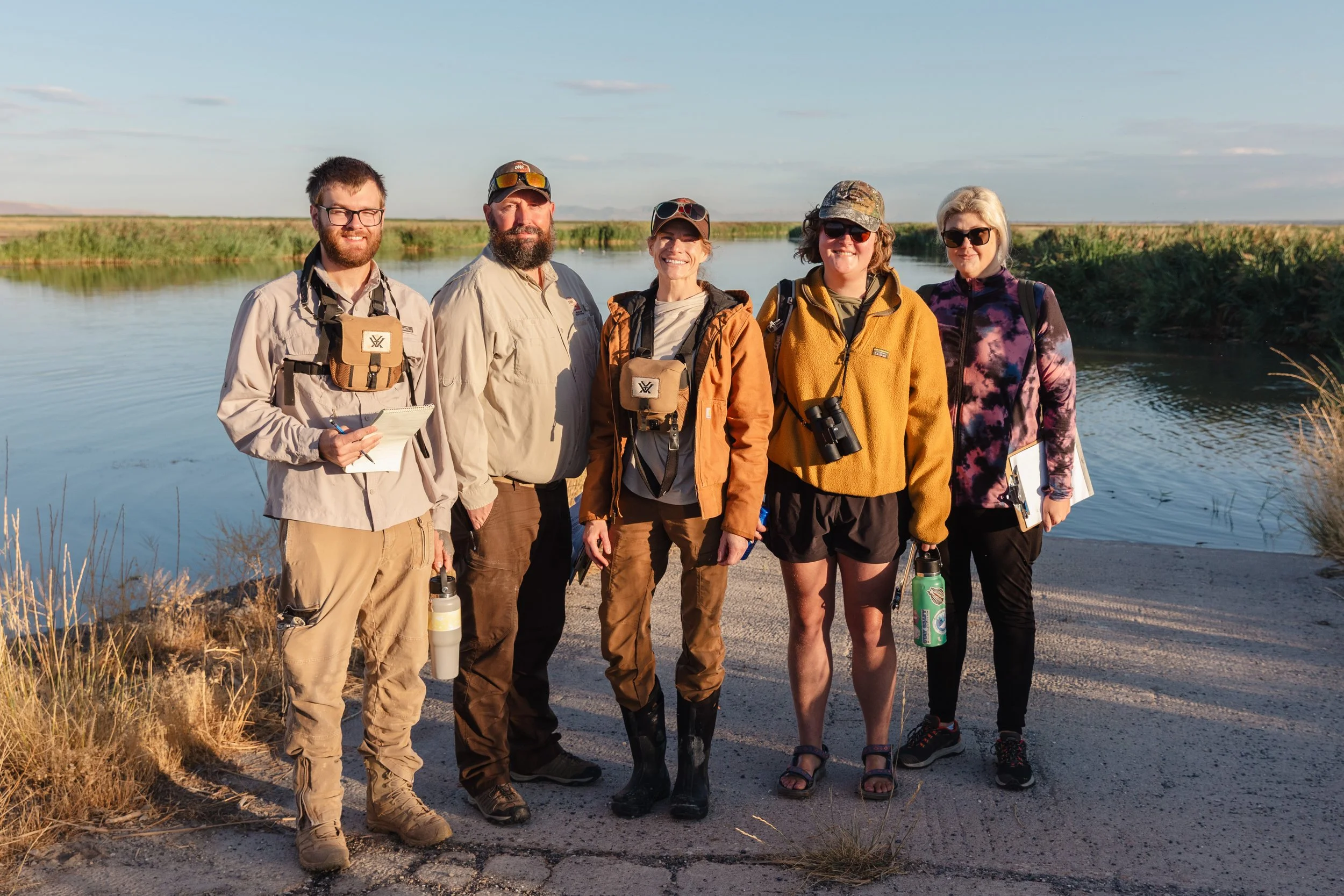
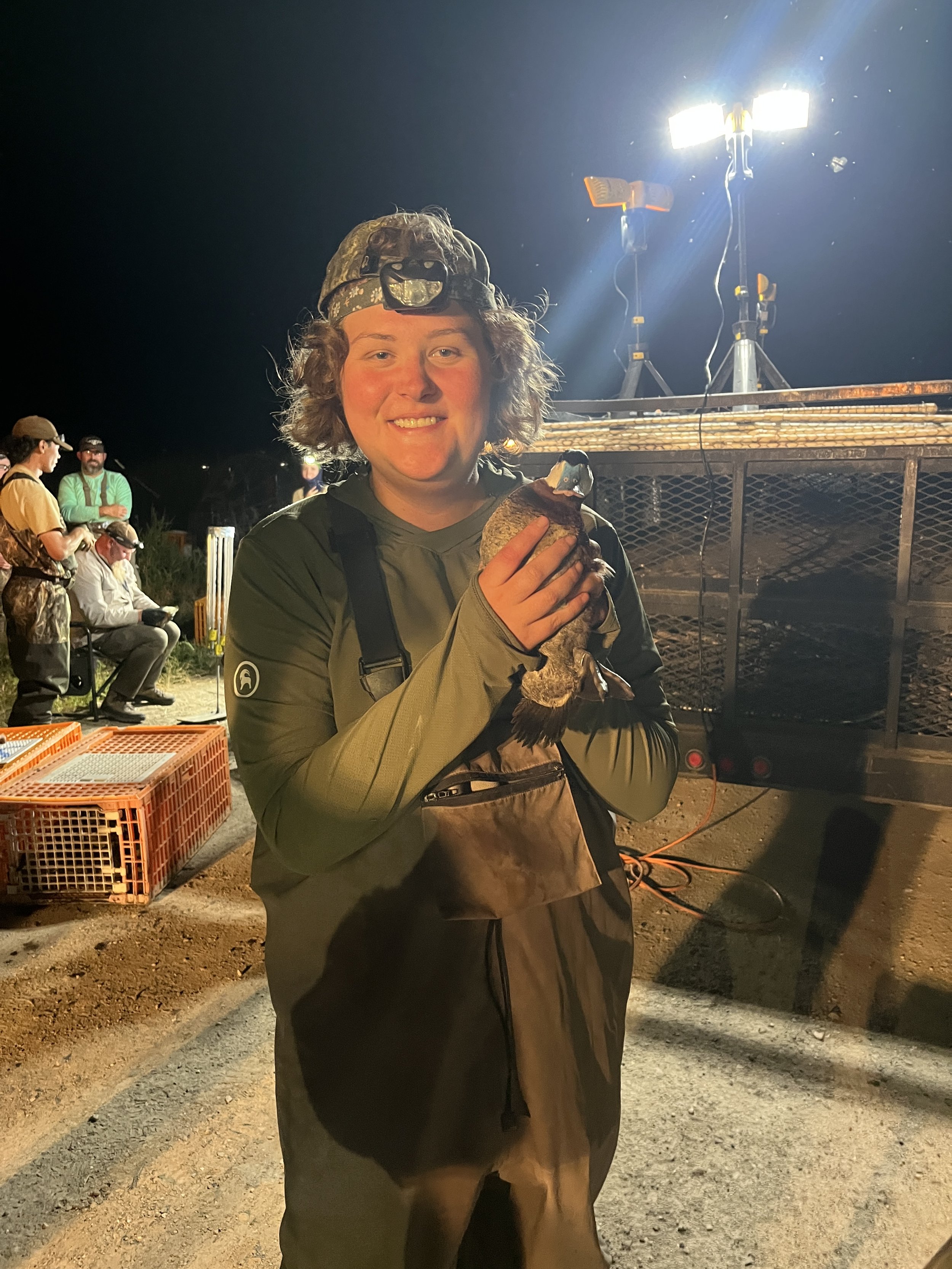
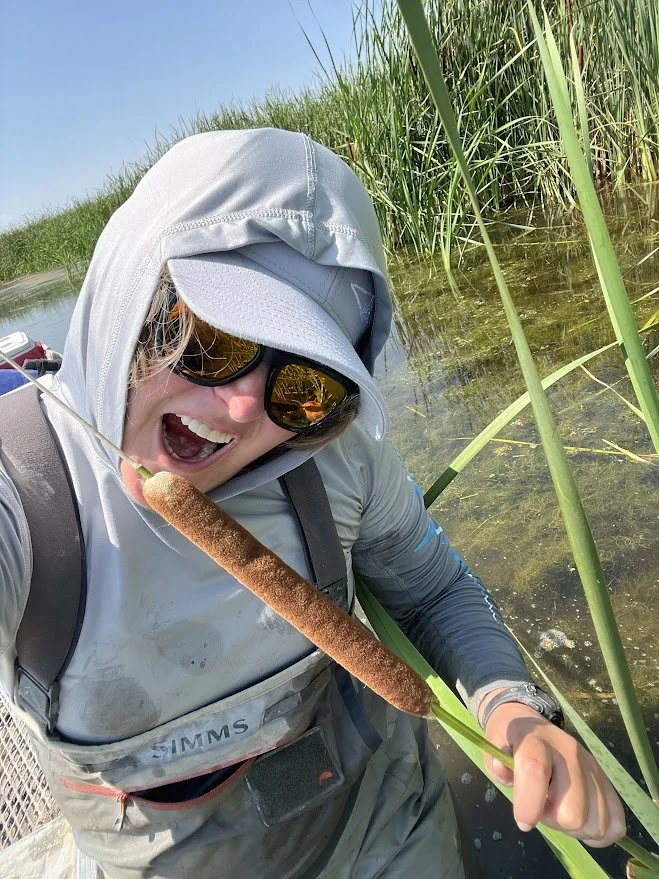
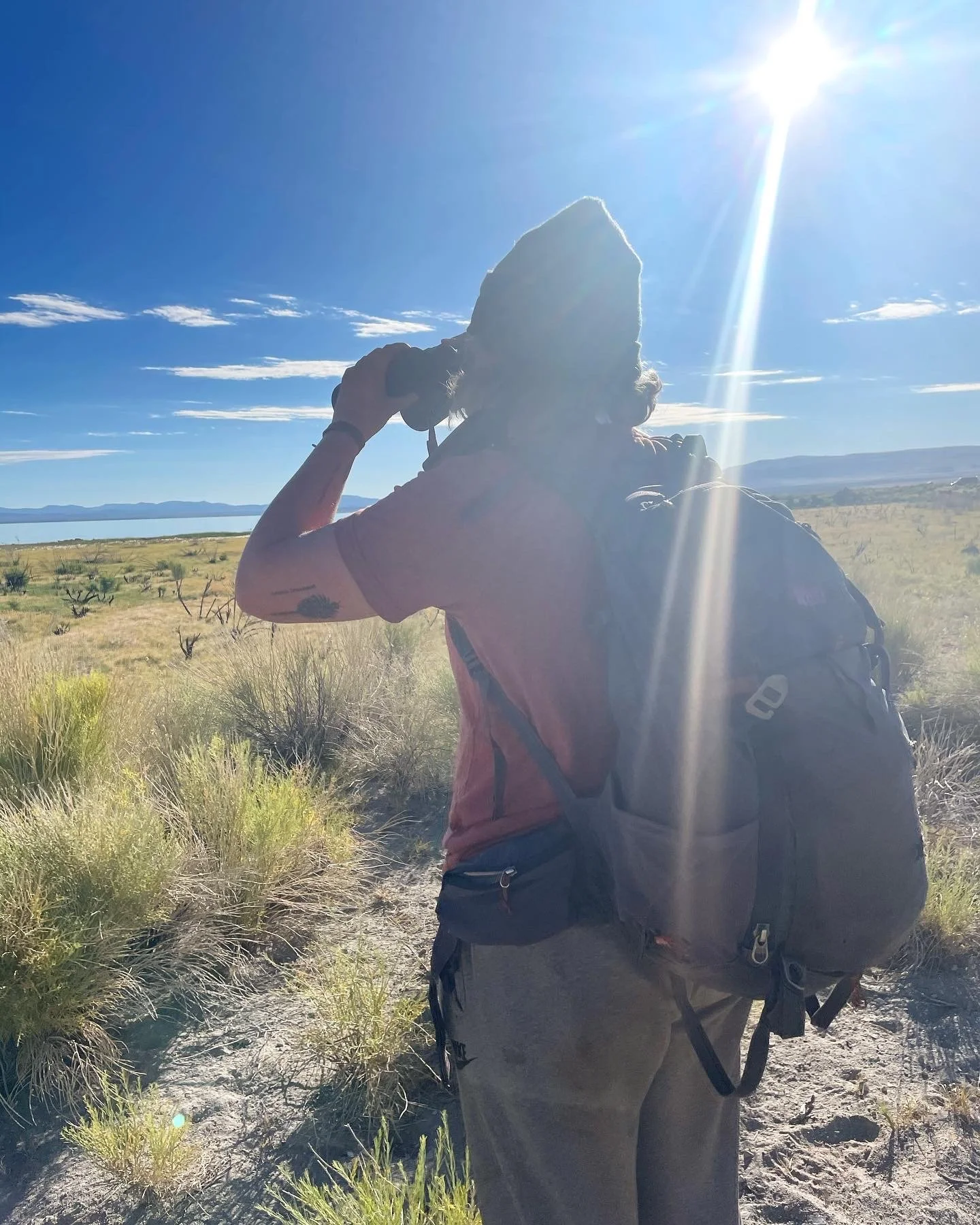
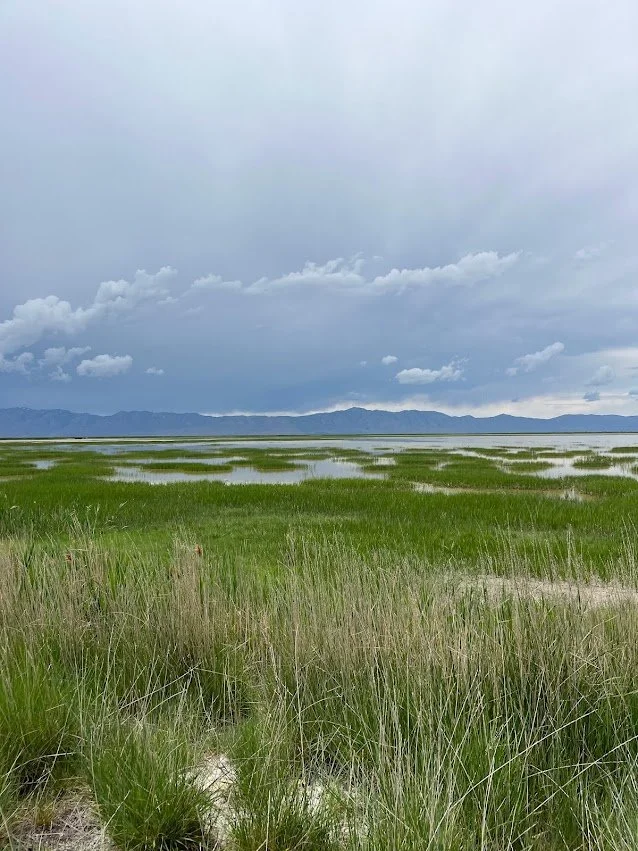
I found out about Sageland Collaborative in 2021 while I was working for the Utah Division of Wildlife Resources (UDWR) as a technician for the Great Salt Lake Ecosystem Program. I loved and was incredibly worried about protecting the future of the Great Salt Lake, since the lake was experiencing a historic low year, and I was observing and monitoring those threats to the ecosystem every day at my job. I got the opportunity while working there to work as part of the team developing the survey maps and routes for the Intermountain West Shorebird Survey. I thought such a massive, community-driven effort to survey shorebirds was a powerful tool to bring people together and get a better understanding of this ecosystem. I've stayed on the project helping out with the survey ever since and am always excited about getting to connect other birders and scientists in the community while contributing to a long-term dataset!
What do you love most about volunteering on our community science projects?
I've loved how friendly and supportive everyone is. I always feel like I've had really productive and thought-provoking conversations with folks about how we can get other people to care about big conservation problems. There's something really empowering about coming together in service with your community in the face of something as scary and massive as losing the lake, especially during these times where conservation efforts can feel unsupported and divided. Volunteering gives me a sense of purpose and community.
What is your conservation/wildlife origin story? Is there an experience or memory that sparked your love for this kind of work?
I've wanted to be a wildlife biologist for as long as I can remember. I grew up in Georgia and my mom worked as a journalist for an outdoor magazine when I was a kid, so I got to go with her into the field a lot whenever she interviewed wildlife biologists and other wildlife professionals to write articles about their fieldwork. I remember getting to help with a shrimp bycatch survey off the Georgia coast in elementary school and being fascinated about the diversity of critters that lived in the ocean. The fisheries biologist had answered all of my nagging 8-year-old questions, and I remember wanting to absorb everything so I could understand the ecosystem the way they did. I pursued an undergraduate degree in wildlife biology at the University of Georgia and fell in love with the west during an ecology field school and internship with the National Park Service. I moved to Utah after graduating in 2020 and started working for the state on the Great Salt Lake in 2021. I remember sitting in meetings as a technician when the lake was making international news and watching scientists work together and use their knowledge of the ecosystem to inform policy and legislation. It really sparked a passion for wanting to research this ecosystem so I could document what was happening and help protect it. I am now working towards completing my PhD in ecology, and my research has focused on studying how seasonal changes in food resources are impacting waterbirds in Great Salt Lake wetlands.
Any memorable experiences you’d like to share from the field?This year's shorebird surveys were particularly memorable - I always help out on the Farmington bay airboat survey, and this April that inflow to the lake was drier than I'd seen it in a long time; the airboat even got stuck during the survey! By August, there was way more water in that bay than there had been in April, which was a complete 180 from the late-summer conditions I'd expected to see. I was told that was the result of better water policy and agreements between different agencies to send water to the lake during drought years. The area was absolutely covered with American Avocets and other shorebirds, and our numbers on the survey reflected that targeted conservation effort. There's still a ton of work to do, but I felt so much hope for the future of the lake in that moment.
What would you say to folks thinking about getting involved?
I don't think that the vast majority of people in the world need to dedicate their entire lives to a career in wildlife or ecology in order to successfully conserve our ecosystems. I want normal, everyday people with different jobs and perspectives to care enough to learn about and advocate for wildlife and wild places within their own sphere of influence. Whether you are a doctor, lawyer, parent, or teacher, getting involved with Sageland or any environmental non-profit is a fantastic way to learn about and make meaningful changes for wildlife and wildlife habitats. Help out and tell your friends!
“There's something really empowering about coming together in service with your community in the face of something as scary and massive as losing the lake, especially during these times where conservation efforts can feel unsupported and divided. Volunteering gives me a sense of purpose and community.”

-
How did you find out about Sageland Collaborative, and what inspired you to start volunteering?
I actually found out about Sageland Collaborative through their Tiger Beetle survey post on Instagram earlier this year. I had been seeking out bug-related volunteer opportunities (literally Googling "entomology volunteer") and pretty quickly jumped on this one. I have always loved nature and want to get involved however I can with protecting it. We live on a beautiful planet, and it'd be pretty cool to keep it that way.What do you love most about volunteering on our community science projects?
The work itself is amazing, but my favorite part of volunteering thus far has been the people. Each person I've met is so passionate about nature and wildlife. They all have a different niche that they could talk on and on about, and, really, it's made me realize just how many fields of study fall under the environmental umbrella.
What is your conservation/wildlife origin story? Is there an experience or memory that sparked your love for this kind of work?
Honestly, the official start of my "conservation story" was this year with Sageland Collaborative and Utah’s Rare Insect Conservation Program. The Tiger Beetle survey is the first ever conservation project I have volunteered for. I've been lucky to attend the Pollinator Surveys this summer as well and those were amazing. Although, my passion for the outdoors has always been there. For as long as I can remember, I have always loved bugs. Everything about them fascinates me to no end and I wish more people understood how integral they are. As a whole, nature matters so much to me. Each day, I appreciate and worry about it a little more.
What would you say to folks thinking about getting involved?
If you are on the fence about volunteering or getting involved in any capacity, do it! I have learned so much from the conservation projects I have attended and met so many incredible people. Getting out there and gaining this firsthand experience has deepened my love and appreciation for the natural world, and I think the more people that foster that care, the better. There is a lot of work to do, so you will always be needed and appreciated.
Anything else you’d like to share?
Looking forward, I aim to pursue a degree under the environmental studies umbrella. It is an absolute dream to work with and protect our natural world. I am starting small by volunteering when and where I can, as well as using my art to highlight some species that are often overlooked. Right now, I am slowly working through a personal art project dedicated to familiarizing people with some of our native invertebrate species.
“Getting out there and gaining this firsthand experience has deepened my love and appreciation for the natural world, and I think the more people that foster that care, the better. There is a lot of work to do, so you will always be needed and appreciated.”


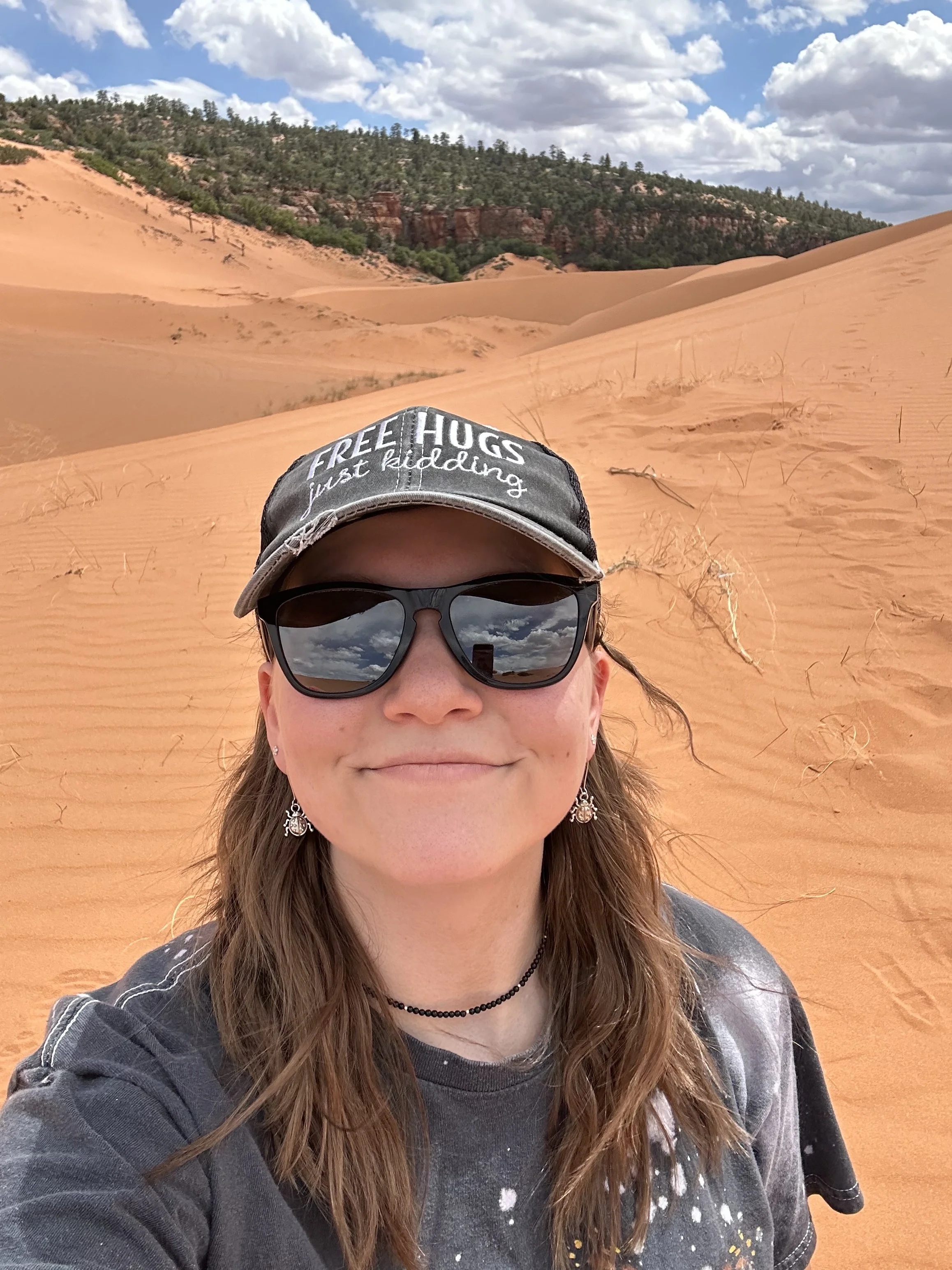
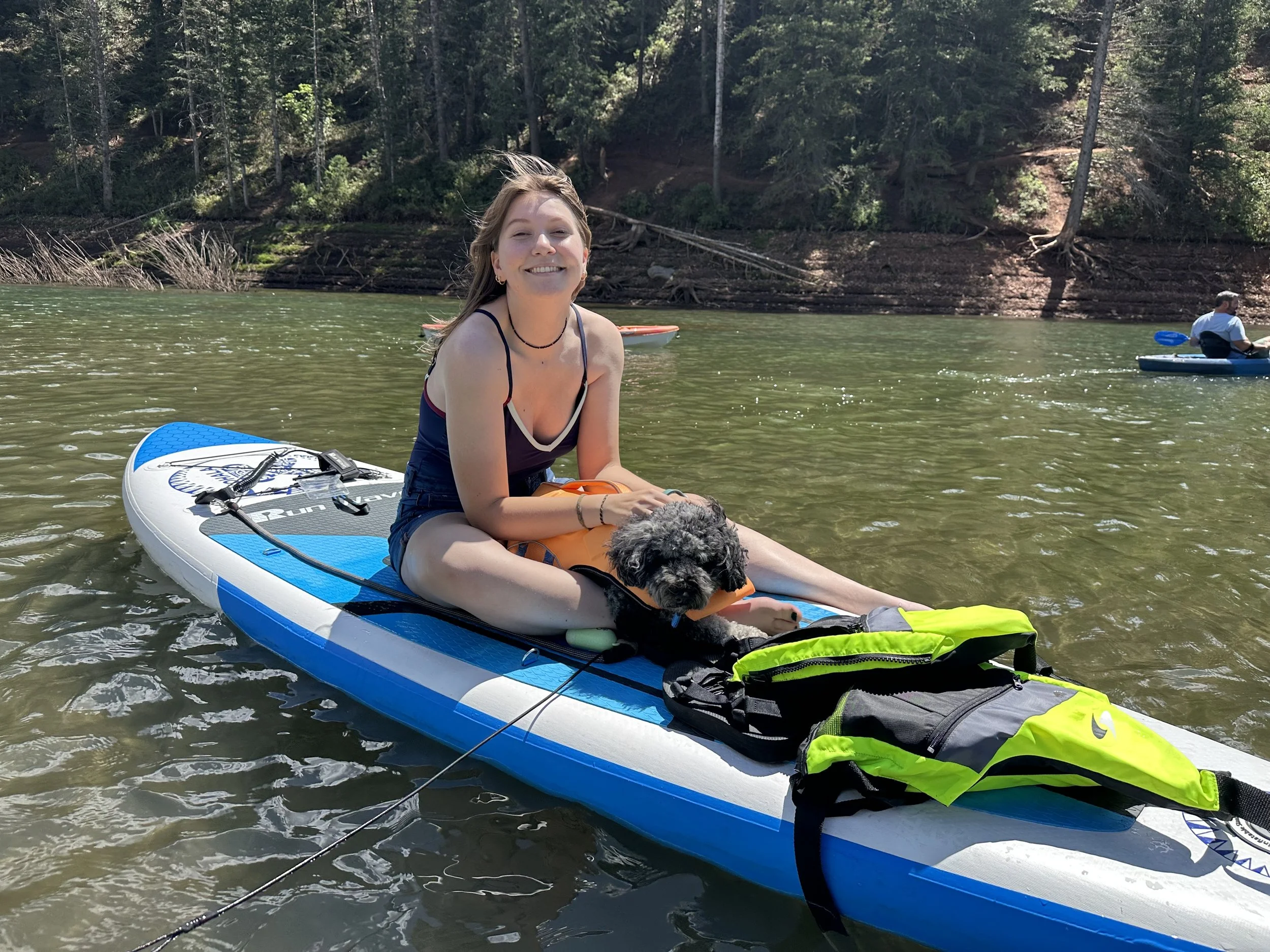
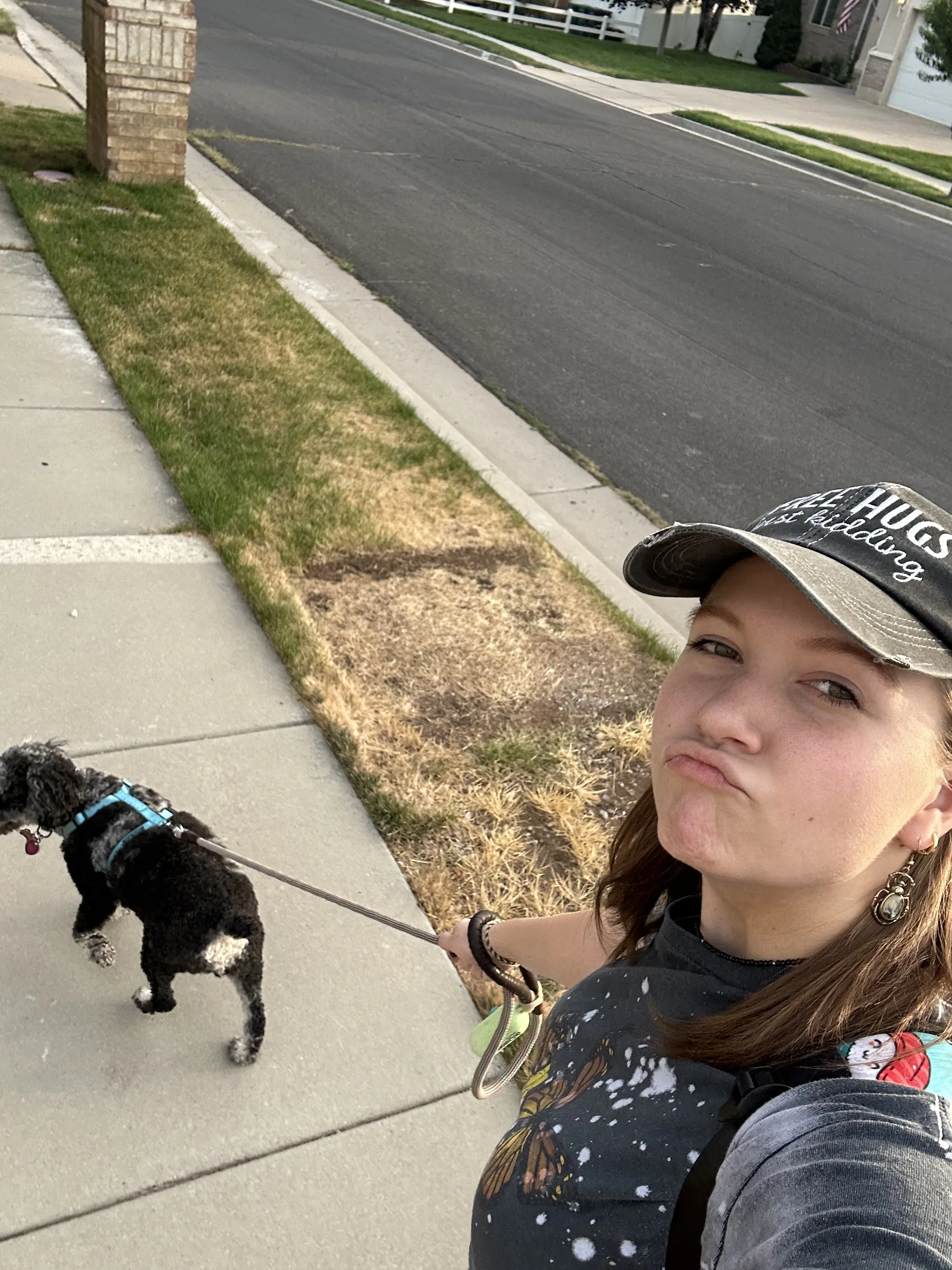
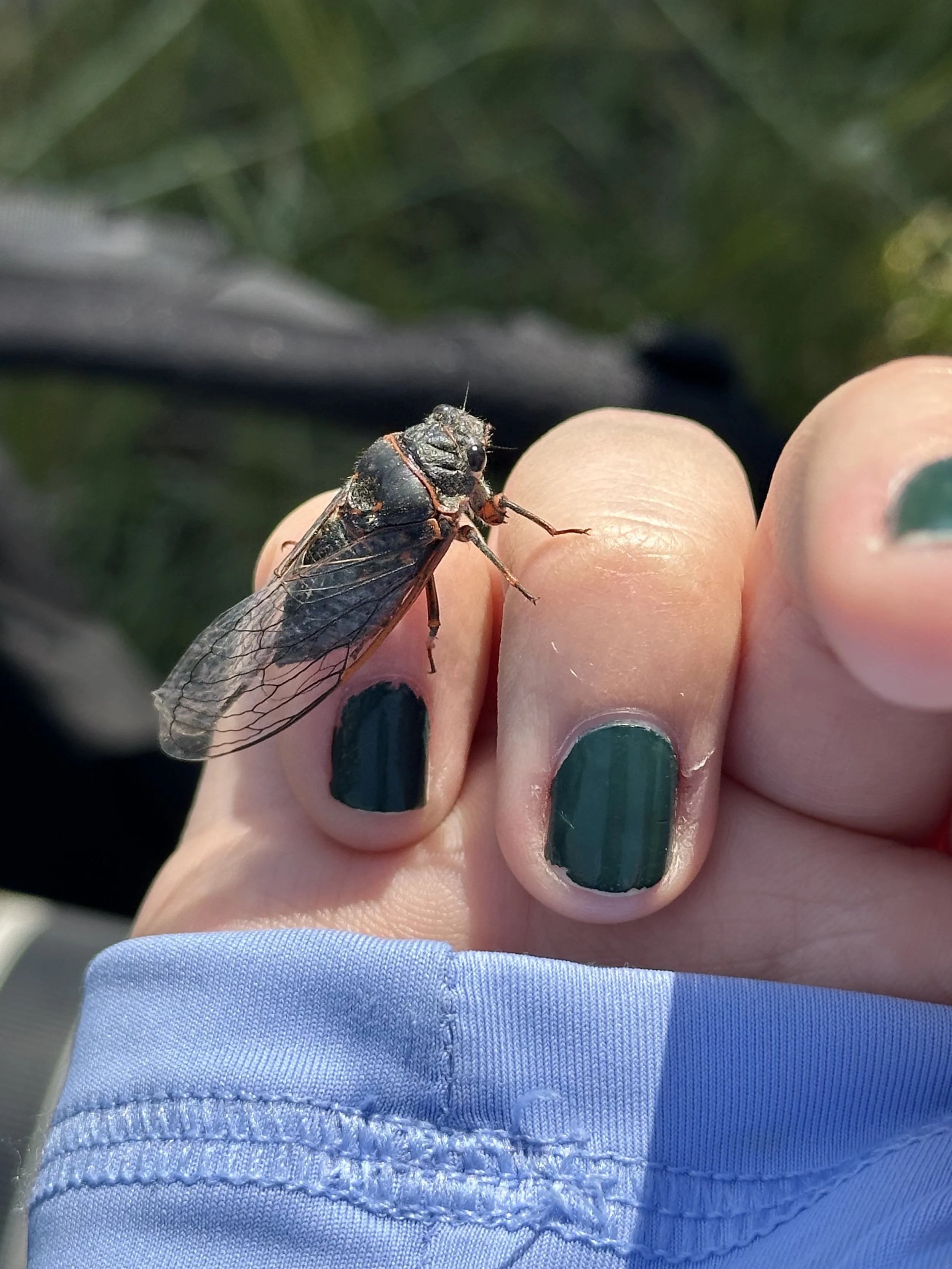
-
How did you find out about Sageland Collaborative, and what inspired you to start volunteering?
I found out about Sageland Collaborative 3 years ago through Austin Green’s lab at the University of Utah, but could never join. To make up for lost time, I decided this would be my Sageland Summer, and volunteered for the first time in June.What do you love most about volunteering on our community science projects?
It’s been amazing to be around people who care so much about local wildlife. Playing in the mud is always a plus too.
What is your conservation/wildlife origin story? Is there an experience or memory that sparked your love for this kind of work?
As a kid, I was super into animals (all I wanted for my 8th birthday was an animal encyclopedia!) but I wasn’t really around nature or wildlife. I didn’t know much about our river ecosystems or restoration, and Sageland has given me a really cool perspective into all of it.
Any memorable experiences you’d like to share from the field?
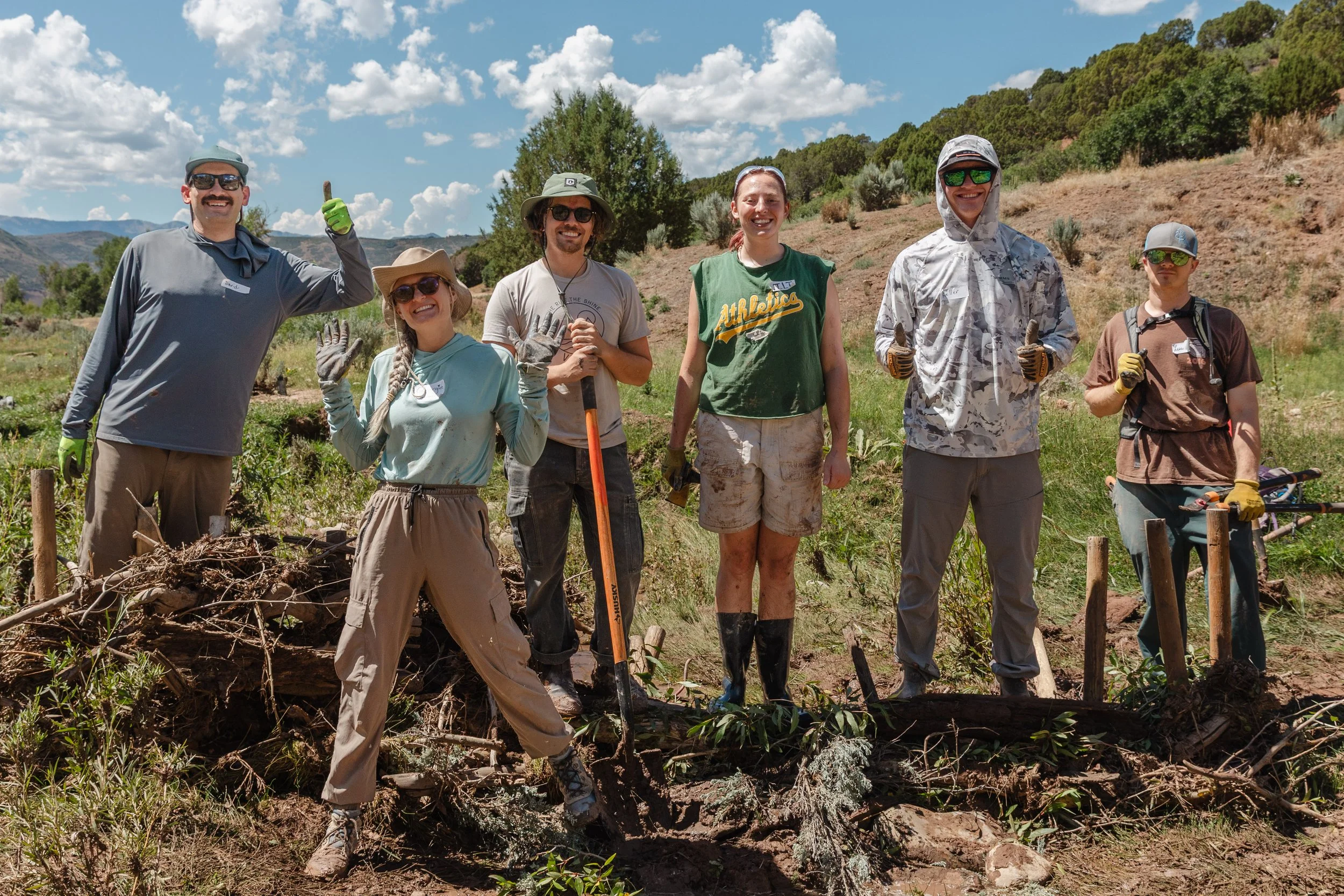
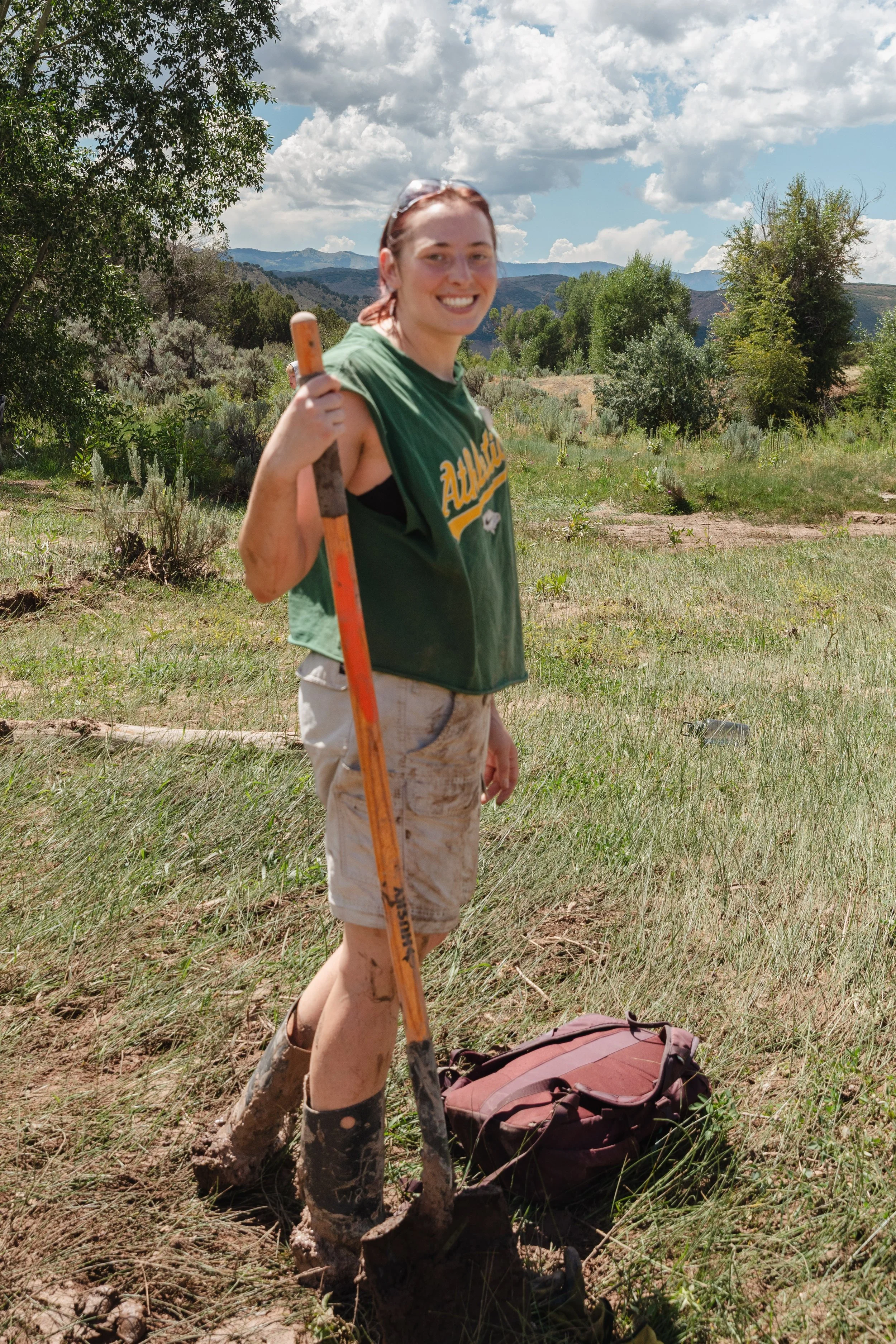
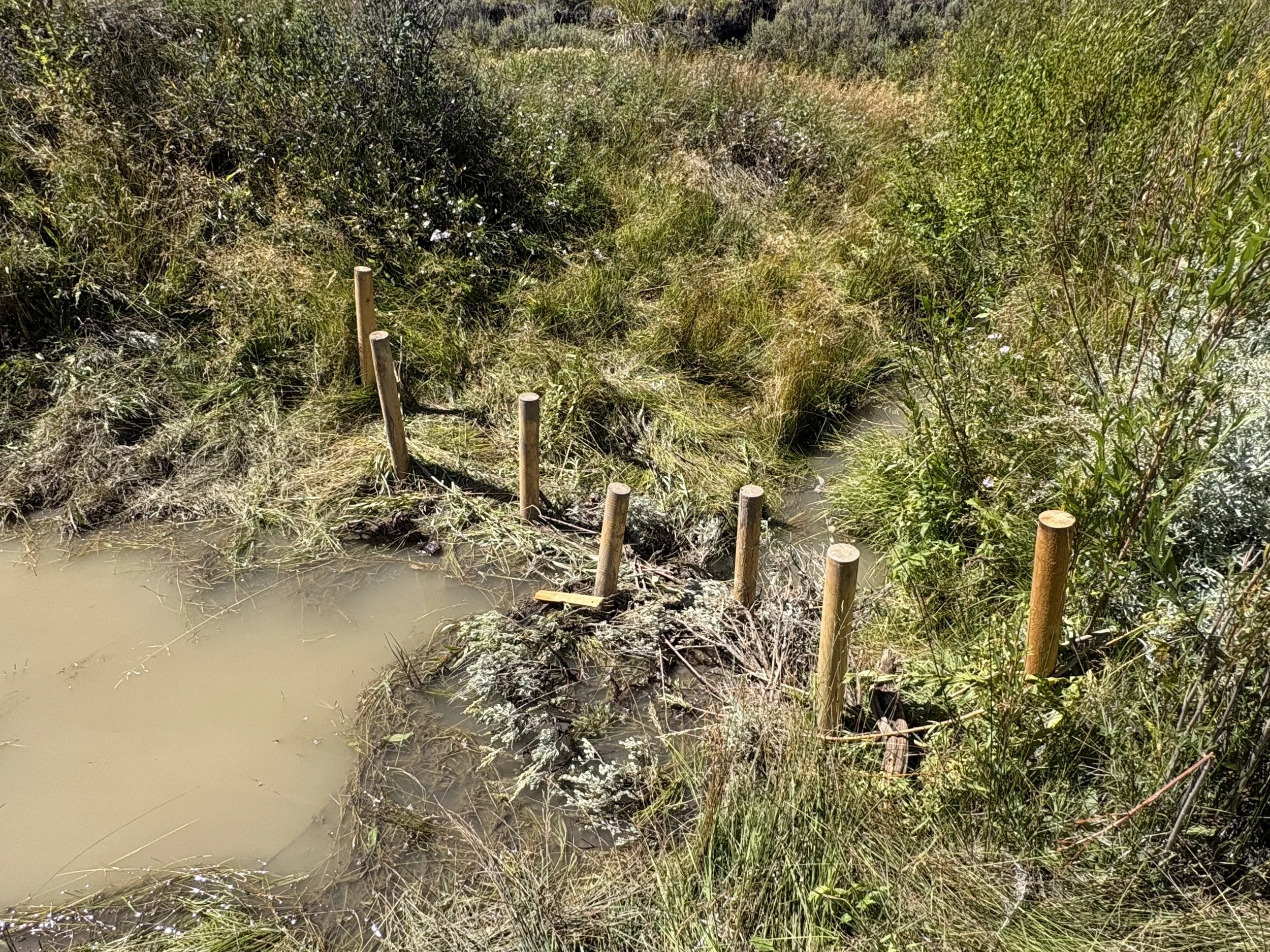
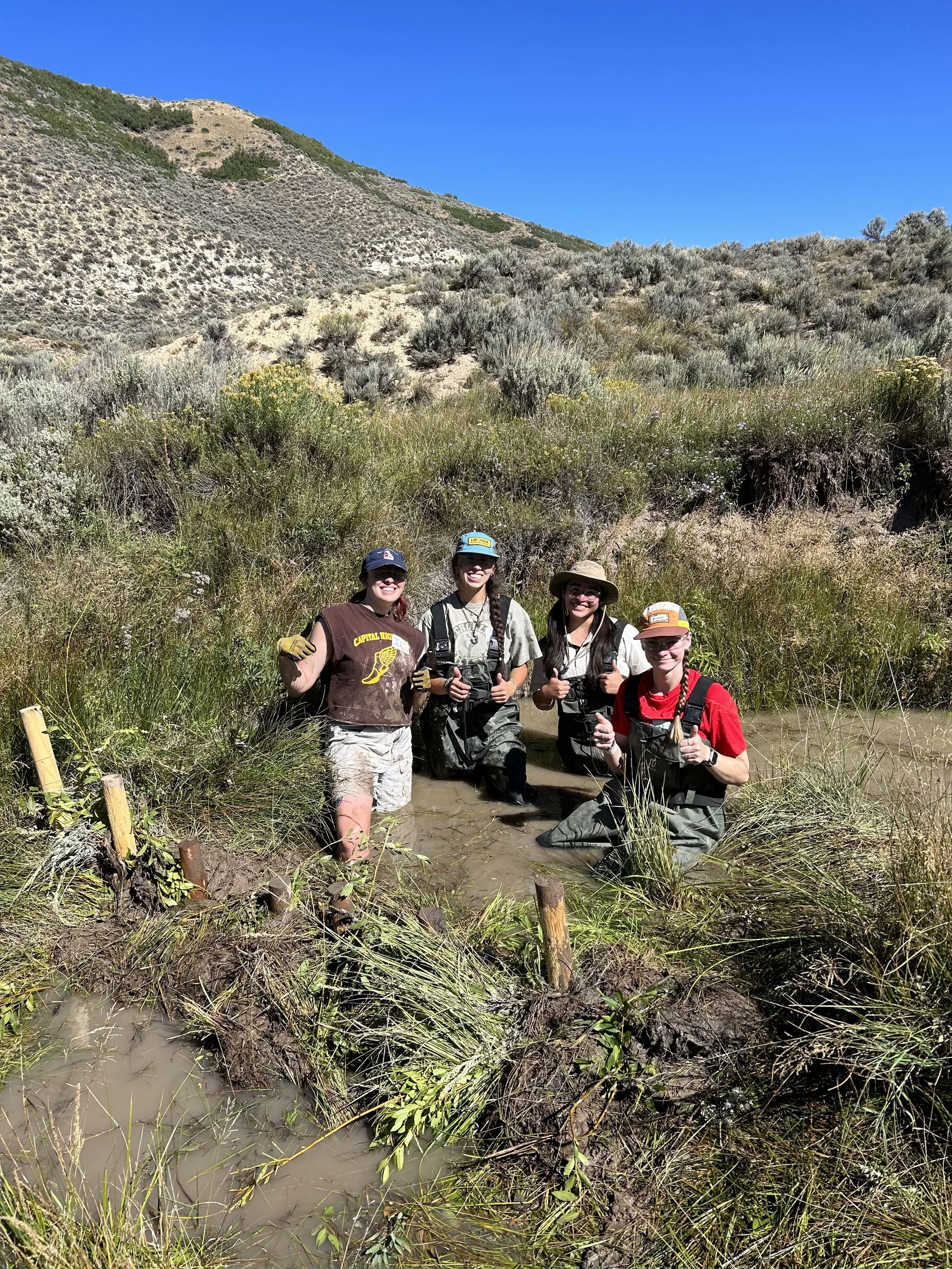
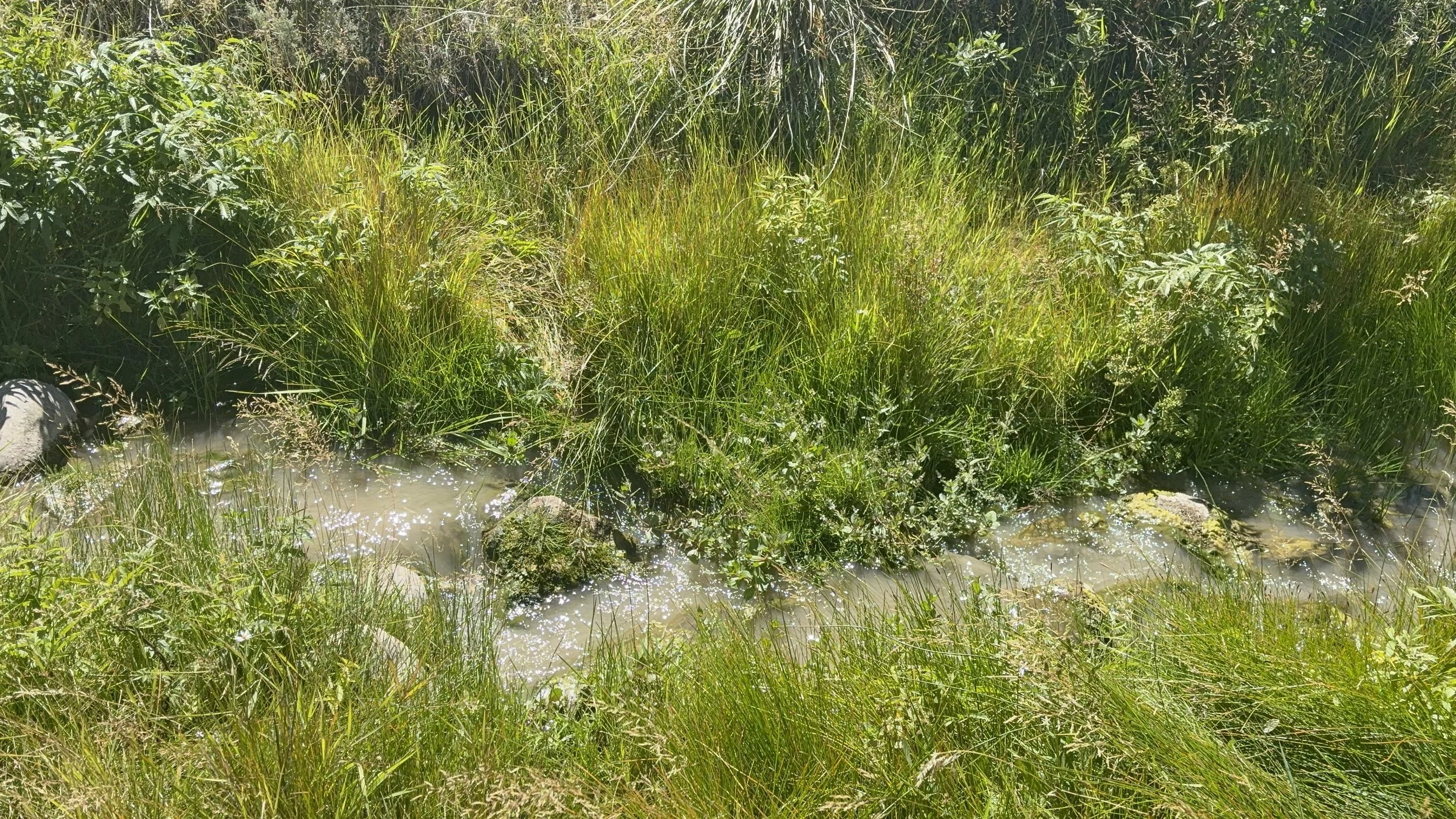
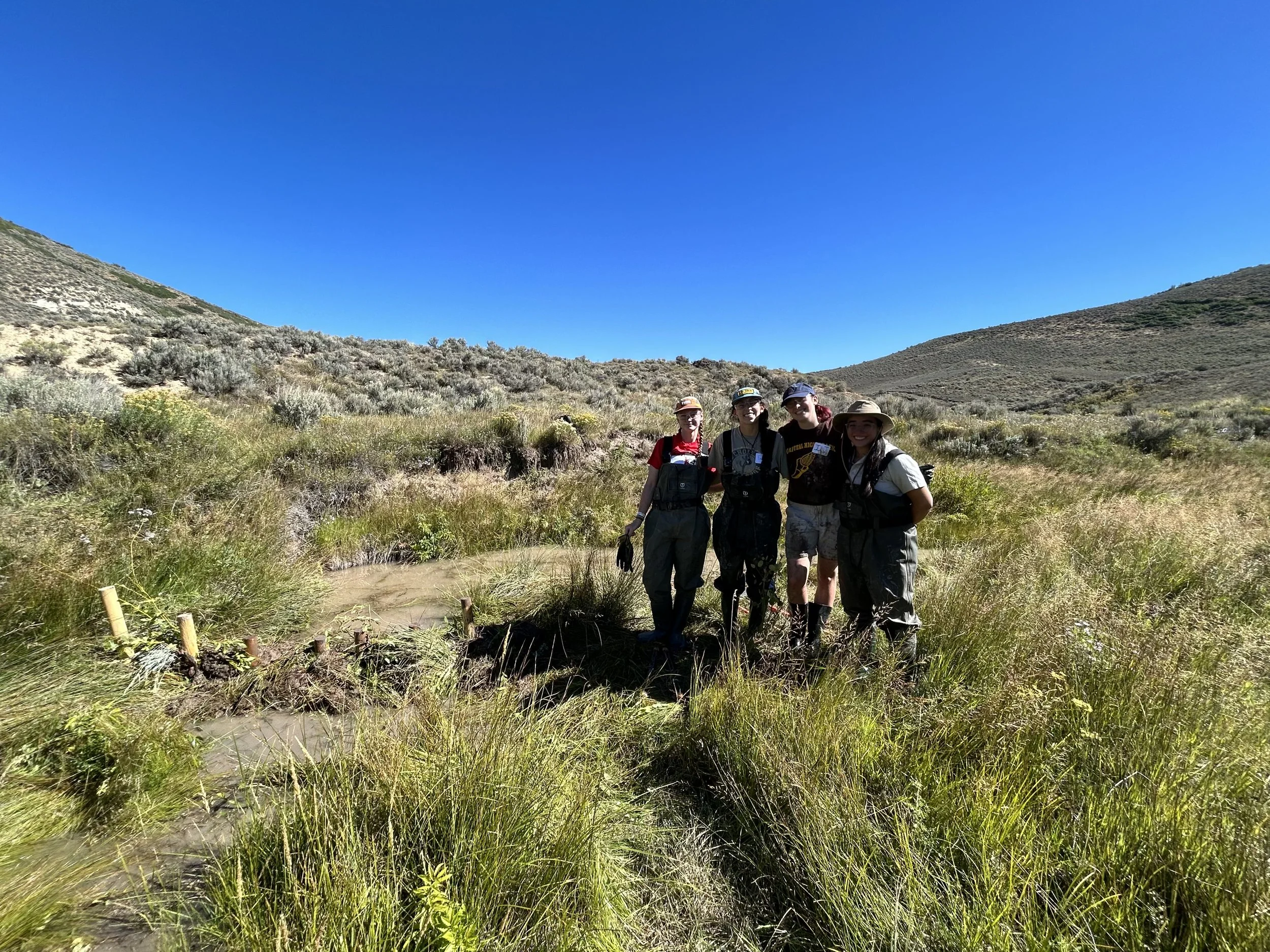
Every day is a memorable one with y’all, but really the most magical is seeing our work pay off as we do it. Watching water slow and pool around the dams reminds me how easy it can be to create big changes around you.
What would you say to folks thinking about getting involved?
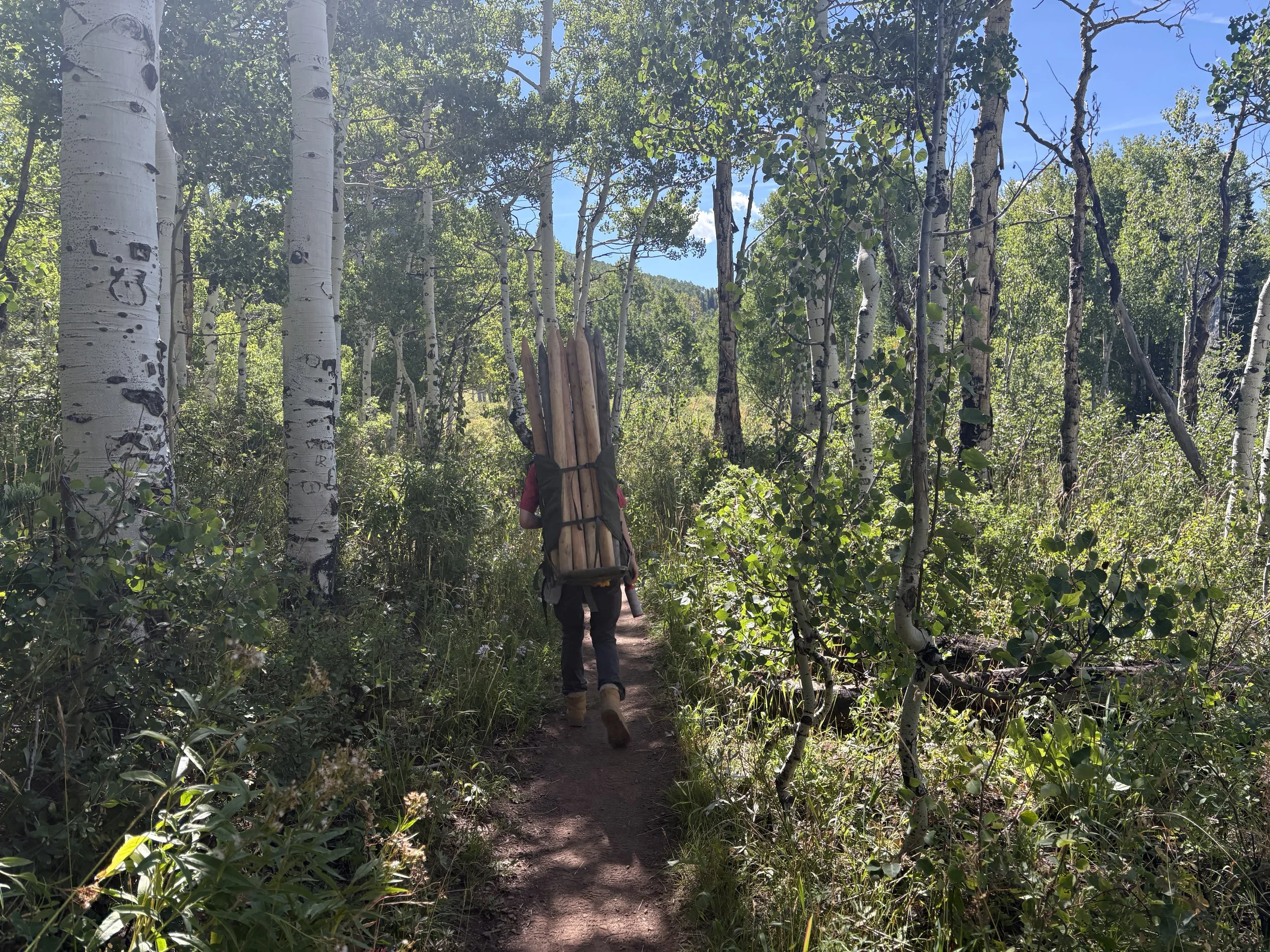
For anyone thinking about getting involved, do it!! It’s always an adventure and everyone has been nothing but welcoming. Also pretending to be a beaver all day is pretty fun.
“Watching water slow and pool around the dams reminds me how easy it can be to create big changes around you.”

-
How did you find out about Sageland Collaborative, and what inspired you to start volunteering?
I first found out about Sageland Collaborative from an Instagram post about building beaver dam analogs. I ended up volunteering as a way to get outdoors and also give back. I had so much fun. That was in 2024 and since then I've tried to volunteer as much as possible.
What do you love most about volunteering on our community science projects?
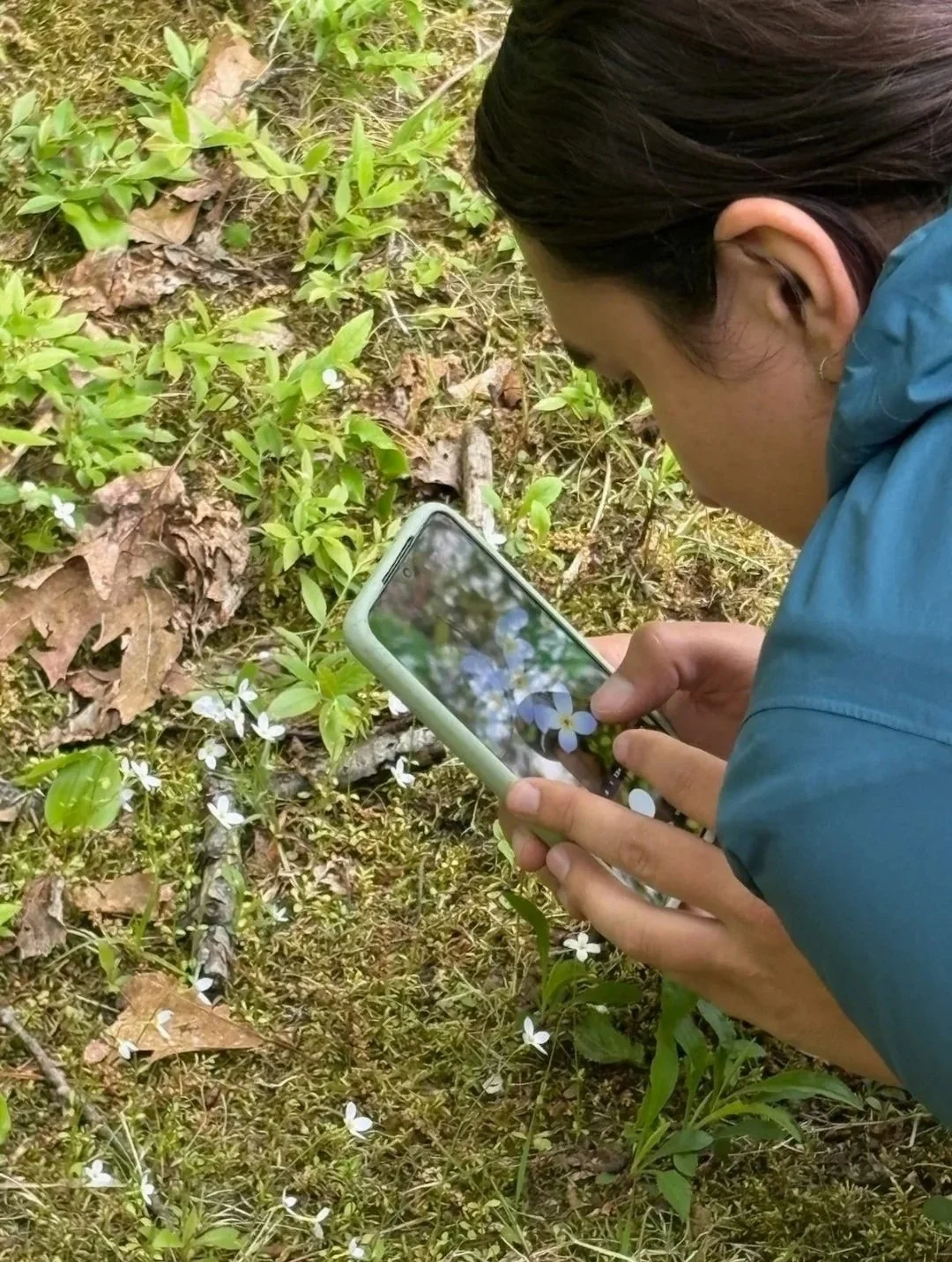
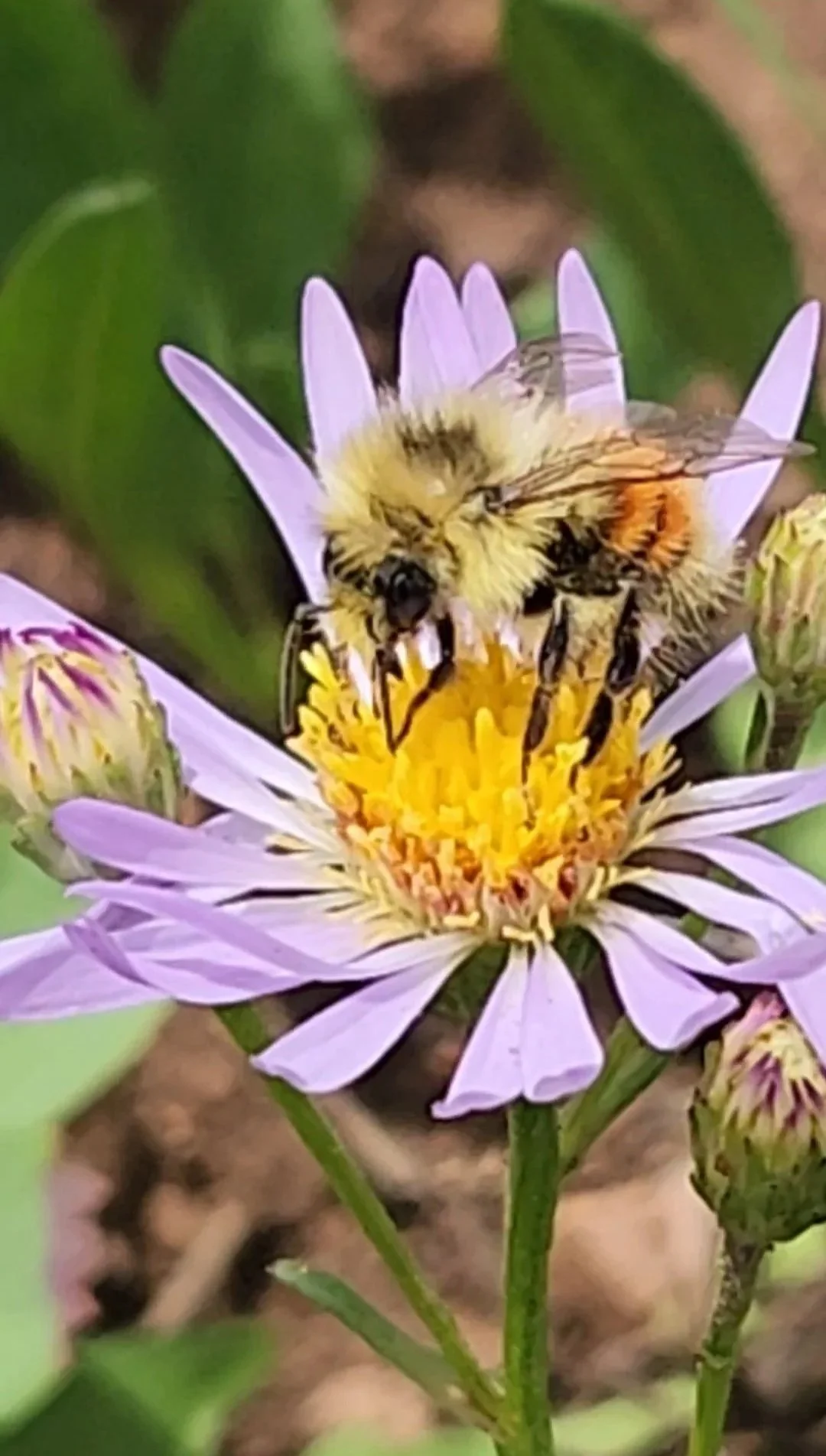
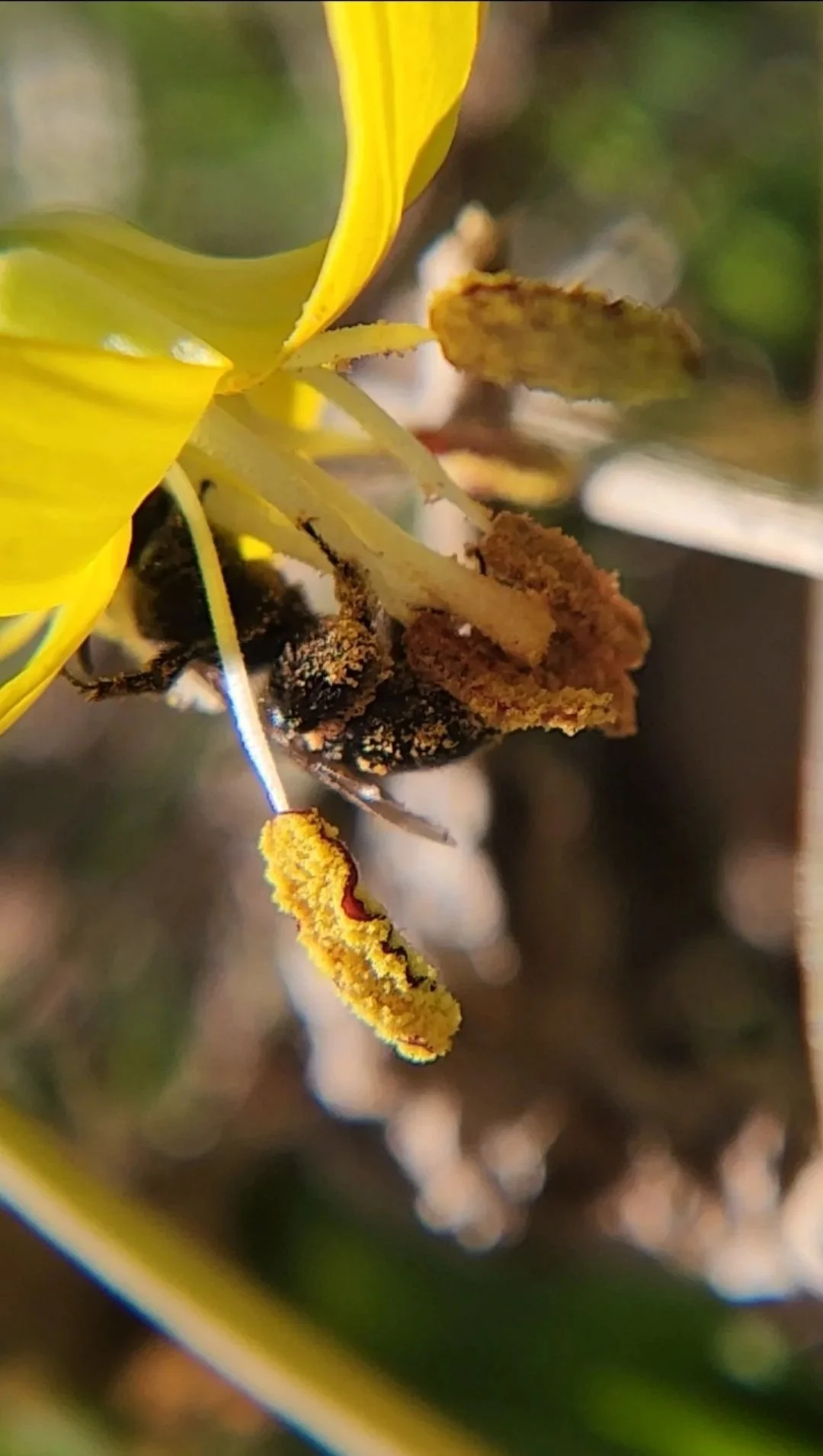
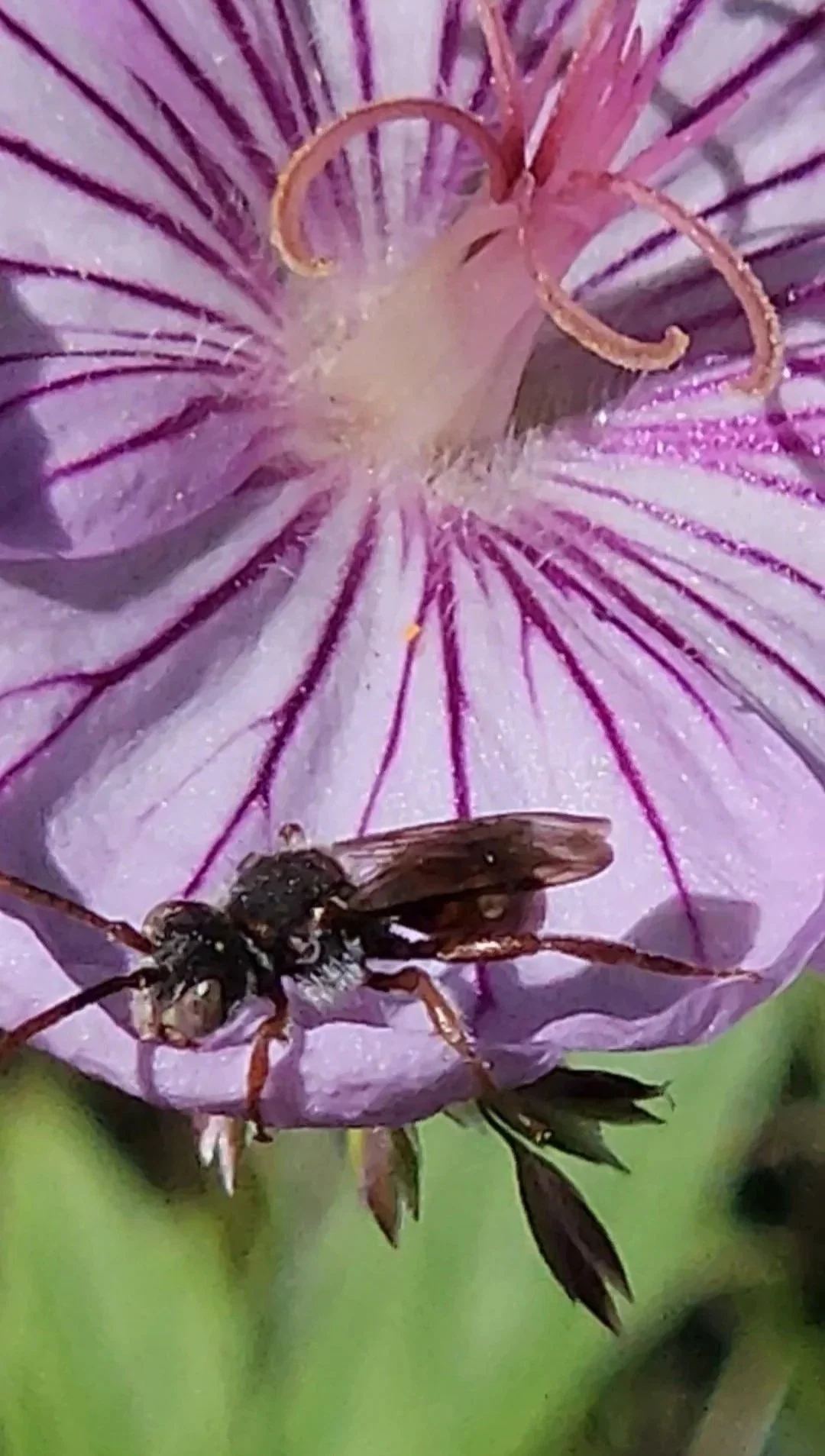
My favorite part is meeting people and learning what they are interested in. I love botany, and have been so inspired to expand my interests and knowledge from meeting birders, herpetologists, entomologists, and so many interesting people. Getting to share my knowledge with others and learn from them as well is so much fun.
What is your conservation/wildlife origin story? Is there an experience or memory that sparked your love for this kind of work?
I have always loved nature but about 4 years ago I started to get really into botany. Learning about how plants interact with the environment around them inspired me to get more into wildlife and conservation as a whole. One memory that really changed my perspective was working with the Rare Insect Conservation Program in the Coral Pink Sand Dunes. Getting insight into the fascinating world of insects made me even more passionate about getting involved with as much conservation work as possible.
Any memorable experiences you’d like to share from the field?
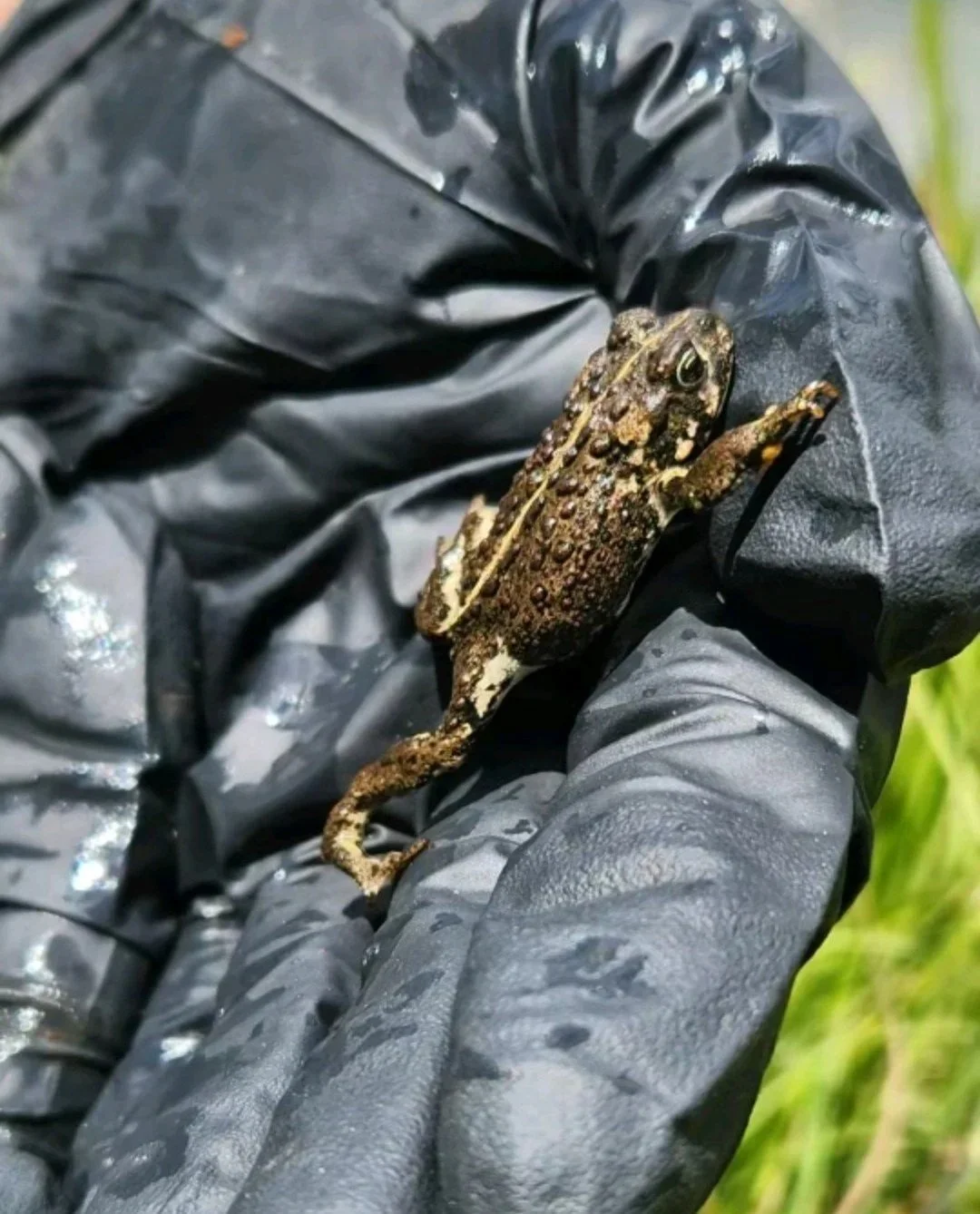
One of my favorite experiences was searching for boreal toads with Utah’s Hogle Zoo out by Currant Creek. Hiking next to flowing streams and the most beautiful meadows I'd ever seen was life changing. I highly recommend getting involved with the Utah HerpSearch – even if you don't find any herps you get to see the most beautiful habitats.
What would you say to folks thinking about getting involved?
Do it!!!! Getting to explore some of the most beautiful places our planet has to offer while protecting them is such an amazing experience.
“My favorite part is meeting people and learning what they are interested in. I love botany, and have been so inspired to expand my interests and knowledge from meeting birders, herpetologists, entomologists, and so many interesting people.”


-
How did you find out about Sageland Collaborative, and what inspired you to start volunteering?
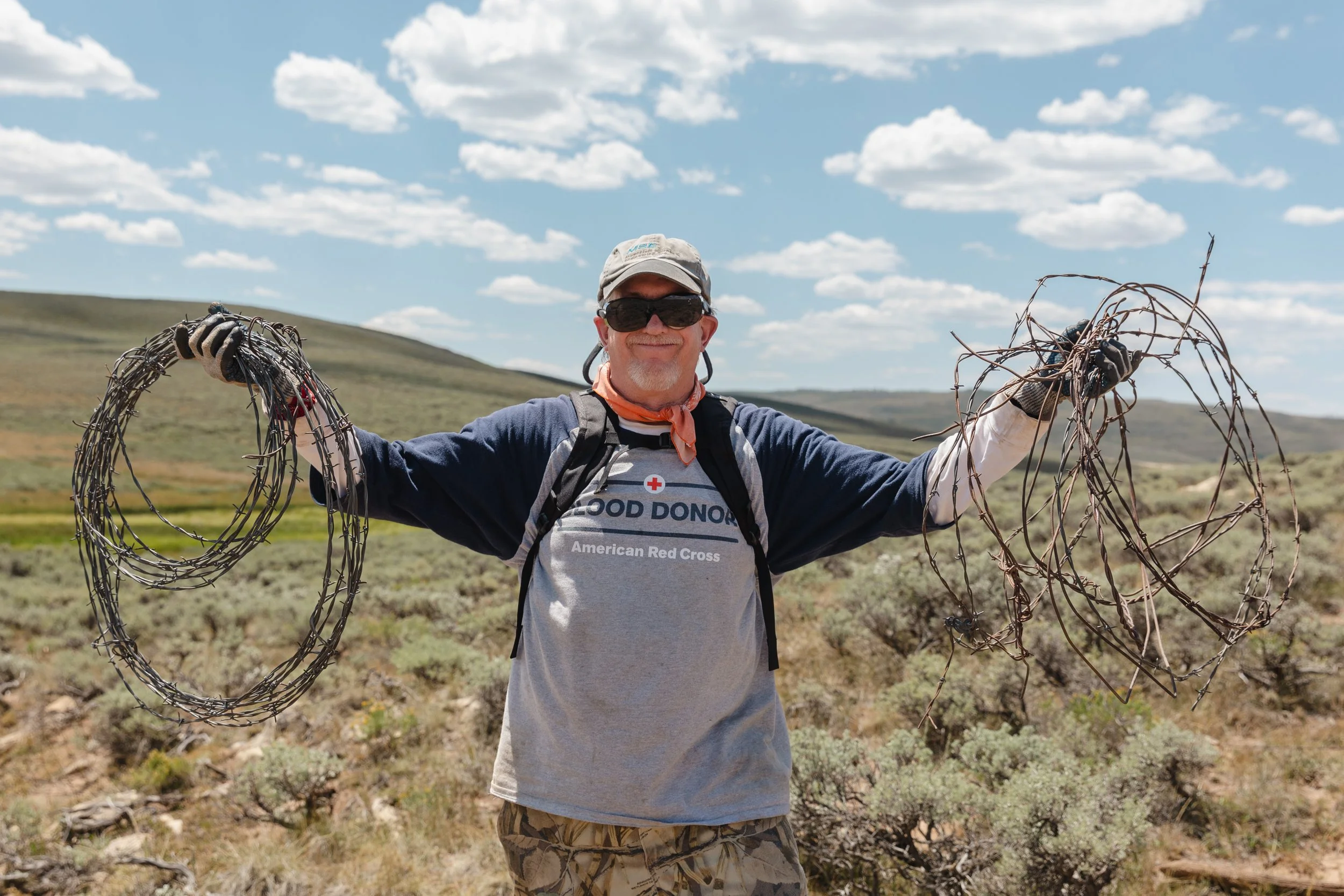
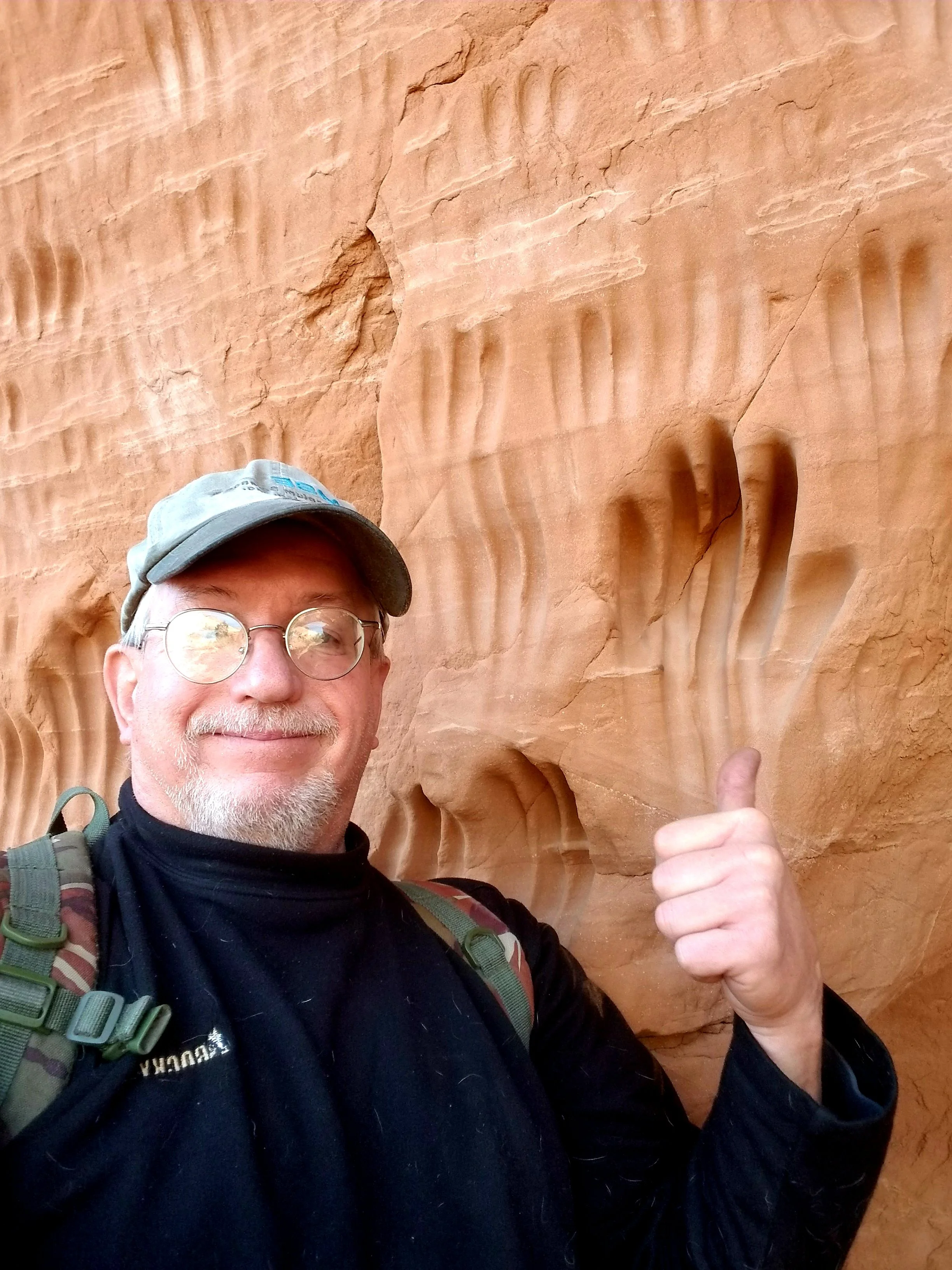
Back in March 2018 I heard from a friend about the then-upcoming Wasatch Wildlife Watch project with Wild Utah Project (later re-named Sageland Collaborative) and thought it sounded way cool. I signed up doing trail camera setups, loved it, and ended up volunteering for all 7 consecutive field seasons on that project.What do you love most about volunteering on our community science projects?
I enjoy getting outdoors and doing hands-on fieldwork related to data collection and restoration. This kind of activity aligns with the fun parts of my prior career as an environmental geologist.
What is your conservation/wildlife origin story? Is there an experience or memory that sparked your love for this kind of work?
As a hunter and angler, I find these projects to be a great way to “give back” to wildlife.
Any memorable experiences you’d like to share from the field?
During the 2019 field season, I had a film crew accompany me on a trail camera setup, and the footage was used as part of the “Nature All Around Us” exhibit at the Natural History Museum of Utah. I got to tell my friends “Hey I’m an exhibit at the Natural History Museum 😊”What would you say to folks thinking about getting involved?
If you like rolling up your sleeves, getting your hands dirty in the great outdoors for a great feel-good cause, and meeting interesting people, these kinds of projects are for you.
Anything else you’d like to share?
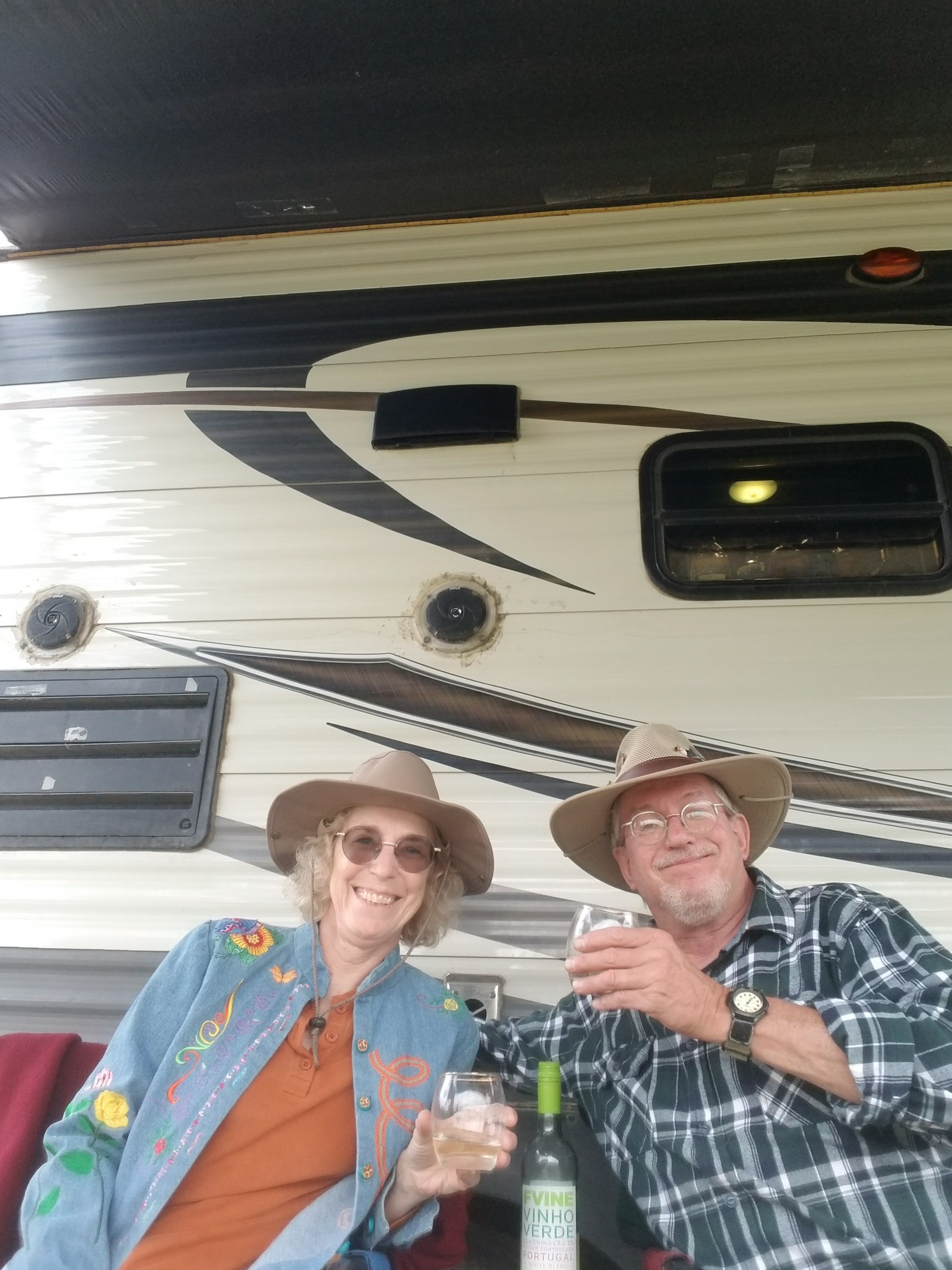
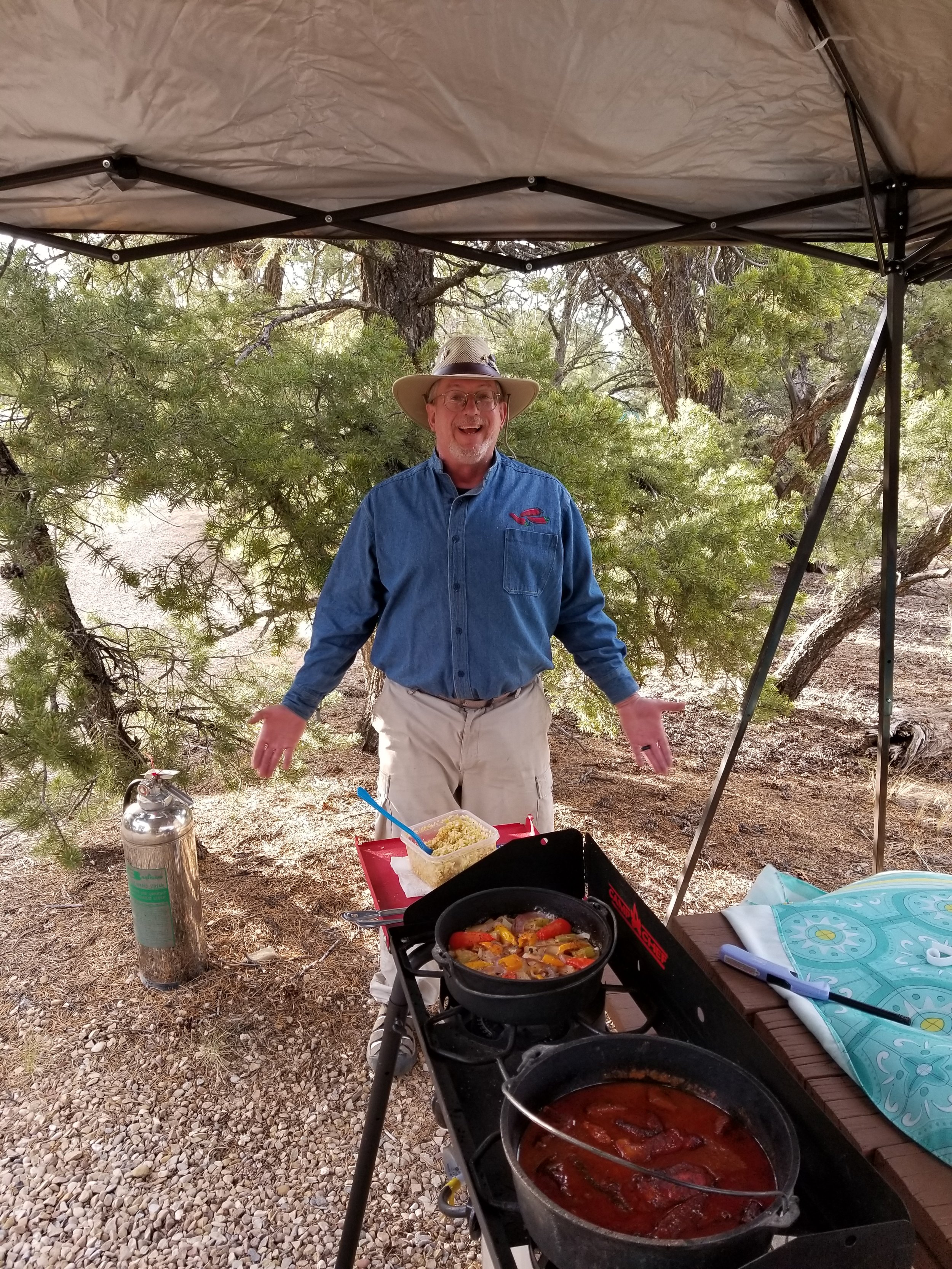
As a recent retiree, I look forward to continuing my volunteer activities with organizations like Sageland Collaborative.
“If you like rolling up your sleeves, getting your hands dirty in the great outdoors for a great feel-good cause, and meeting interesting people, these kinds of projects are for you.”

-
Can you tell us about yourself and your role with Utah BHA?
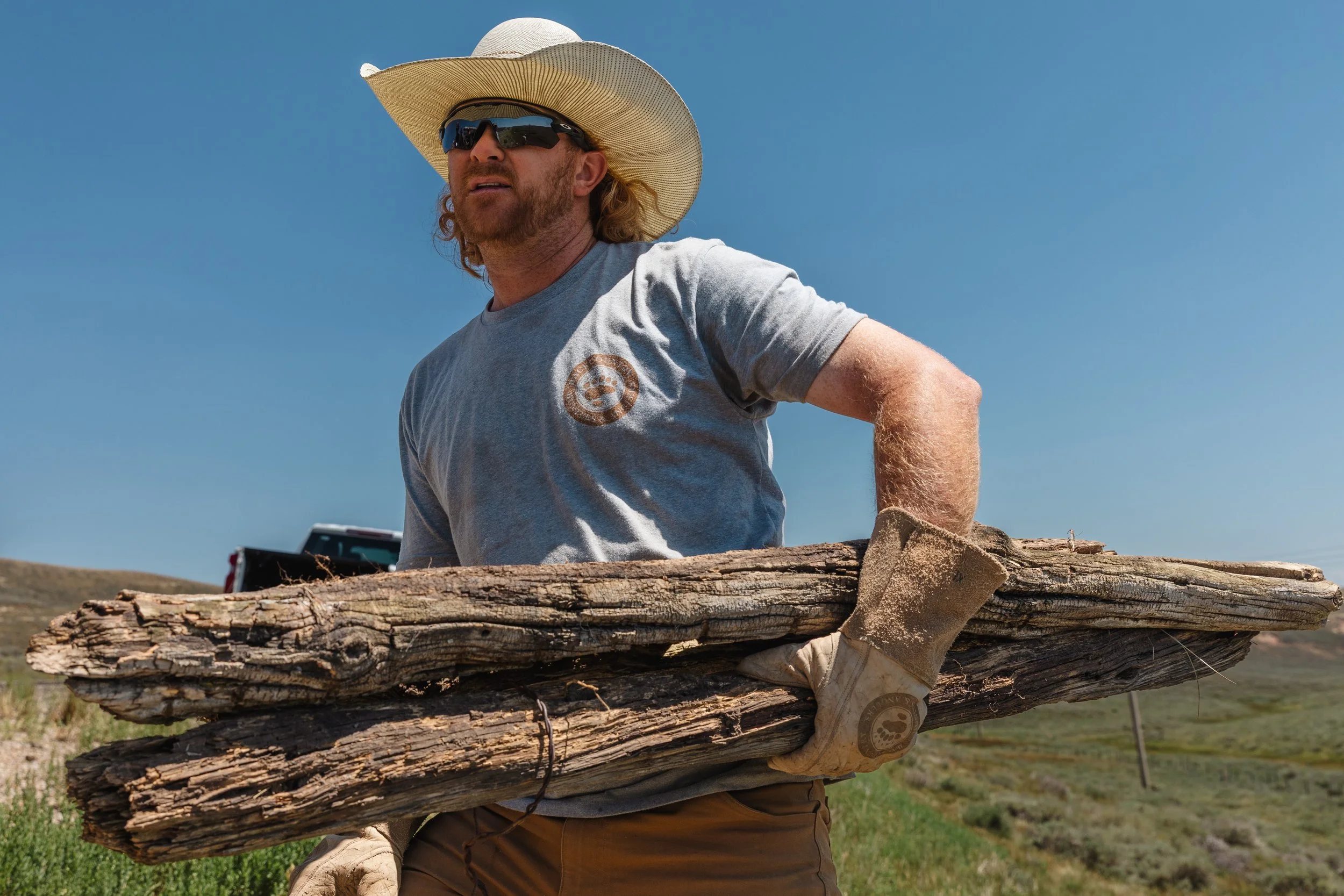
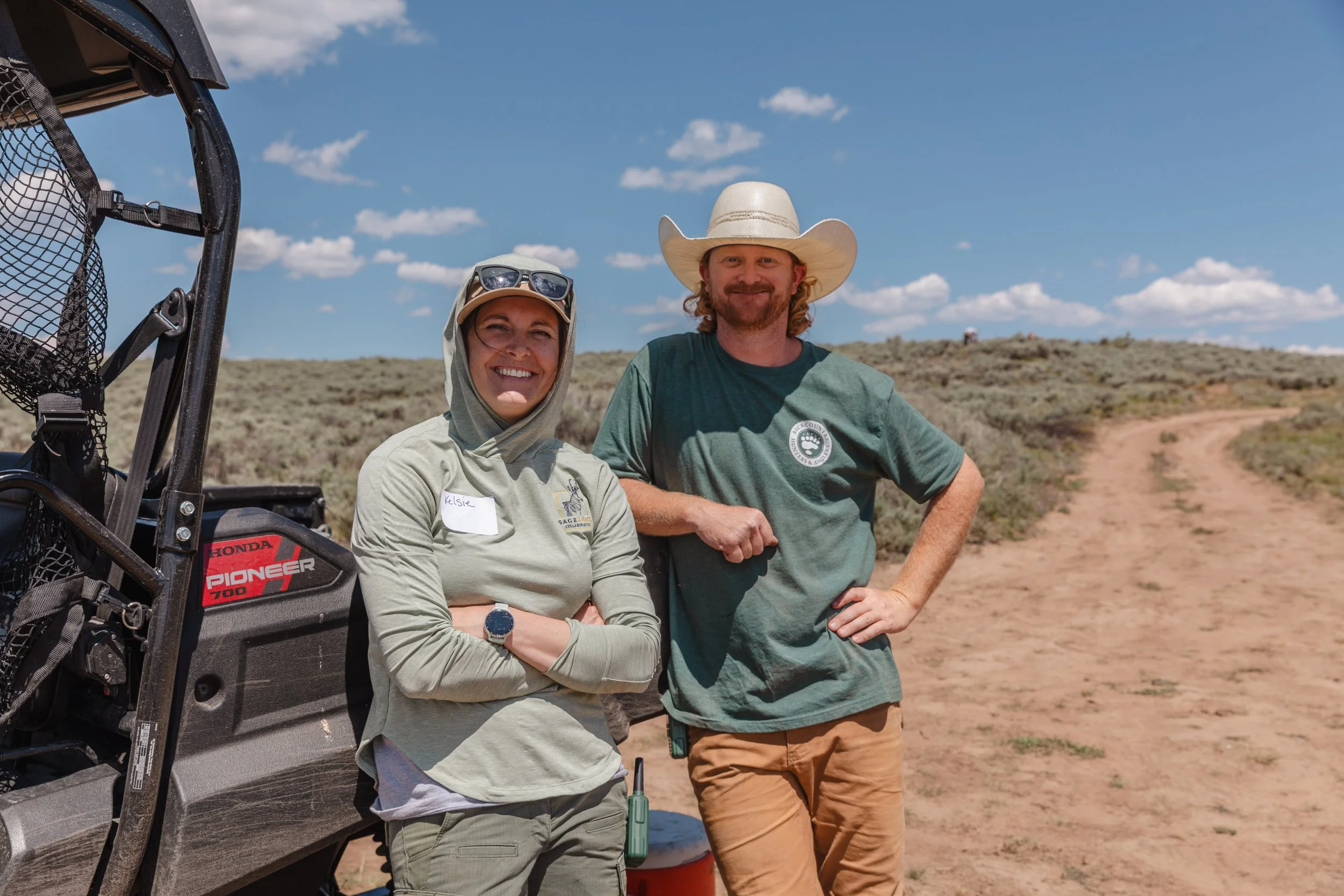
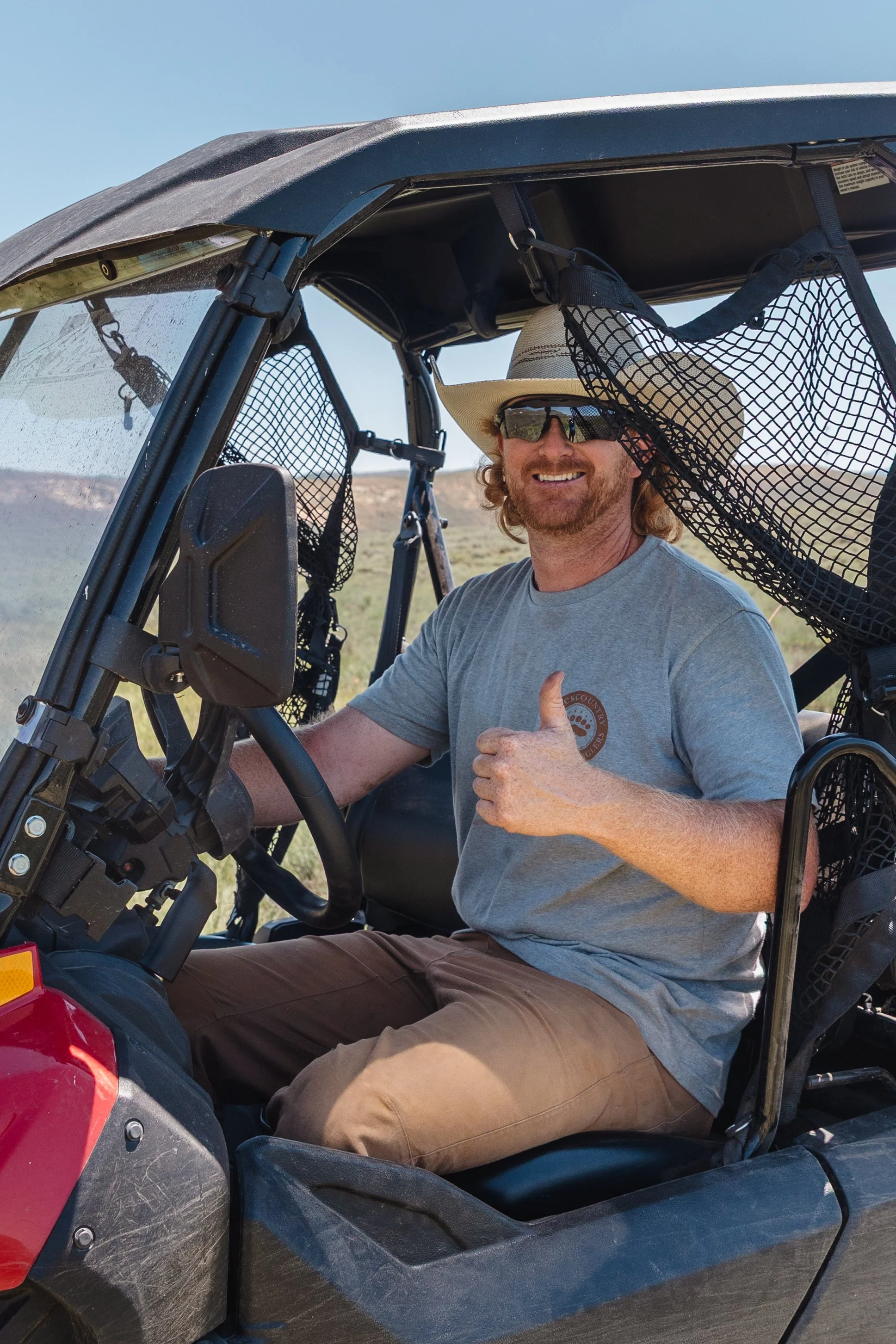
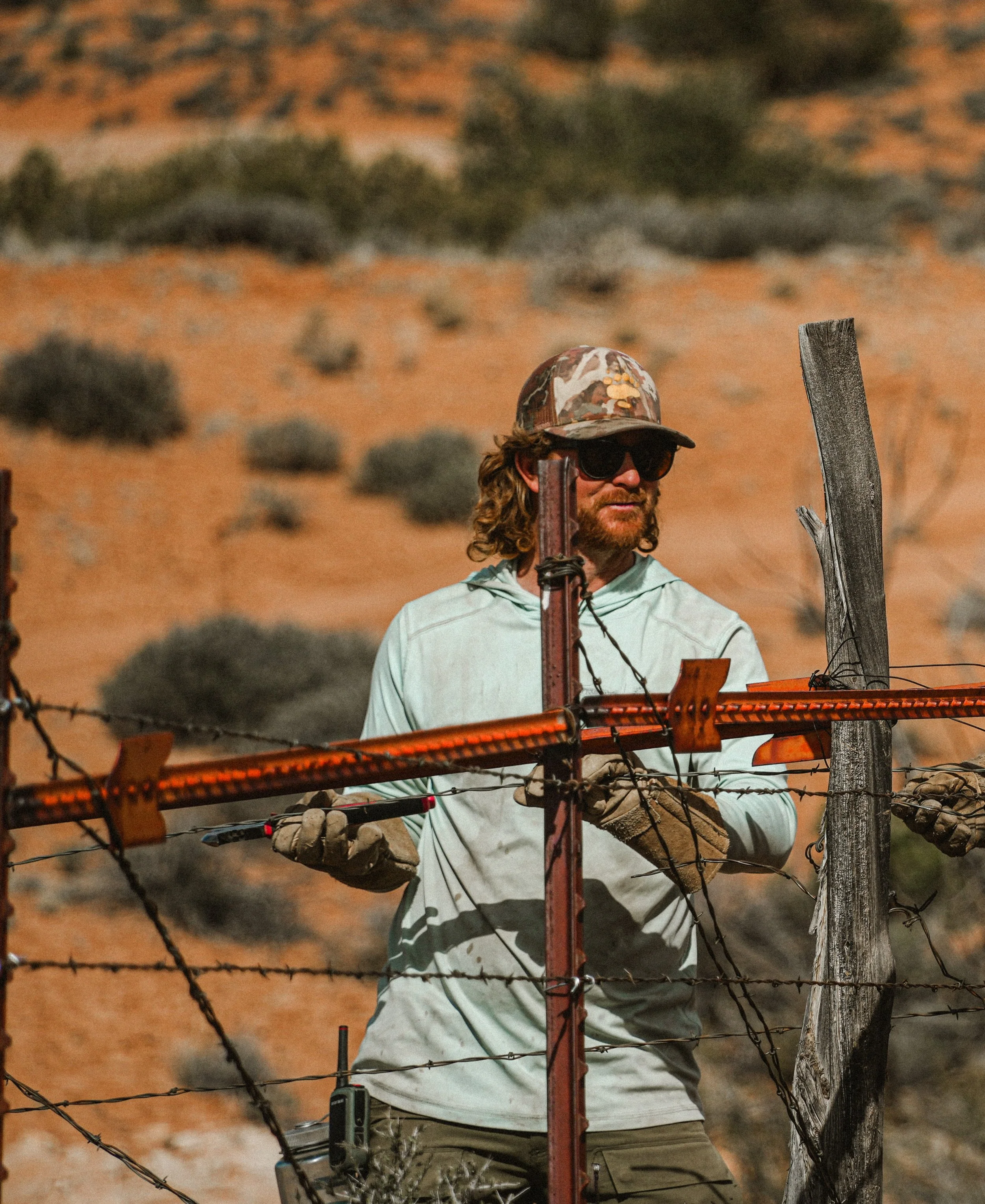
I am a Habitat Stewardship Coordinator with Backcountry Hunters & Anglers (BHA). In that role I have the opportunity to work on habitat restoration projects across the west. This work is primarily fencing related consisting of; removing old fences that are disrupting wildlife movement, modifying fence lines to be wildlife friendly and mapping fences to see what is out there. Another component of my job is engaging the public and giving volunteers a chance to get out and help make their public lands better. Giving people the opportunity to connect with the landscape and see their satisfaction after a long day’s work is a truly rewarding aspect of my job!What value do you see in collaborative partnerships in conservation?
Collaboration is essential to the success of conservation work moving forwards. Threats to public lands and their conservation come in many forms from many different architects, but they all share a common theme. They aim to divide people. Rural vs urban populations, one user group vs another user group, the list of divisions goes on and on. But the strategy of “divide and conquer” in itself, shows the power of collaboration. By uniting different users and people of different backgrounds in a common goal we are showing that there is a shared interest to protect, preserve and restore the landscape. That fact helps to bridge divisions and creates a strong coalition of conservationists. Only then can we ensure these places last long into the future.What is your conservation/wildlife origin story? Is there an experience or memory that sparked your love for this kind of work?
As a child my mother was a cartographer with the USFS and would often take me to the office for the day. There I would play with rocks, look at old maps, and learn about our National Forest System. At the same time my dad worked as a landscaper, and I would go with him to plant trees and learn about the natural world through that lens. My vacations were often camping trips across the state and some of my fondest memories were of being out on public lands. Those experiences turned out to be fundamental and as an adult hunting, fishing, and camping on public lands gave my life purpose and fulfillment. My connection to the land coupled with constant threats to its longevity drove me to want to give back and ultimately led me to where I am today.
Can you share any highlights or notable experiences from your time partnering with Sageland Collaborative?
I was very impressed with how Kelsie and all the Sageland Collaborative team handled the Strawberry Reservoir Fence Removal. When I first visited the site with Kelsie I was shocked at the condition of the fence. It was woven wire with decades old sage growing through it for the entire length. It was certainly one of the hardest fences to remove that I’ve seen. Yet it turned out to be no problem for the Sageland team! After a huge turnout and with the help of some heavy equipment volunteers had removed the entire 1.6 miles of fencing! Outside that I’ve spent many hours with Kelsie and the Sageland Collaborative team and am always impressed with the impact they have on conservation and the community they build around it. They truly take the “Collaborative” part of their name seriously and have been incredibly helpful in my work! I am looking forward to the work we can achieve together in the future.
What is your hope for the future of wildlife, lands, and communities in the West? How do you see your work contributing to this vision?
I hope the future shows a reaffirmation that public lands, intact wild places, healthy wildlife populations, clean water and clean air are uncompromisable. It can be exhausting putting in public comments and emailing elected officials, and often that can feel fruitless. Understandably that feeling of hopelessness can lead to inaction. However, if people can get out work on a project for a day and see results on the landscape it can provide just the boost needed to keep active and engaged. And of course, the animals and landscape themselves are happy about it as well!
Anything else you’d like to share?
Thanks to everyone at Sageland Collaborative for your commitment to conservation and collaboration! Thanks to the Utah BHA chapter and all BHA members for their support and guidance! I can’t wait to see what comes next.
“By uniting different users and people of different backgrounds in a common goal we are showing that there is a shared interest to protect, preserve and restore the landscape. That fact helps to bridge divisions and creates a strong coalition of conservationists. Only then can we ensure these places last long into the future.”
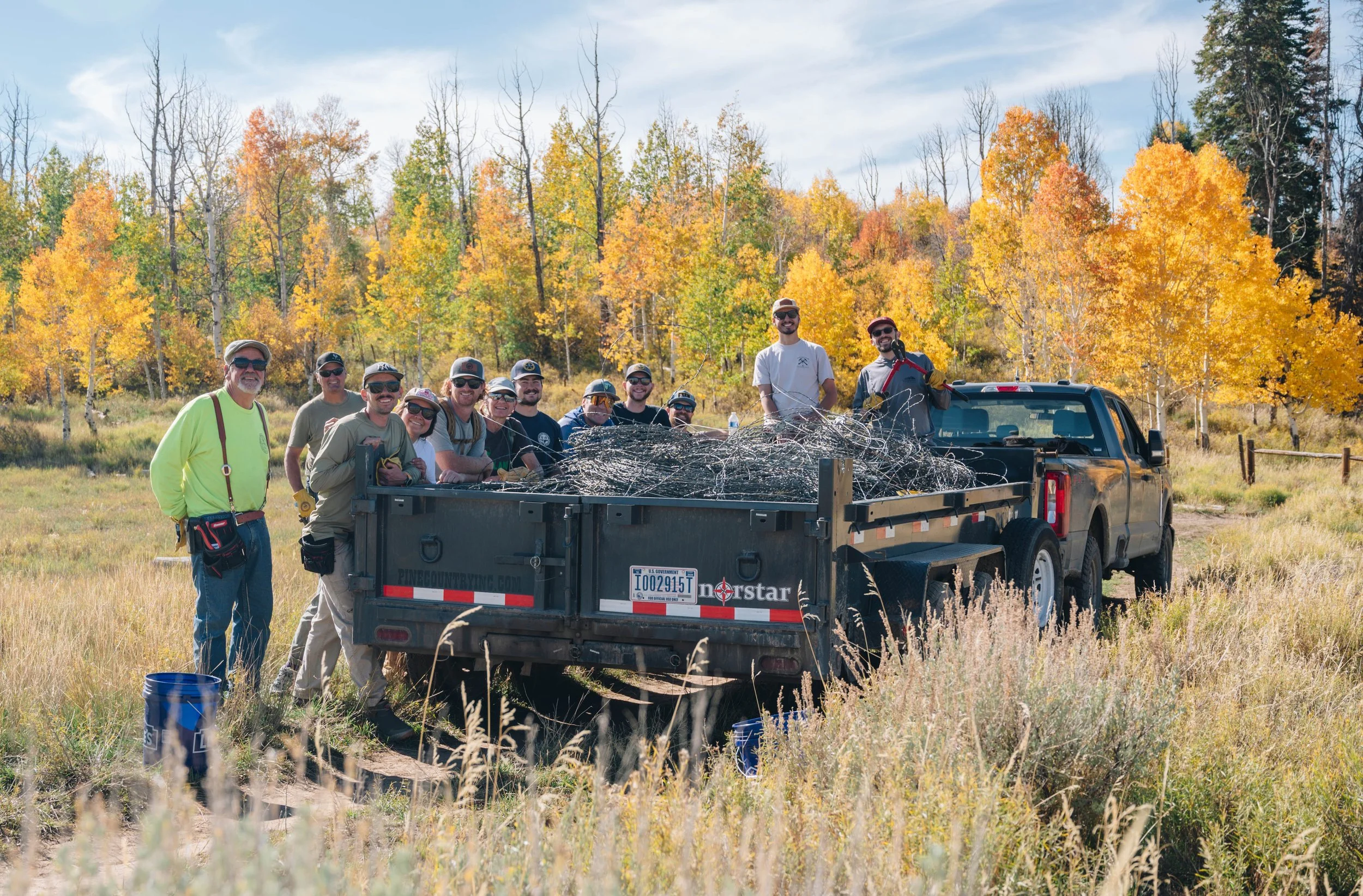
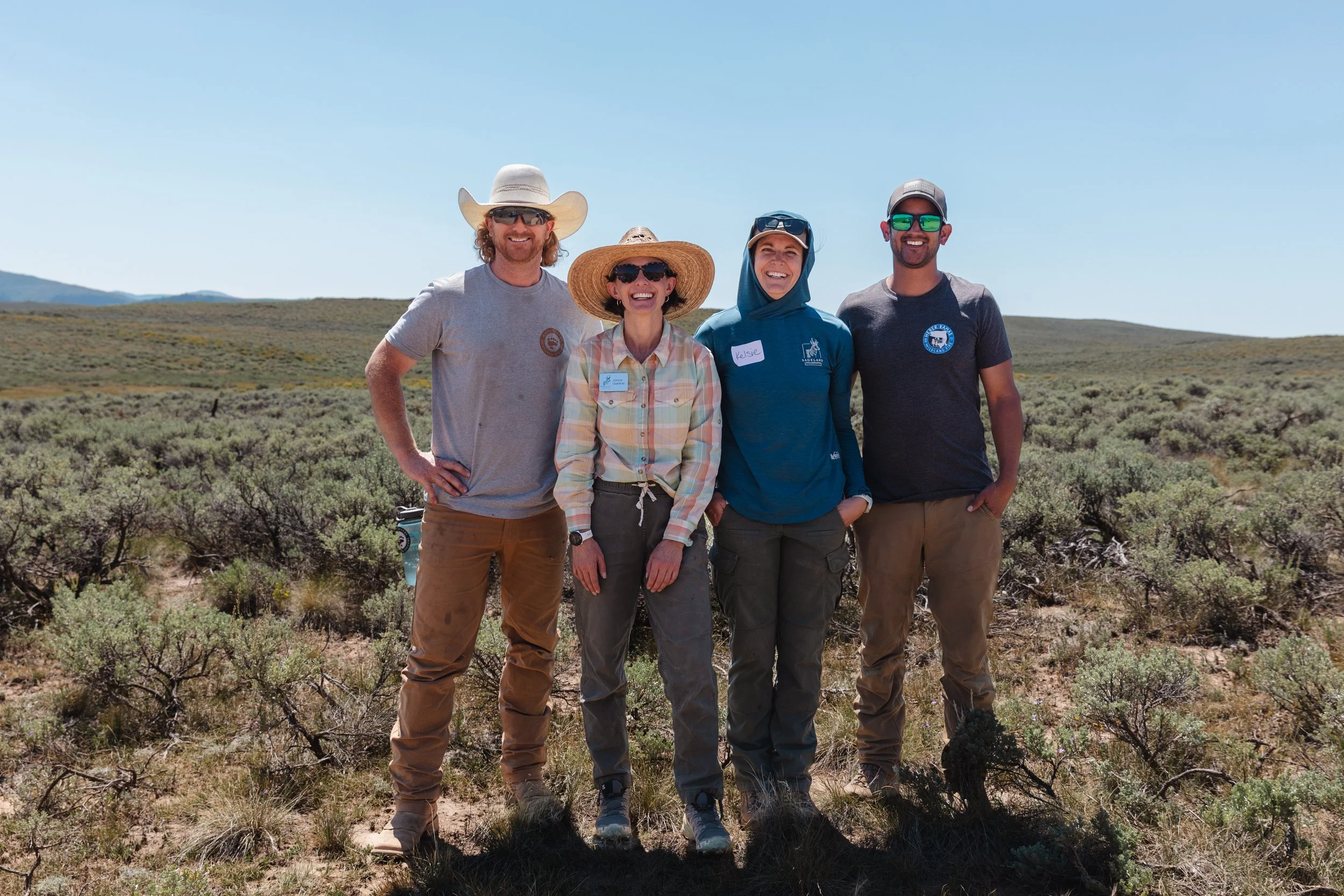
A huge thank you to all of the volunteers and partners who contribute their time, passion, and expertise to conservation! It’s through your support that we are able to show up time and time again for the wildlife and lands that unite us.
We’re also incredibly grateful to our donors, whose contributions fuel a future where conservation is possible. Gifts of any size allow us to facilitate hands-on restoration activities that engage even more of our community in this work.
Thank you all so much for joining us in 2026 and for years to come! We cannot wait to get back out into the field with you next year.
Interviews by Sierra Hastings
Photos shared by Amanda Barth, Sierra Hastings, Yuanhang Zhao, and our Of the Year Honorees.