
Introducing our Uinta Basin Rare Plant Coordinator!
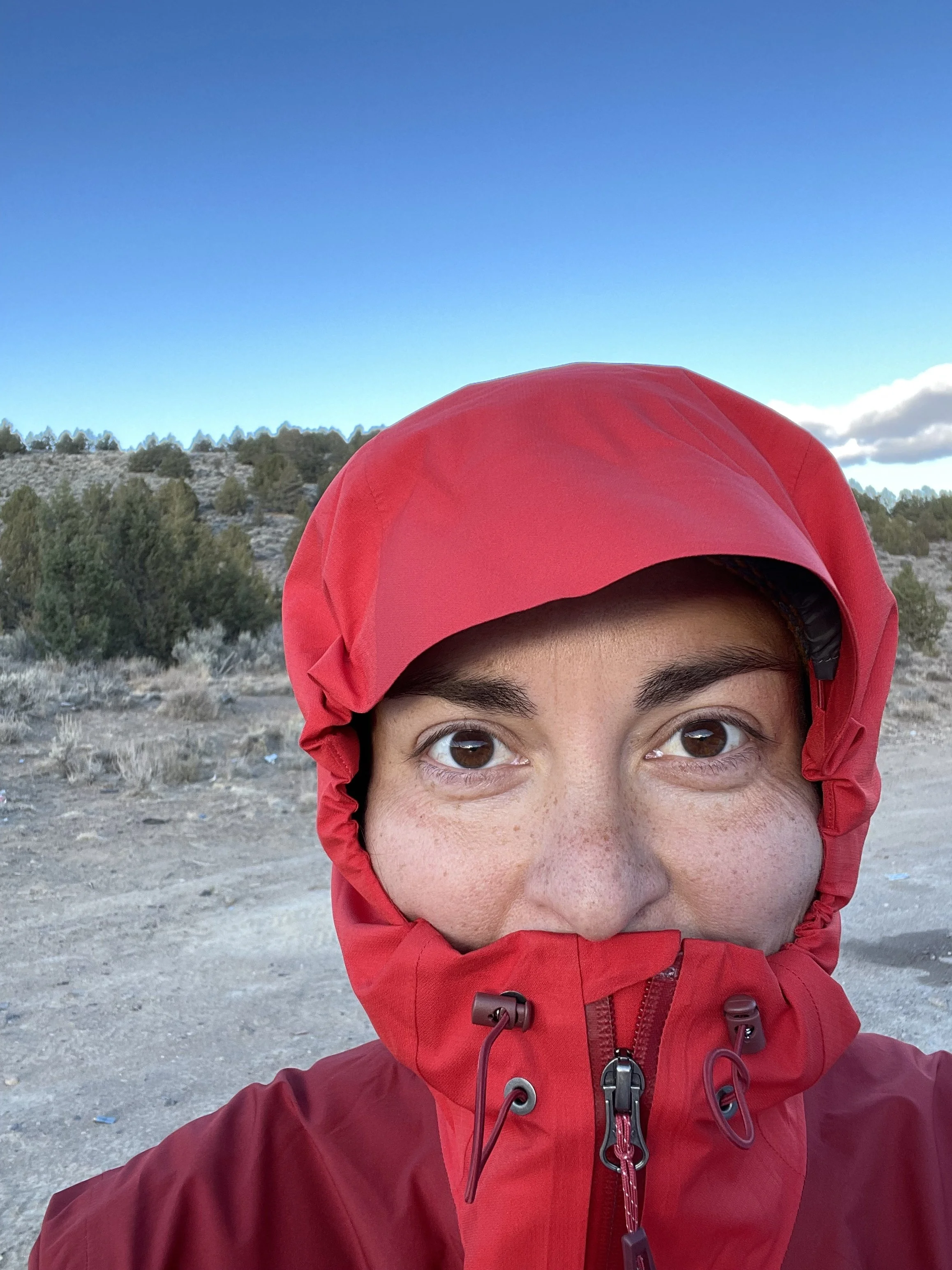
We’re excited to welcome Roxanne C. Rios to the Sageland Collaborative team as our Uinta Basin Rare Plant Coordinator! Under the Native Plants & Pollinators program, Roxanne will work in collaboration with state and federal agencies, nonprofit organizations, and Tribal Nations to advance the recovery efforts for two federally threatened cactus species endemic to Utah's Uinta Basin.
Roxanne brings over 15 years of experience to this role, and we cannot wait to see where she takes this project!
Get to know Roxanne in our interview with her below.
What interests you about Sageland Collaborative?
Throughout my career, I've come to appreciate that meaningful conservation requires more than sound science. What drew me to Sageland was its collaborative approach to conservation and its recognition that lasting results depend on bringing together people with different perspectives, expertise, and priorities.
What are you most excited for in this role?
I'm looking forward to building relationships with the many people and organizations already working to conserve these two rare cactus species. There's a tremendous opportunity to bring together their knowledge, experience, and resources to develop a more coordinated approach to recovery.
Can you tell us a bit about your background?
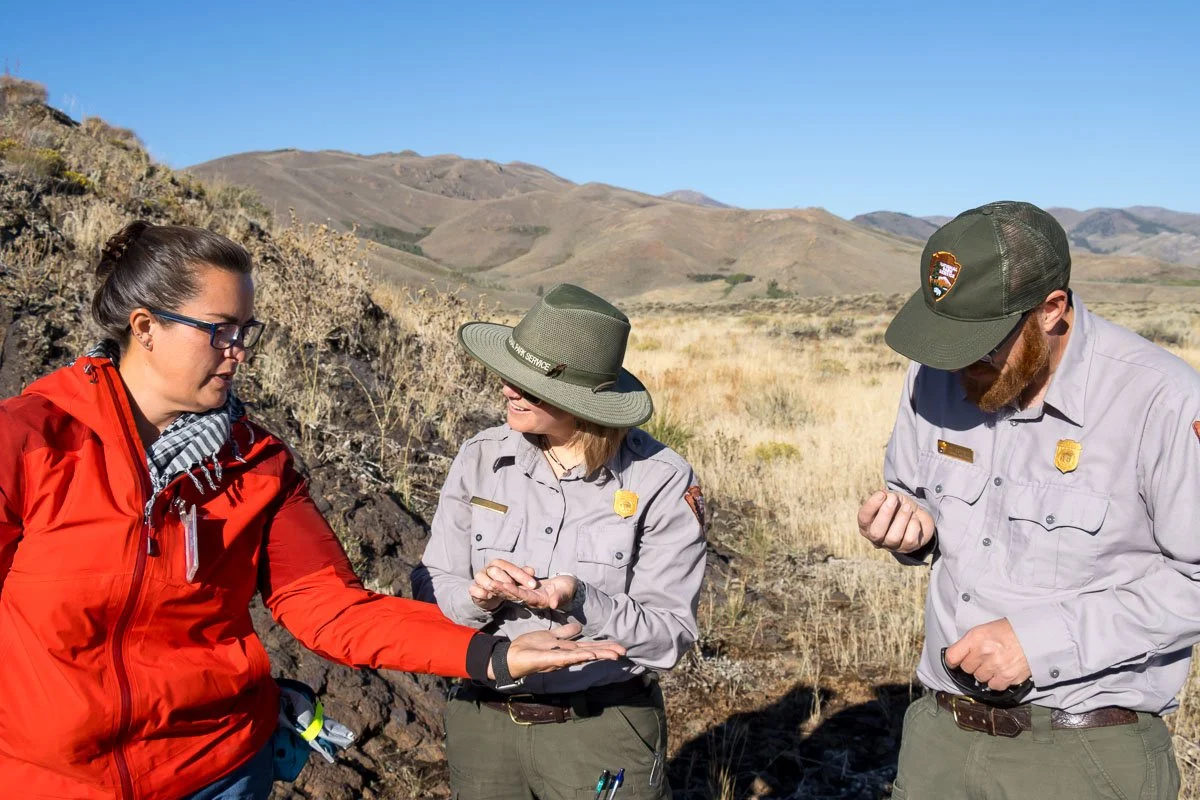
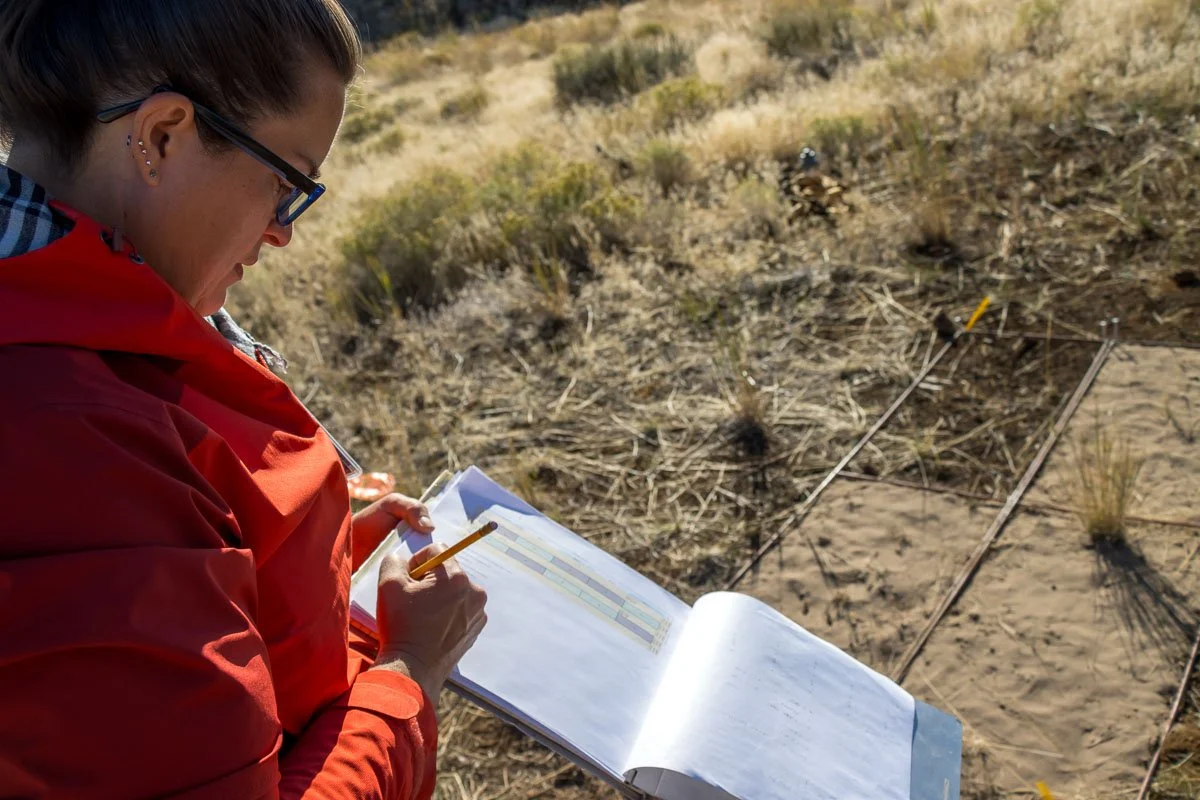
I'm a plant ecologist with more than 15 years of experience working in restoration ecology, rangeland science, and natural resource management throughout the West. Before joining Sageland, I worked as a research scientist with the USDA Agricultural Research Service, studying ways to improve native plant establishment and restoration success in sagebrush ecosystems.
What has been your most memorable day in the field?
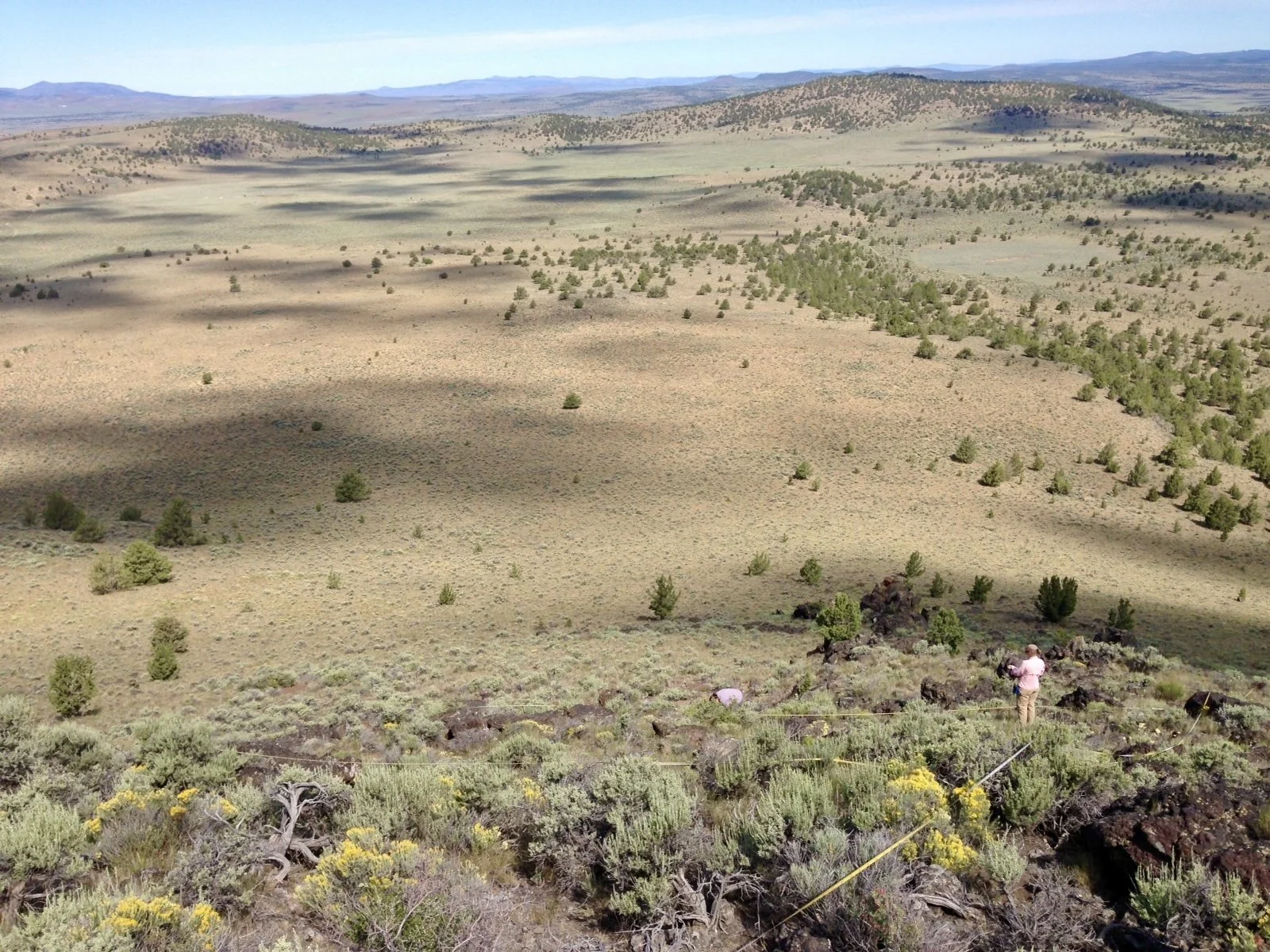
After years of fieldwork across the West, it's difficult to choose just one! Some of my most memorable experiences have simply been spending time in remote landscapes, appreciating both their beauty and harshness, and experiencing these places in ways that few people have the opportunity to.
What do you love about Western wildlife and conservation?
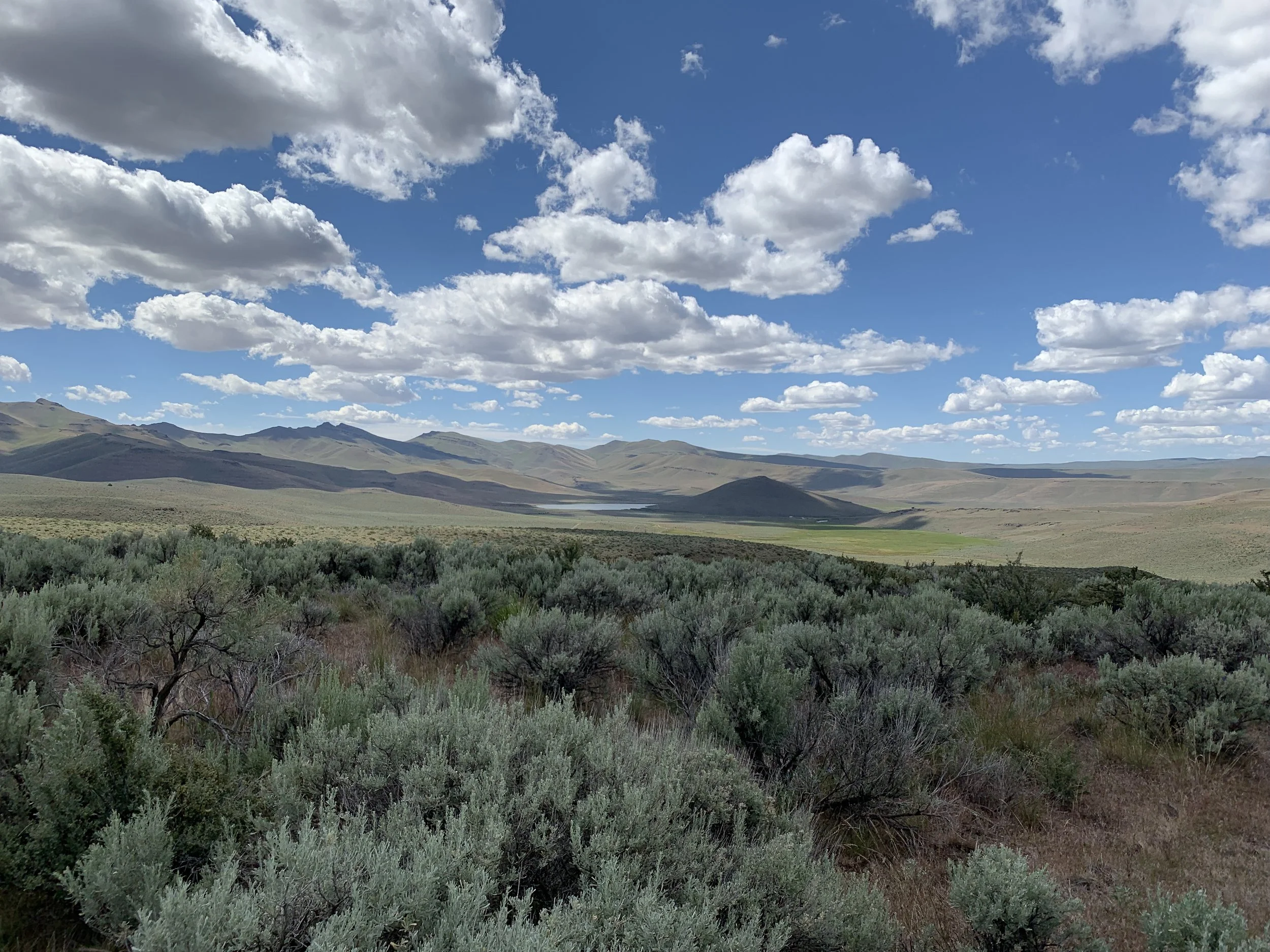
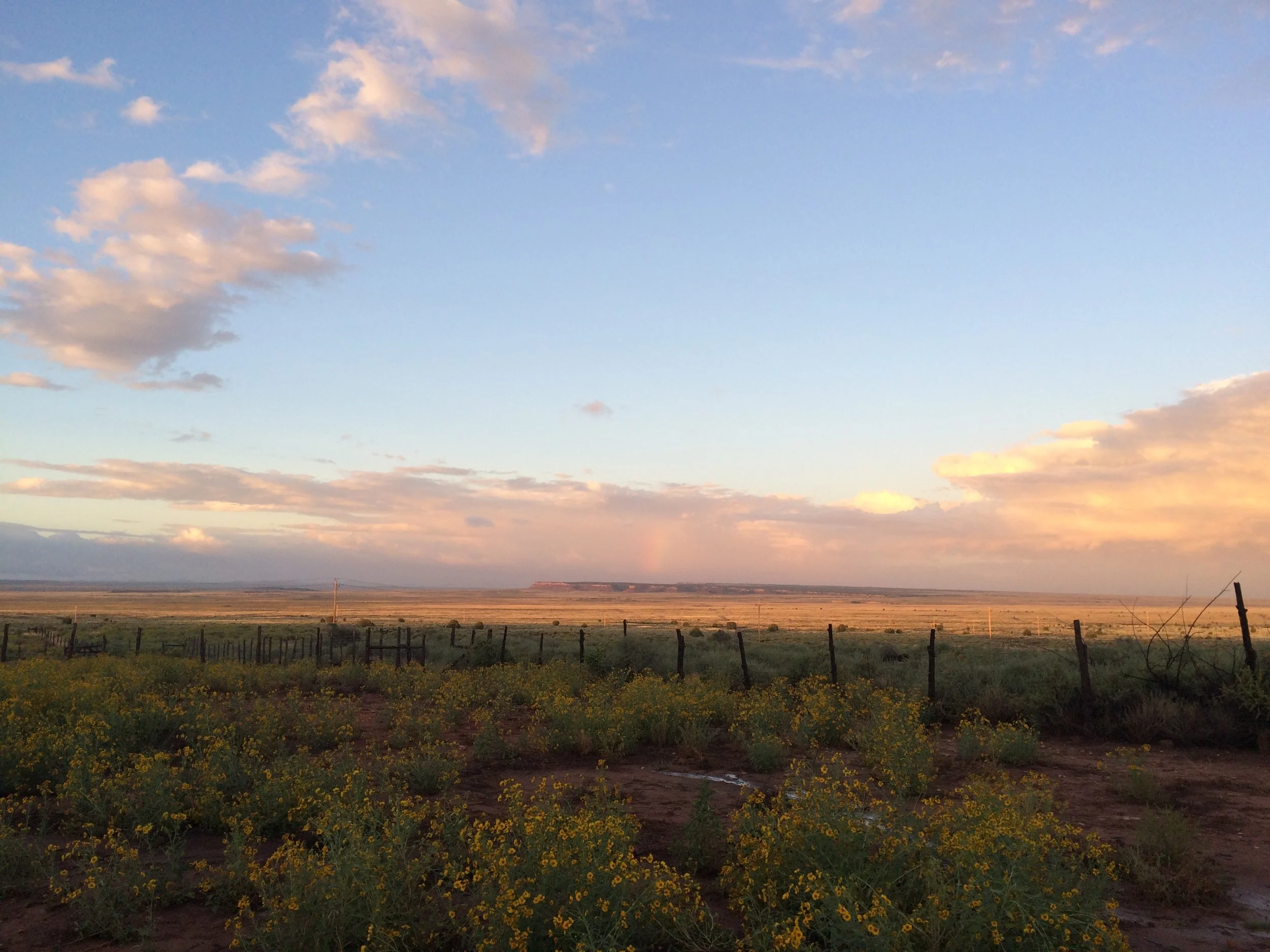
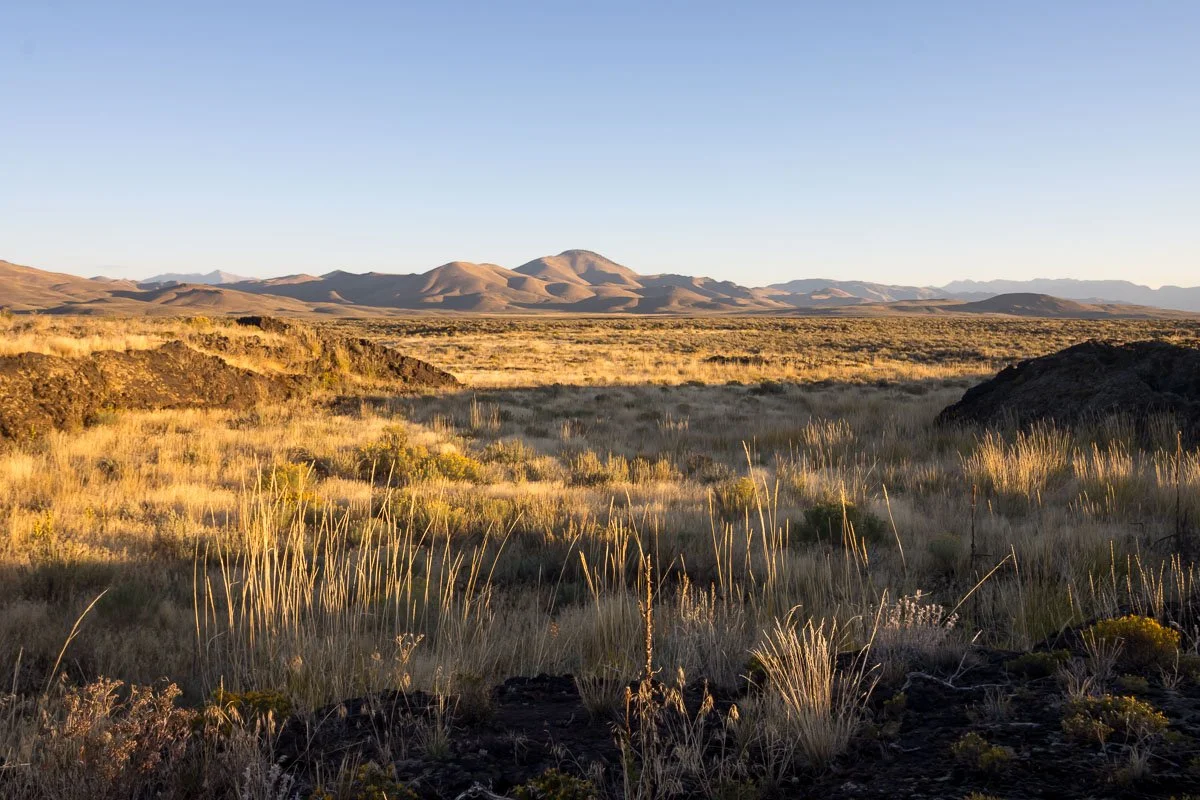
I've always been drawn to the arid landscapes of the West and the remarkable ways plants and wildlife have adapted to survive there. I appreciate the complexity of these ecosystems and the challenge of finding practical conservation solutions that balance ecological needs with those of the people who live and work on the land.
What are some successes you've seen in your previous work?
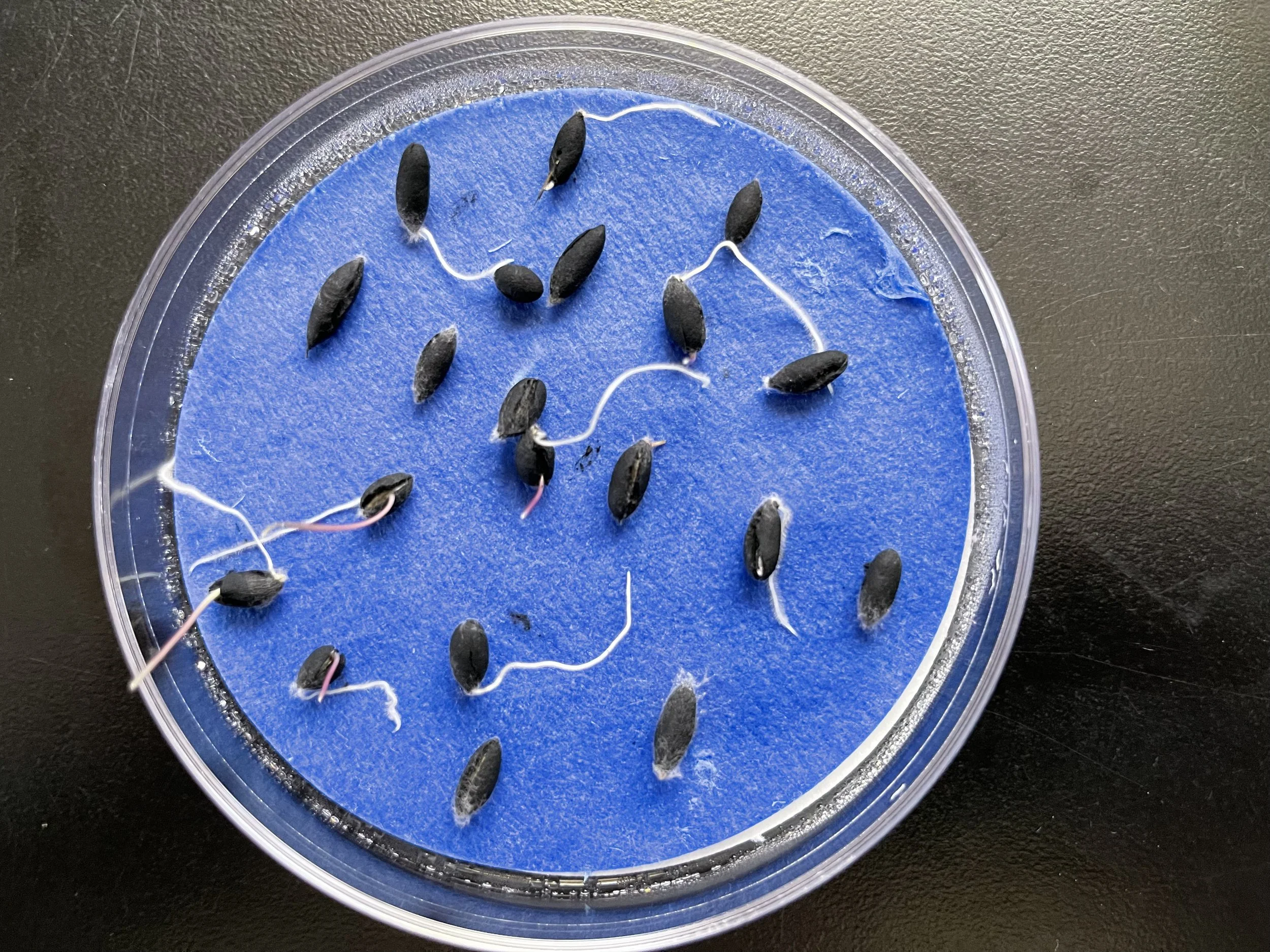
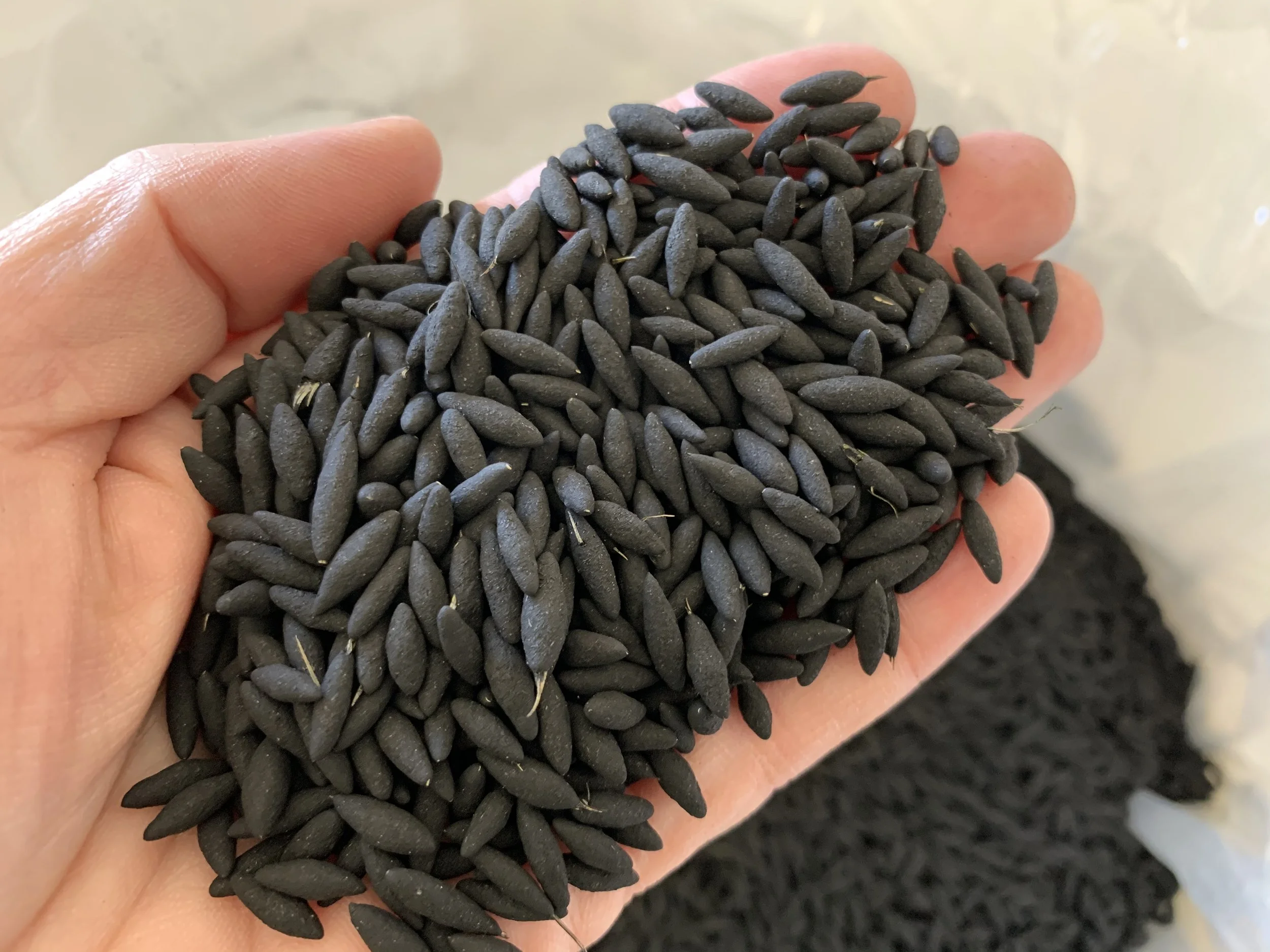
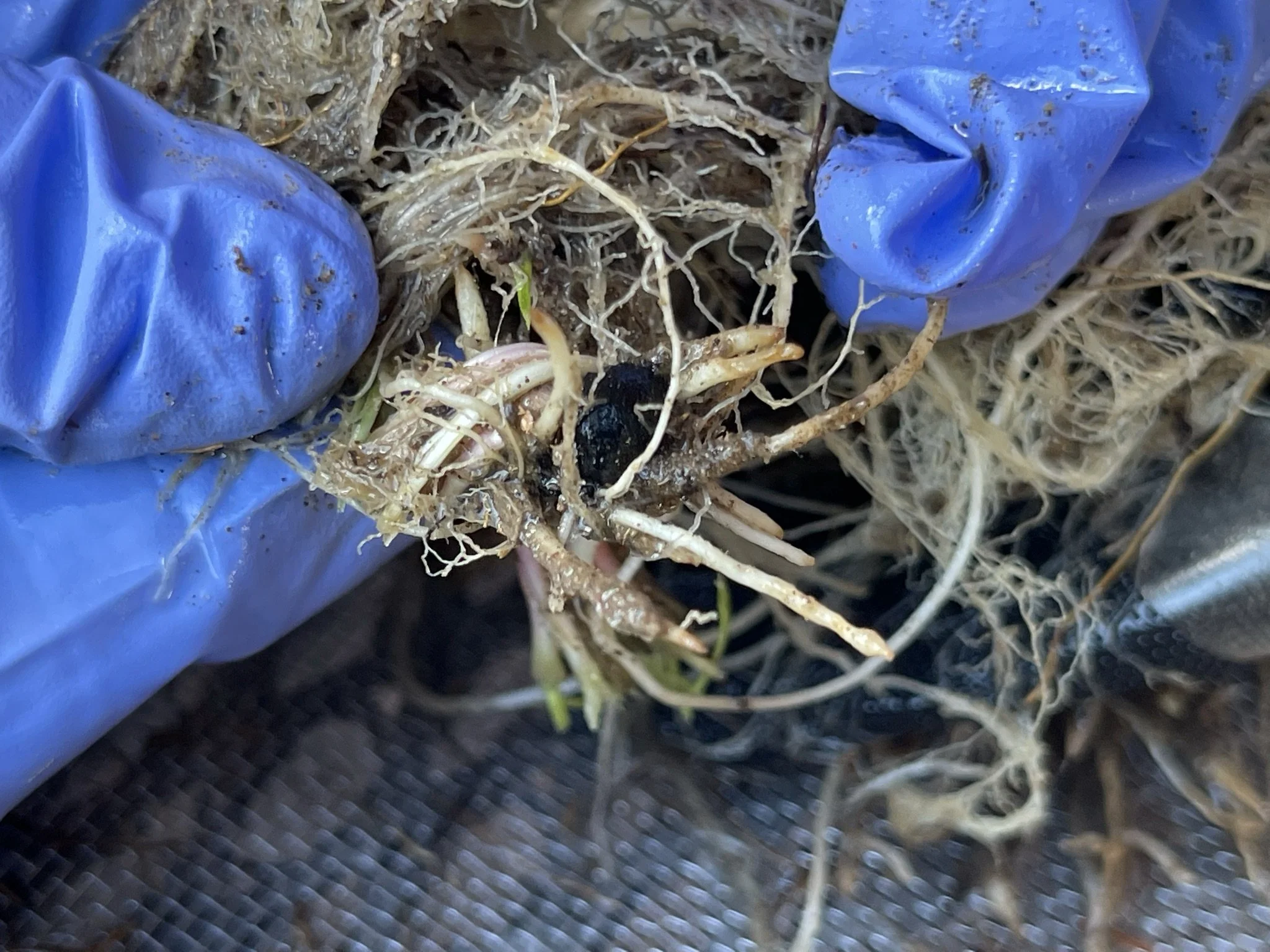
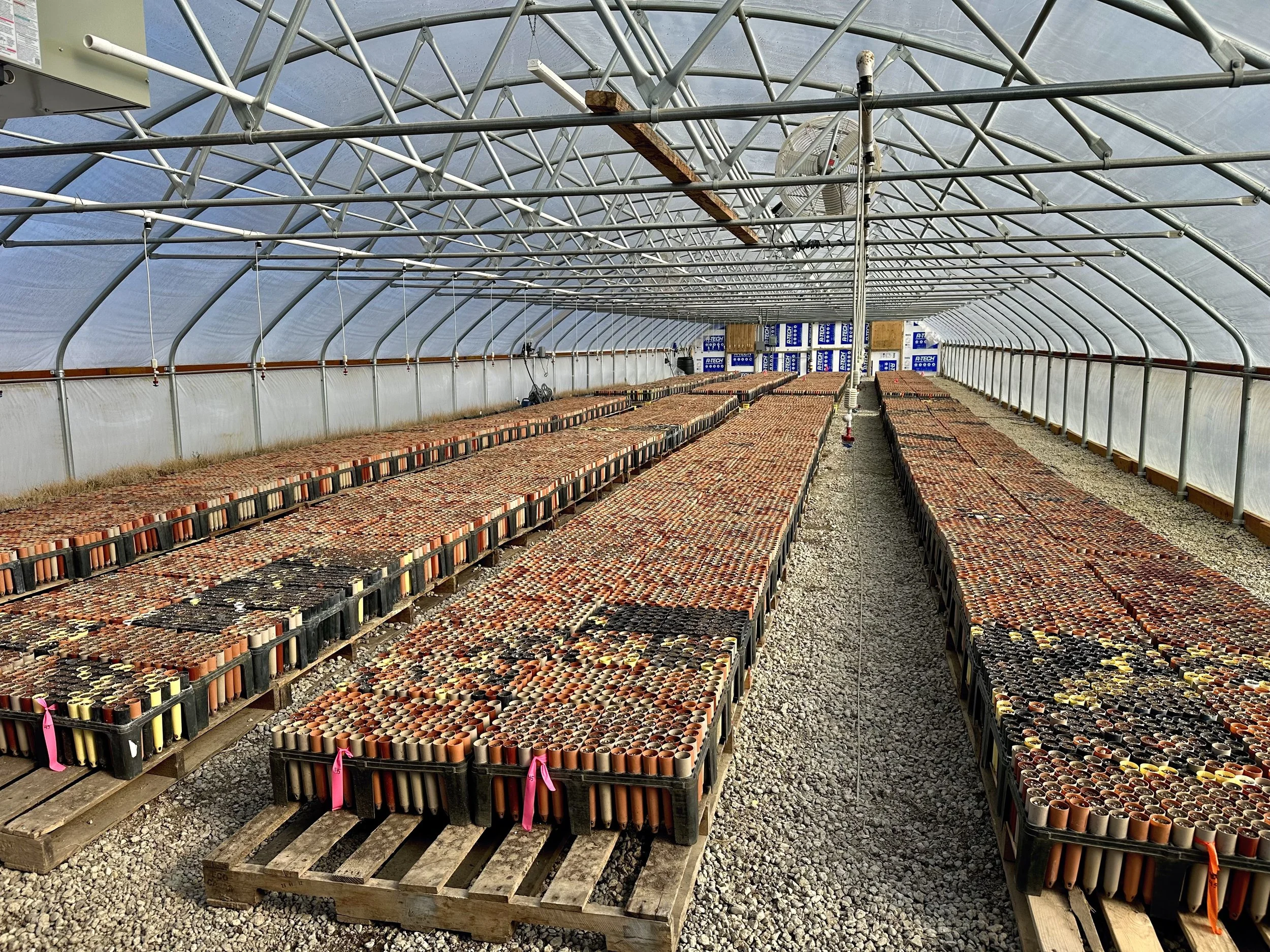
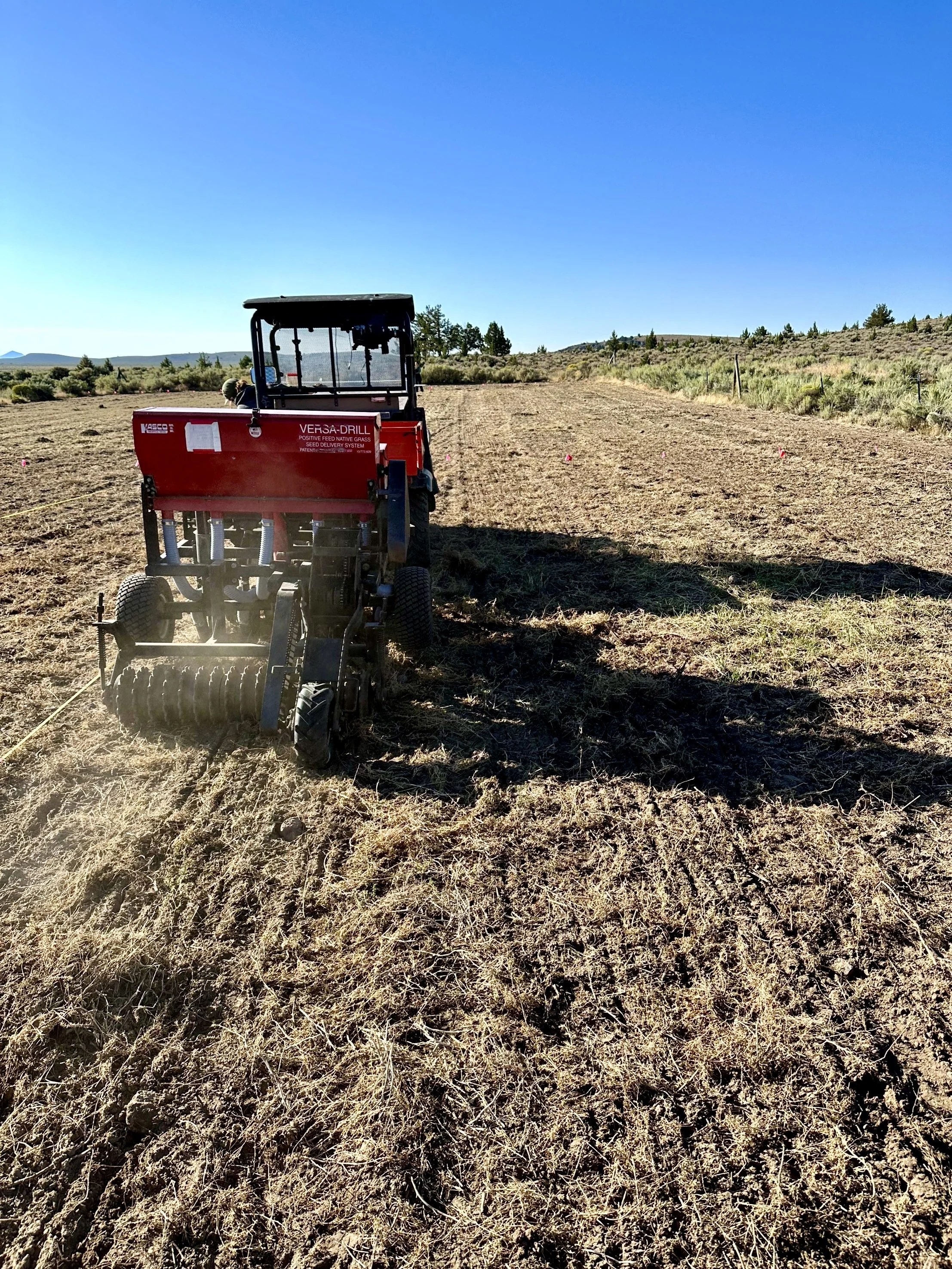
I'm proud of the collaborative research and restoration projects I've been part of throughout my career. Looking back, though, the most rewarding experiences have been mentoring others and contributing to projects with lasting benefits for communities, particularly my work with Tribal Nations in Arizona supporting long-term water rights planning and resource stewardship.
What do you wish people understood about working with native plants?
I think there's a common assumption that because a plant is native, it should be easy to grow or establish. In reality, many native species have very specific requirements, and successful establishment is influenced by everything from soils and climate to competition, historical land use, and ongoing management practices. Understanding these challenges is essential to developing restoration approaches that work in the real world.
What else would you like people to know about you?
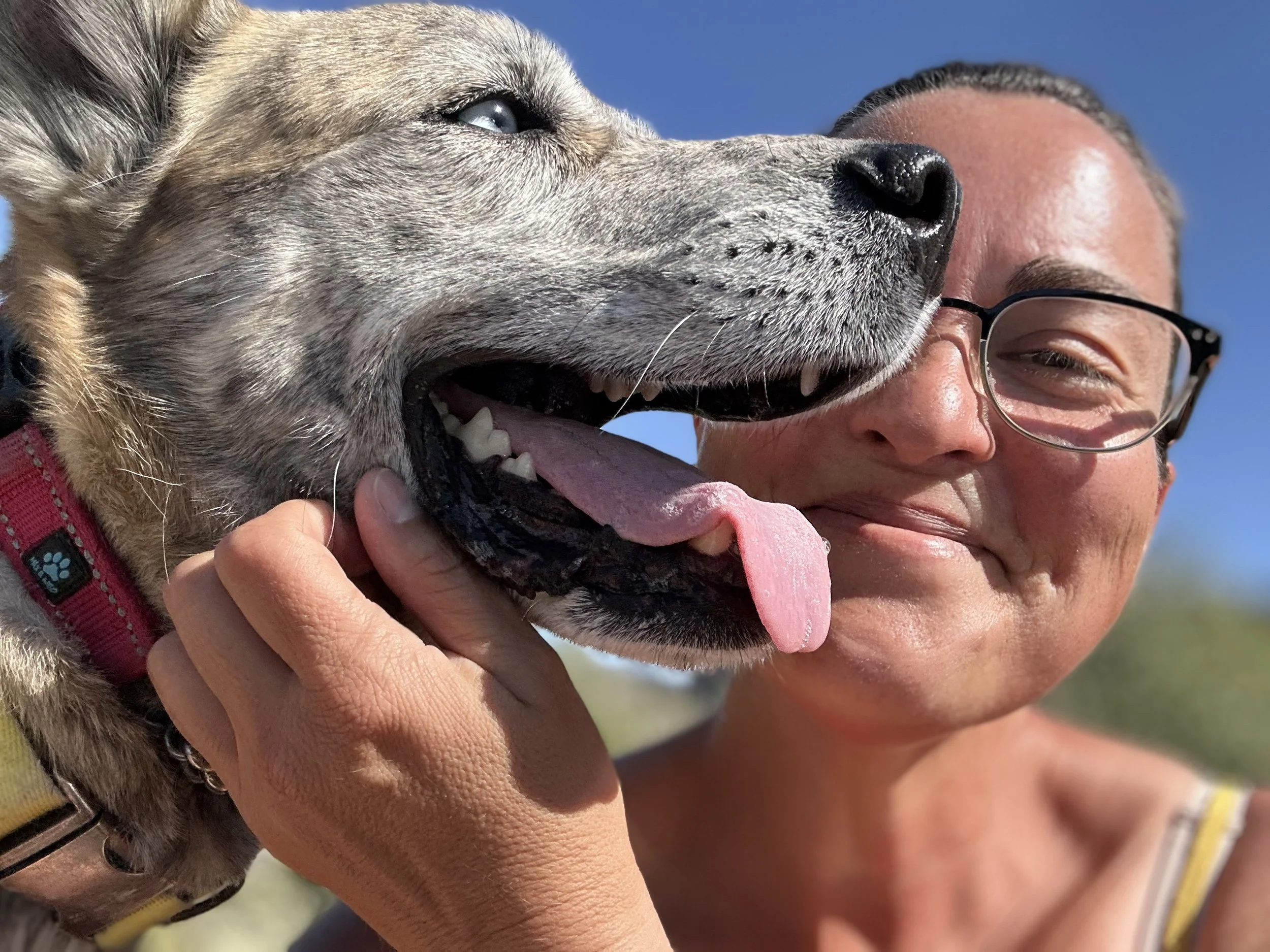
Outside of work, I spend as much time outdoors as possible, usually hiking or exploring somewhere new with my Dutch Shepherd, Xena. We've covered a lot of ground together across the West, and she's rarely far from my side.
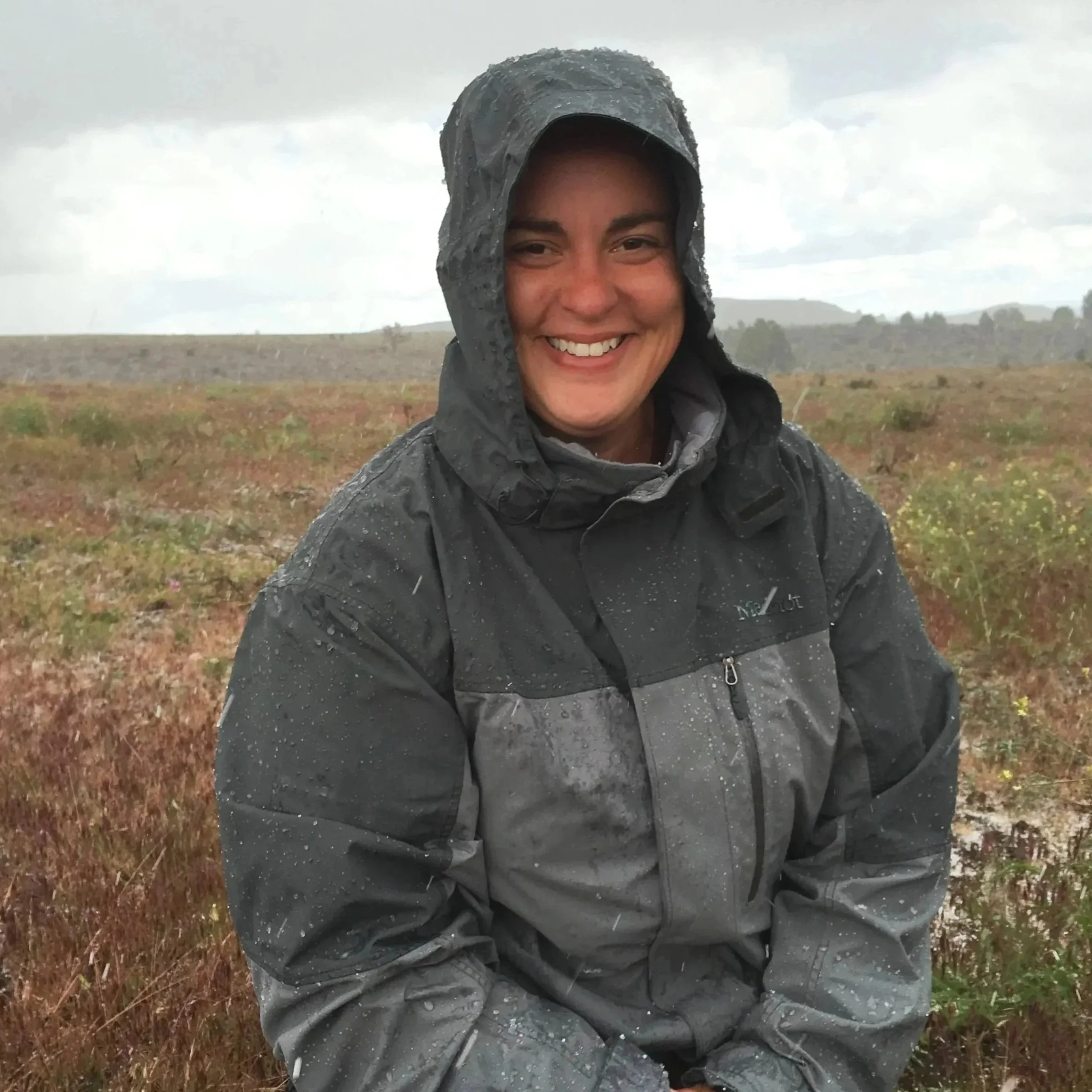
Roxanne joined Sageland Collaborative in October 2026, bringing more than 15 years of experience in botany, rangeland science, and natural resource management throughout the western United States. Her work has focused on applied research, native plant establishment, and developing practical approaches to conservation and habitat restoration.
Interview by Sierra Hastings
Photos shared by Roxanne C. Rios