
A Season of Restoration with our Riverscape Technician
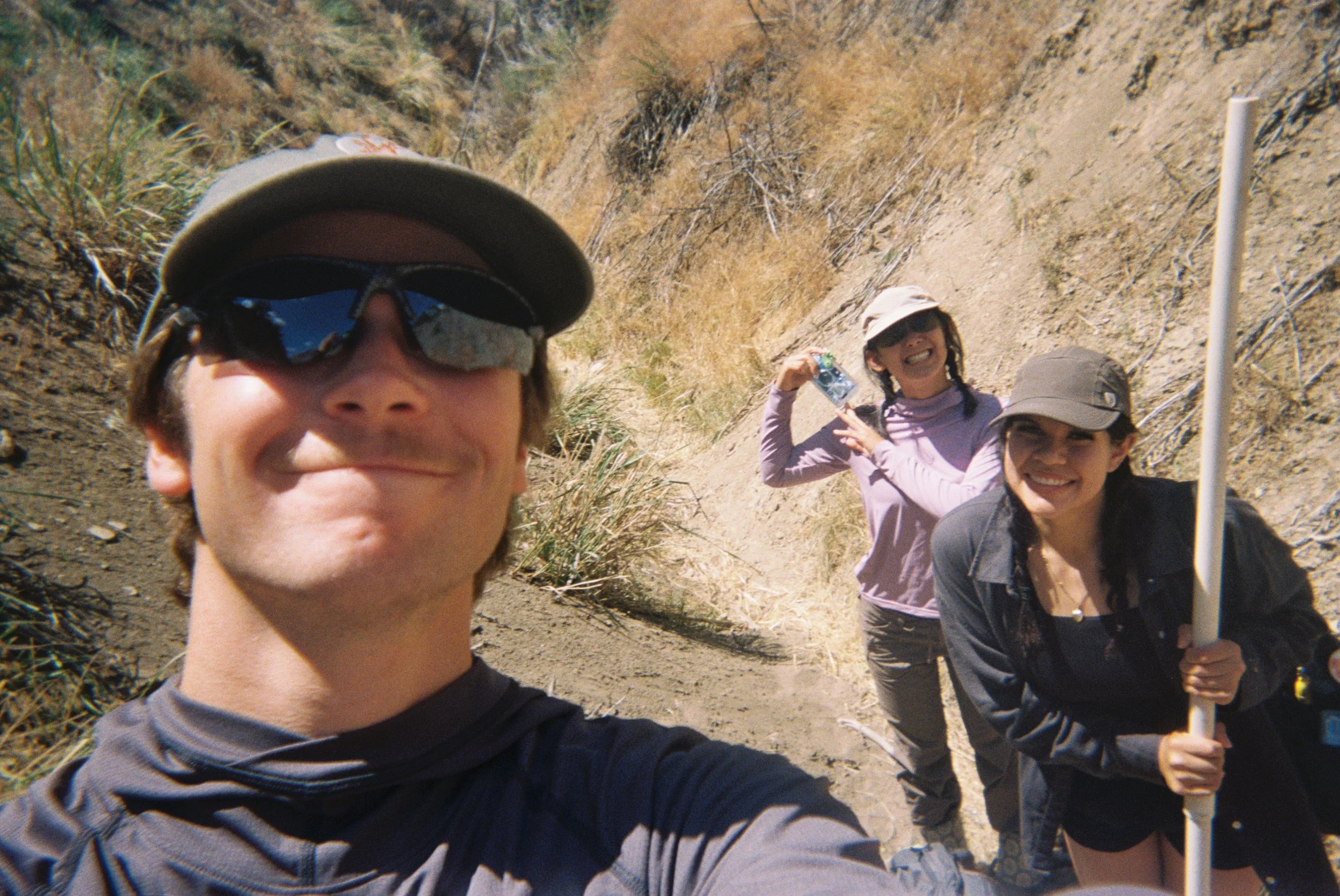
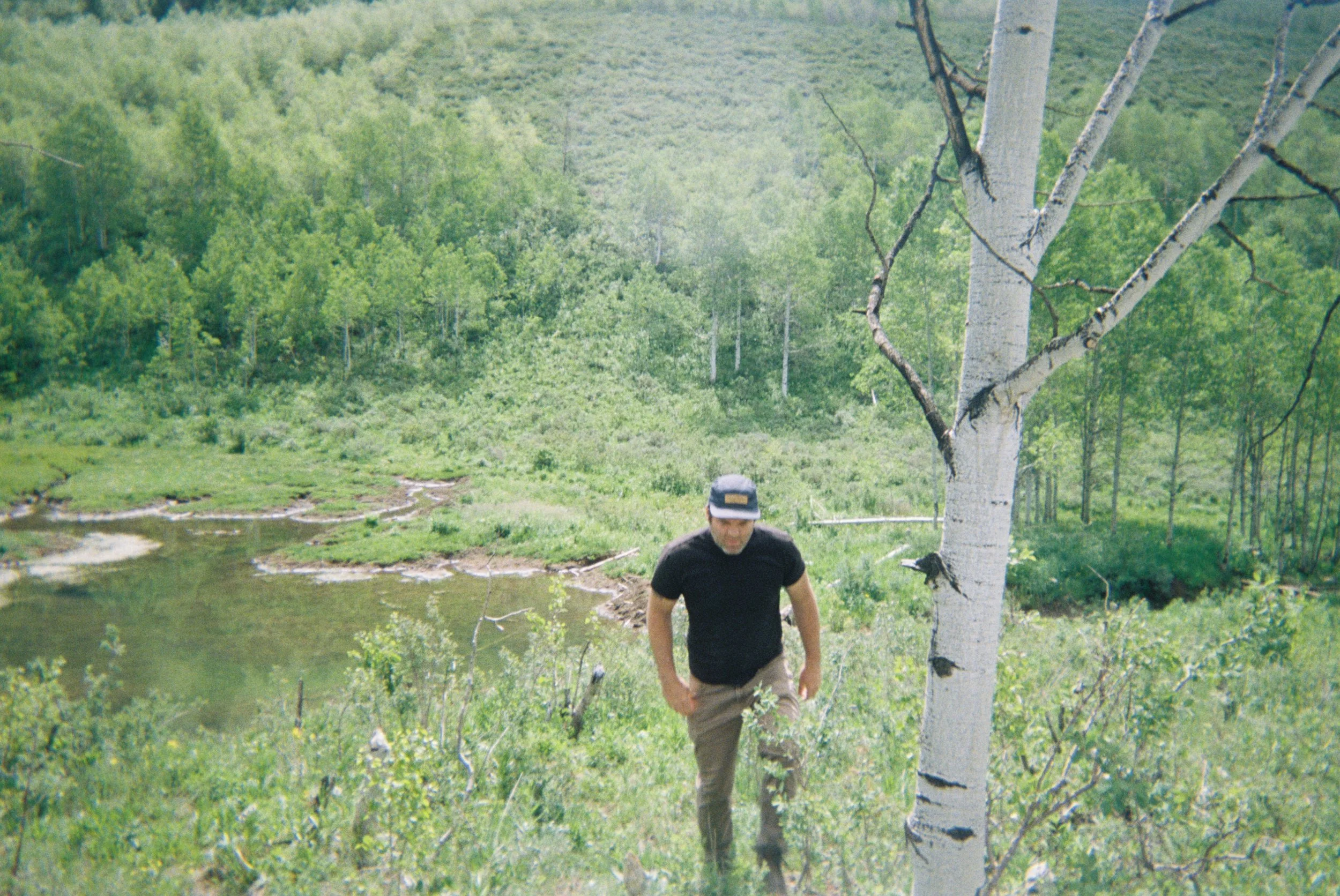
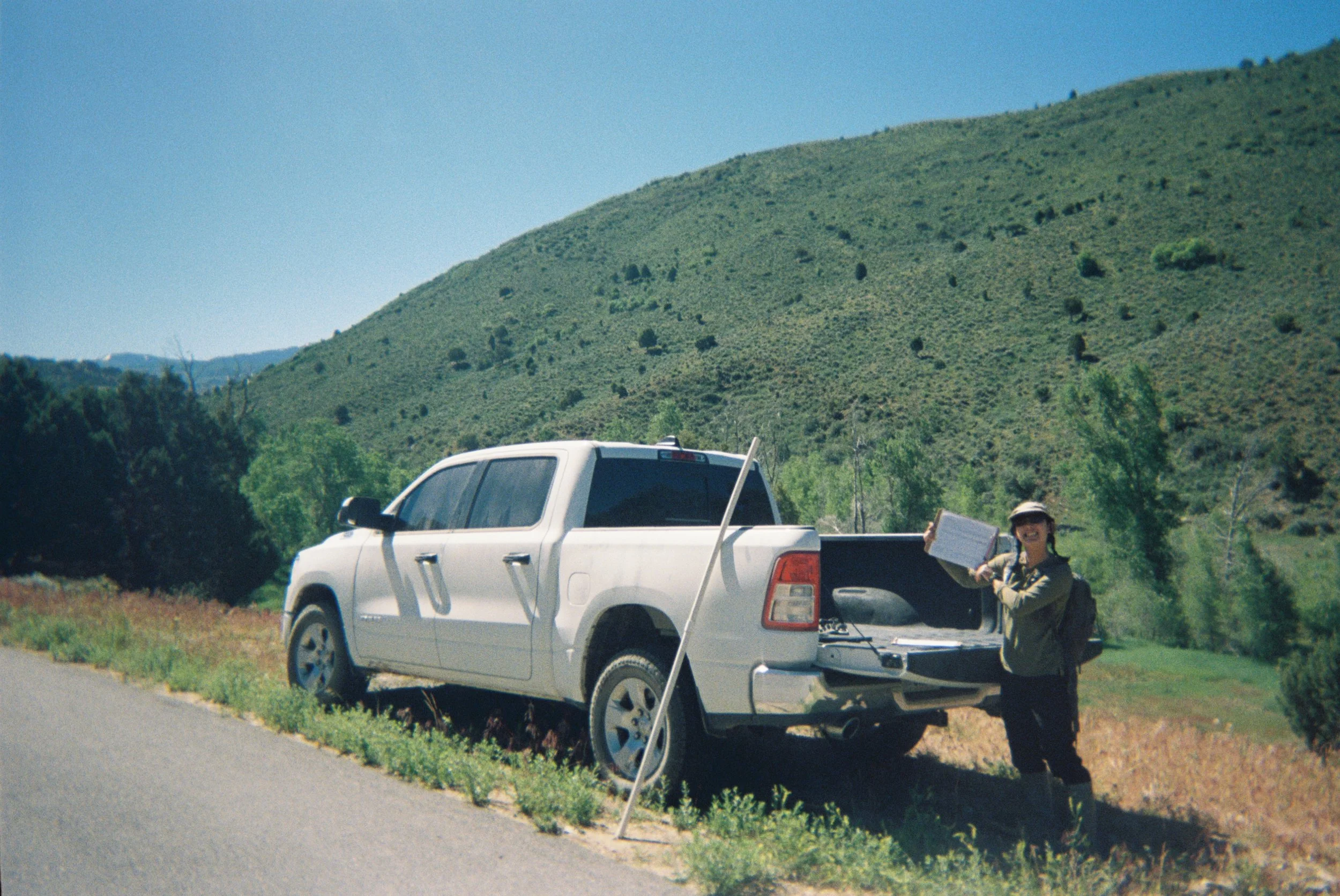
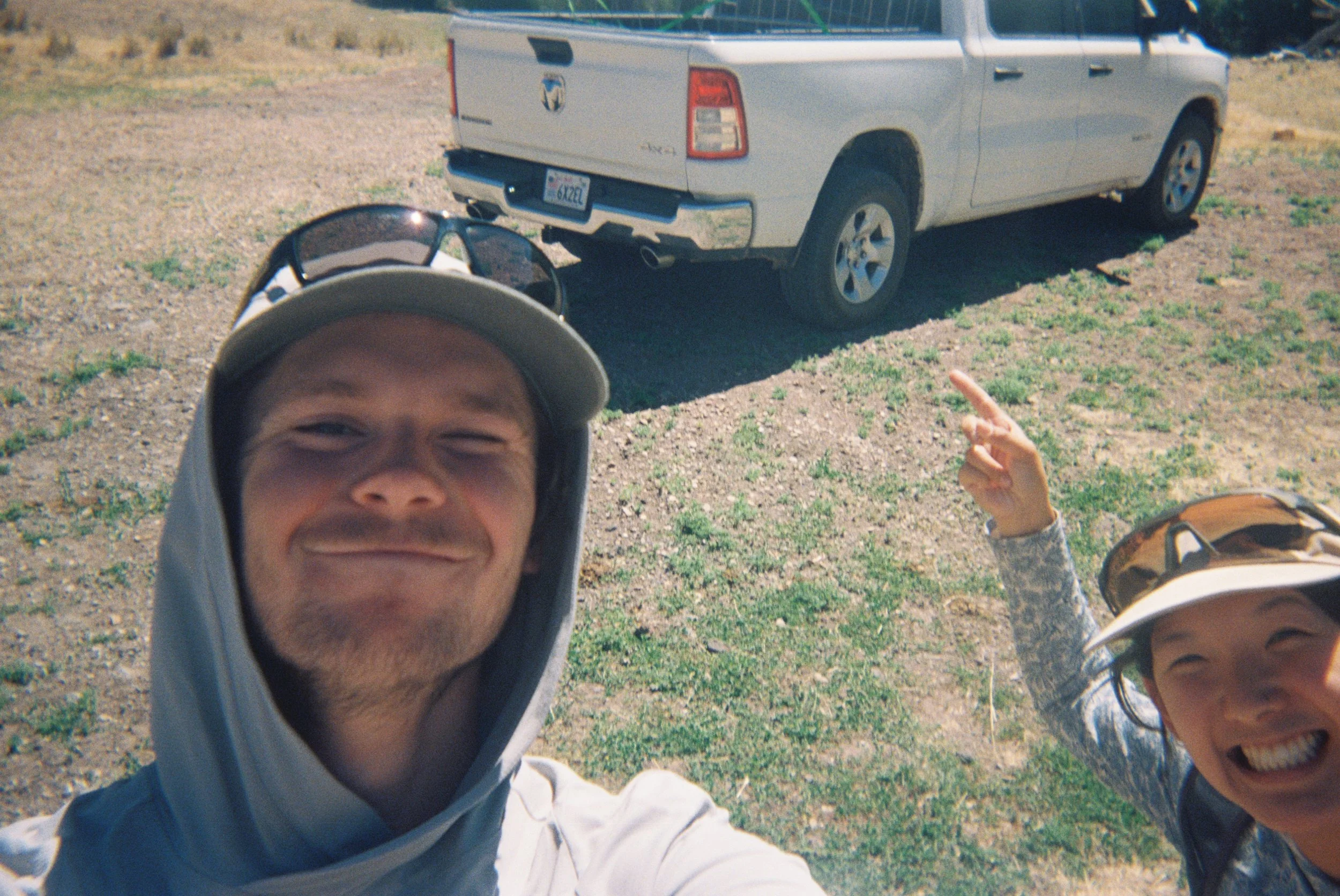
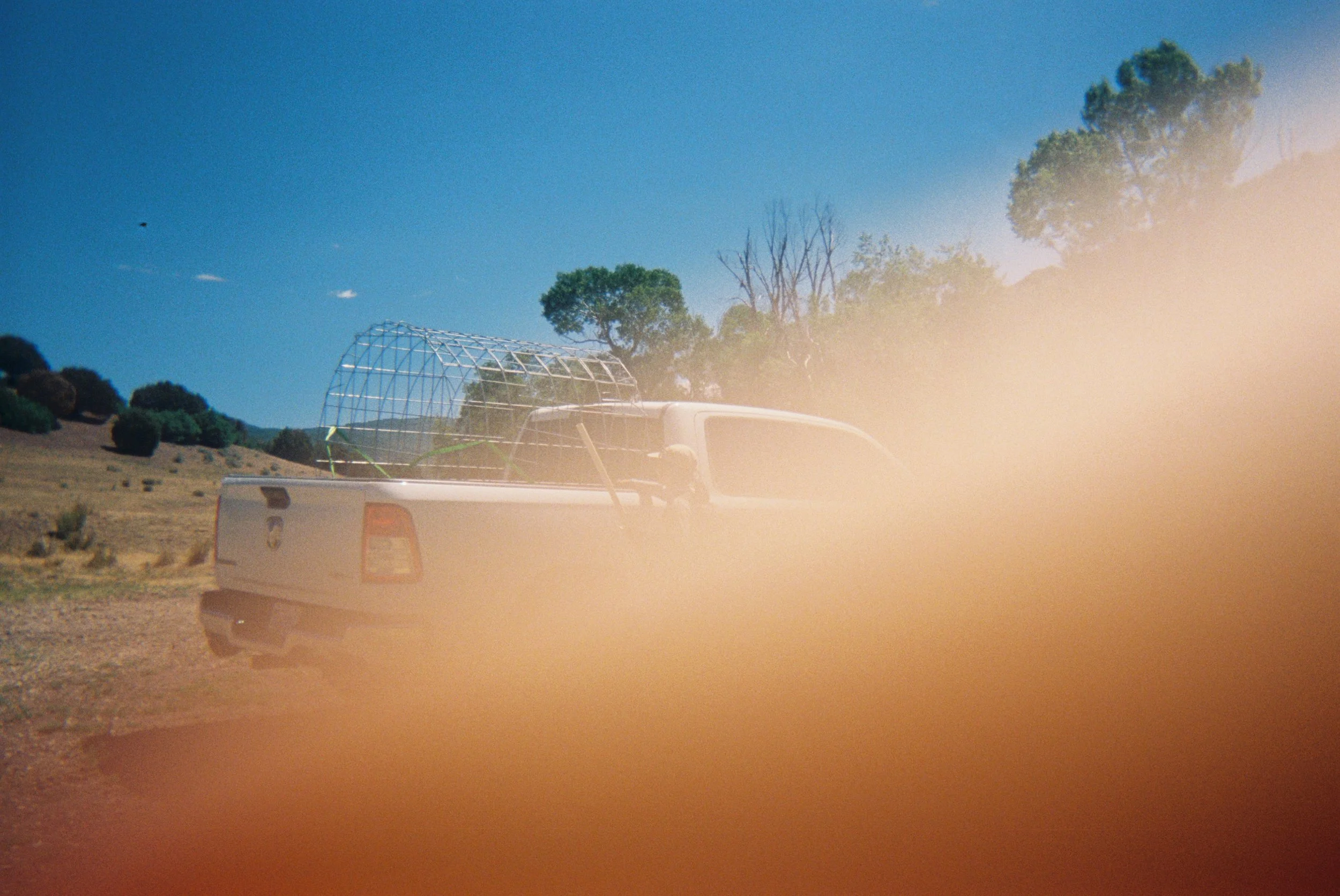
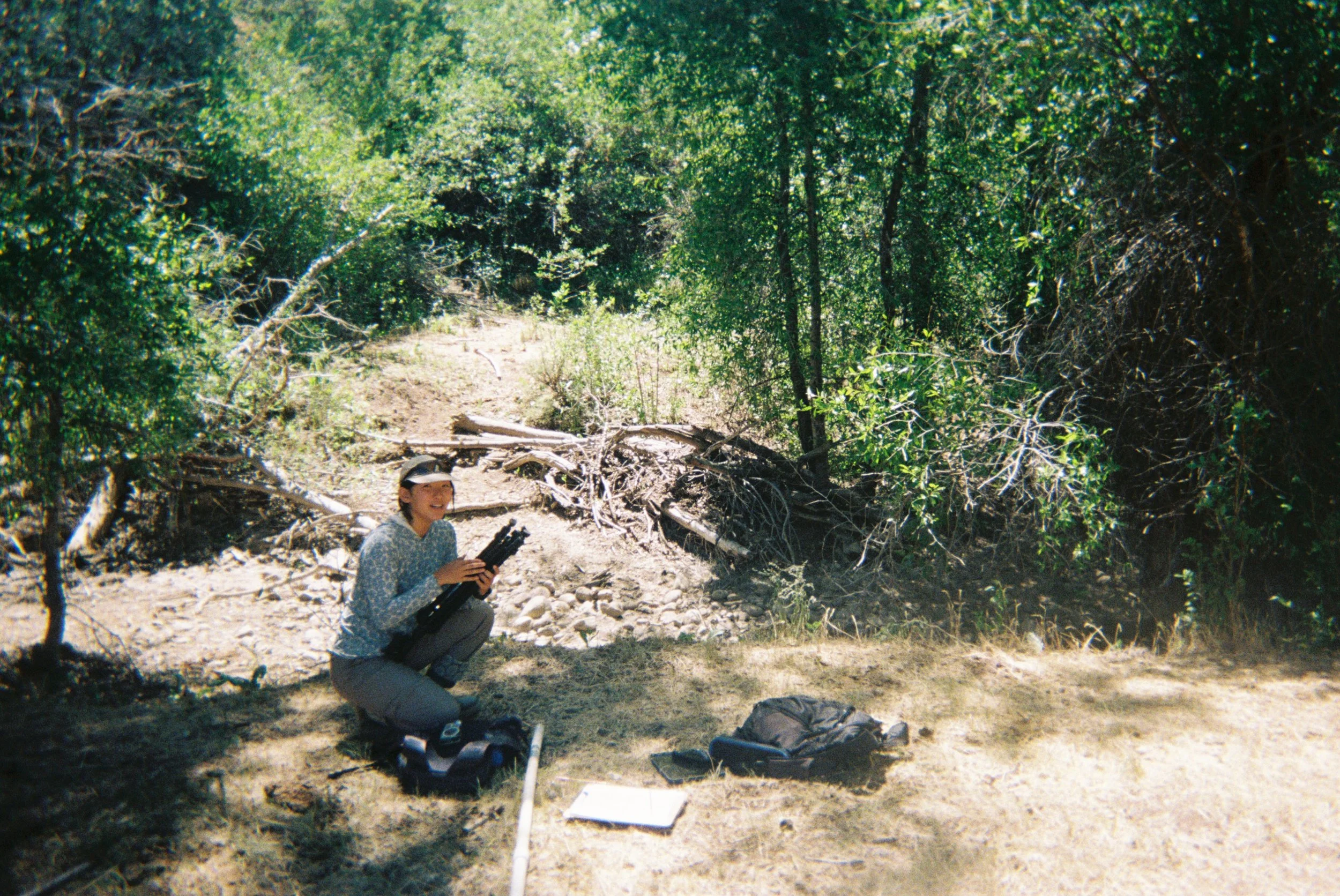
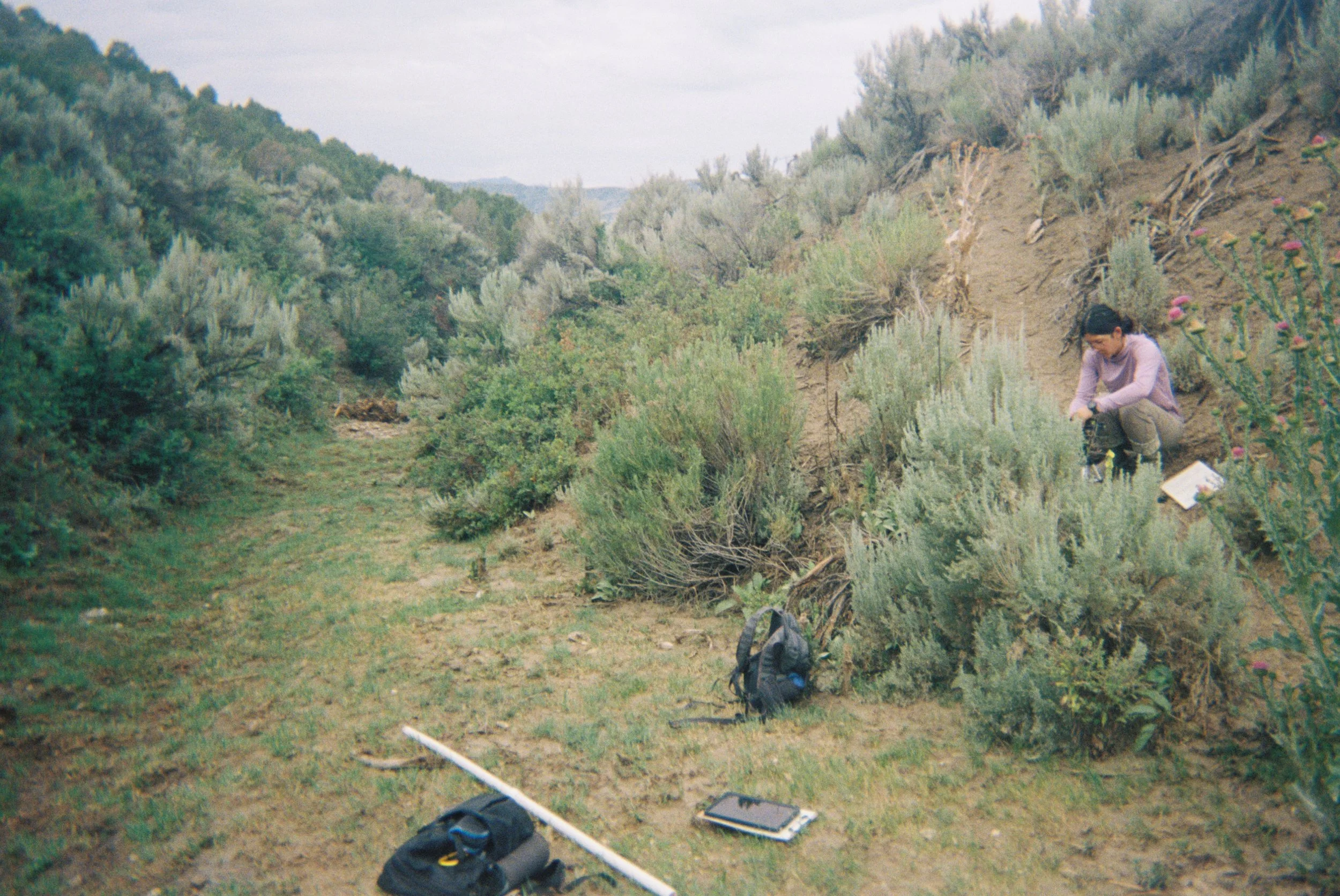
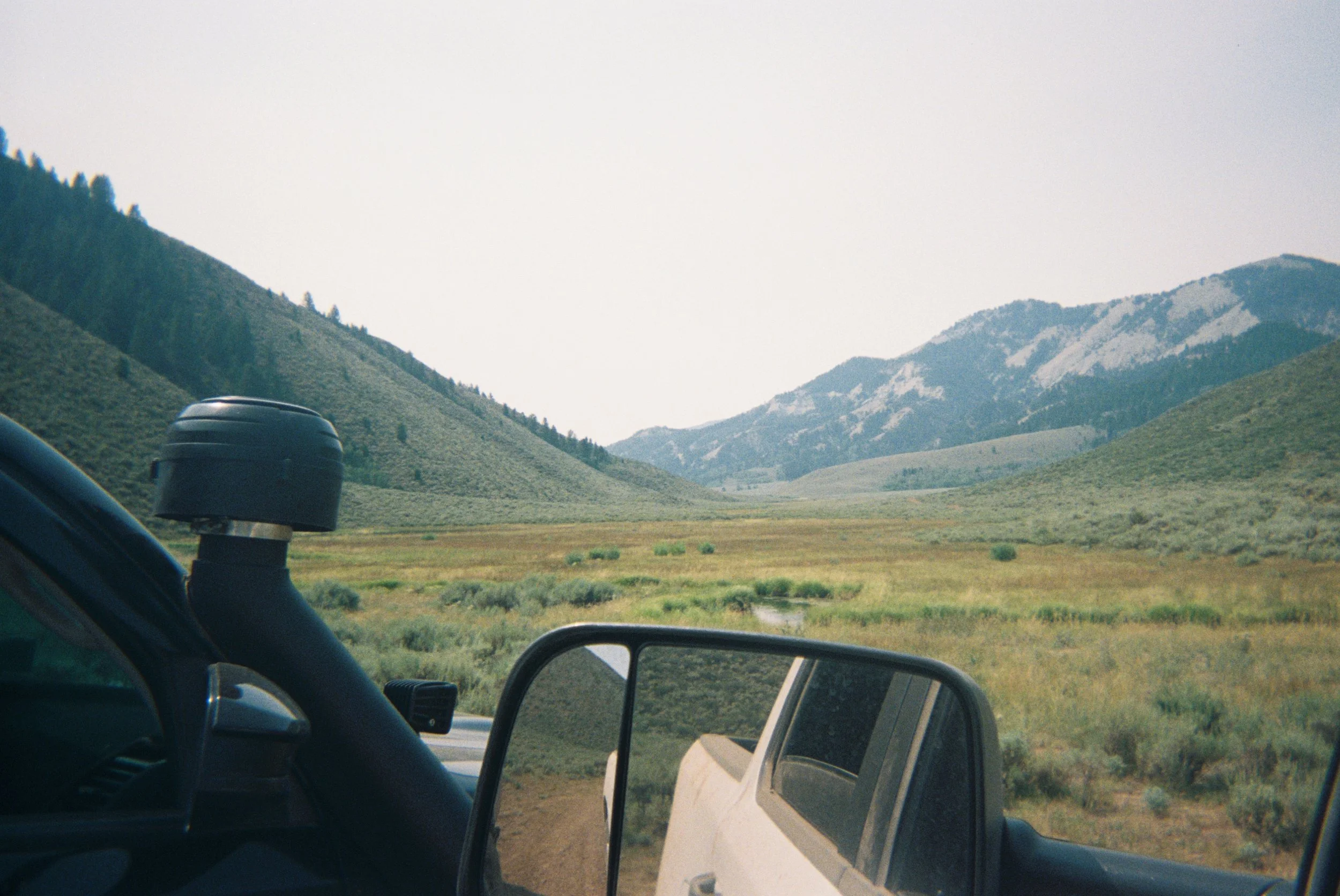
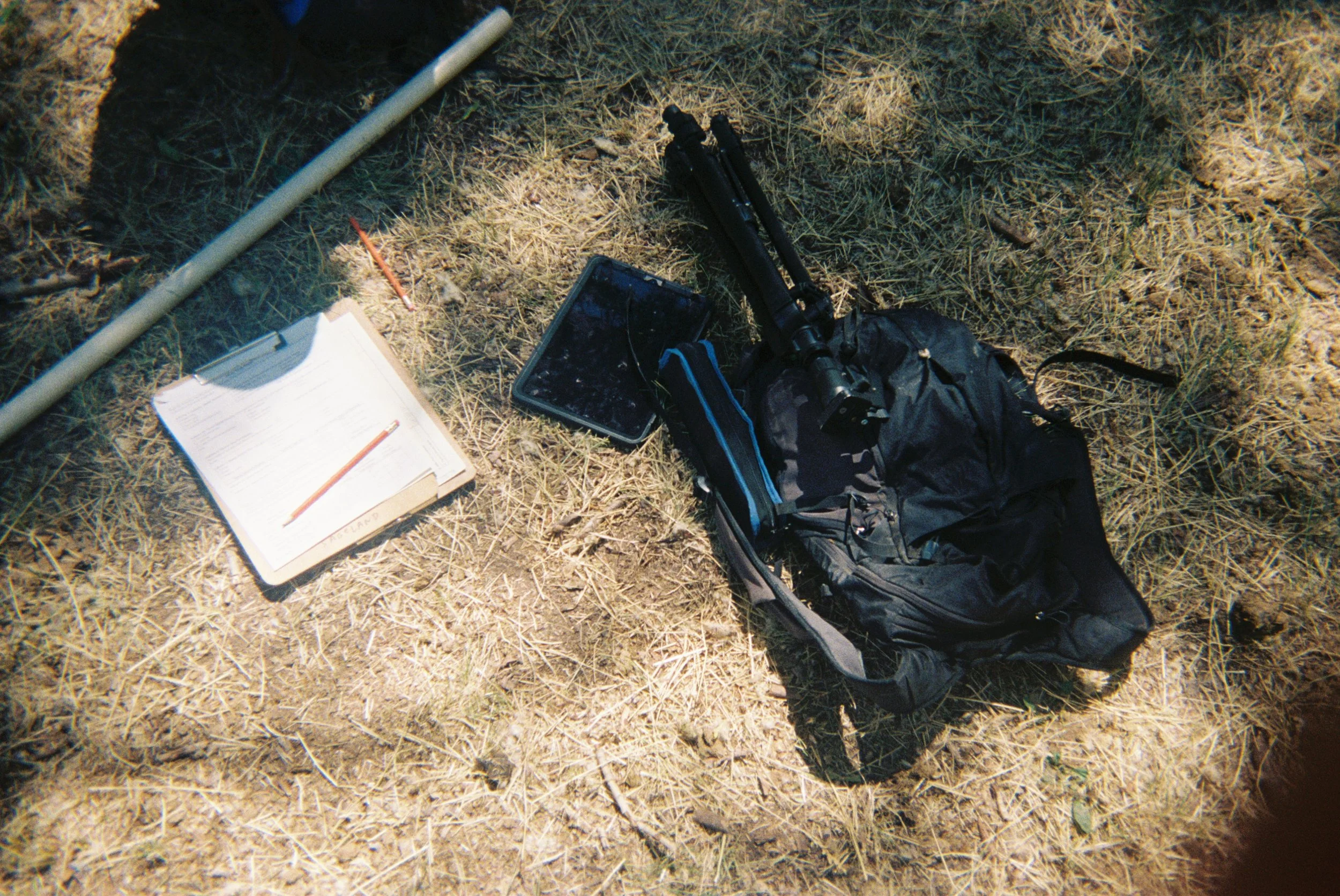
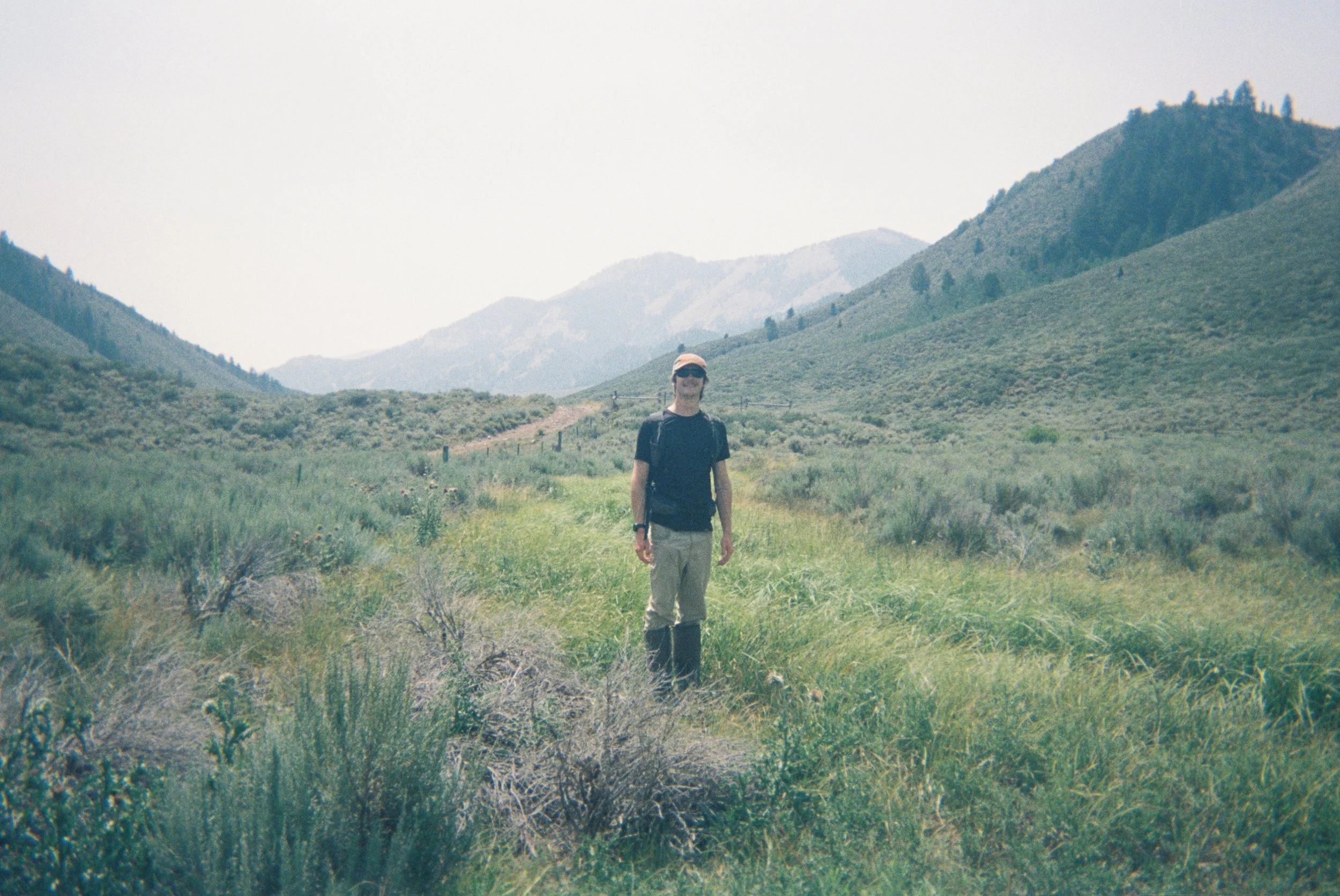
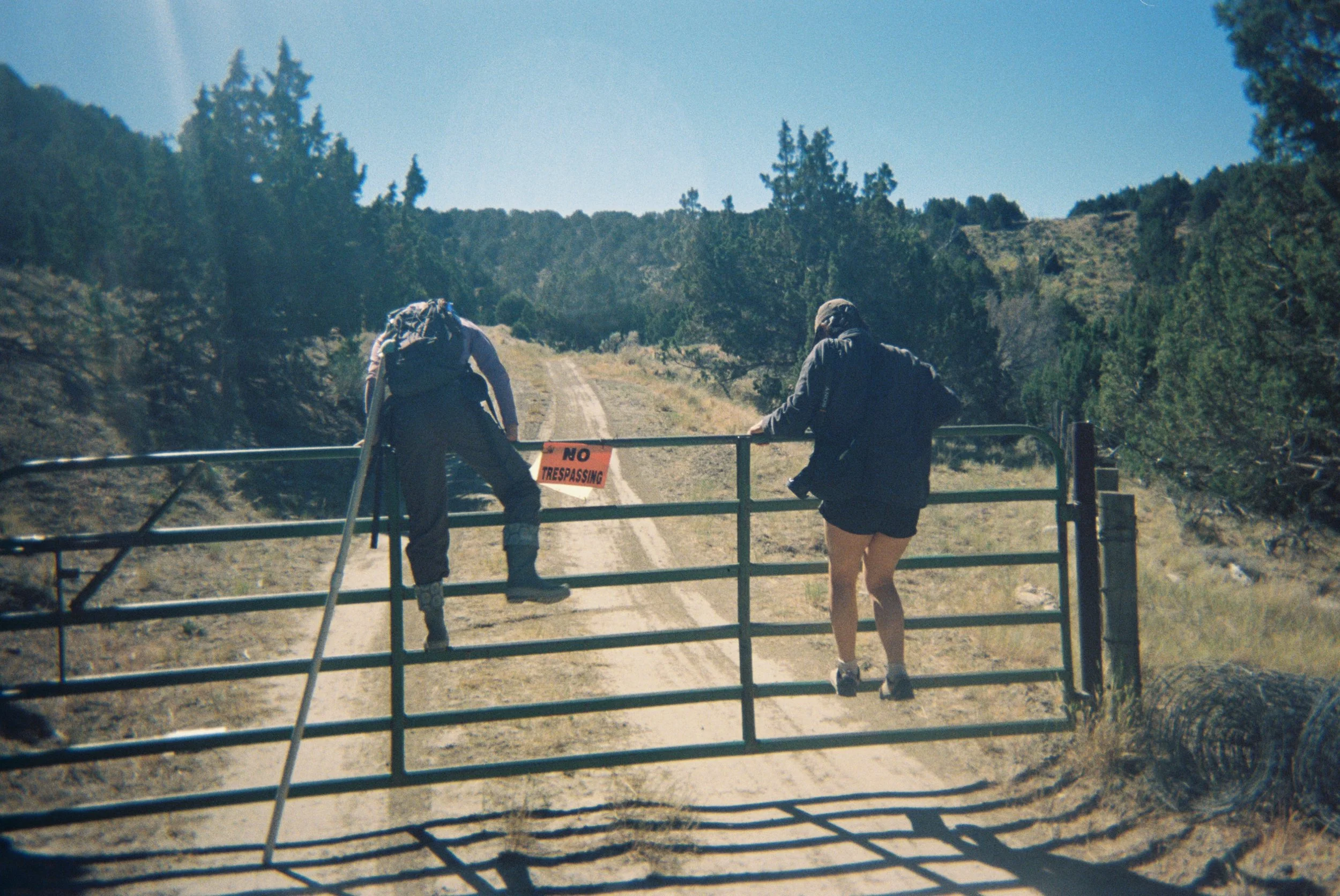
At the beginning of our busy field season, we equipped each of our seasonal staff with a waterproof film camera so that they could capture their unique Sageland Collaborative experience.
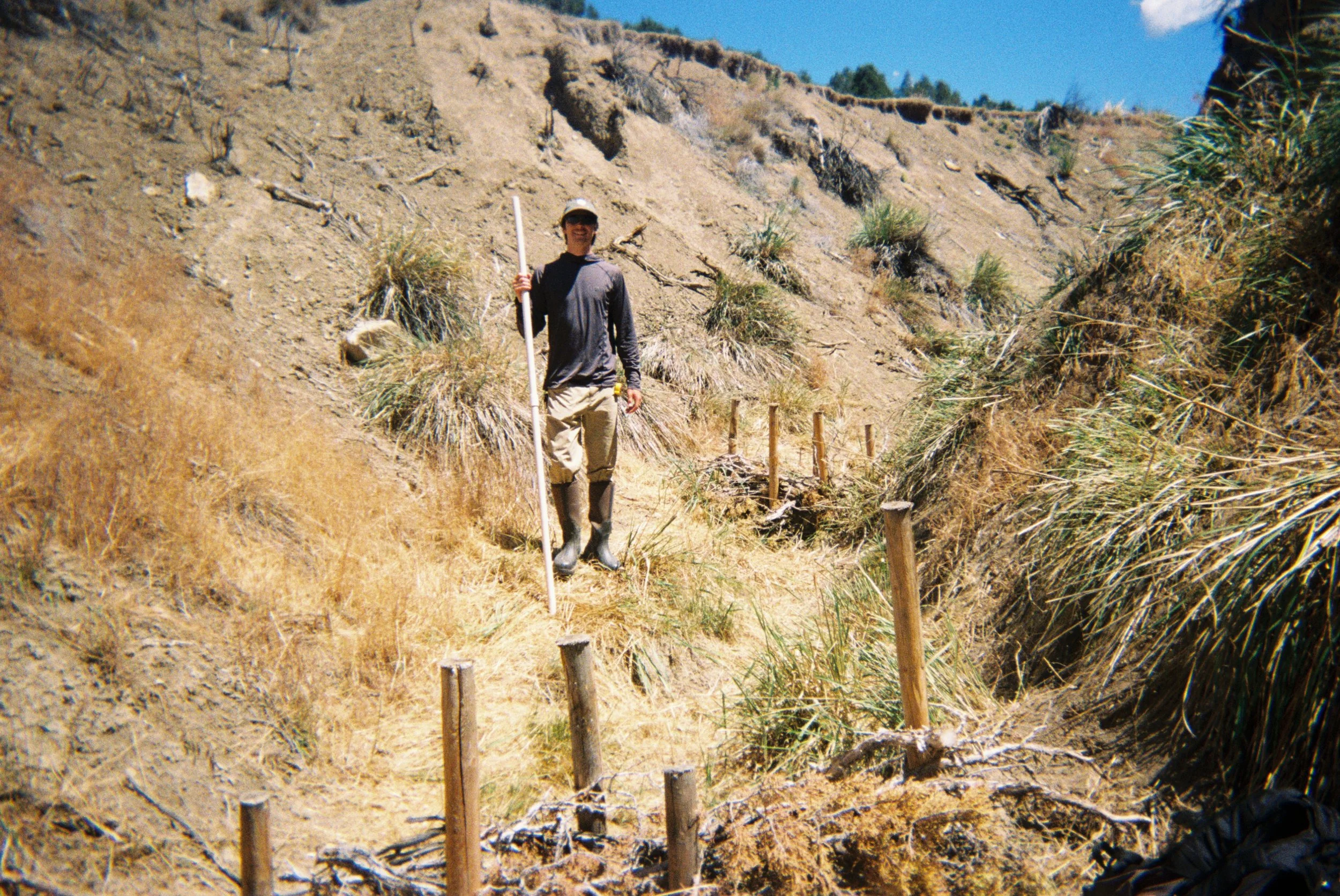
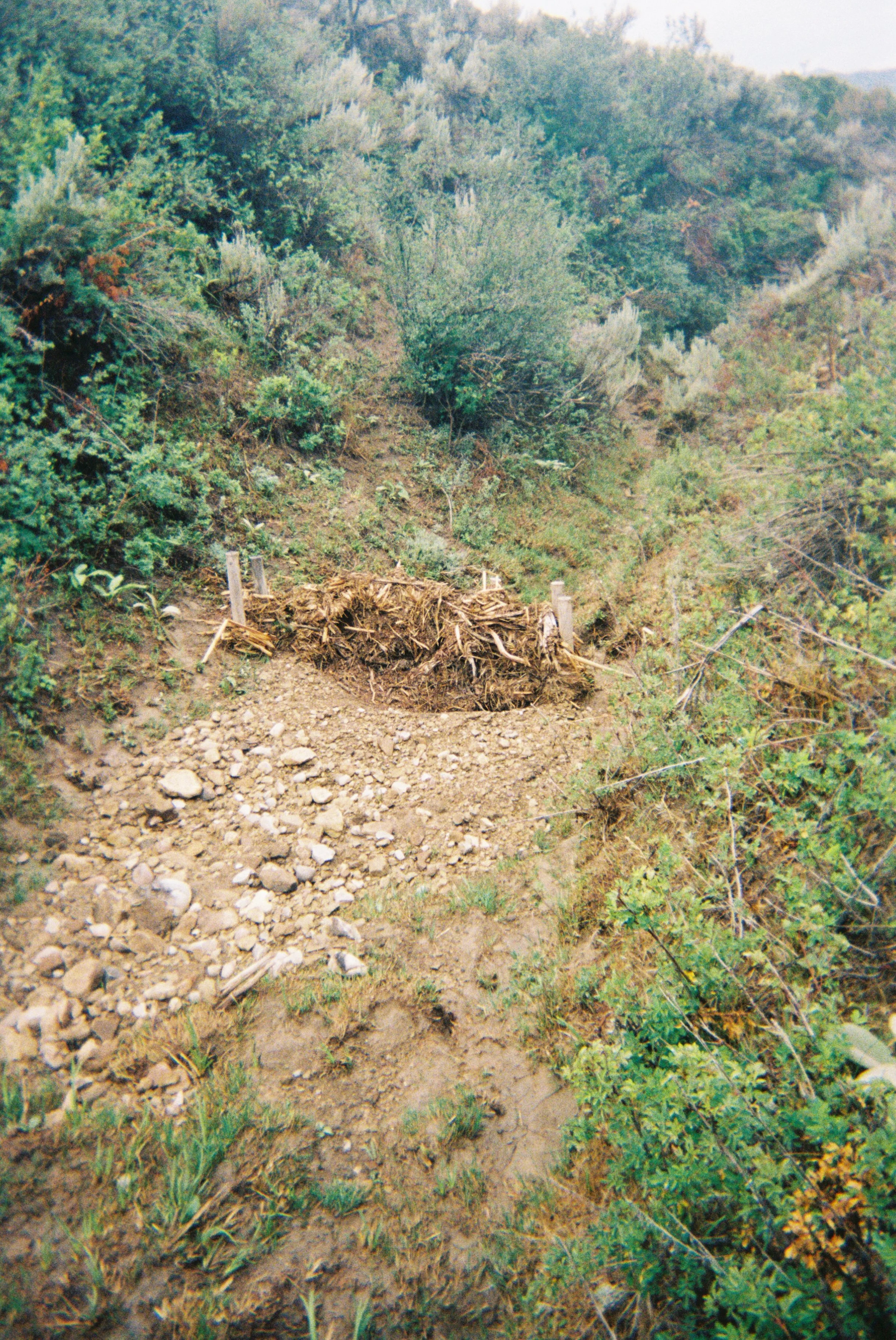
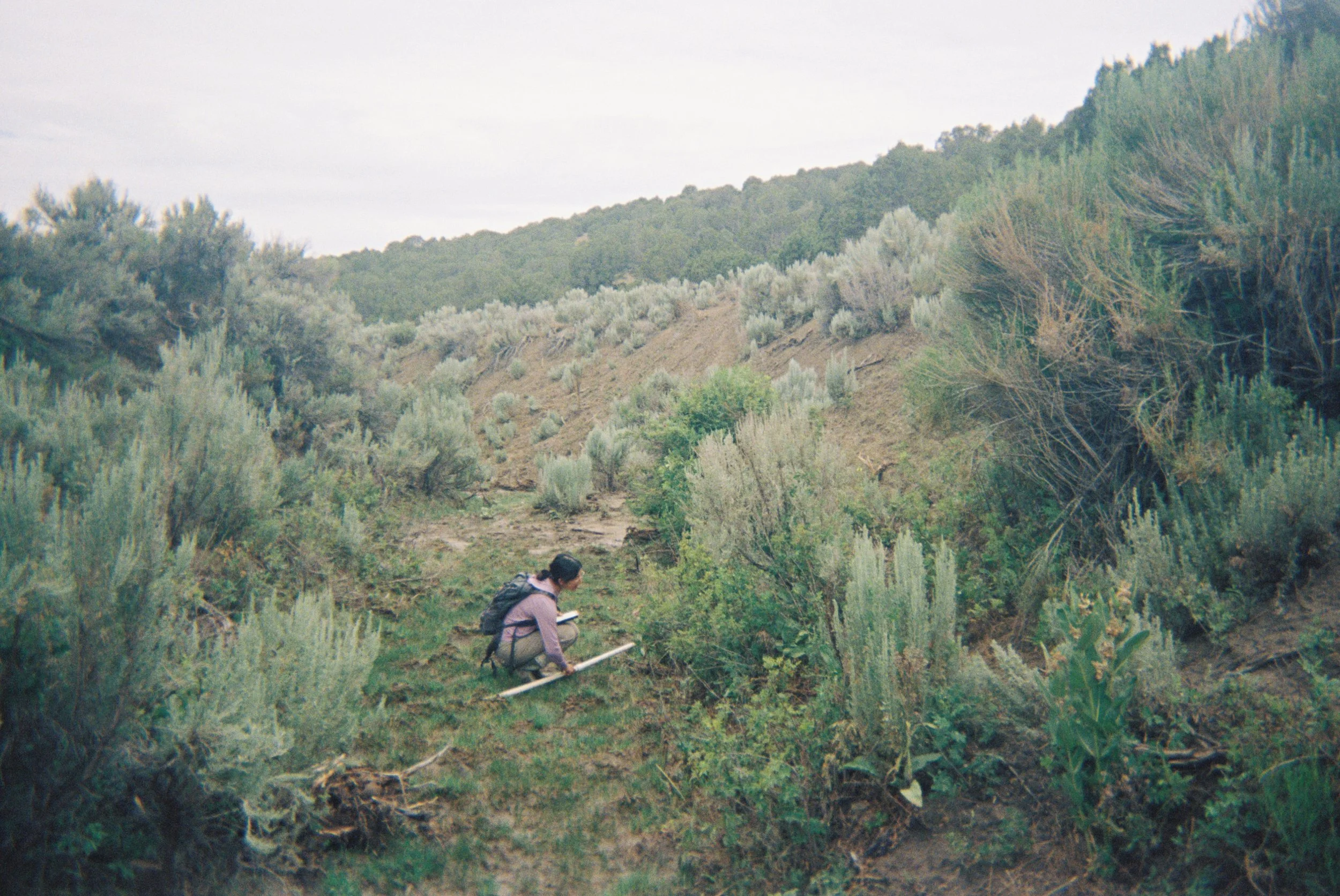
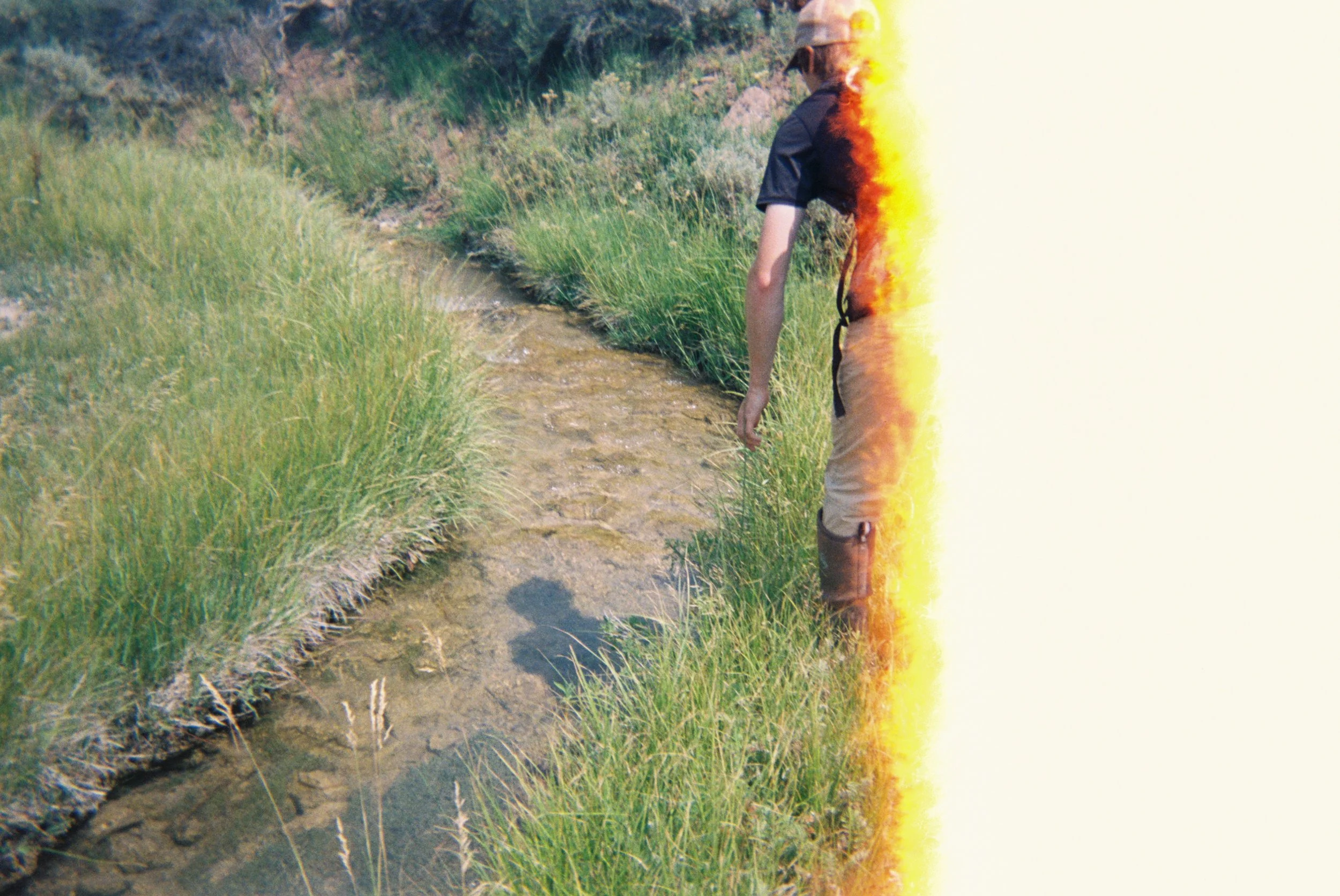
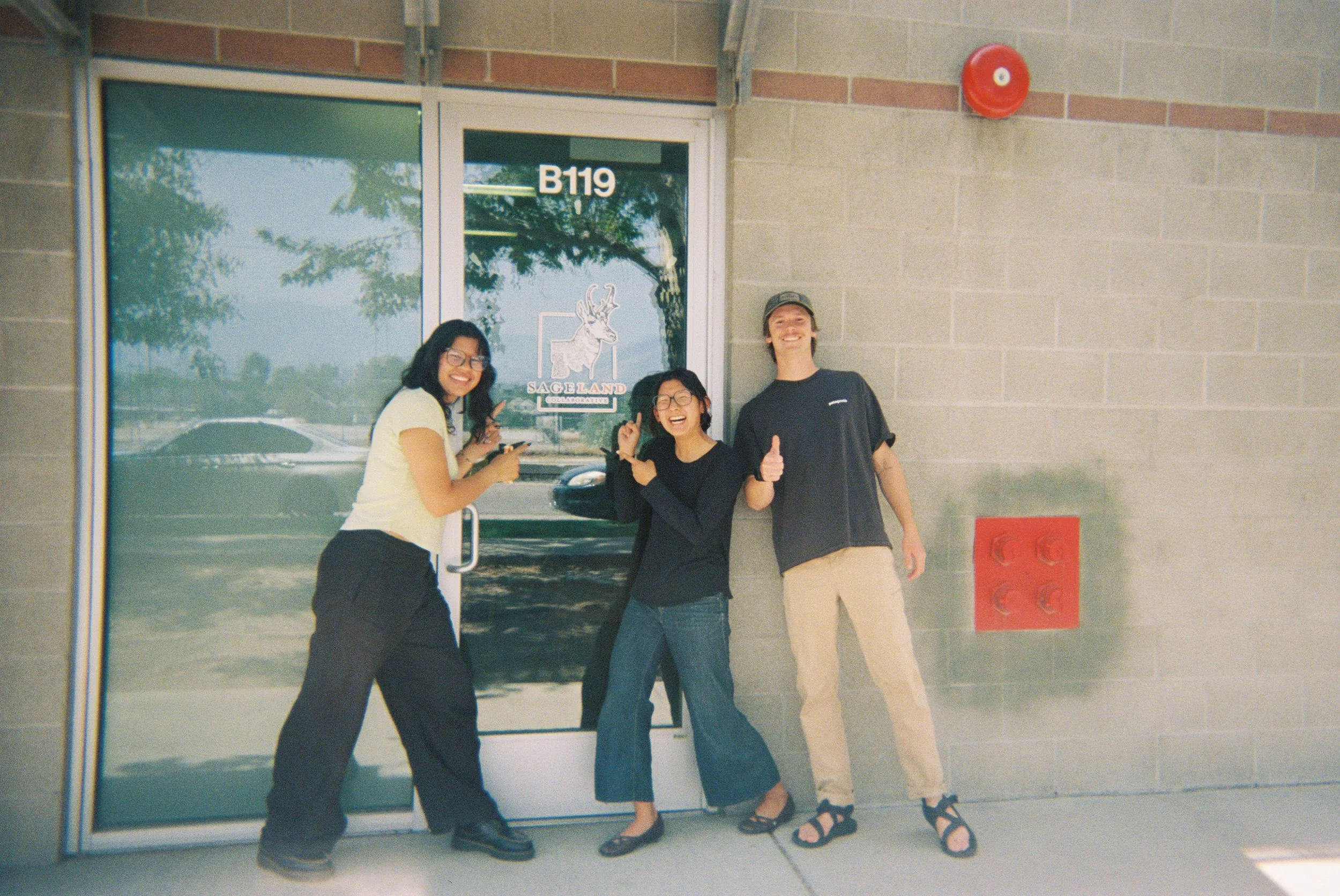
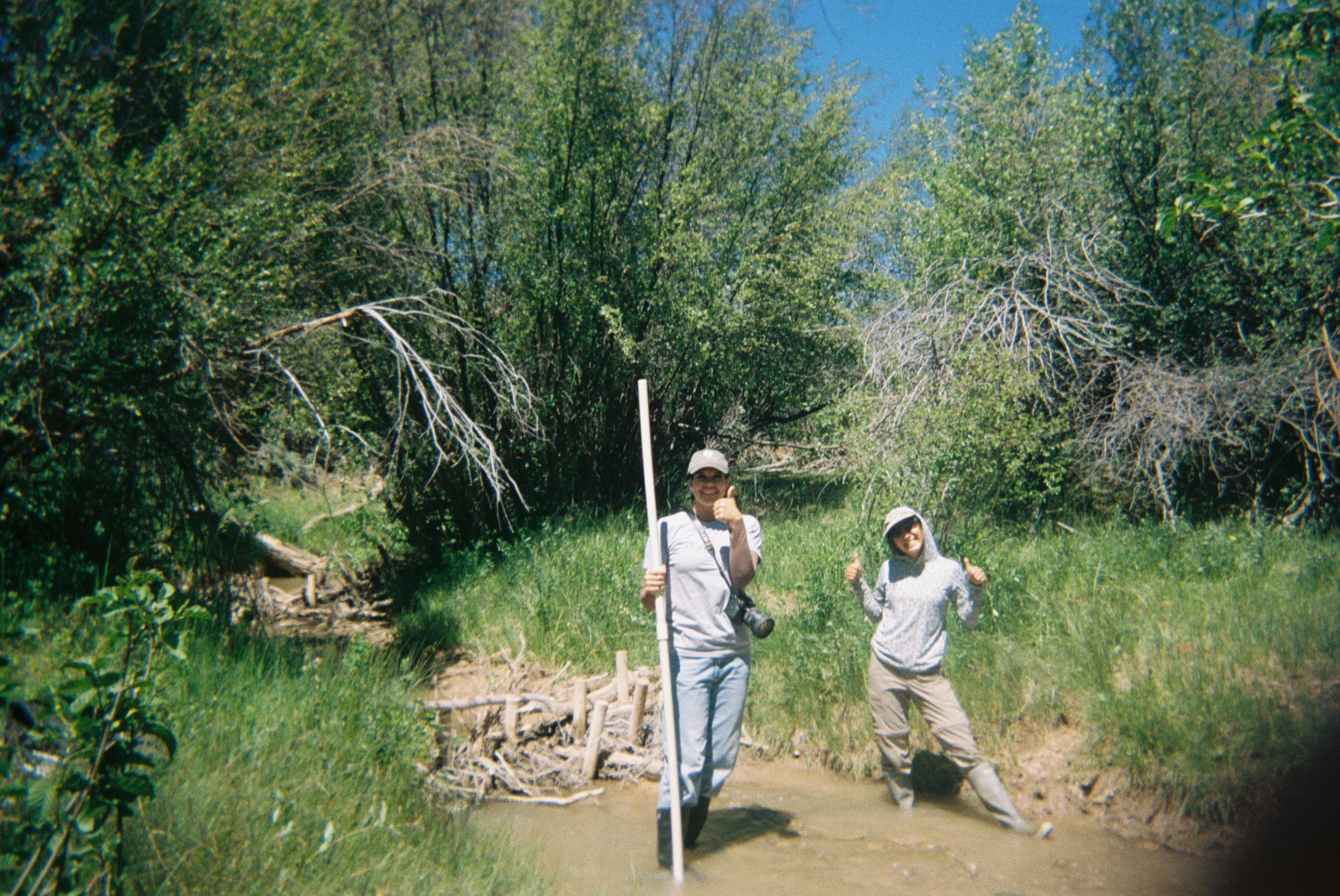
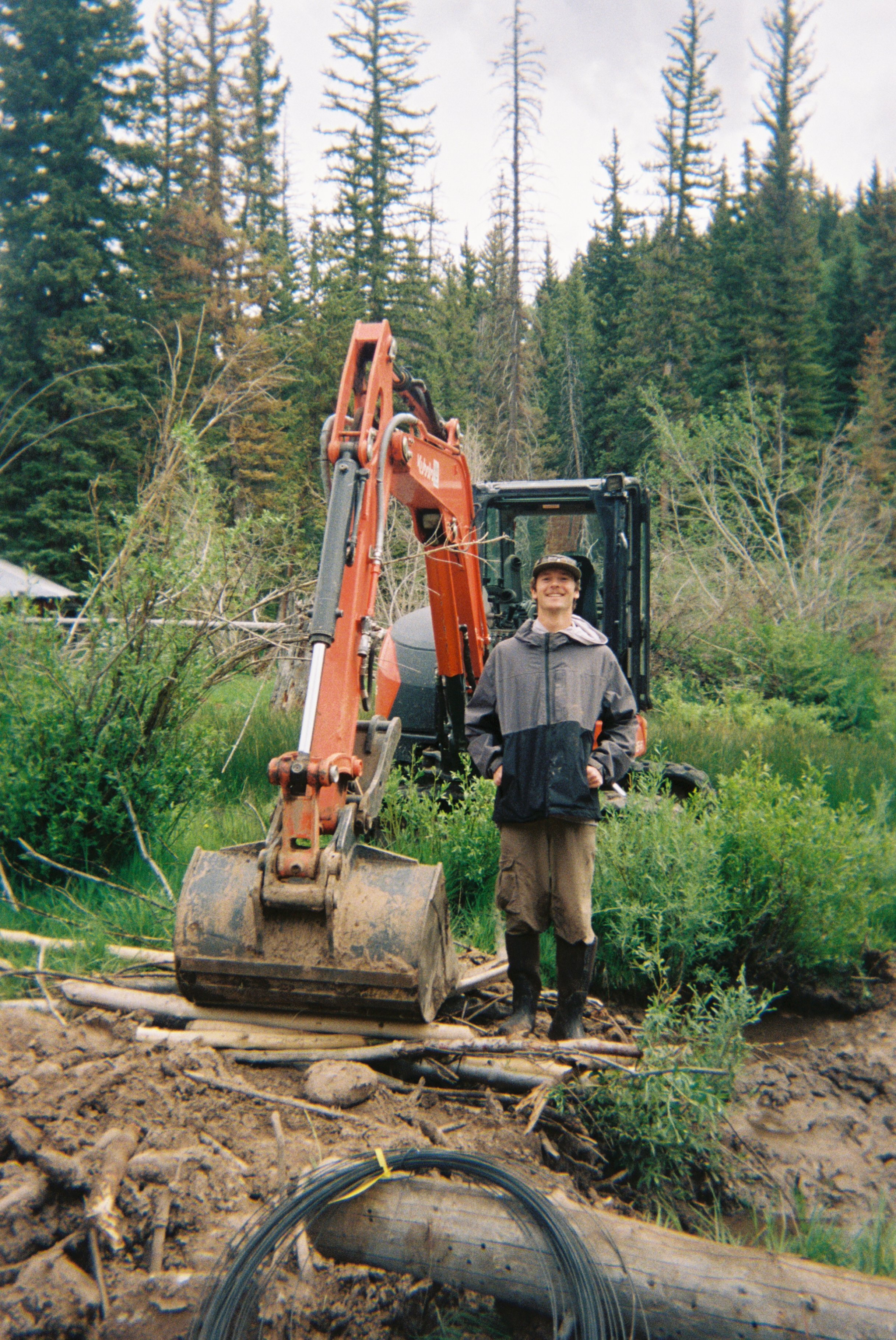
For our Riverscape Restoration technician, Elan, this meant conducting pre- and post-restoration monitoring at restoration sites, supporting “living with beaver” efforts across the state, and providing hands-on support during volunteer events. From building flow devices in the Weber headwaters to working alongside volunteers to heal degraded streams, Elan has been a vital part of the Sageland team this summer!
Get a glimpse into Elan’s seasonal experience with us through his photo blog and interview below:
What has been your main takeaway from your time working with Sageland Collaborative?
I have learned so much from my time with Sageland that it feels hard to narrow it down to a single thing. It may sound cliché, but one of the biggest takeaways I’ve had is the importance of collaboration within conservation work. Through this role, I have seen firsthand how much more successful on-the-ground conservation efforts can be when there are multiple parties involved. Collaboration is essential not only for getting work done, but also for fostering a community of like-minded individuals who want to do it for the right reasons. It has been amazing to interact with so many partners and organizations who are motivated by a shared desire to make a difference. It has also been so cool for me to see how important this work is not just for the environment, but also for the community and all of the people who are willing to give up their time and want to get their hands dirty doing meaningful work for the sake of conservation.
How do you see this work making an impact?
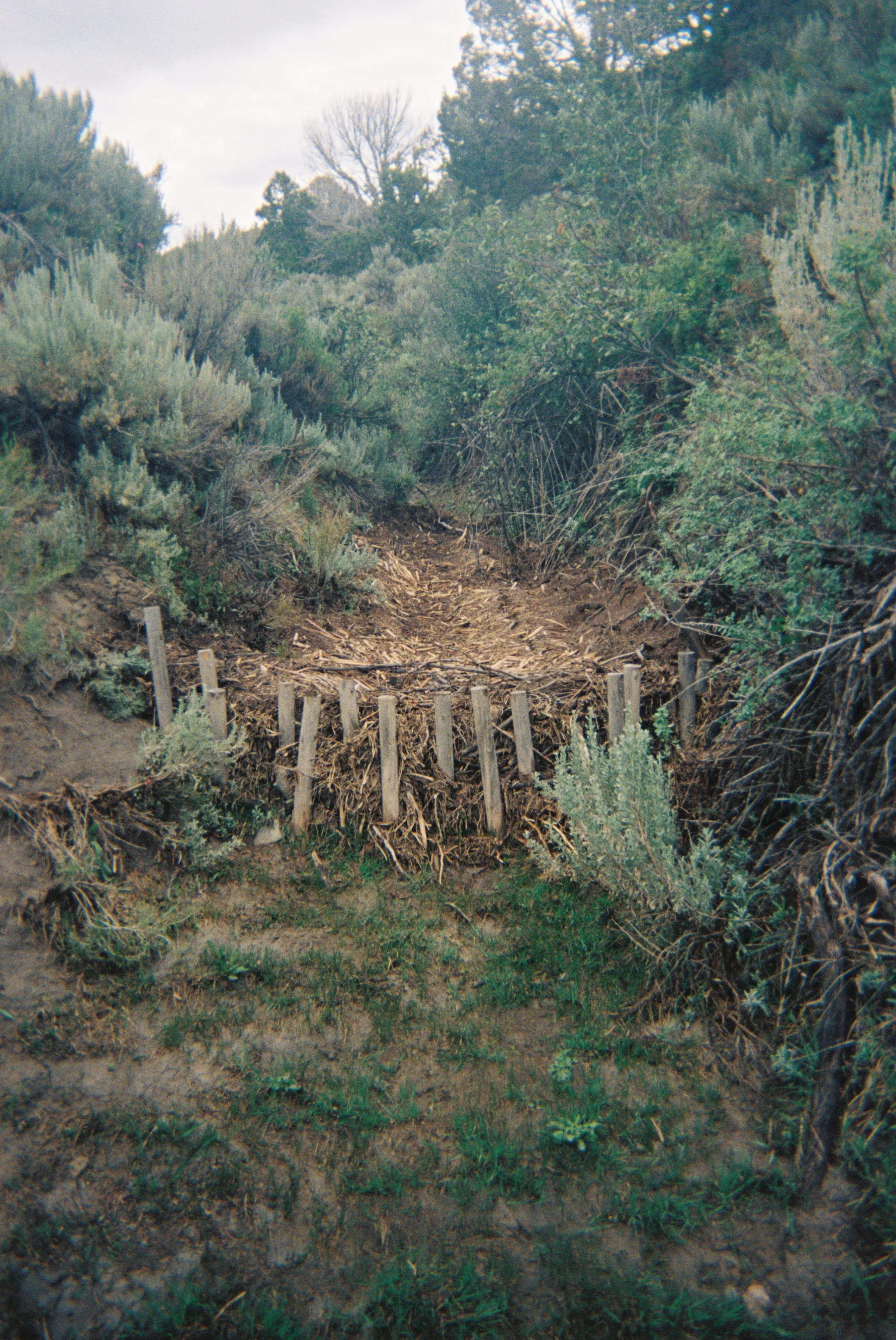
The beauty of this work is that you often get to see the impacts happening in real time, particularly with beaver dam analogs (BDAs). It is so incredibly gratifying to see the water slow and pond behind a structure that you just put so much effort into building. Beyond short-term gratification, the rapid stream-riparian assessment surveys (RSRAs) that we conducted on reaches that have had these BDA complexes in place for multiple years provided me with unique insight into the benefits of this work on the systems as a whole over time. Before starting this position, I spent a considerable amount of time diving into the research supporting the efficacy of low-tech process-based restoration (LTPBR) practices, and it has been so cool for me to see the processes described in the literature playing out in the real world.
Another place I see this work making an impact is on the culture surrounding beavers. Beavers can be a somewhat taboo subject. But once you see the benefits and ecosystem services that these mimicry structures and the animals themselves provide, it is hard to deny that many of the impaired stream networks throughout the American West would be in much better shape if we had never interfered with the behavior of these incredible creatures. By providing alternative solutions to the traditional methods of dealing with beaver-human conflicts, which typically involve lethal trapping or removal, the coexistence work that Sageland is doing has a clear and direct positive impact on the narrative surrounding beavers.
Any memorable experiences that you’d like to share from your season?
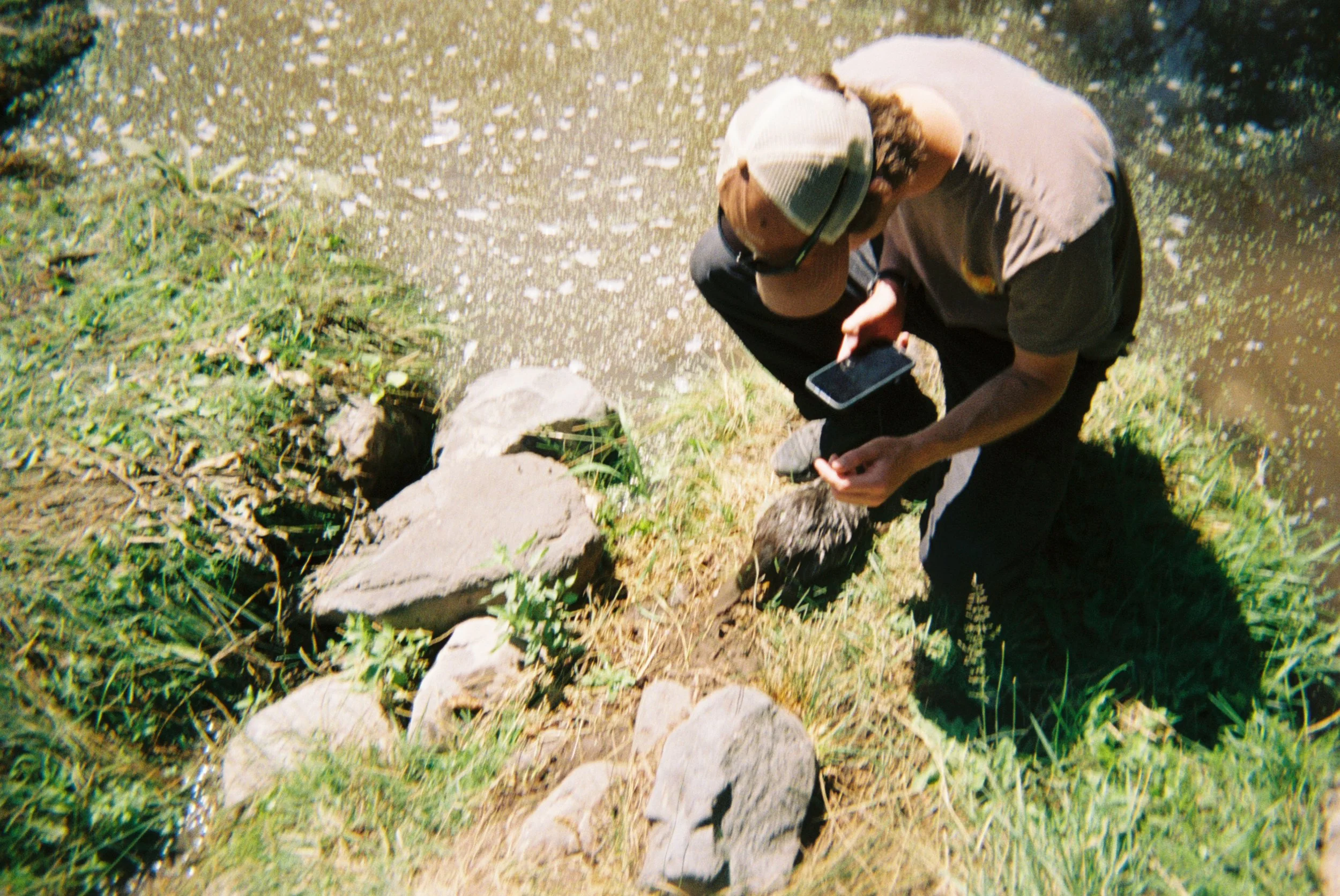
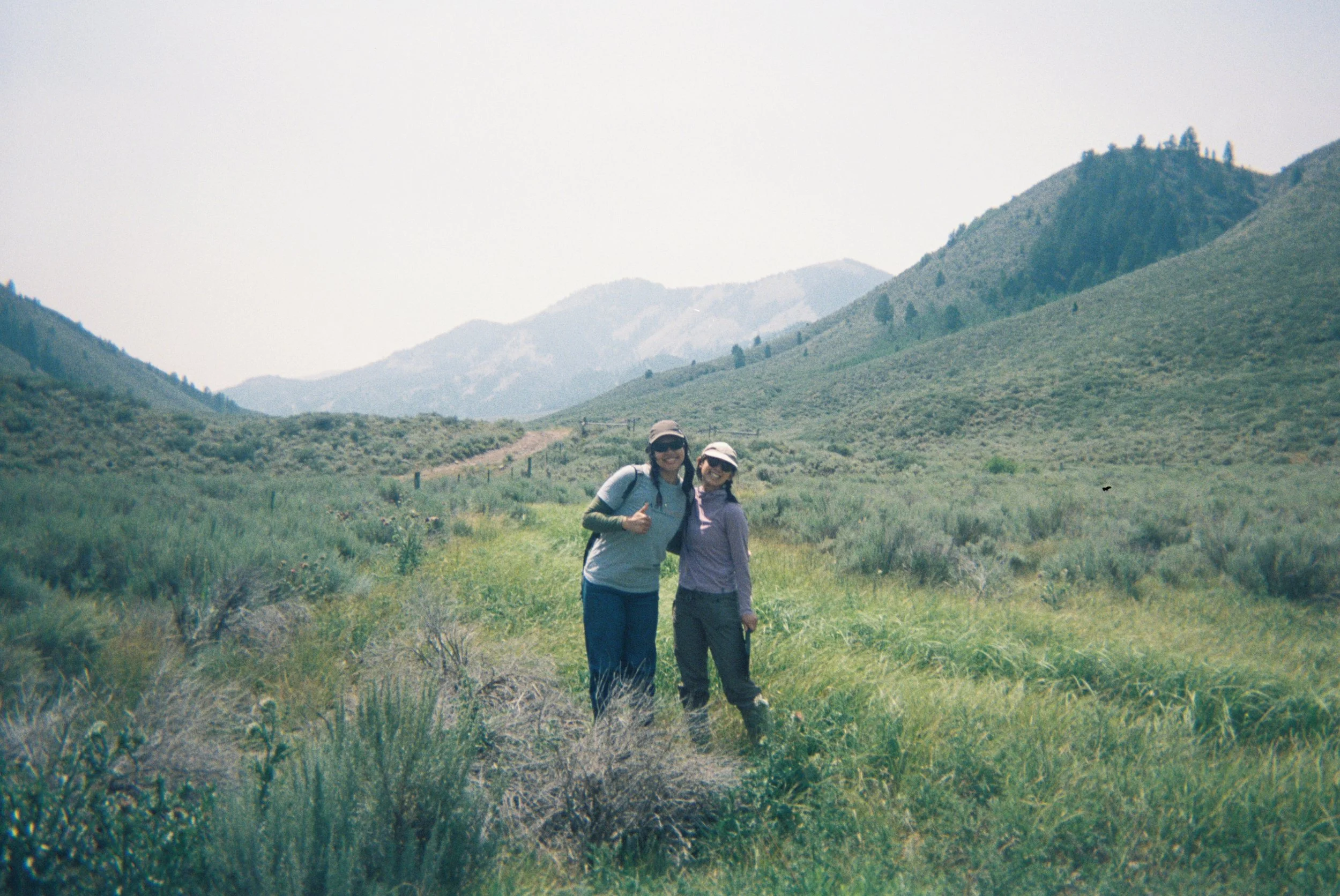
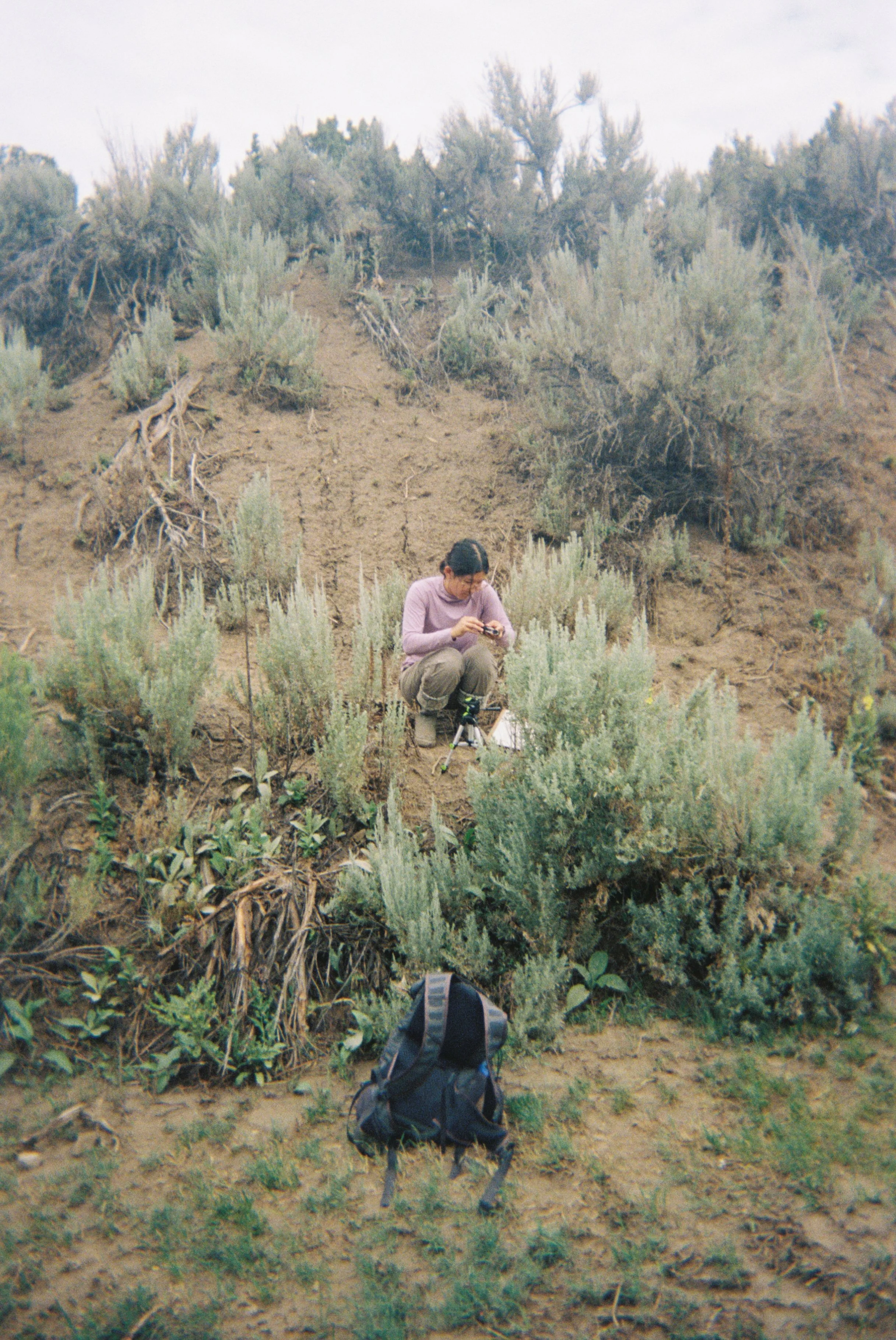
From long days in the field conducting surveys with Kort and Abigail, pond leveler installations, overnight camping trips, and countless days building BDAs with volunteers, there are so many different memories I could share to answer this question. But when I really think about it, the answer is clear. Bottle-feeding the baby beavers with Utah State University’s Beaver Ecology & Relocation Collaborative (BERC) and releasing them on a stream with BDAs is without a doubt my most cherished memory from this season, and maybe even my life! I’ll never forget the anxiety I felt being responsible for driving five beavers in the back of the truck for 2.5 hours through I-15 traffic.
This work is made possible through the generous contributions of our volunteers and donors.
Will you make a gift today to sustain the future of wildlife and land conservation in the West?
How has your understanding of “riverscapes” changed since you started this internship?
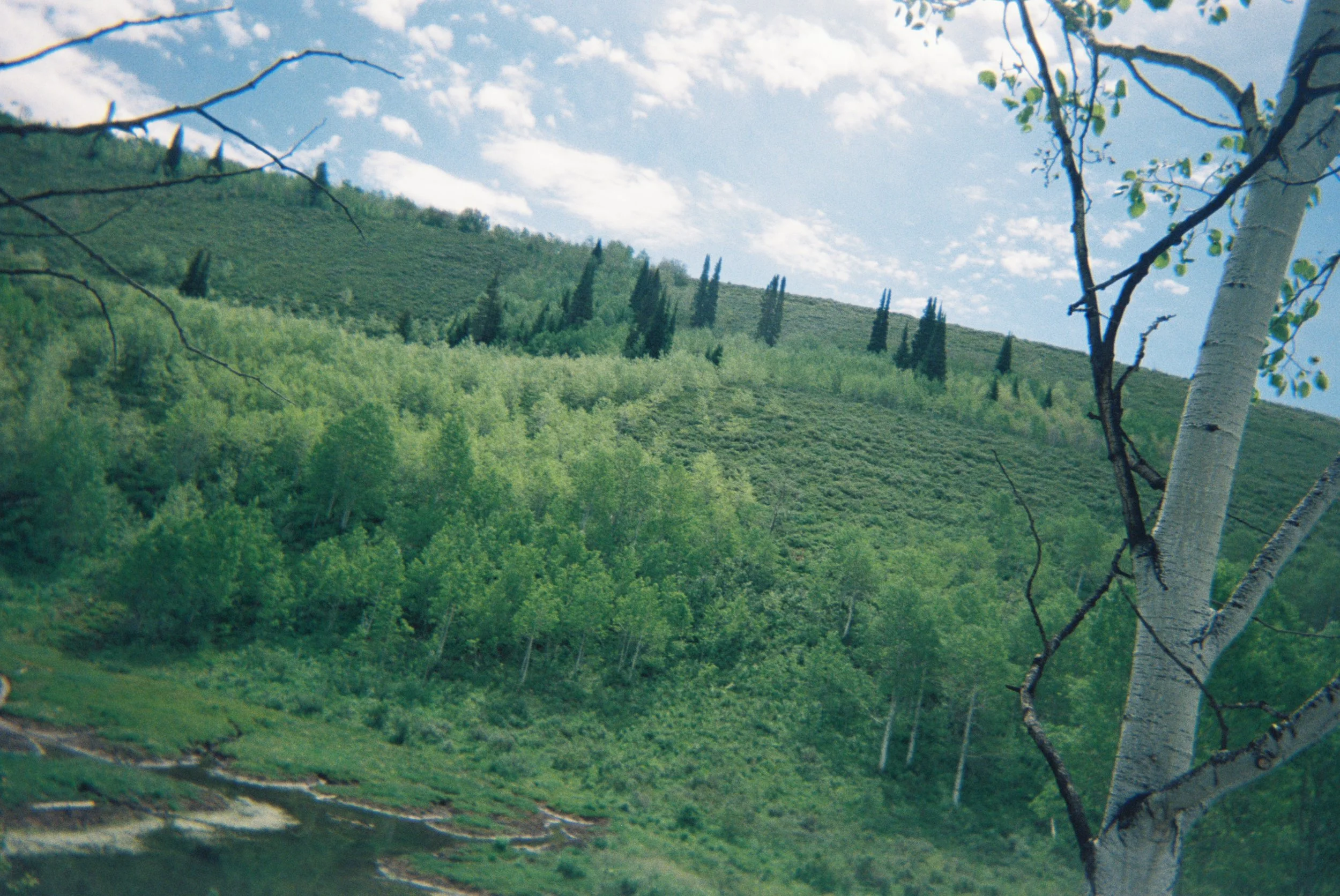
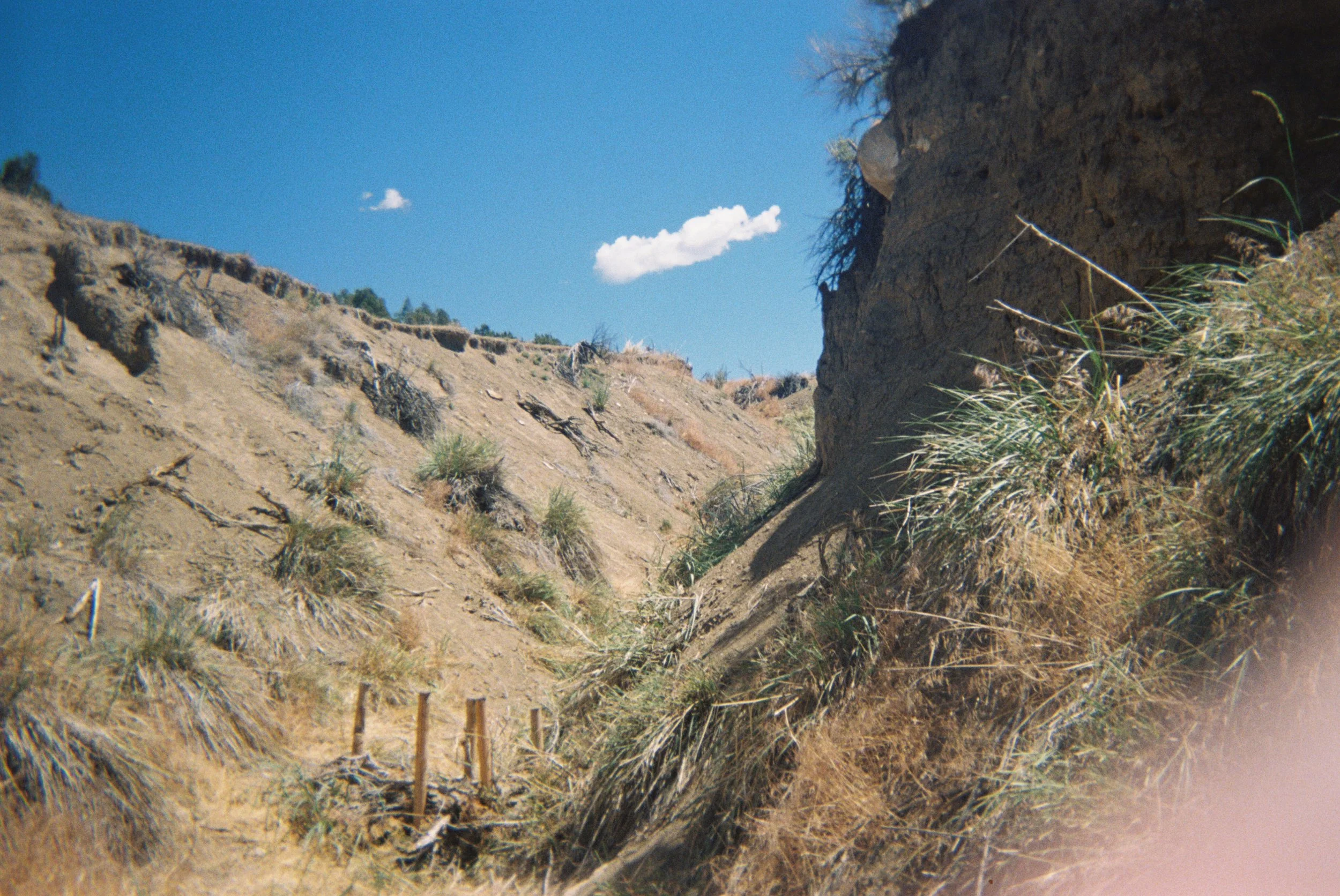
The concept of “shifting baseline syndrome” is something I have encountered frequently throughout my time with Sageland. The idea that society's perception of what a healthy stream looks like has been skewed by hundreds of years of land use change and the near elimination of beavers from the landscape over the last ~400 years has weighed heavily on my mind. Through this position, I have seen so many streams that are incredibly impaired and degraded, and it is obvious that these impairments are a direct result of human influence and the loss of complexity that makes a stream function the way it should. A stream should be messy. It should have woody debris, multiple channels, and riparian vegetation along the stream and throughout the valley bottom. It shouldn’t be confined by 5-foot-high banks with sagebrush in the riparian area and exposed topsoil continuously depositing sediment into the stream, causing further erosion and water quality issues downstream. As humans, we shouldn’t be concerned with the aesthetics of a stream; we should be concerned with its function and ability to provide the ecosystem services that so many forms of life rely on.
This has also made me think a lot about what our role as humans should be in addressing these impairments. While there are many different options for how to restore a stream, the experiences I have had with LTPBR strategies through this role have really resonated with me. The idea that we can use human intervention to facilitate natural processes that allow the stream to heal itself over time, as opposed to prescribing a treatment designed to produce an intended result immediately, feels more natural to me. We as humans often think we have the answer to everything, but in reality, nature often knows what's best for itself.
You worked with a lot of volunteers this summer, and you started off as a volunteer yourself! What role do you think volunteers play in restoration?
I think volunteers play an incredibly important role in restoration. Not only do restoration-based volunteer events provide organizations with the capacity needed to get a large amount of work done in a single season, but these events also create great opportunities for members of the public to get involved in local conservation efforts. Having started out as a volunteer with Sageland’s Riverscape Restoration program as an early college student, I was able to gain hands-on experience that was directly relevant to the career field I was hoping to get into. I think that providing young people with these opportunities is a great way to inspire the next generation of conservationists and give people an opportunity to get involved. It's also just a great way for people to get outside and have an experience they can go home feeling good about.
Any advice you’d give folks looking at applying for seasonal jobs like this one?
Get out and volunteer! It truly is a great way to get a foot in the door with organizations doing conservation work. Without the experience and inspiration I gained from volunteering with groups like Sageland, I’m not sure I would have developed the connections or sense of direction that have gotten me to where I am today. I would also encourage people to stay open-minded. There are so many different niches of conservation work, and it really is true that one experience often leads to the next.
What’s next for you? Next steps, big dreams?
Well, my hope is to continue my education by pursuing a master's degree focused on watershed sciences and/or fluvial geomorphology. Through my past experiences and time with Sageland, I have developed a strong interest in understanding the physical processes that shape our riverscapes and how we can use that knowledge to inform restoration efforts and better manage water resources. Ultimately, I would love to build a career that combines science and research with on-the-ground conservation.
We are proud to foster the next generation of natural resources professionals - from the sciences to communications, it takes all of us to make an impact for the wildlife and lands we love.
Fill out the interest form on our Career Opportunities page to stay up-to-date on opportunities to join the Sageland Collaborative team.
Article by Sierra Hastings
Photos by Kort Maeda, Abigail Tello, Elan Powless, and Sierra Hastings