
Highlighting the Utah Rare Plant Program!
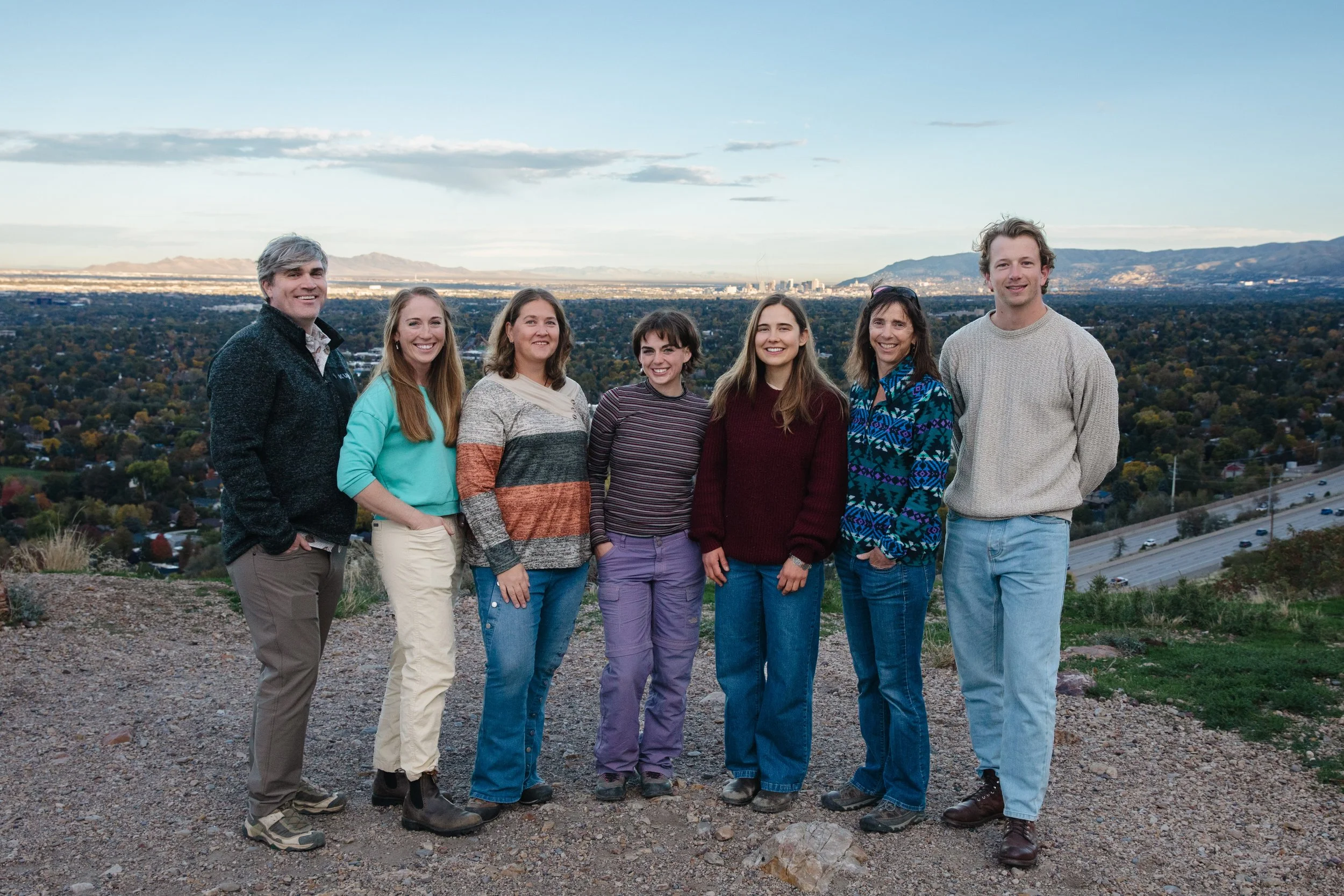
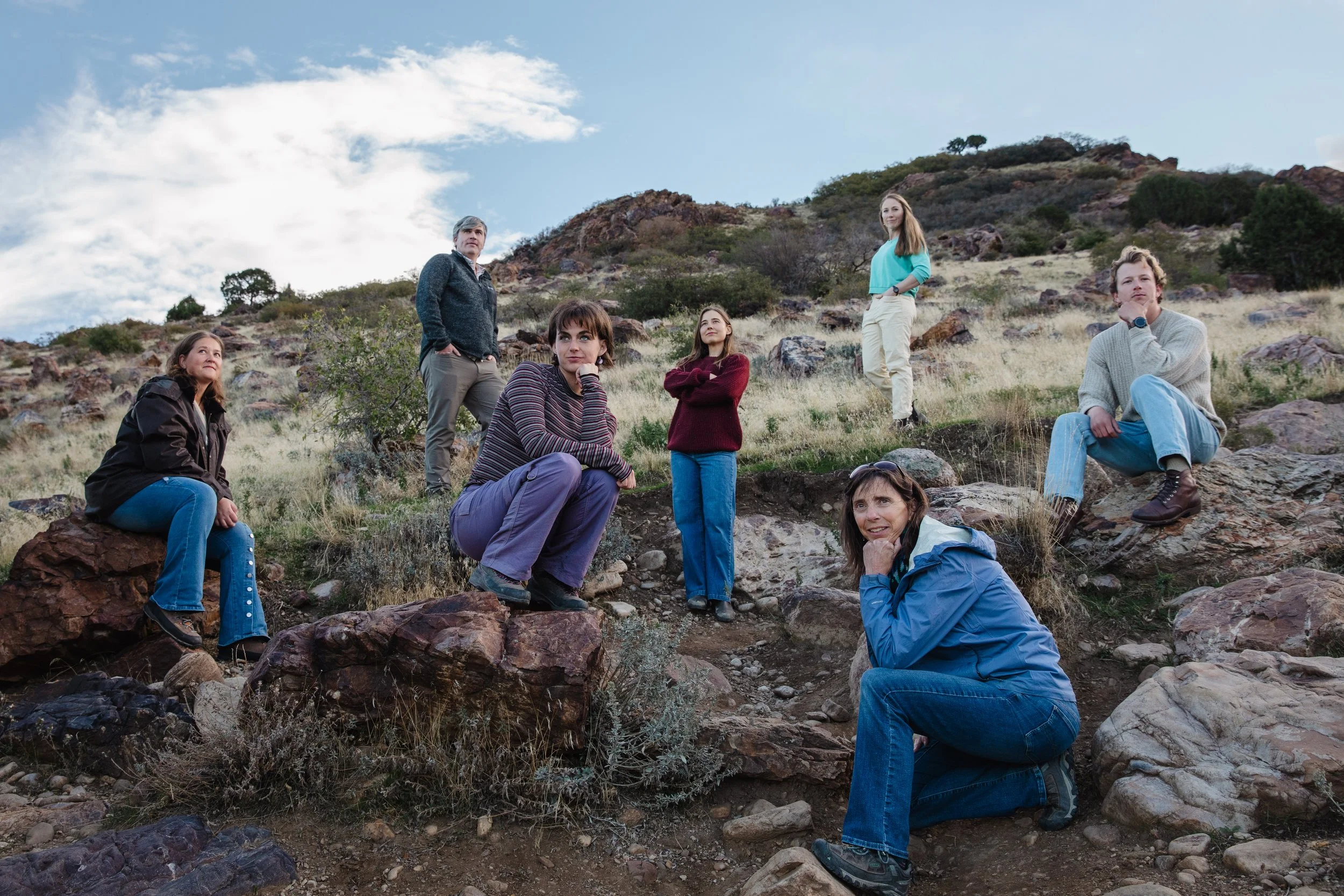
Utah Rare Plant Program team: Benjamin J. Gibbons, Kenzie Anderson-Bell, Meghan McCormick, Kailey Gilbert, Bailey Spears, Mindy Wheeler, and Zach Coury.
We’re thrilled to highlight our partners in conservation at the Utah Rare Plant Program!
The Utah Rare Plant Program (URPP) is based out of Utah State University and works with the Utah Division of Wildlife Resources and other partners to inform objective prioritized conservation actions for Utah’s rare plants and their habitats through extensive field work, targeted data collection, management, analysis, and reporting.
Get to know the incredible folks (and plants!) that make up this program in our interviews below!
Mindy Wheeler
she/her, Utah Native Plant Conservation Project Leader
What has been your experience working with the Utah Rare Plant Program?
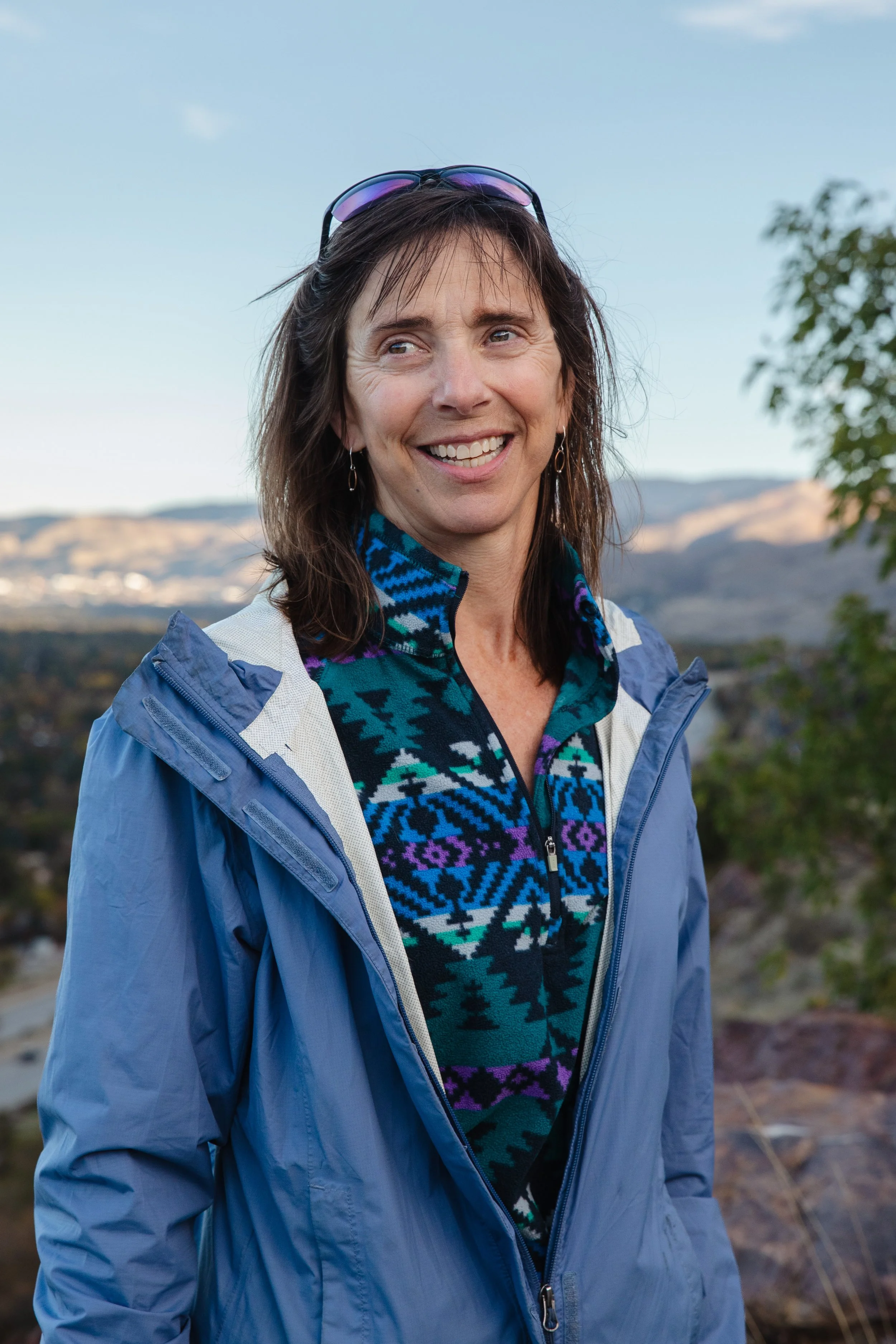
I started in this new position with Utah State University when it was advertised in 2016. The state wanted a botanist 'at the table' to have input on conservation plans and actions for our most at risk species. This has meant partnering with our federal, state and local agencies to conduct surveys, conservation rankings and monitoring as well as associated data management and reporting. We have taken on some other tasks (e.g. Pollinator Habitat Program, Conservation Easement Monitoring, Utah Lake vegetation surveys) to round out the botany work experience!
Can you share a memorable/favorite experience from the field?
There have been several occasions of working in the field overheated and/or just plain tired. I can't tell you how many cold creeks I have had the joyful opportunity to jump into to enjoy a memorable outdoors moment.
What is your favorite rare plant species that you’ve worked with in your role?
I am not sure I have a favorite - as the rare plant conservation project leader - I shouldn't play favorites. But... if I were pushed, the rare plants that look almost like sea coral on land such as Eriogonum soredium (Frisco buckwheat) and Physaria tumulosa (Kodachrome bladderpod), I have found the most fascinating and fun to work with.
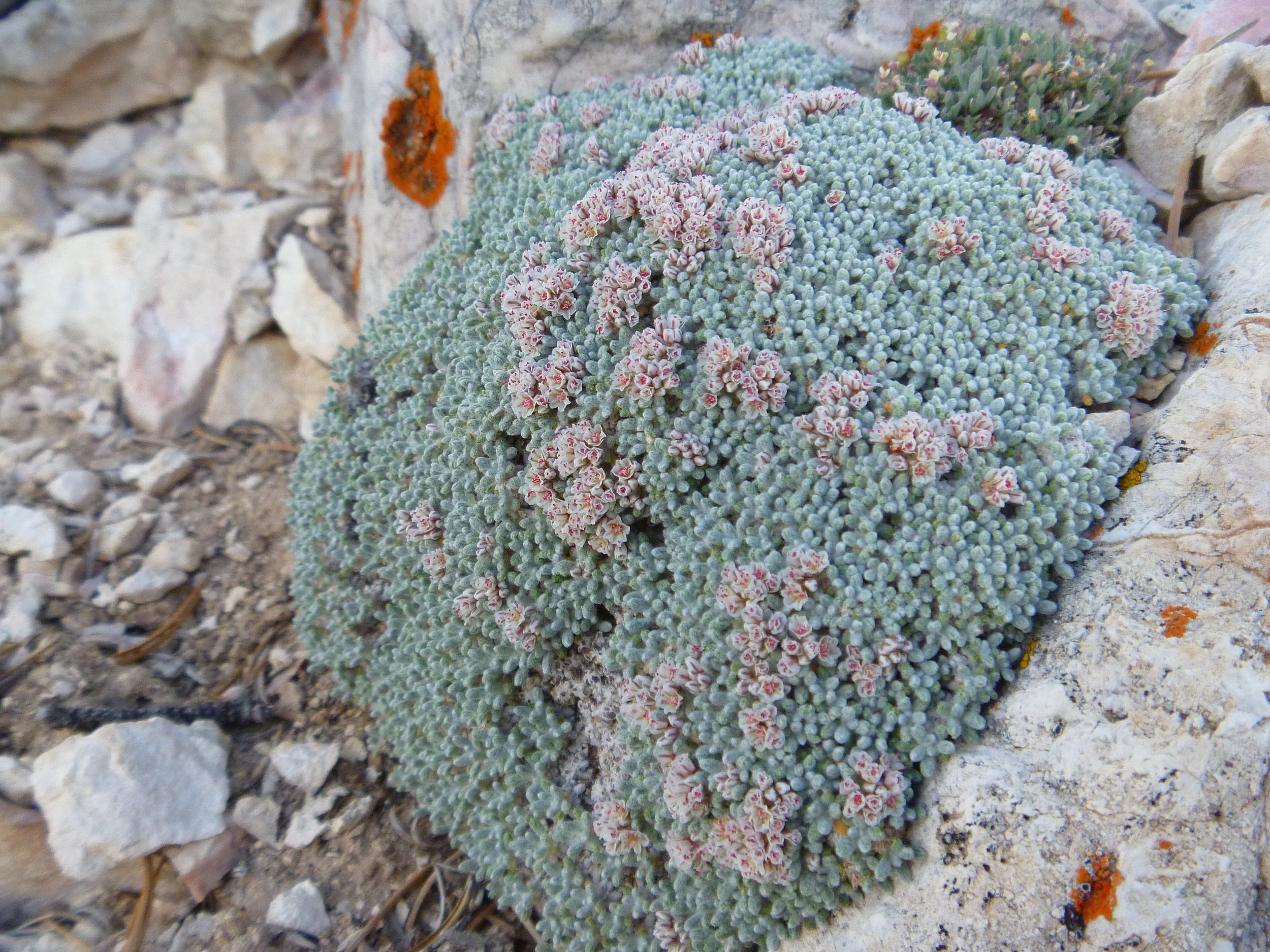
Eriogonum soredium © Mindy Wheeler
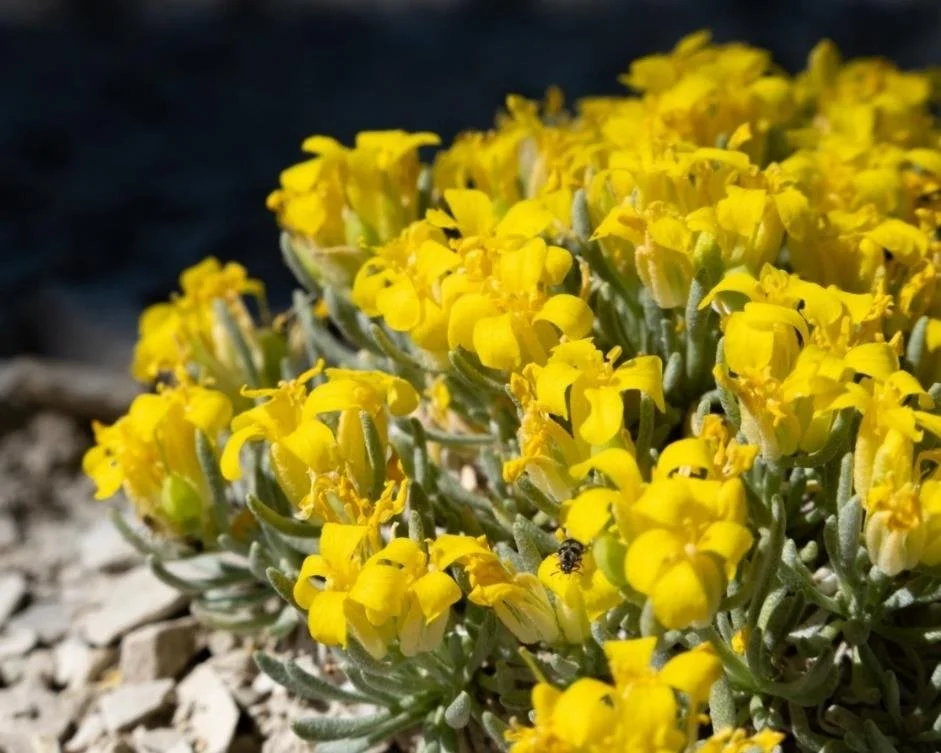
Physaria tumulosa © Mindy Wheeler
What do you wish more people understood about plants and conservation?
"Plant blindness" - a phrase coined by botany educators James Wandersee and Elisabeth Schussler to describe how people are always looking beyond plants to see only the wonderful megafauna who depend on plants and plant communities - has always been an issue that makes plant conservation particularly challenging. I always hope for more people to dive a little deeper into ecology to find themselves in awe about the wonders of commonalities between plants and animals; the Kreb's Cycle, Fibonacci Sequence, DNA/RNA and others - look for more!
Kenzie Anderson-Bell
she/her, Field Botanist
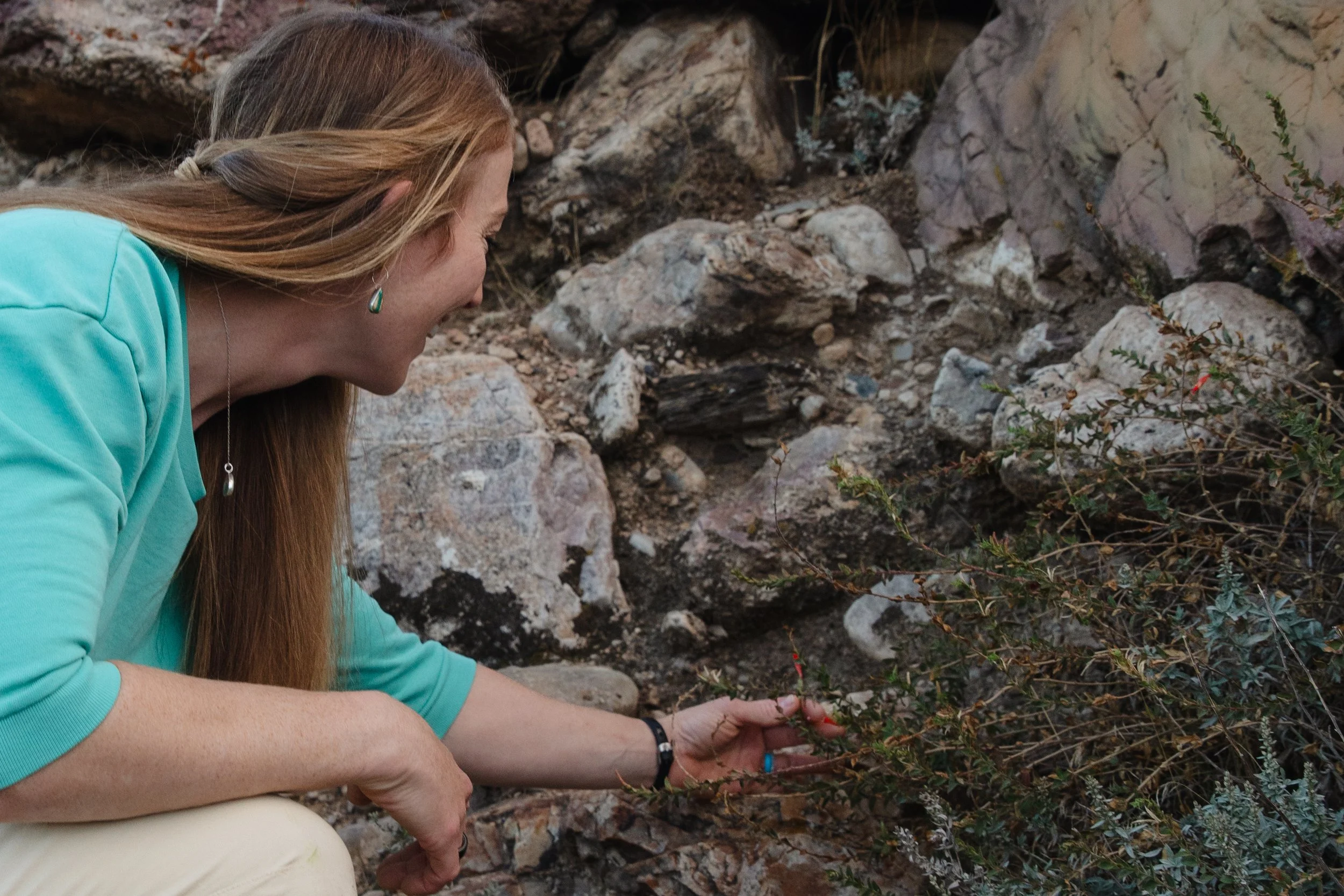
What has been your experience working with the Utah Rare Plant Program?
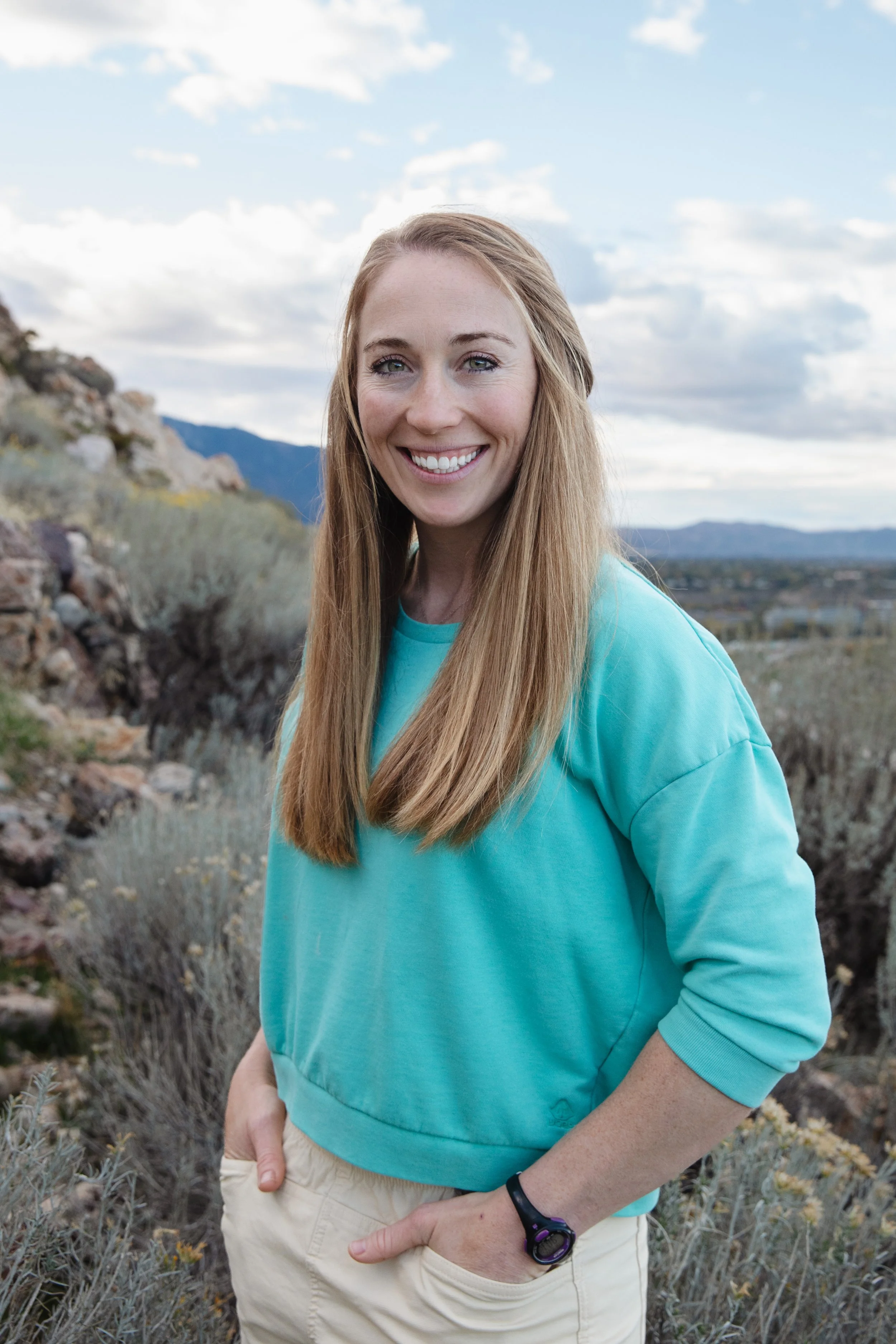
I have been with the Utah Rare Plant Program since August 2024. I joined after volunteering with SLC Public Lands Native Plant Restoration program under Blake Wellard. We had done a few field trips to look at restoration sites in Salt Lake City and rare wetlands plants around Utah Lake and he saw how much I enjoyed that work and recommended I apply for the team.
Fast forward to today, it’s been 2.5 field seasons and the start of my third winter with the team. I love the dynamic nature of this work. We are involved in a great spread of projects across the state of Utah so no day is the same. Some days we are literally on the ground inspecting every cotyledon in the confines of a 1-meter by 1-meter quadrant for rare Astragalus monitoring (we monitor 4 species of Astragalus annually). Other days we are bushwhacking up to precipitous dolomitic cliffs to investigate if the endemic, Viola frank-smithii, is growing there. Lastly, other days look like wading through muck around Utah Lake and the Provo River Delta mapping vegetation types or collecting miscellaneous seeds for the Utah Pollinator Habitat Program.
Can you share a memorable experience from the field?
This summer for my first river trip I joined our 8-day work botany trip down Desolation-Gray Canyon, an 84-mile stretch of the Green River in Eastern Utah that runs roughly from Vernal region to Price. This stretch of the state hosts a number of important rare plant species with the threatened Jones’ cycladenia (Cycladenia jonesii) and threatened Clay reed-mustard (Hesperidanthus argillaceae) to name a couple. The trip was spearheaded by Marc Derrach, a botanist out of the Pacific Northwest who has done a lot of work with the PENA clade of Apiaceae and featured some other incredible botanists from across the states like Jennifer Ackerfield from Colorado State University and Darrin Gobble from Zion National Park.
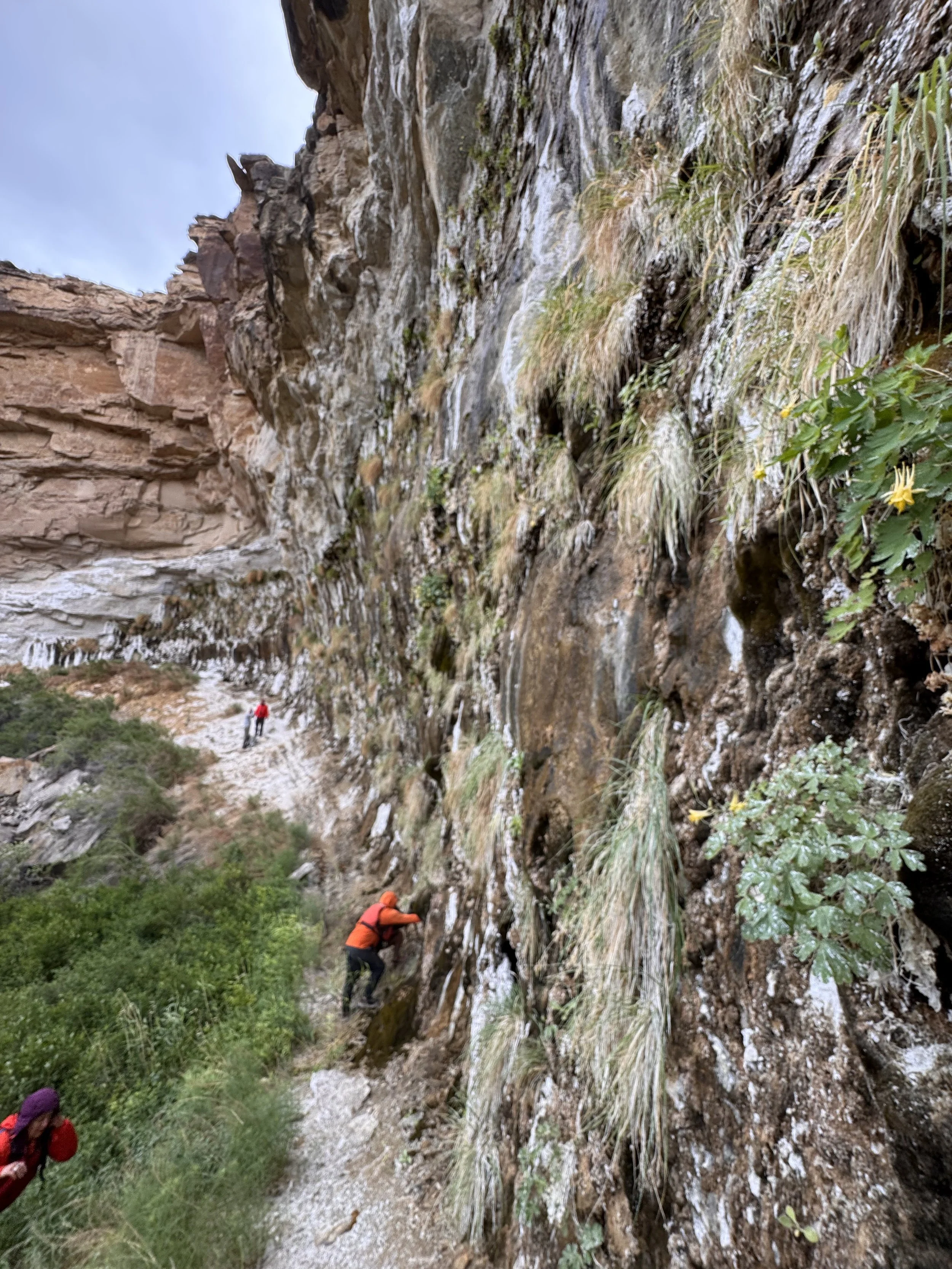
Hanging gardens © Kenzie Anderson-Bell
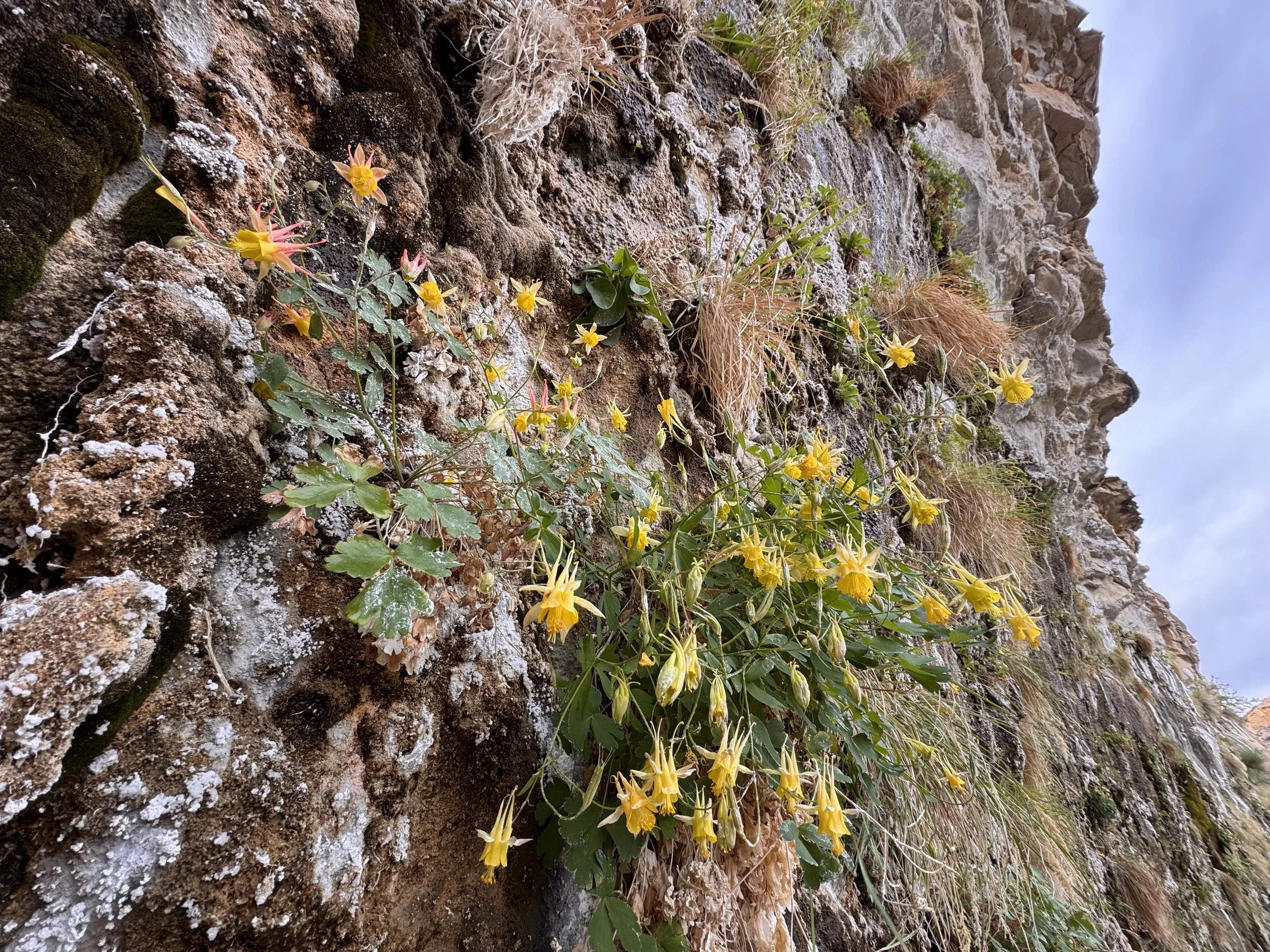
Aquilegia desolaticola © Kenzie Anderson-Bell
Our objective was to collect data on rare plants we track as well as visit hanging gardens to inventory the springs and its associated sensitive vegetation. There are two rare columbines that grow in that canyon, Desolation Canyon columbine (Aquilegia desolaticola) and Atwood’s columbine (Aquilegia atwoodii) and we managed to locate new populations of both species and collected genetic material to be processed by Jennifer Ackerfield.
Spending that week on the river with a team of botanists, hydrologists, and wildlife biologists all keen on exploring and documenting each side canyon, alcove, and lush hanging garden that accompanied the towering stone cliffs in the stark arid environment was an incredible magical memory that I will not forget.
What is your favorite rare plant species that you’ve worked with in your role?
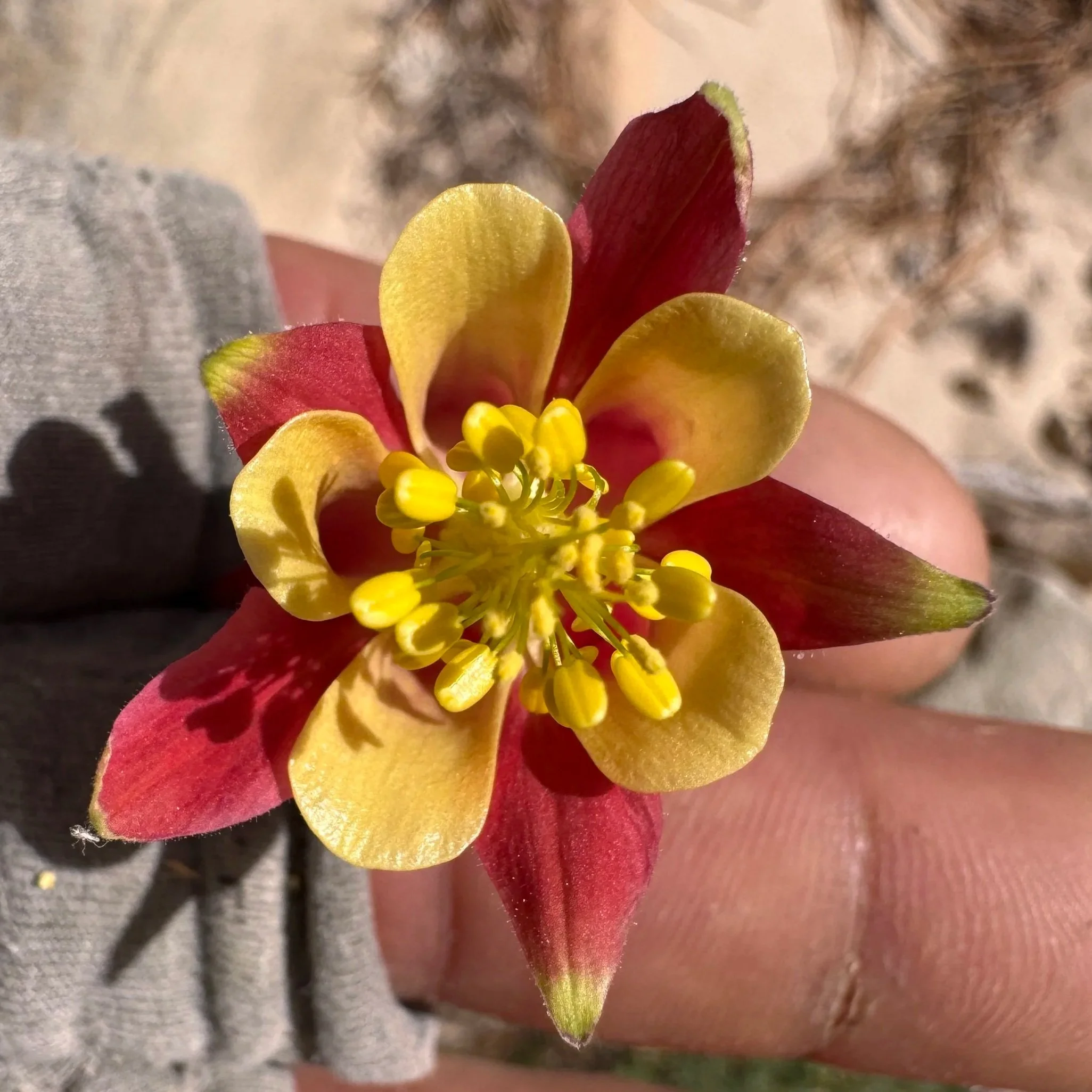
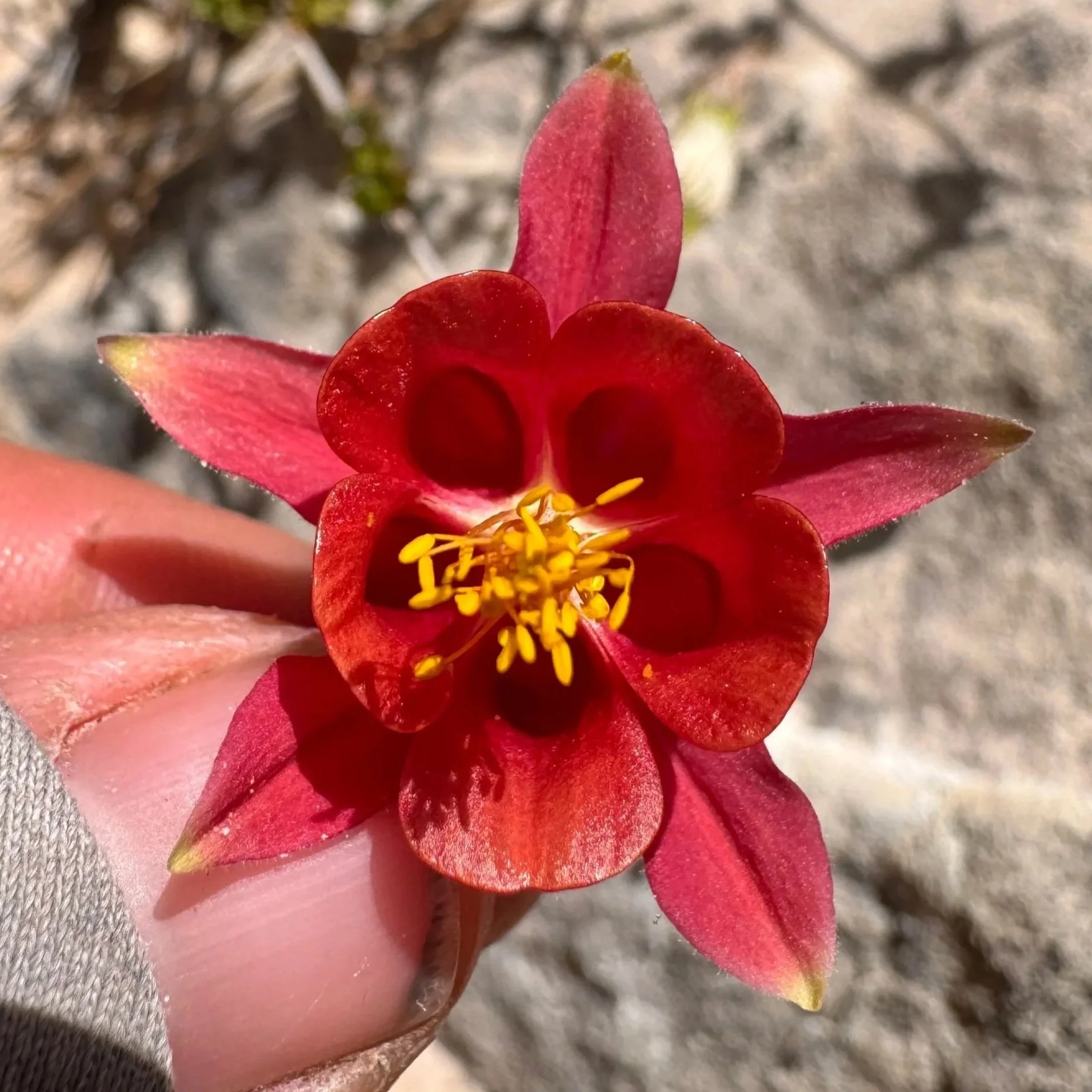
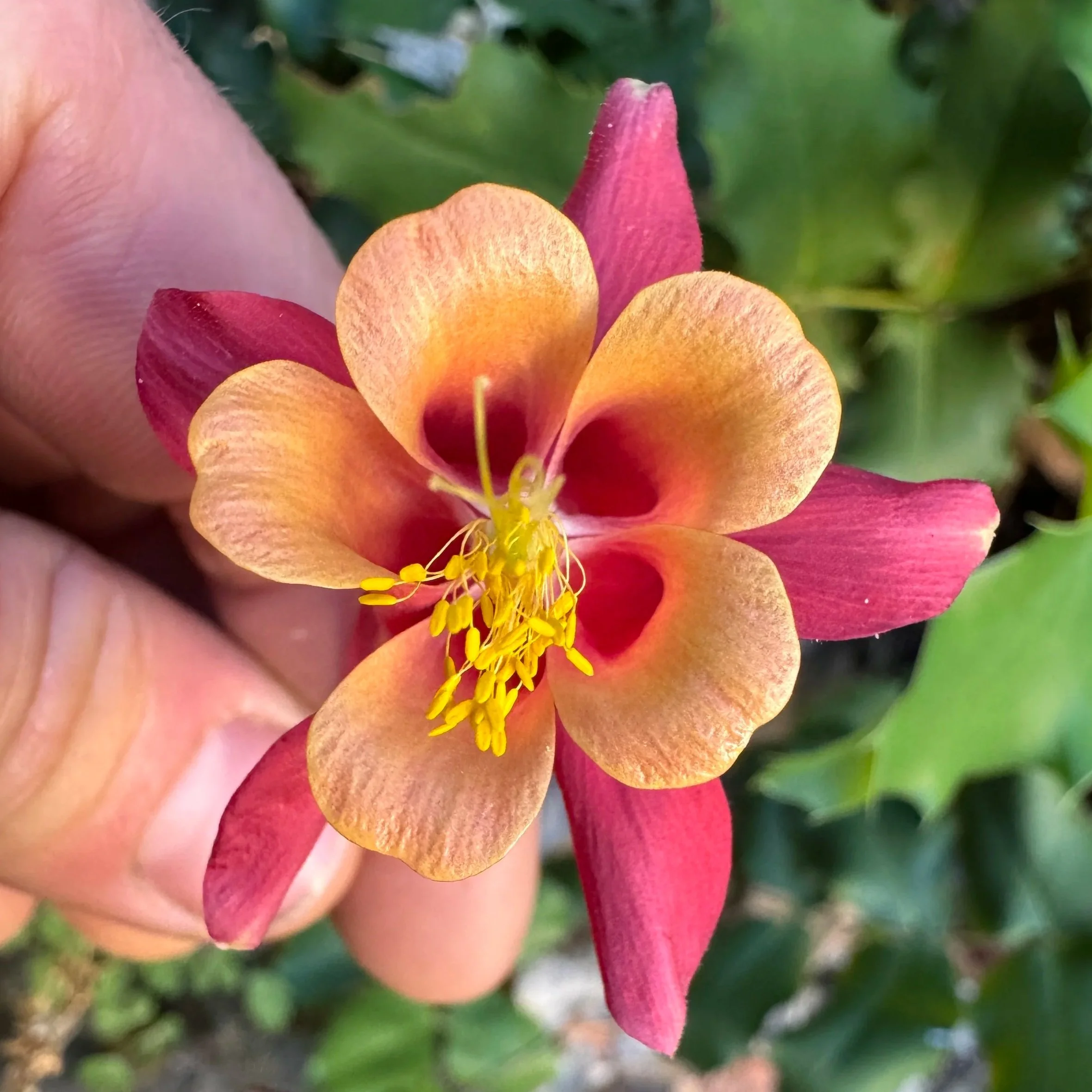
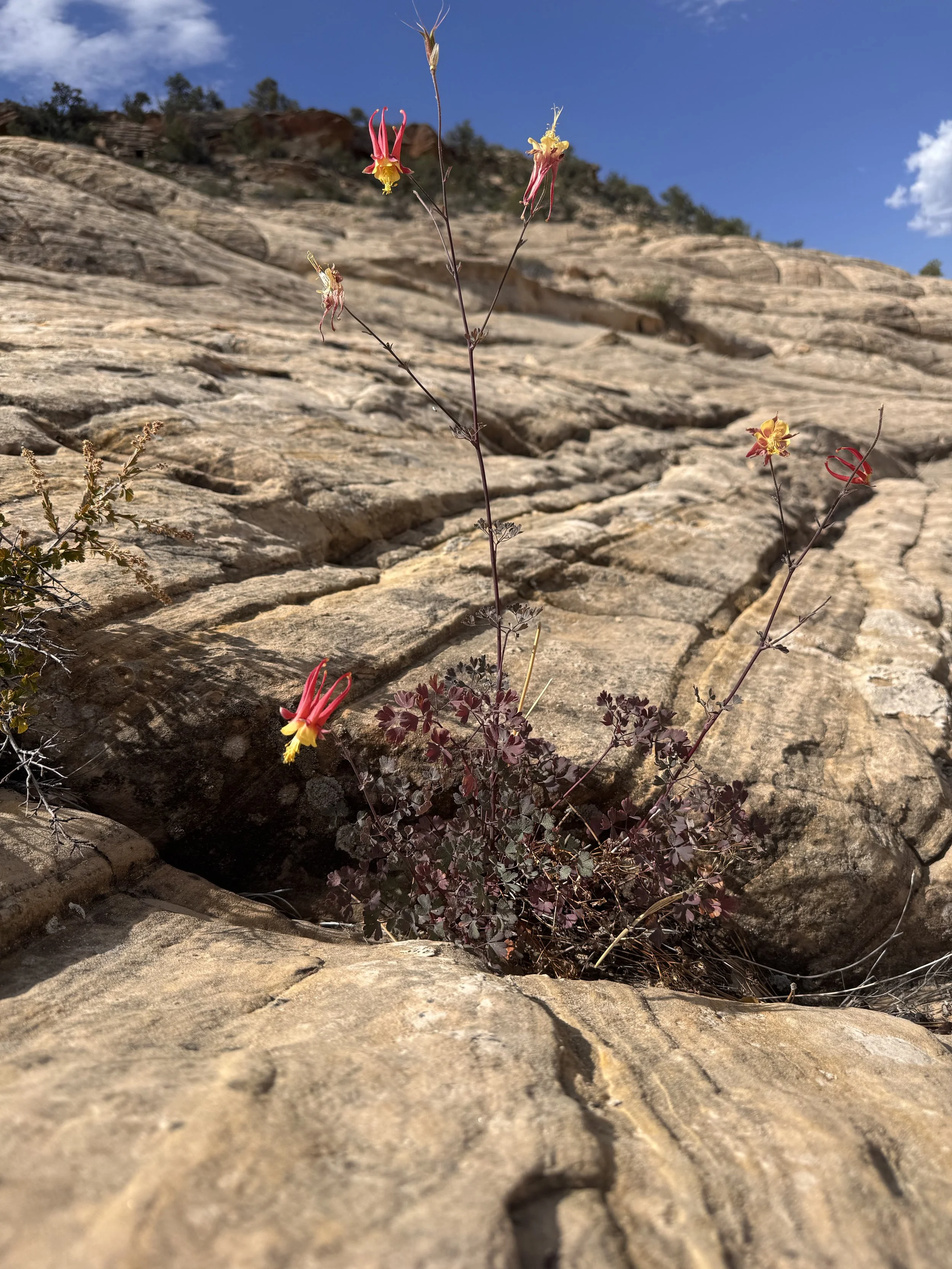
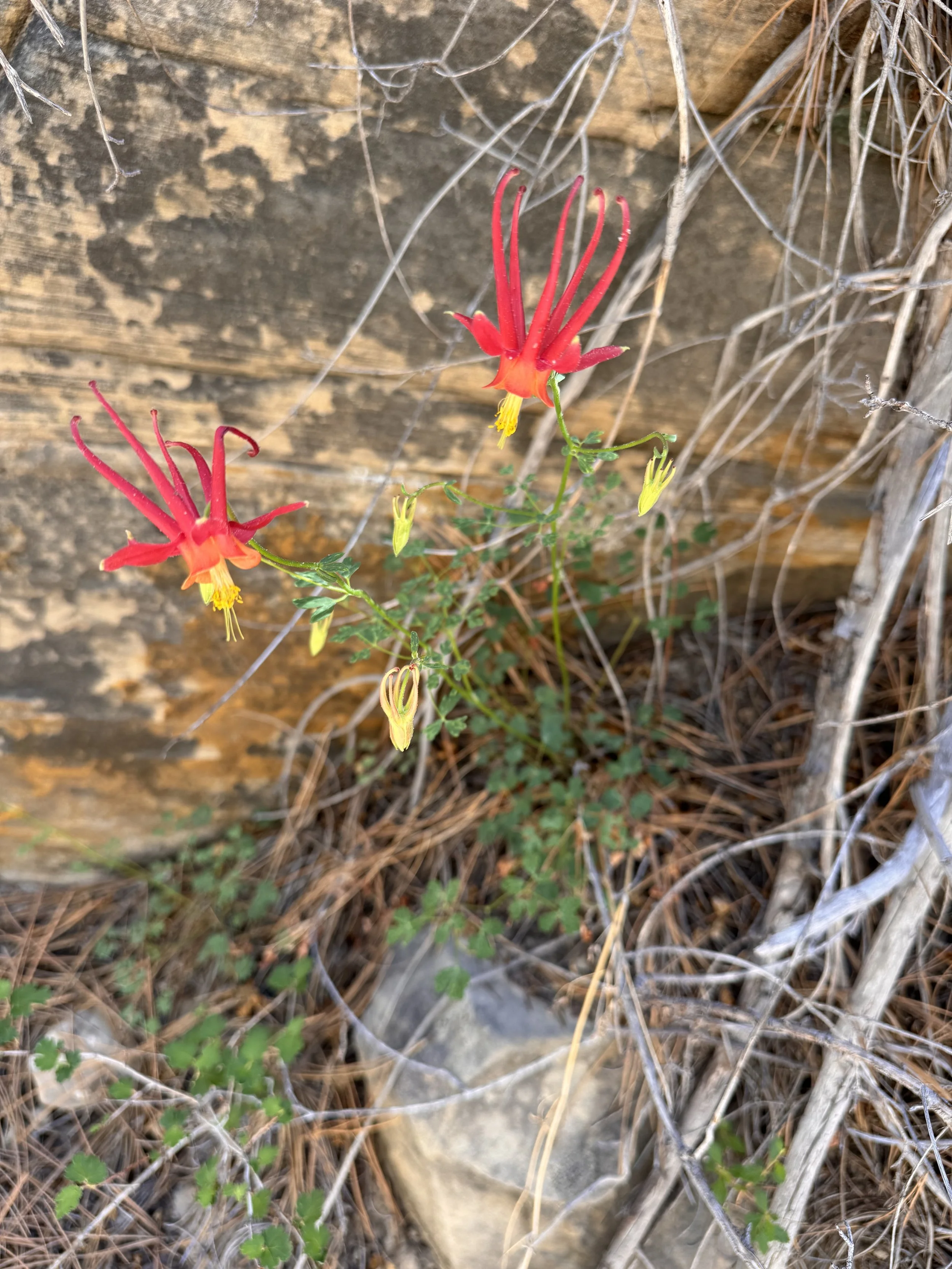
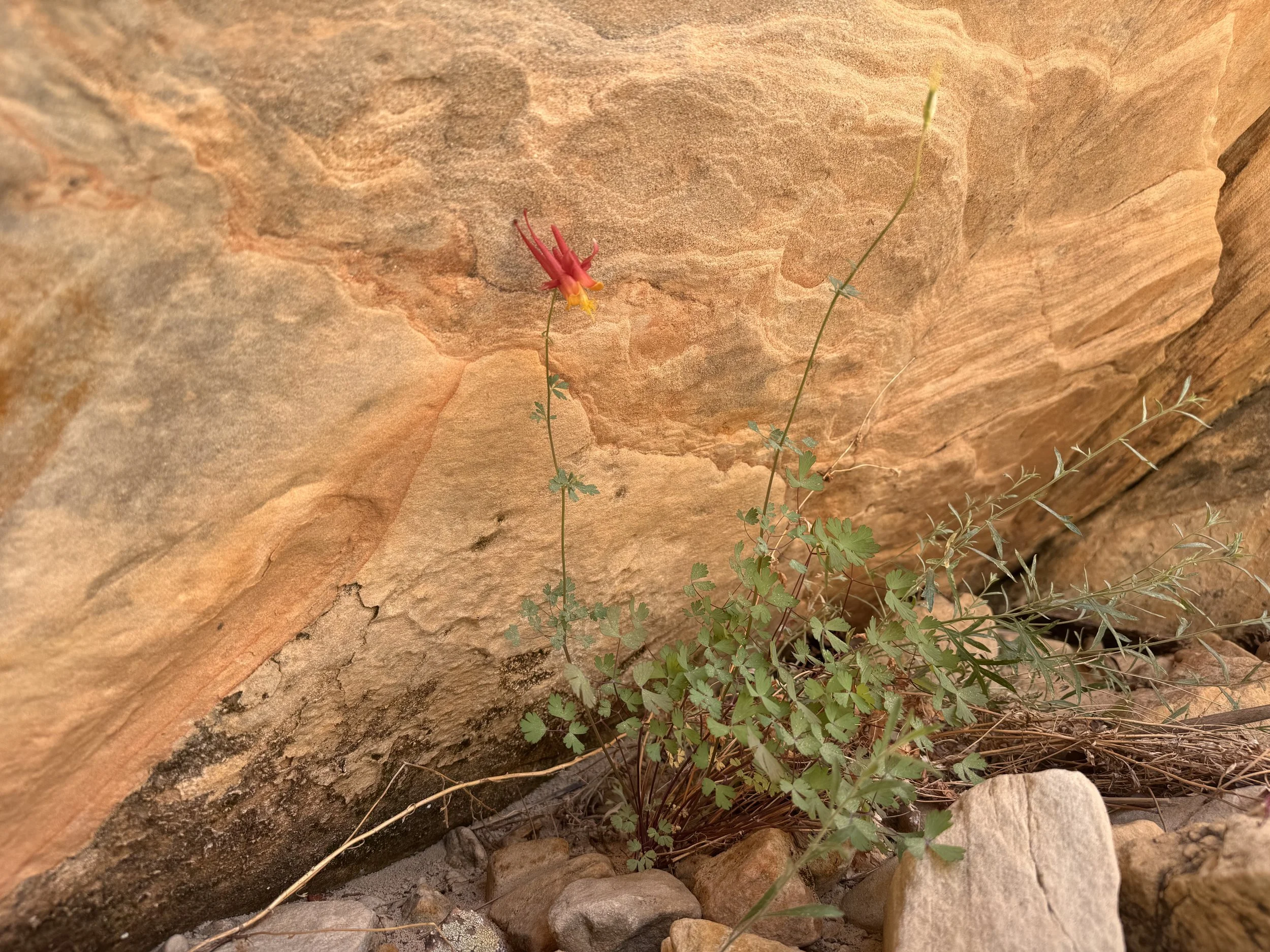
The one that stands for this season is Noel’s columbine (Aquilegia holmgrenii), a species of columbine described in 2008 and only known to a few locations around Escalante. After Desolation Canyon, it was hard not to feel enamoured with Aquilegias – and it was the perfect time of year to find most of our southern Utah species in flower. The season prior, we missed the flowering window for A. holmgrenii. So, this season, we set off to canyon country to gain a better understanding of this plant’s distribution, habits, threats, and population size. Spending so much time concentrated on one genus really gives a deep appreciation for the minute details of that particular genus, I see why Zach Coury spends so much time with Townsendia sp. now. What I enjoyed most about the quest to understand this plant more was that it proved to be way “less picky” than we expected, we found it growing across a broader area than was formerly known and across many different habitat conditions, with quite a morphological range as well.
What do you wish more people understood about plants and conservation?
I wish people knew how easy it is to connect with plants right outside your door. One of the many avenues that led me to where I am today was using iNaturalist as a way to get to know my surroundings. It started with neighborhood walks during the pandemic when I lived in Phoenix, then I’d plan walks around regional parks and eventually national parks. It became a routine - I would get home, dive into field guides, and upload my iNaturalist observations and learn more about each thing I saw. It has given me a road map for our shared environment - names of familiar faces and an ability to notice them as they shift through the seasons. I think that kind of connection builds hope. There are many times I see resiliency mirrored to us in the plant world even if it's a native plant pushing out from a crack in the sidewalk. This hope is what keeps me going in the conservation field!
Zach Coury
he/him, Field Botanist
What has been your experience working with the Utah Rare Plant Program?
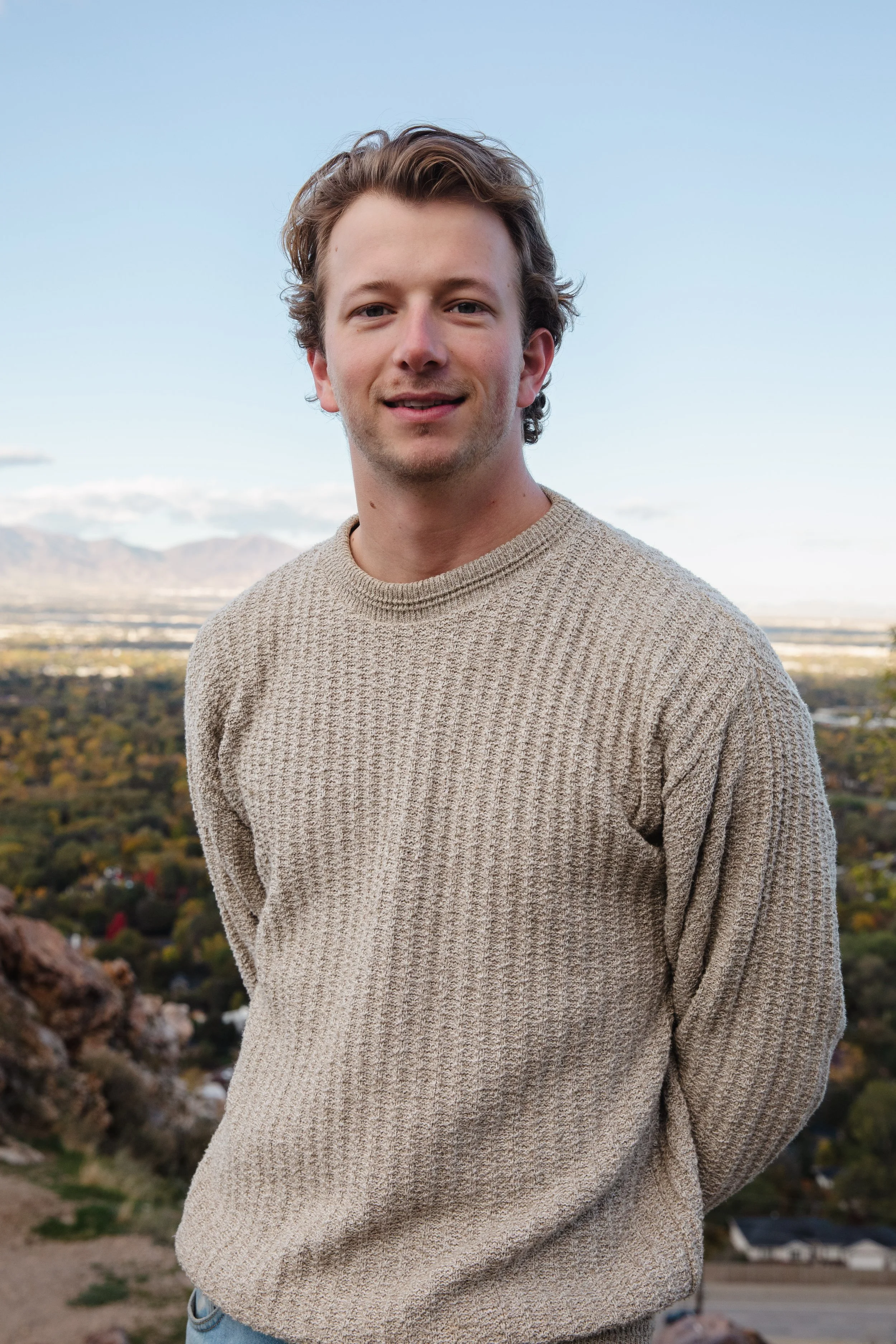
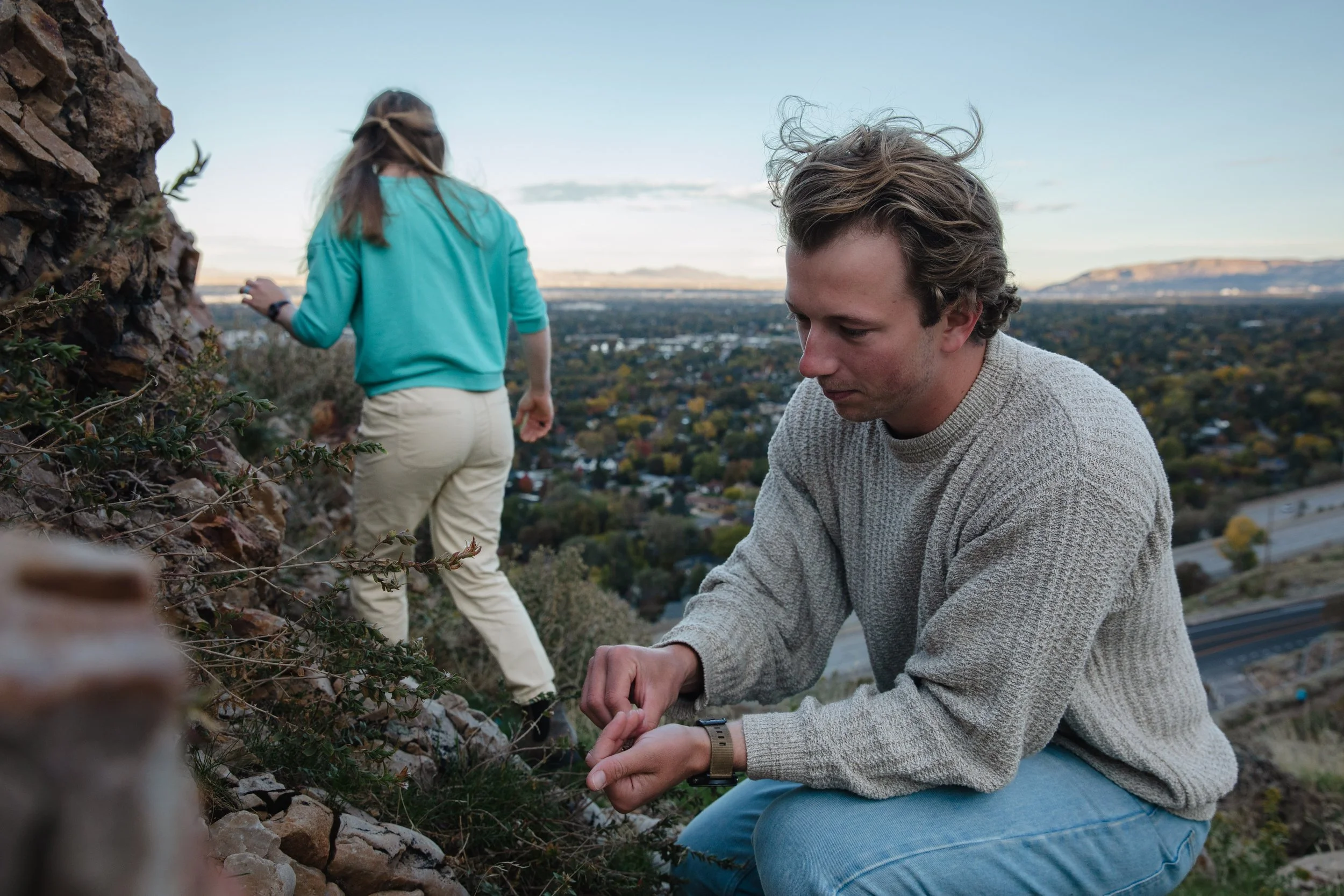
I just finished my fifth season with the Utah Rare Plant Program and it has been a fantastic experience in so many ways. Most of all it has provided an unparalleled ability to learn about plants, because we have the fortune of working with so many different partners and agencies. This means we cover a ton of ground, and I've gotten to spend time getting to know every single county in the state. It has also provided the opportunity to go down some intellectual rabbitholes, and thanks to that I am in my second year of a masters program at the University of Utah doing a thesis on the phylogenomics and biogeography of Townsendia, a genus in the sunflower family.
Can you share a memorable/favorite experience from the field?
Field botany has a pretty incredible way of regularly delivering pretty transcendent experiences, often in unpredictable ways. It's hard to pick just one, but every season I have many moments that are just overwhelmingly beautiful, usually as a result of stumbling across some plants that are particularly healthy or unexpected. This year I got to see Heliomeris soliceps (Tropic Goldeneye) in flower with Kailey. This is a narrow endemic known only from the former boundaries of Grand Staircase-Escalante National Monument. In this case it was very expected, in fact I had been predicting a superbloom for almost 6 months after last year's wet fall, but it was stunning to see in person after years of anticipation.
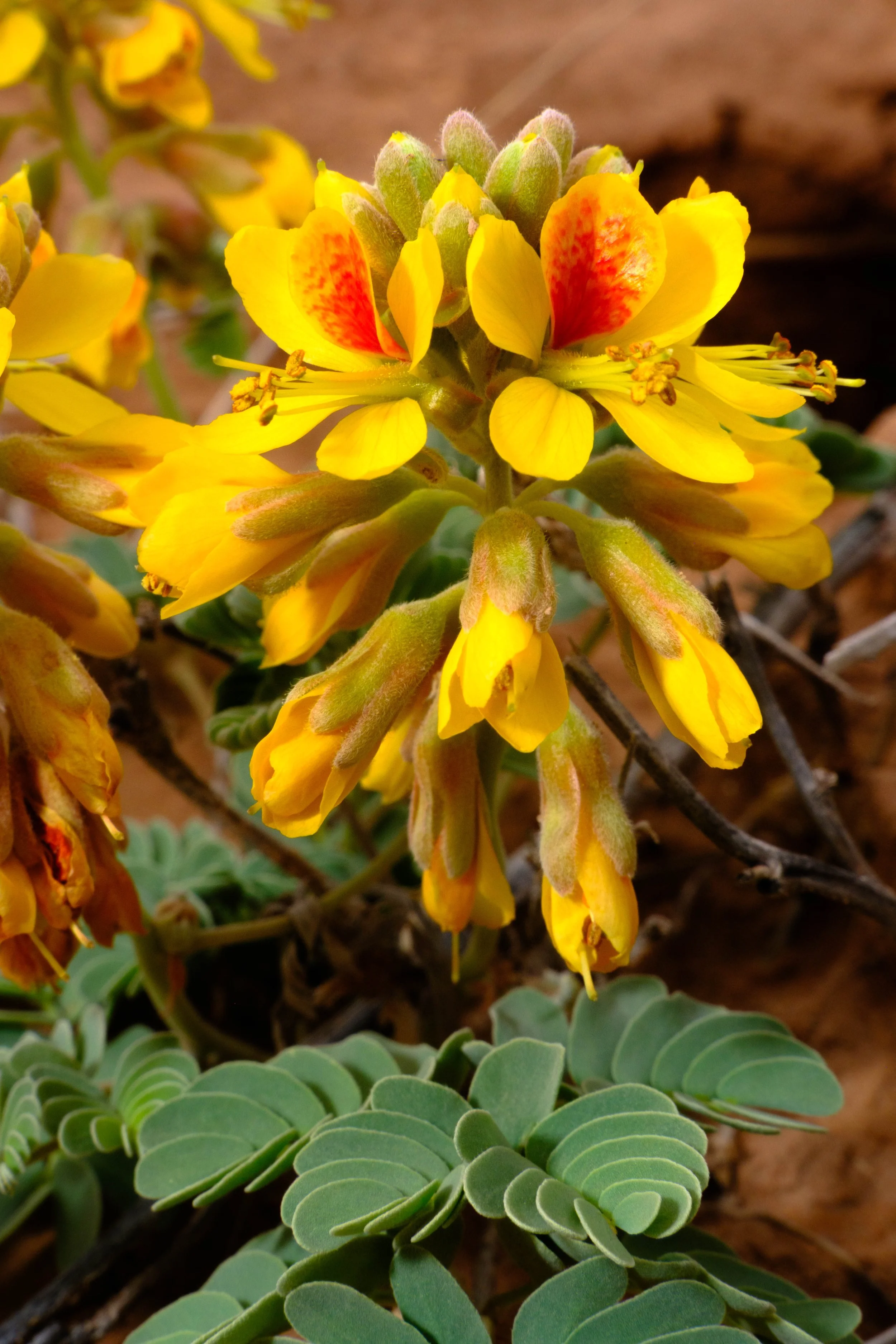
Hoffmannseggia repens © Zach Coury
What is your favorite rare plant species that you’ve worked with in your role? (If you have a photo you've taken of this plant, please share! I'd love to include a visual in the blog with credit.)
My favorite plant is an incredibly fickle status; usually it's whatever I have been most recently fixated on the last couple weeks. One of my favorite plants I got to see a bunch of in 2026 is Hoffmannseggia repens, or creeping rushpea. This species has an incredibly interesting biogeographic story, and it flowered in large numbers this year.
What do you wish more people understood about plants and conservation?
I wish people had a better sense of just how unique Utah's species variety is. So many aspects of our state are unreplicated anywhere else in the world, resulting in a massive number of endemic and extremely rare plant species. I think rare plants can be a really excellent gateway for people to get into botany and conservation in general.
Benjamin J. Gibbons
GIS Analyst / Database Administrator
What has been your experience working with the Utah Rare Plant Program?
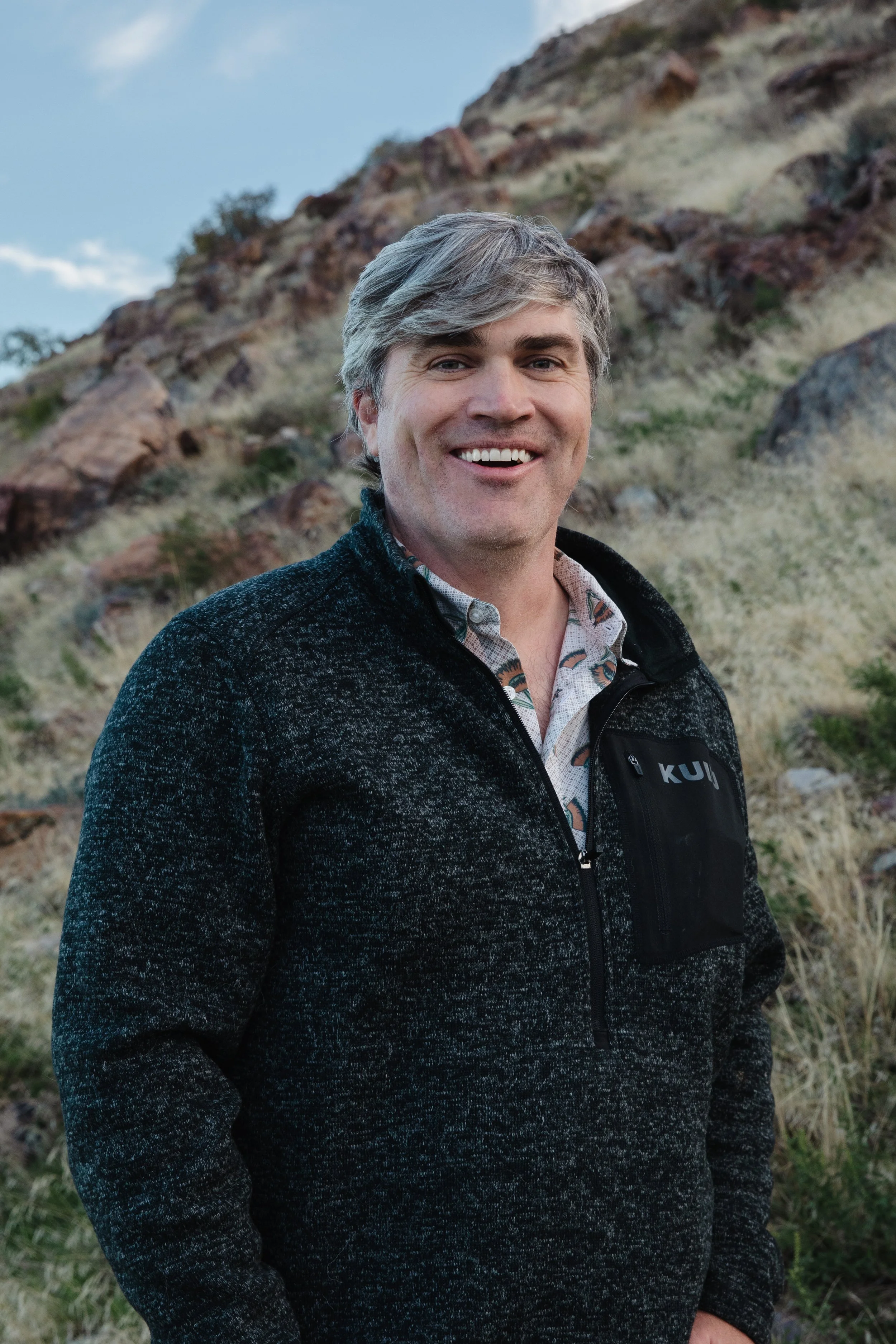
I didn't go to college for botany or even GIS. My education was in computer science. But I needed a summer job, and I saw an ad for a two-week project helping to collect data on Sphaeralcea gierischii near St. George. I didn't expect to work with plants for longer than those two weeks, but that was nearly 15 years ago.
Over time, I found a niche where my skills complemented the really talented botanists I work with. In hindsight, applying for that job was one of the best decisions I've made.
Can you share a memorable/favorite experience from the field?
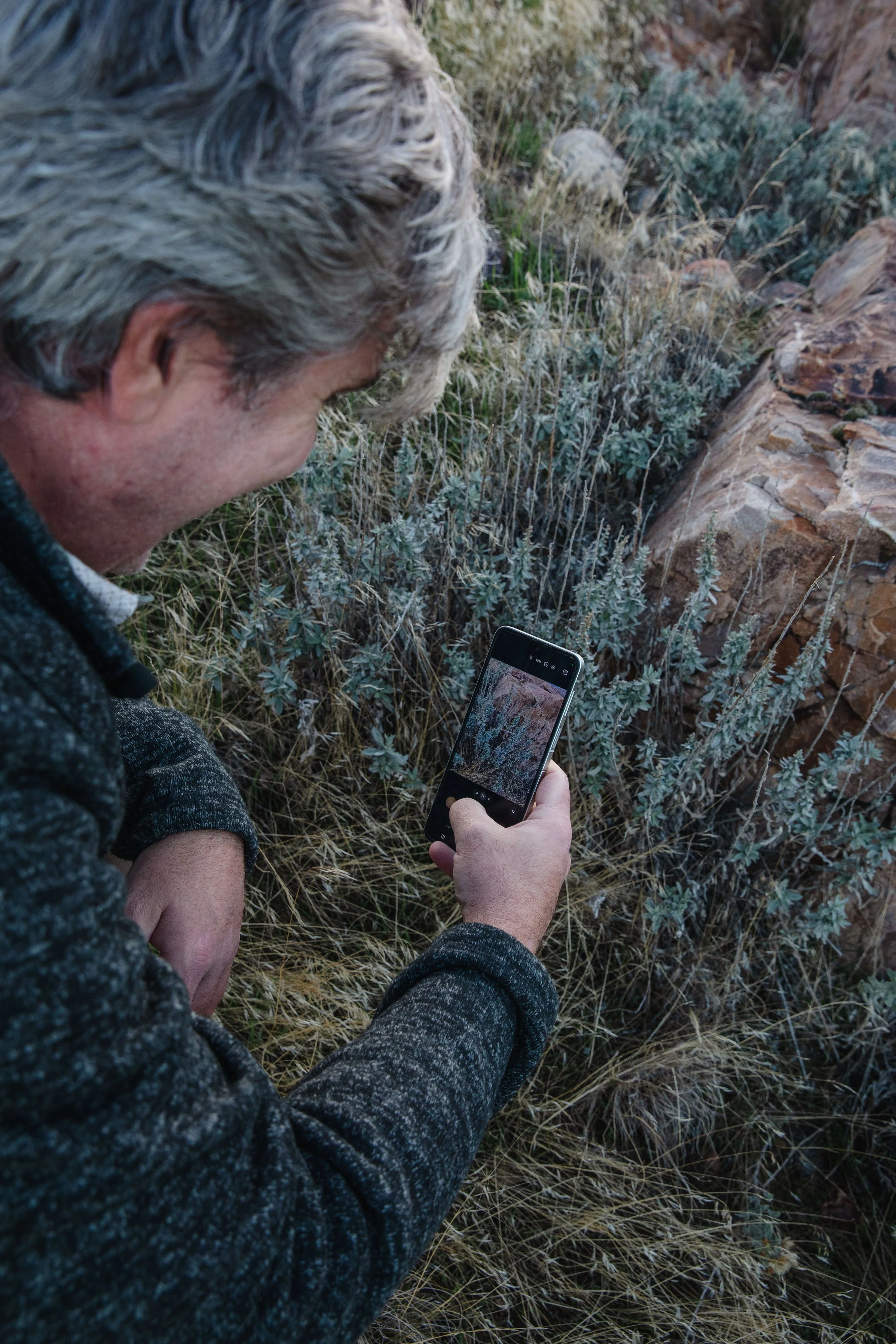
I've been here a long time and have been lucky to work with great people and have many great experiences. It's almost impossible to pick a favorite, but I can say that finally seeing the drone we designed and built successfully completed a mission is a favorite recent memory.
What is your favorite rare plant species that you’ve worked with in your role?
There are a few species I like more than the rest, but Astragalus sabulosus has been a standout for a few years now. It was one of the first species I worked on, it grows in an interesting part of the state, and it's a bit of an oddball in its habitat. But I don't know exactly why I like it so much.
What do you wish more people understood about plants and conservation?
We can do a lot to rehabilitate degraded habitats by reintroducing native plant species, and there's a lot of really good work going on to improve the outcomes. But at the same time, there's only so much we can do to rehabilitate these habitats. They're never going to be the same again, so take care of what you've got.
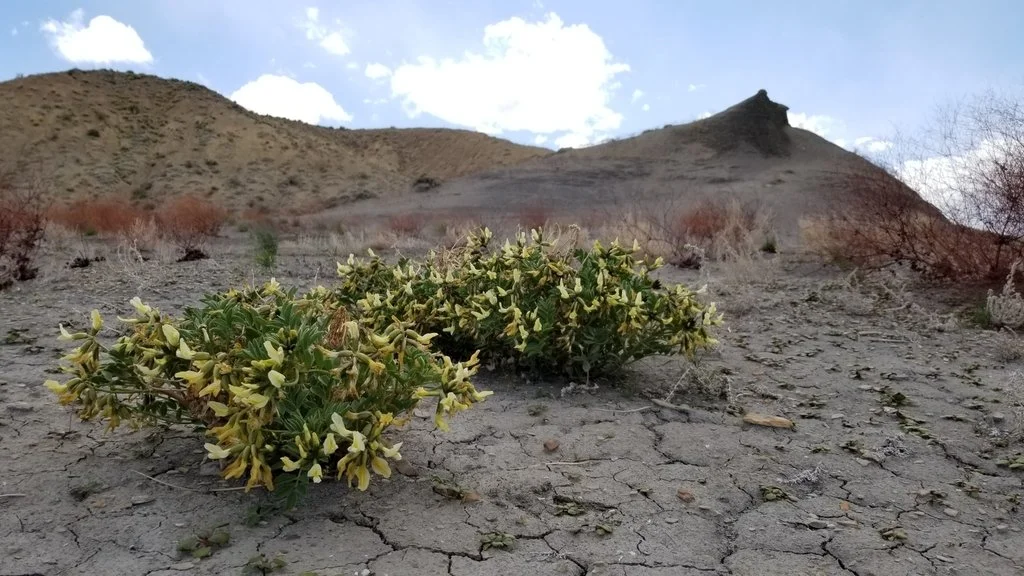
Astragalus sabulosus v. sabulosus © iNaturalist user @evolvulux
Kailey Gilbert
she/her, Botanist/Native Plant/Pollinator Project Assistant
What has been your experience working with the Utah Rare Plant Program?
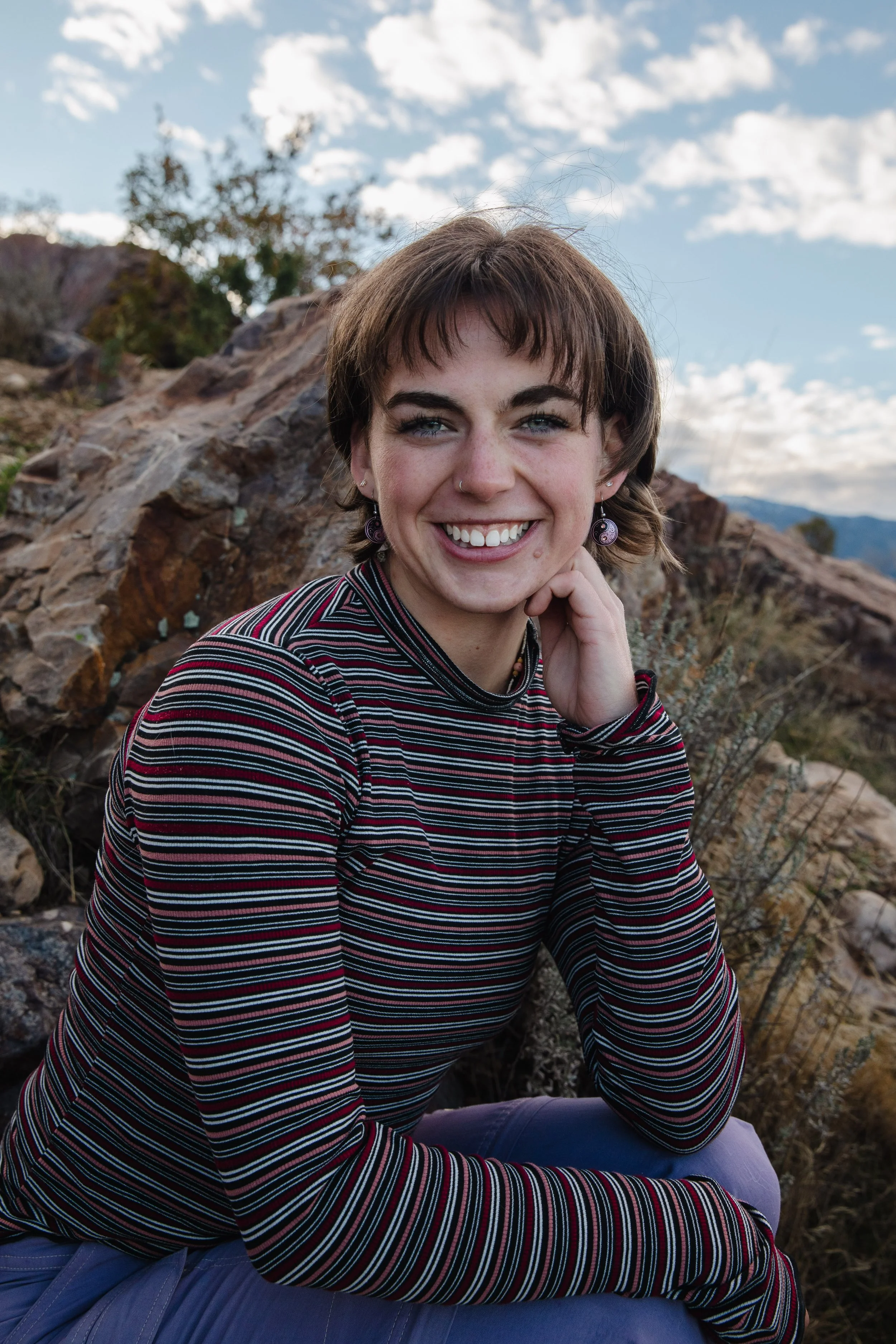
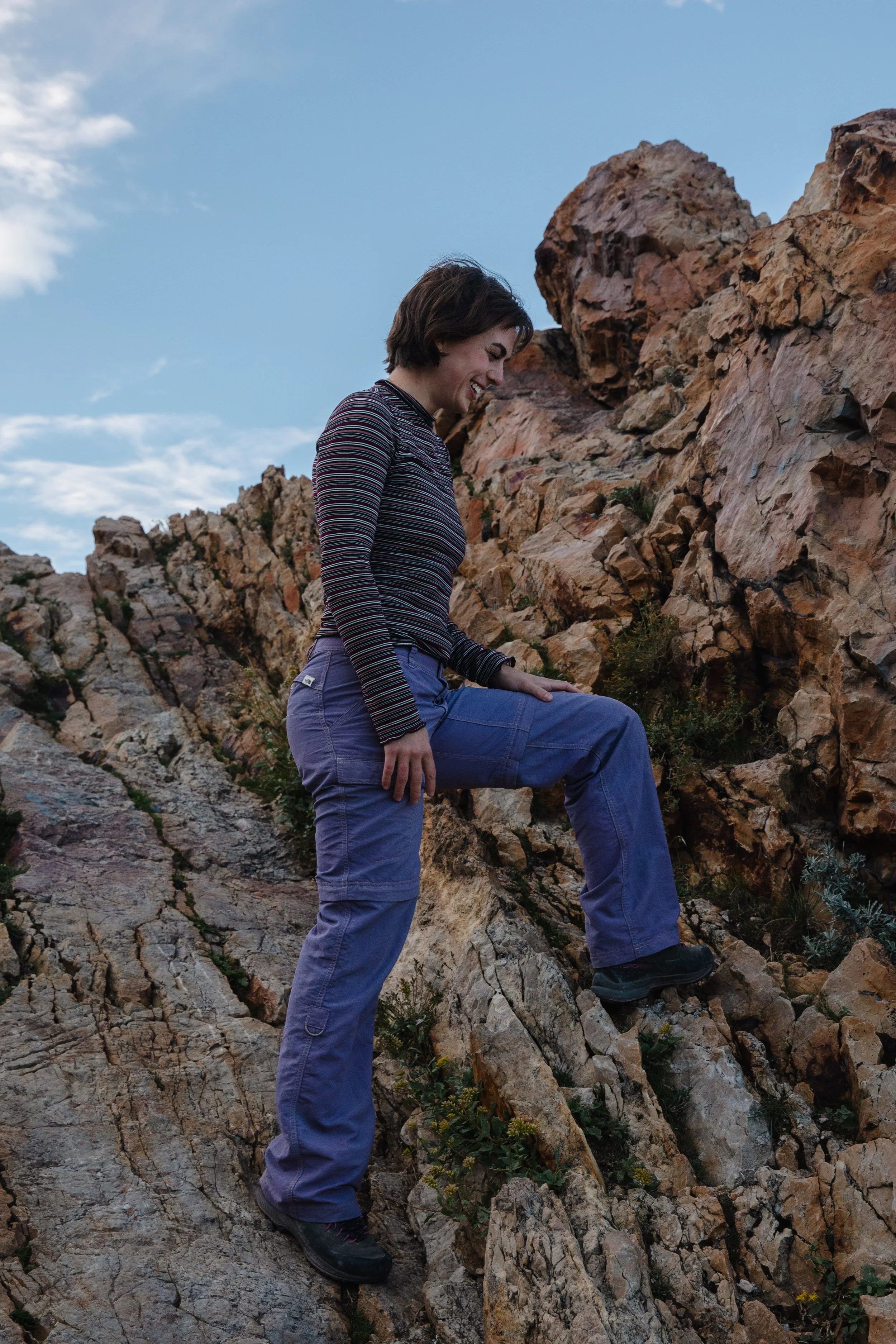
I started working for the Utah Rare Plant Program as a volunteer pulling weeds at pollinator gardens in 2024. I didn't know much about native plants at the time, and I had no idea the doors this opportunity would open for me. The more time I spent with the team, the more my interest in botany grew. After working part-time for a couple of winters digitizing paper maps and old records and adding them to our database, I had the opportunity to do a field season working as a botanist this summer! I'm still very new to botany and have a lot to learn, but I have absolutely loved having the opportunity to learn about native plants, especially rare ones, through the season. The amount of knowledge this team has is overwhelming. We chase flowers! In the early season, we spend a lot of time at low elevations and in the desert. As the season goes on, flowers bloom at higher and higher elevations, and we follow them! It's like drinking from a fire hose every hitch - there are new plants, substrates and habitats, ecosystem dynamics, reports, and management practices for every one of them, and because our program travels all over the state, these dynamics can be drastically different. This job lights my soul on fire. There's a never-ending well of information and research to contribute to, and we seek it out in the name of research, conservation and cool plants!
Can you share a memorable/favorite experience from the field?
There have been so many memorable field experiences from this season alone! How do I choose? Field season gives you a range of experiences from bizarre interactions with the public to the most beautiful and isolated moments in nature. I think perhaps the most influential experience I've had was my second hitch. I had the opportunity to travel to Grand Staircase Escalante National Monument (GSENM) to see the Heliomeris soliceps superbloom. At this point, I had seen two rare plant species, both of which we had to search for. But H. soliceps is crazy. It's this little sunflower-looking plant that dances on a bare stem. They look like little bobbling space-ships as they wiggle around in the wind. And the coolest part? There were MILLIONS of them. MILLIONS.
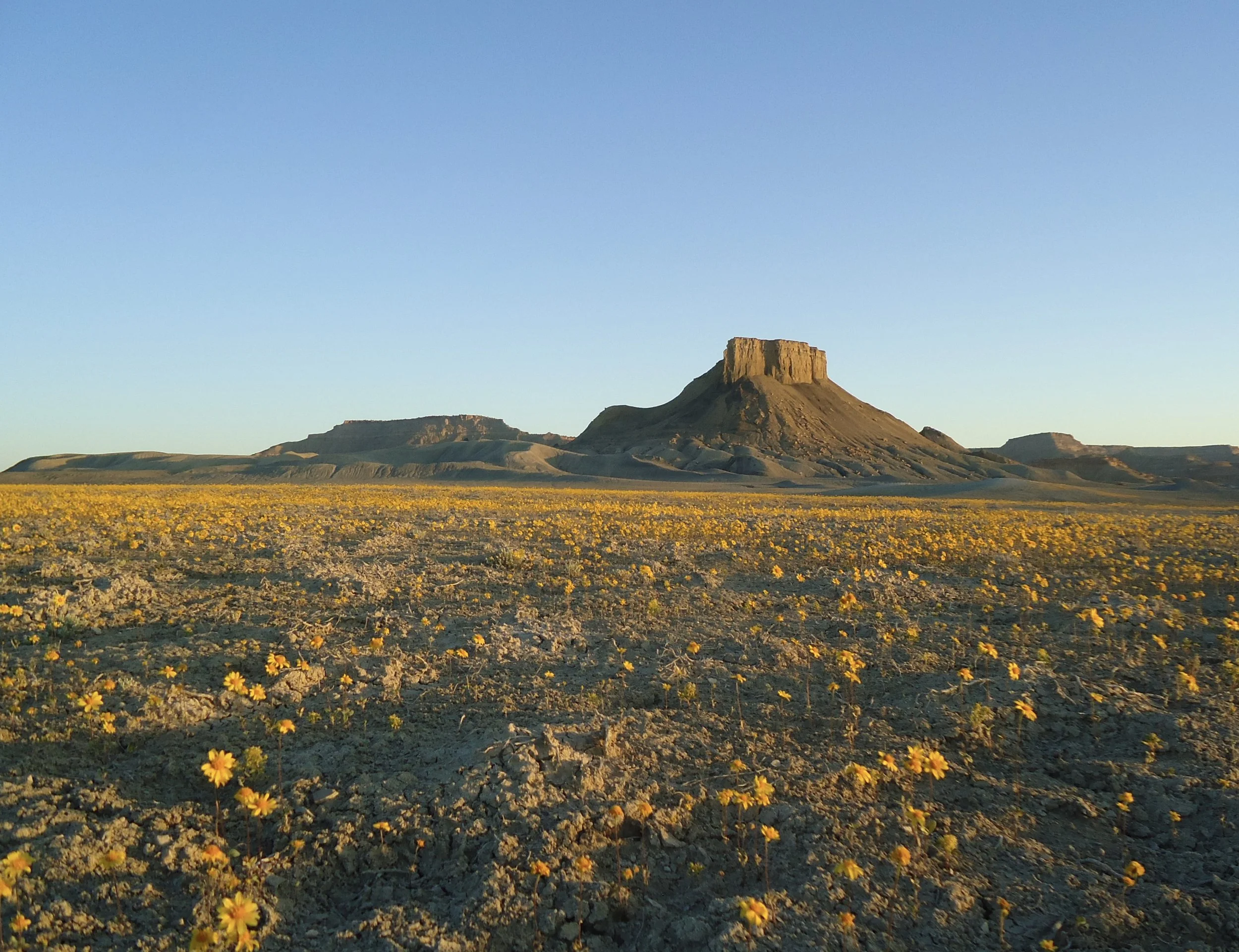
Heliomeris soliceps superbloom © Kailey Gilbert
The entire landscape was painted in yellow. The plant grows on Tropic Shale, so the contrast of vibrant yellow flowers against striking grey cliffs is out of this world. And this plant is rare! How on earth can a plant be considered rare when I'm seeing millions and millions of them in this crazy monoculture in the middle of the desert? Well, that's the thing! This plant only grows within the (old) GSENM boundaries. Its habitat stretches barely over 50 km from east to west, and it grows only in that specific Tropic Shale substrate. Most of the time, only a few of the species are found in bloom. But sometimes, under specific environmental conditions we don't yet understand, this plant puts on a show. Rare plants are weird and beautiful and breathtaking!
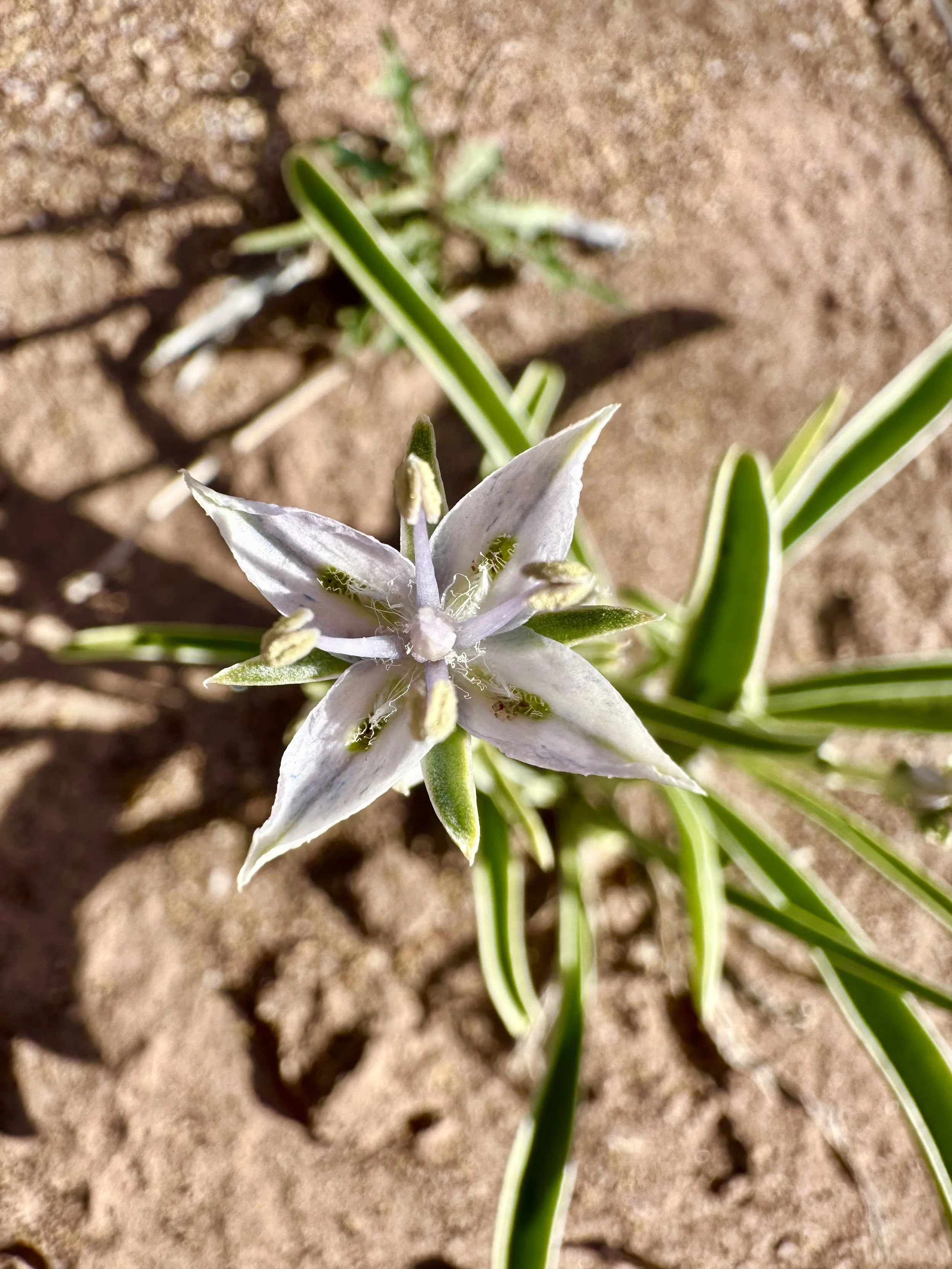
Frasera ackermaniae © Kailey Gilbert
What is your favorite rare plant species that you’ve worked with in your role?
Frasera ackermaniae is my favorite rare plant! It's related to the Monument Plant, but tiny! It has these alien flowers with purple spots and little white hairs around the nectaries. It only grows in Uinta County.
What do you wish more people understood about plants and conservation?
I wish more people paid attention to plants! The variety around us is breathtaking, and slowing down to acknowledge them is so important. I think the more I practice botany, the more I become mindful and appreciative of the world around me. There is so much beauty and value in the little things!
Meghan McCormick
she/her, Botanist
What has been your experience working with the Utah Rare Plant Program?
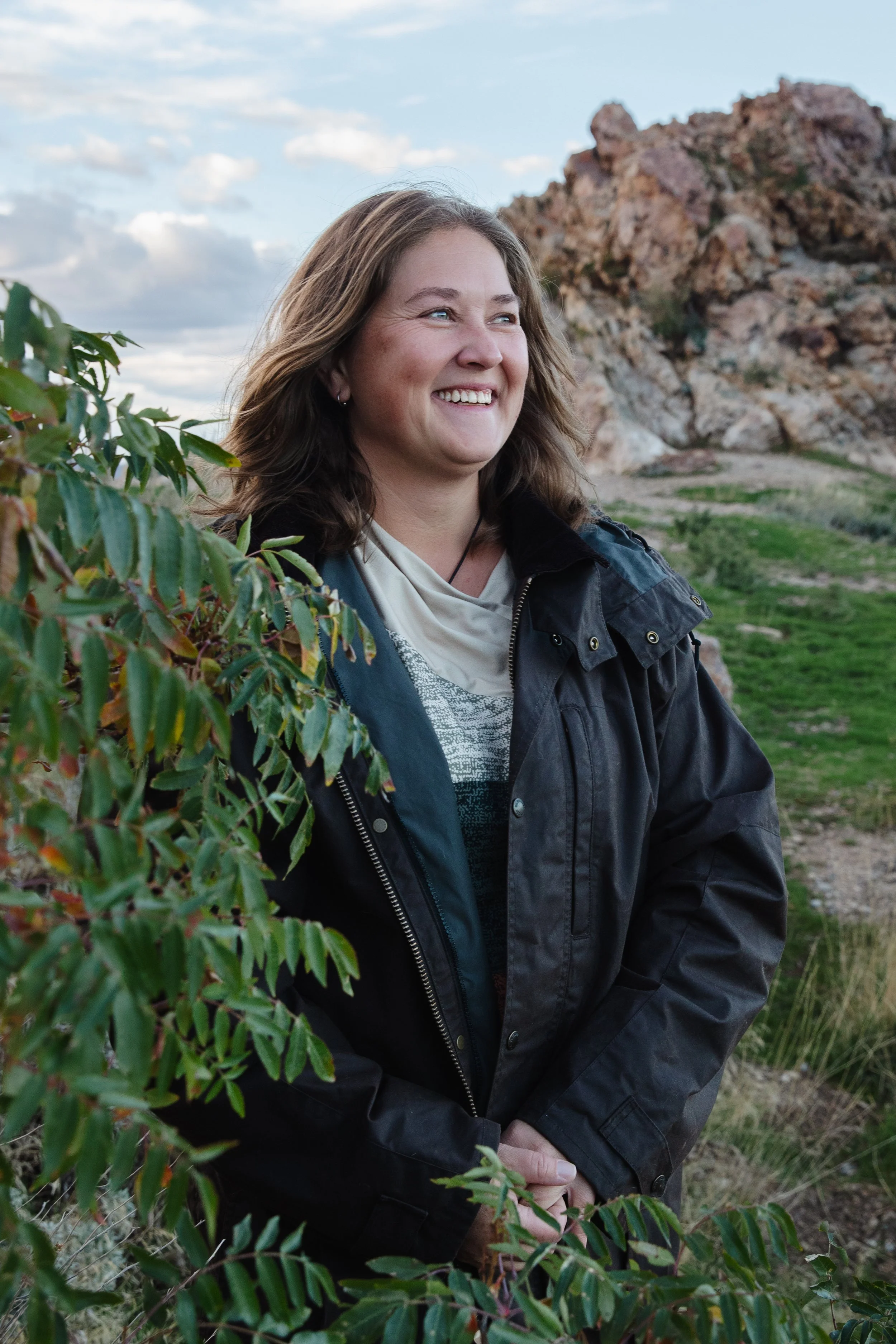
I started working with the Program in April of 2017. My favorite part of working with the Program is getting the opportunity to play a part in conserving the various species of my home while exploring areas of Utah where I would likely never venture.
Can you share a memorable experience from the field?
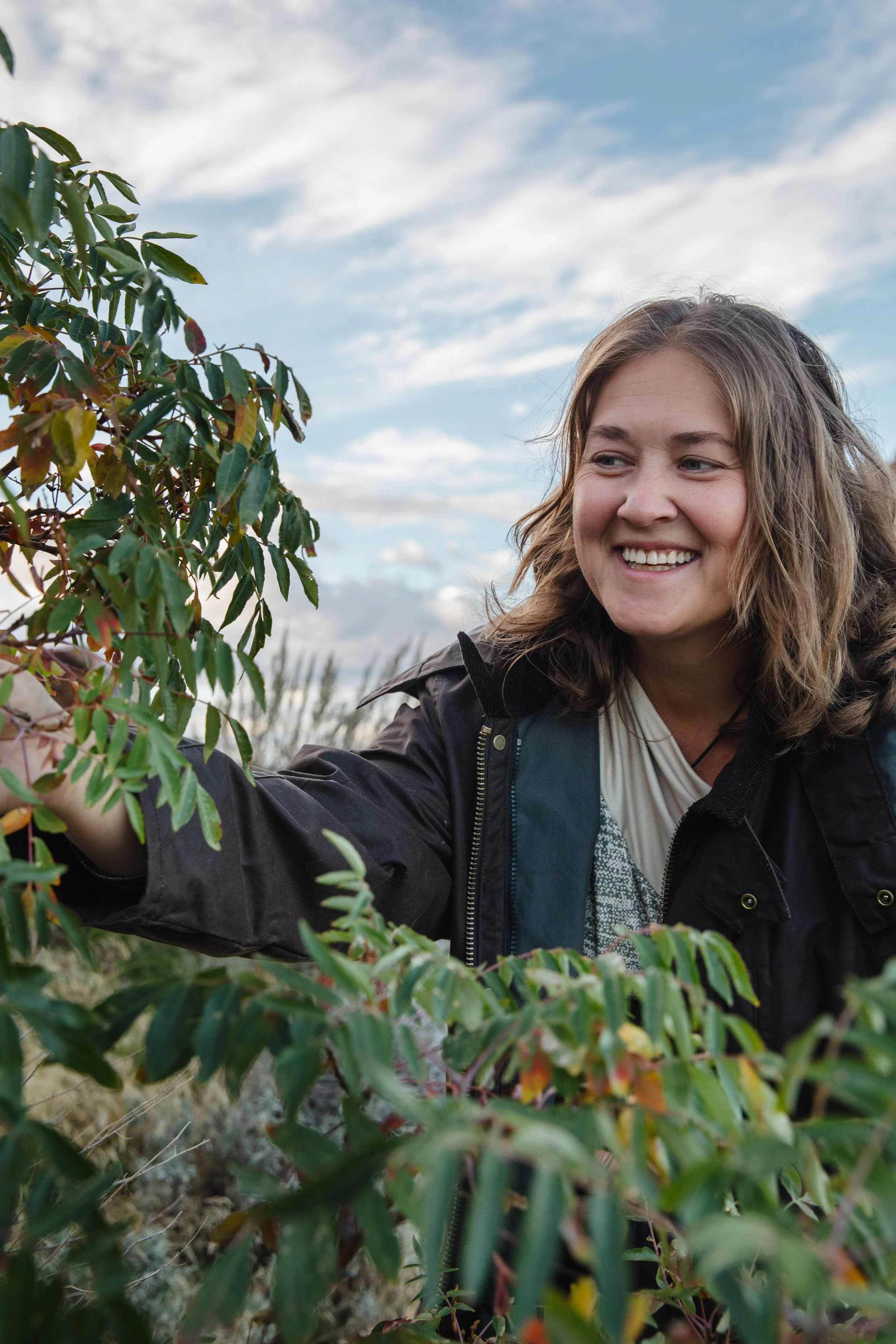
Working with Federally Threatened Heliotrope milkvetch brings many memories to mind. This adorable little mat forming plant grows on mountain tops in the central Manti National Forest where it’s known to occur in four locations within about 40 square miles total. Our team discovered the farthest east location on Ferron Mountain in 2017. We monitor population numbers on a regular basis by crawling across the ground and counting plants along transects. The weather is often interesting, the views are epic, and there is an abundance of wildflowers in full bloom. It’s one of my favorite recurring projects that we do.
What is your favorite rare plant species that you’ve worked with in your role?
I don’t know if I can pick just one favorite rare plant. There are several that have shaped the course of my life.
One plant in particular shaped my earlier years in botany. The yellow lady’s slipper orchid first came into my life from a pressed specimen my grandmother gave me when I was quite young. These orchids form fascinating relationships with fungi during their lives, but I find the mycorrhizal relationship during seed germination the most intriguing. It’s not a symbiotic relationship, but rather the orchid imprisons fungal tissue within specialized cells, then eats it. Interestingly, the fungi involved are often plant pathogens and would typically cause disease like damping off in most seedlings. It’s brilliant!
I am also fond of the Green River Shale endemics. I like walking through that habitat as there are always interesting things to see. The ground crunches like walking on broken dishes and there are fossils too. A few rare plants that come to mind are Graham's beardtongue which is especially adorable, Dragon milkvetch is quite gorgeous and Argyle Canyon phacelia is especially rare.
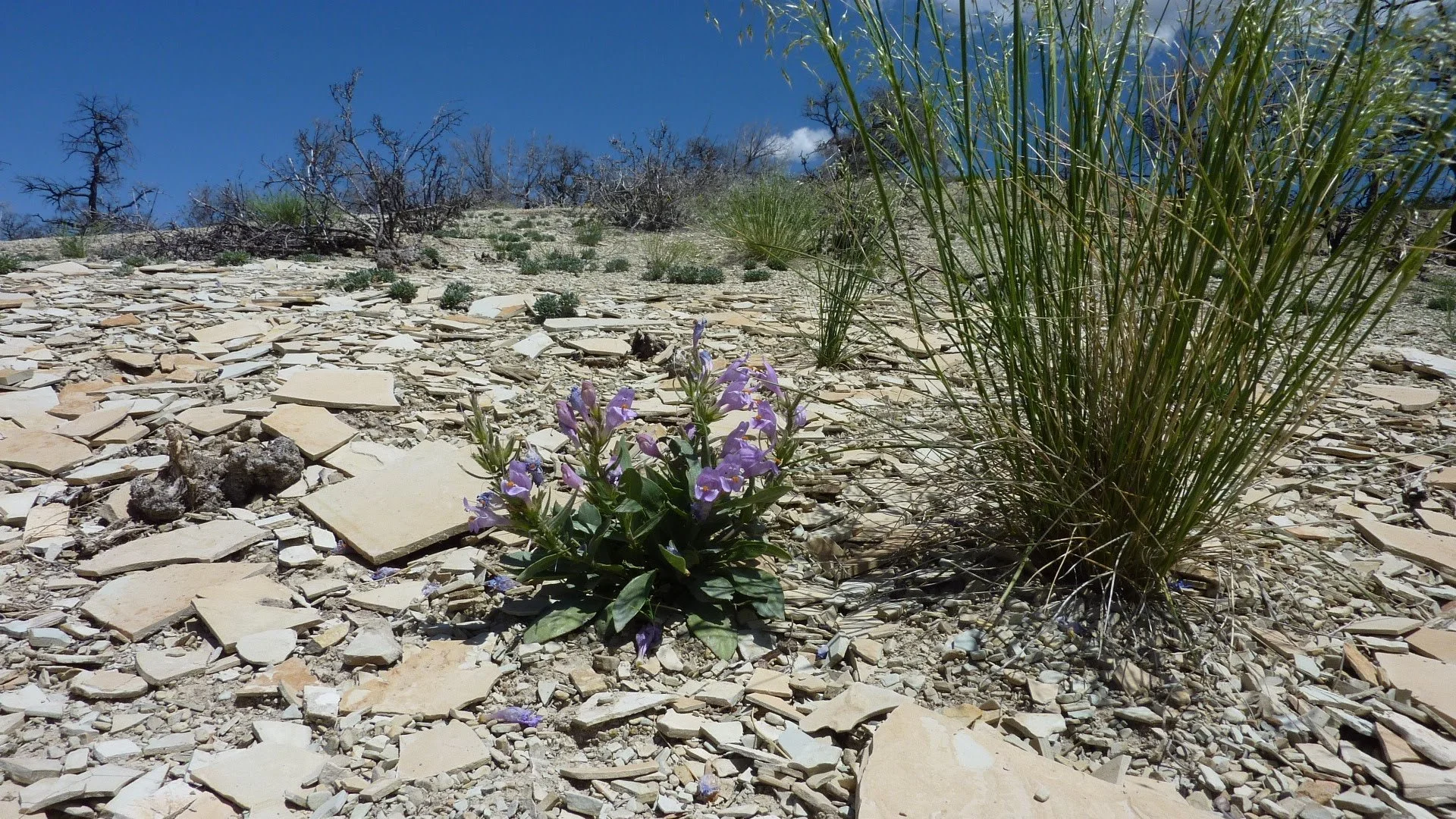
Graham's beardtongue (Penstemon grahamii) © Meghan McCormick
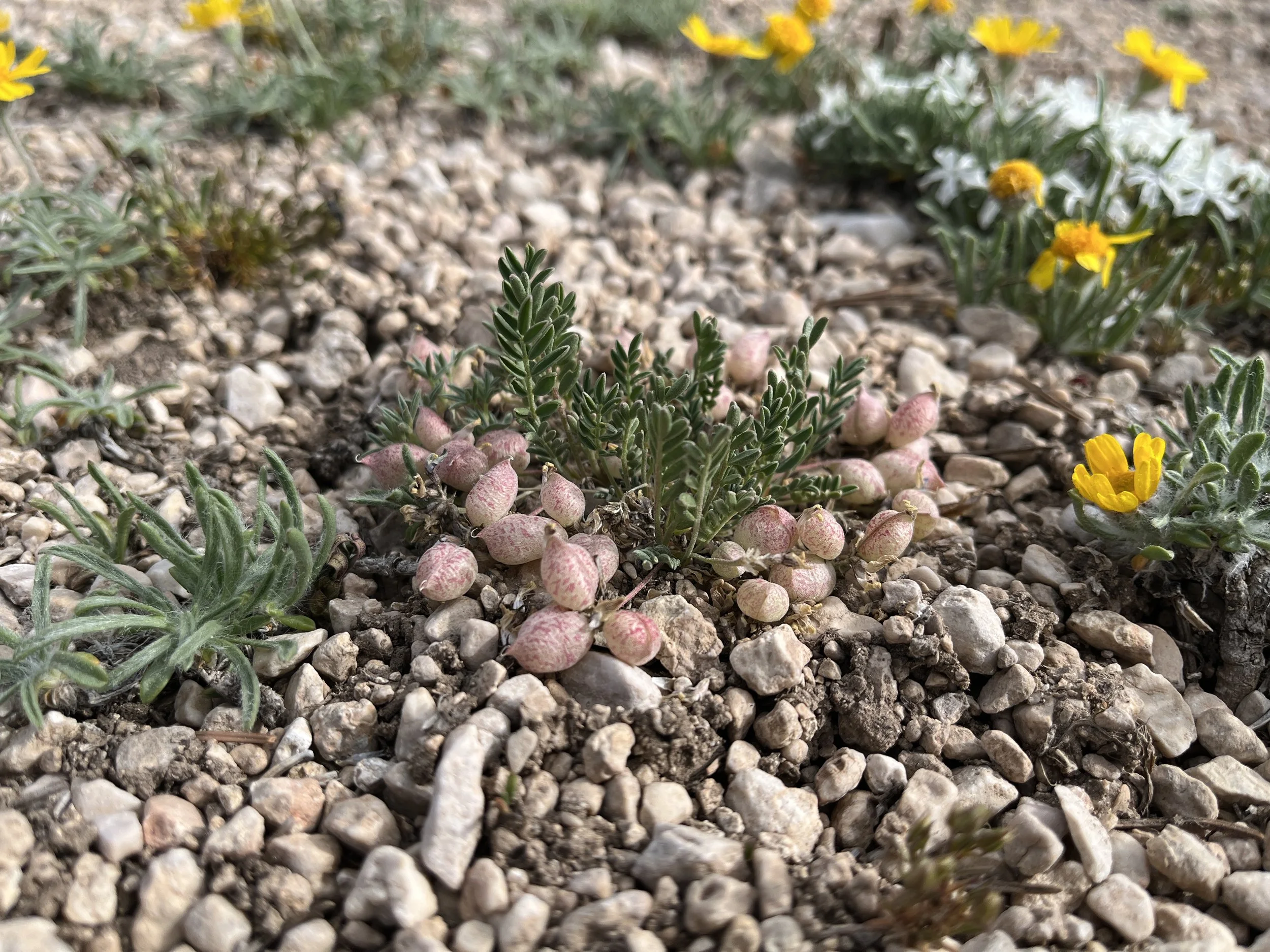
Heliotrope milkvetch (Astragalus montii) © Meghan McCormick
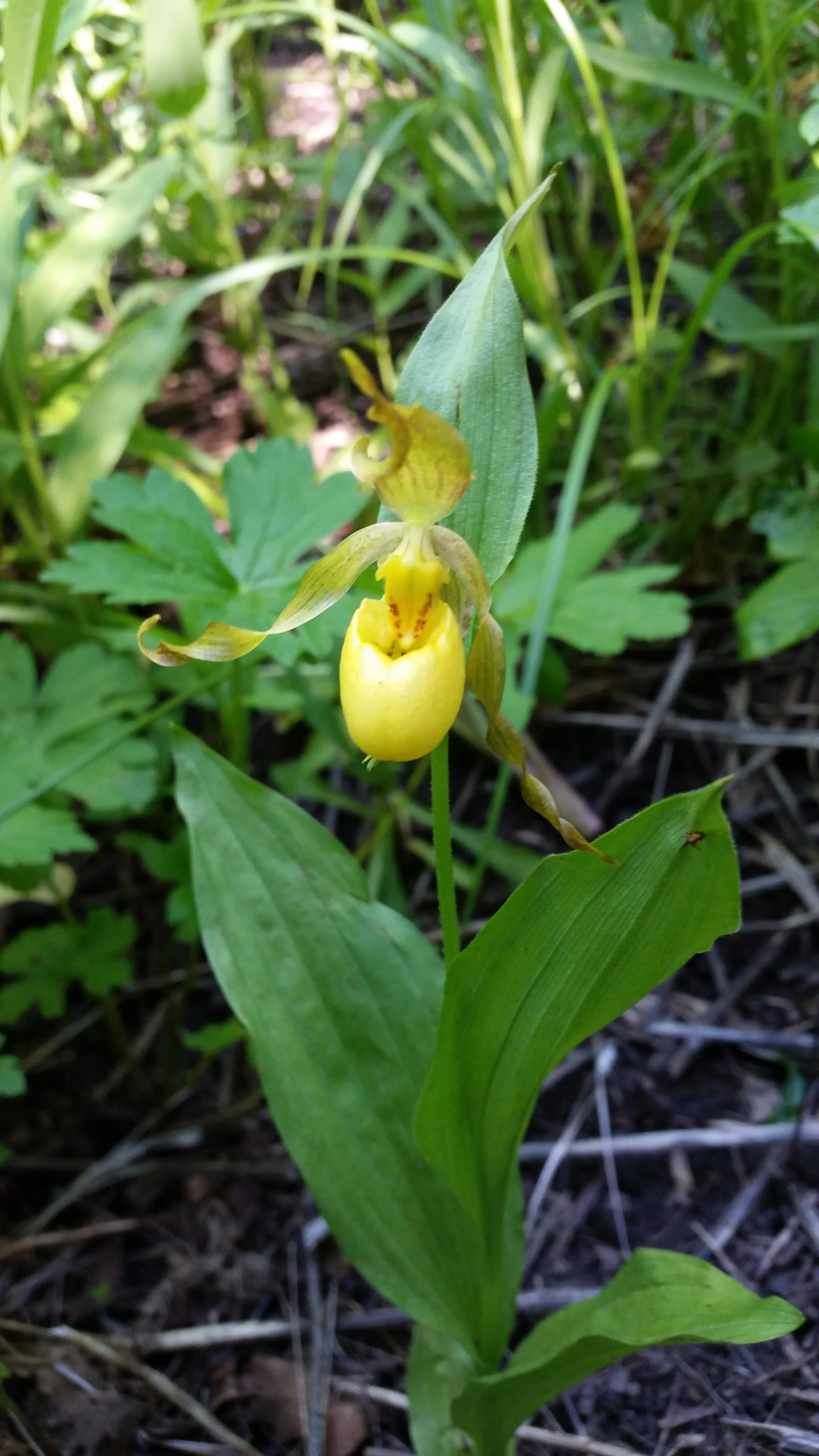
Yellow lady’s slipper (Cypripedium parviflorum) © Meghan McCormick
What do you wish more people understood about plants and conservation?
I wish plant blindness wasn’t a thing and that more people understood the importance of plants beyond just habitat or forage for animals.
Bailey Spears
she/her, Field Botanist
What has been your experience working with the Utah Rare Plant Program?
My experience working with the Utah Rare Plant Program has been one of continual learning. I’ve learned so much out in the field with my coworkers, who each have their own collections of knowledge and experience. Even when I’m out surveying alone, there’s always something new to notice or question. This experience has also been rewarding. I feel lucky to have a role that allows me to contribute to the conservation of Utah’s flora. I appreciate getting to spend my days learning about plants and then communicating what we learn through writing and reporting. I genuinely enjoy what I do, and I feel lucky to have that opportunity.
Can you share a memorable/favorite experience from the field?
One of my favorites was surveying for Aquilegia holmgrenii. Its flowers can be deep red, and its ability to find a shady crevice and establish in an otherwise adverse habitat is impressive.
On this trip we backpacked for three days, surveying for A. holmgrenii around Escalante. Every day, the landscape we were in was strikingly different. We started on a trail with petrified sand dunes, then dropped into a lush canyon where the river was the only path (the sides were full of poison ivy). On the last day, sandstone walls towered on either side, and we climbed up prospective gullies to check for our target. Working with my team to navigate the logistics of these kinds of surveys is also part of what makes the experience memorable.
What is your favorite rare plant species that you’ve worked with in your role?
Picking a favorite is hard, because I like different plants for different reasons. If I have to choose one right now, I would say Aquilegia scopulorum, either var. scopulorum or var. goodrichii. Overall, I just like Aquilegia. There are some interesting hypotheses about the genus’s evolutionary history, and the nectar spurs are a fun feature that points to the relationship between plants and their pollinators.
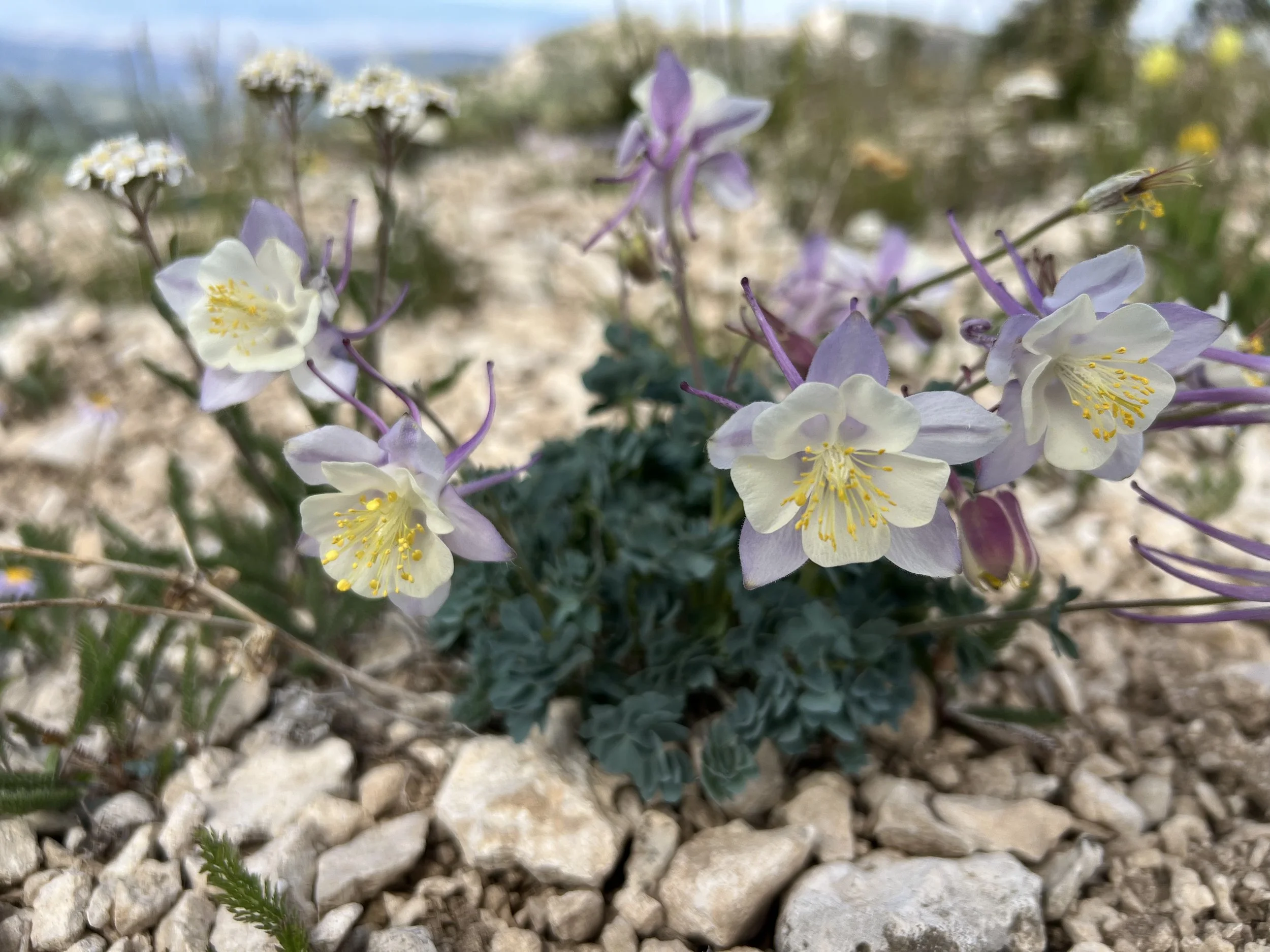
Aquilegia scopulorum v. scopulorum © Bailey Spears
What do you wish more people understood about plants and conservation?
Rare plant conservation supports biological variety, which contributes to a resilient ecosystem. For rare plants in particular, I’d like people to understand why even a small population matters, and why we wouldn’t be okay with only a few plant species across Utah.
Most of us understand that ecosystems are interconnected and that removing pieces can be detrimental. Different plant species may play similar ecological roles, but each has its own evolutionary history and adaptations to where it grows. Rare plant populations can contribute to the genetic variety that helps taxa persist over time, which includes their specialized relationships with other organisms.
Studying and documenting rare plants can indicate the health of our ecosystems and how they change. If we don’t know what plants are out there, then we won’t understand what is being lost.
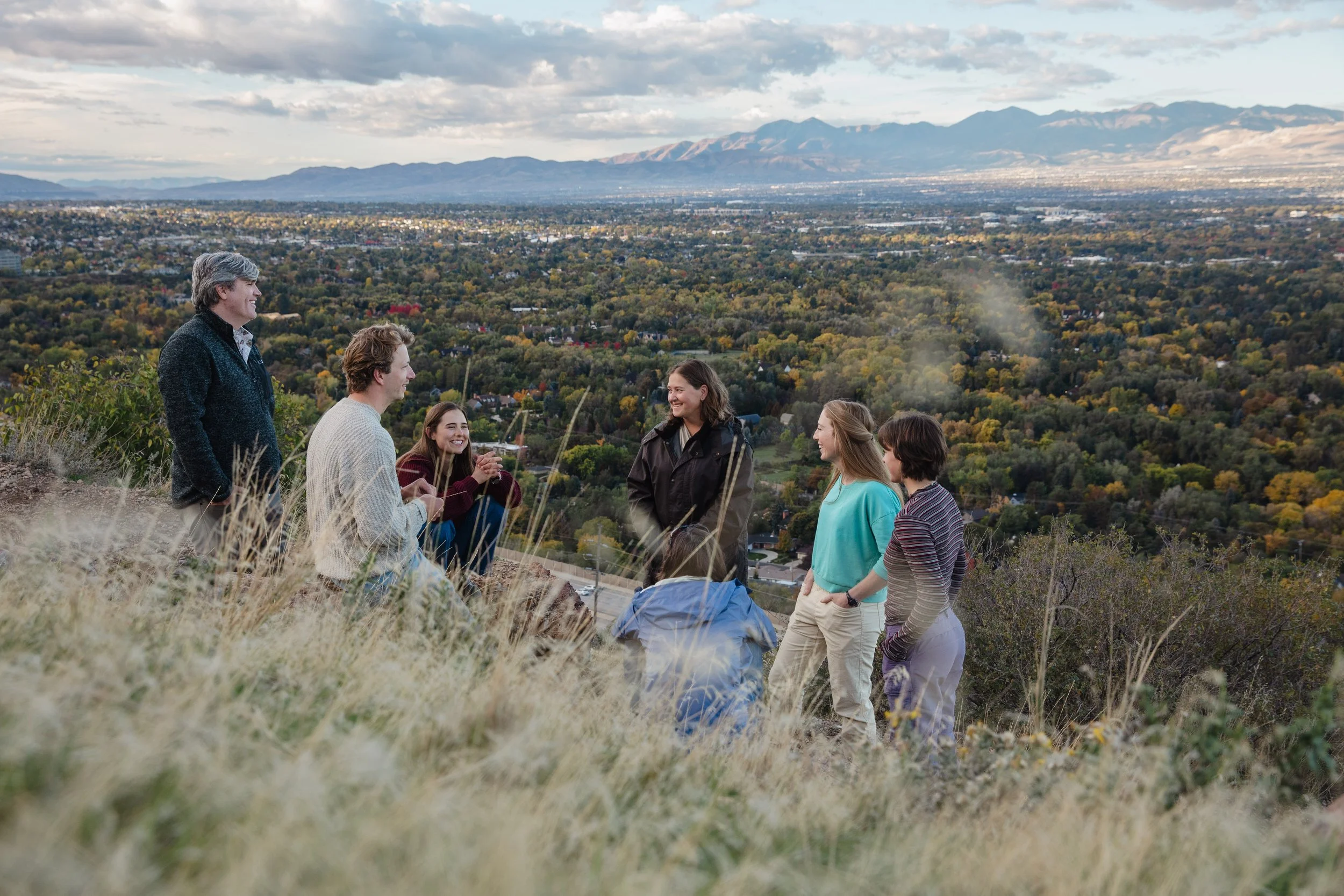
Thank you to our partners at Utah’s Rare Plant Program for your dedication to these remarkable species! It’s through collaborative efforts like these across the state that conservation is made possible.
You can support this work by logging observations of rare plants to the Utah Plants of Greatest Information Need (SGIN) project on iNaturalist. Each observation allows scientists to learn more about these “lesser known” plant species and prioritize rare plant conservation across the state.
To stay up to date on the Utah Rare Plant Program, follow along on Instagram, and reach out with any questions or for more information to outreach@utahrareplantprogram.org.
Interview & photos (unless otherwise noted) by Sierra Hastings