Introducing our New Program Manager!
We are thrilled to welcome Kelsie LaSharr to the Sageland Collaborative team as our new Program Manager! Kelsie will lead our Fence Restoration Program, working with our community to implement wildlife-friendly fence projects with the goal of improving the health of wildlife populations while supporting the stewards of our working lands.
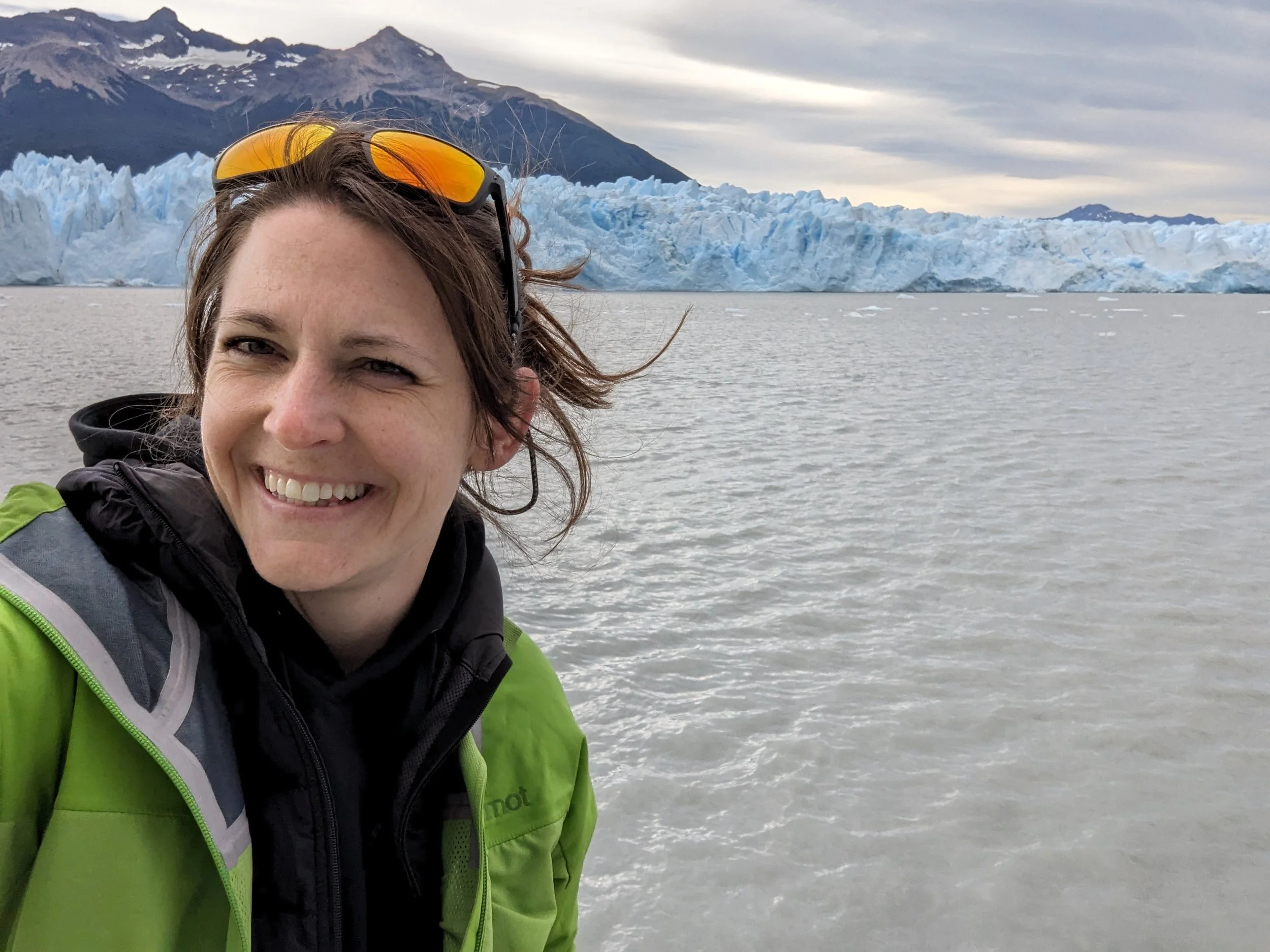
With an impressive background working as the Statewide Elk Coordinator with Minnesota’s Department of Natural Resources, Kelsie is no stranger to working in collaboration to find solutions to complex wildlife management challenges.
Get to know Kelsie in our interview with her below.
Can you tell us what interests you about Sageland Collaborative?
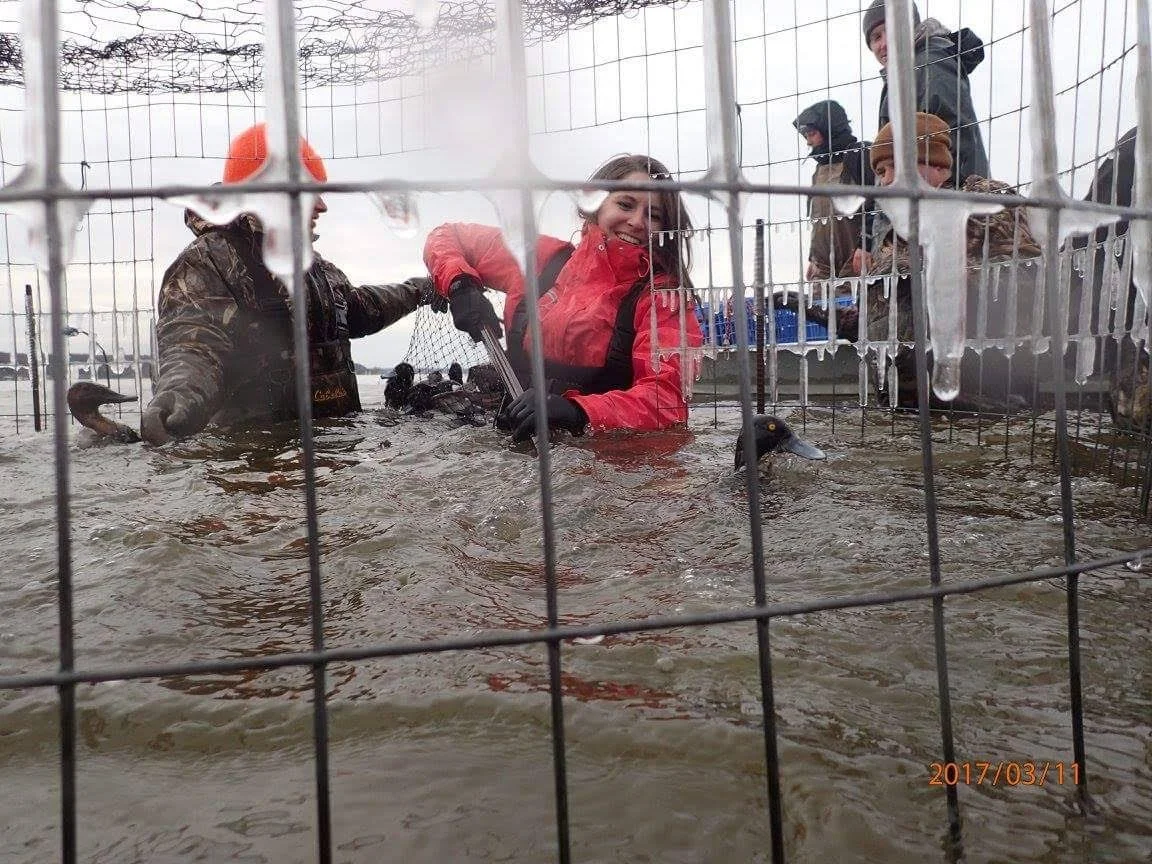
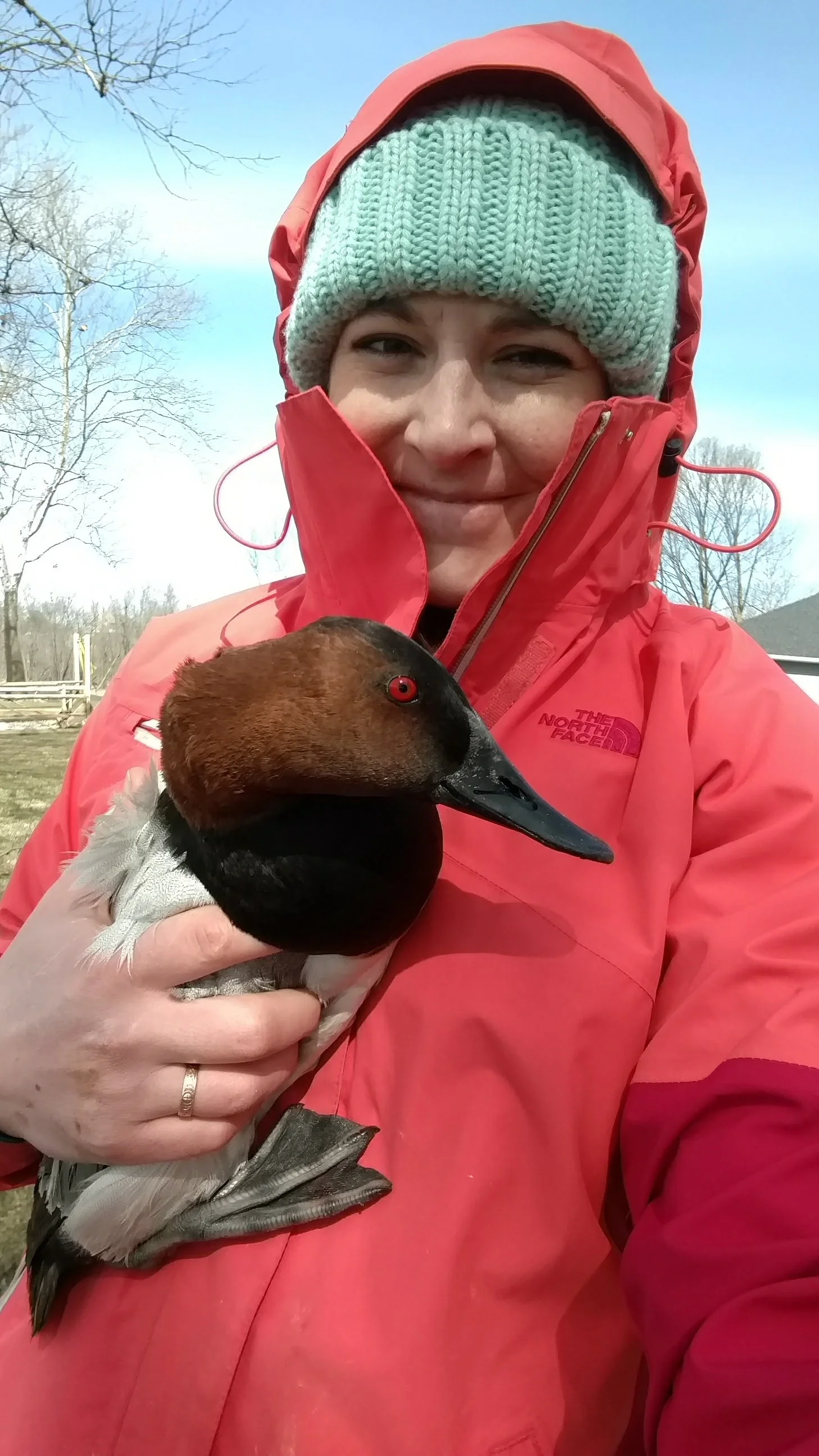
When I heard about this organization, the overall mission really resonated with me. Collectively, those of us in the conservation world have a good grasp for what needs to be done, but not every organization has the capacity (staff, funding, supplies) to actually accomplish those goals. Sageland Collaborative is that answer – find the gaps where work needs to happen, make the partnerships, track down the funding, engage volunteers, landowners, and the public about the work, and then get the job done. And on top of all of that is Sageland Collaborative’s commitment to using a foundation of science to do the best possible work for wildlife and the habitats they live in.
What are you most excited for in this role?
I am most excited about working with partners and landowners to find mutually beneficial solutions. I love the idea of supporting working lands while knitting fractured landscapes back together. Although fence restoration work often happens on a small scale, these small projects can have big impacts on wildlife and human relationships. Working together with landowners and conservation partners helps highlight that we’re all looking for better solutions that benefit everyone. And, at the same time, every fence that is retrofitted can make an impact on individual animals moving across the landscape.
Can you tell us a bit about your background?
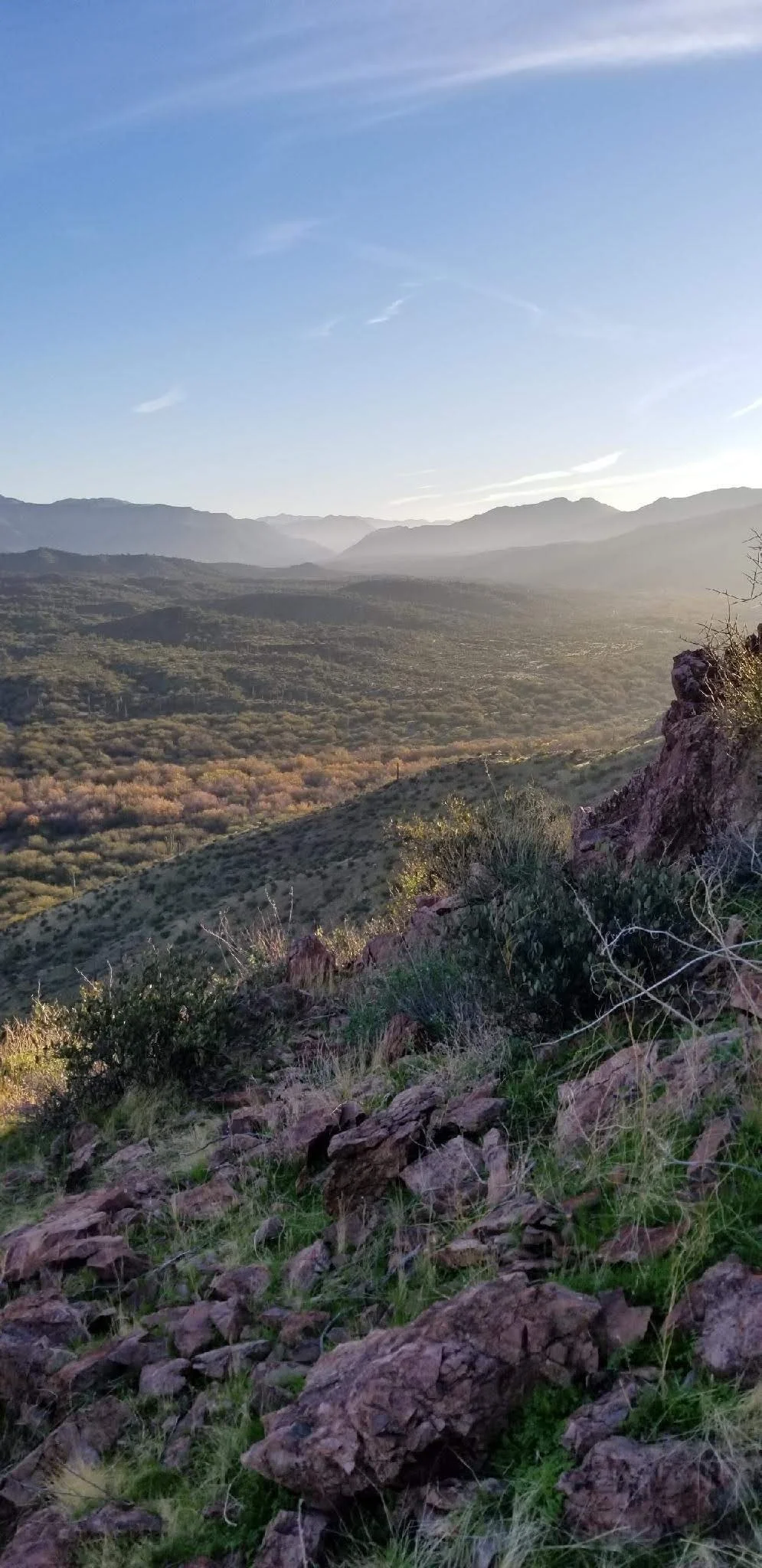
I grew up in Arizona and was incredibly lucky that my parents loved to camp and took us to the Colorado Plateau several times each year. We spent a significant amount of time on public lands around Flagstaff, Moab, and Durango. I moved to Tucson to go to school and worked for the University of Arizona for a few years; I love the Sonoran Desert and all of the opportunities for hiking, wildlife viewing, and just being outside. Eventually, I found an opportunity for graduate work in Minnesota, so I decided to try the upper Midwest for a few years. The day after I finished school in Minnesota, I started with the state wildlife agency and continued to work for them for the next nine years. I’ve dabbled in a lot of different conservation fields over the years, from contaminant research to human dimensions work aimed at understanding hunter behavior, and most recently as a wildlife biologist focused on wildlife disease and elk management.
What has been your most memorable day in the field?
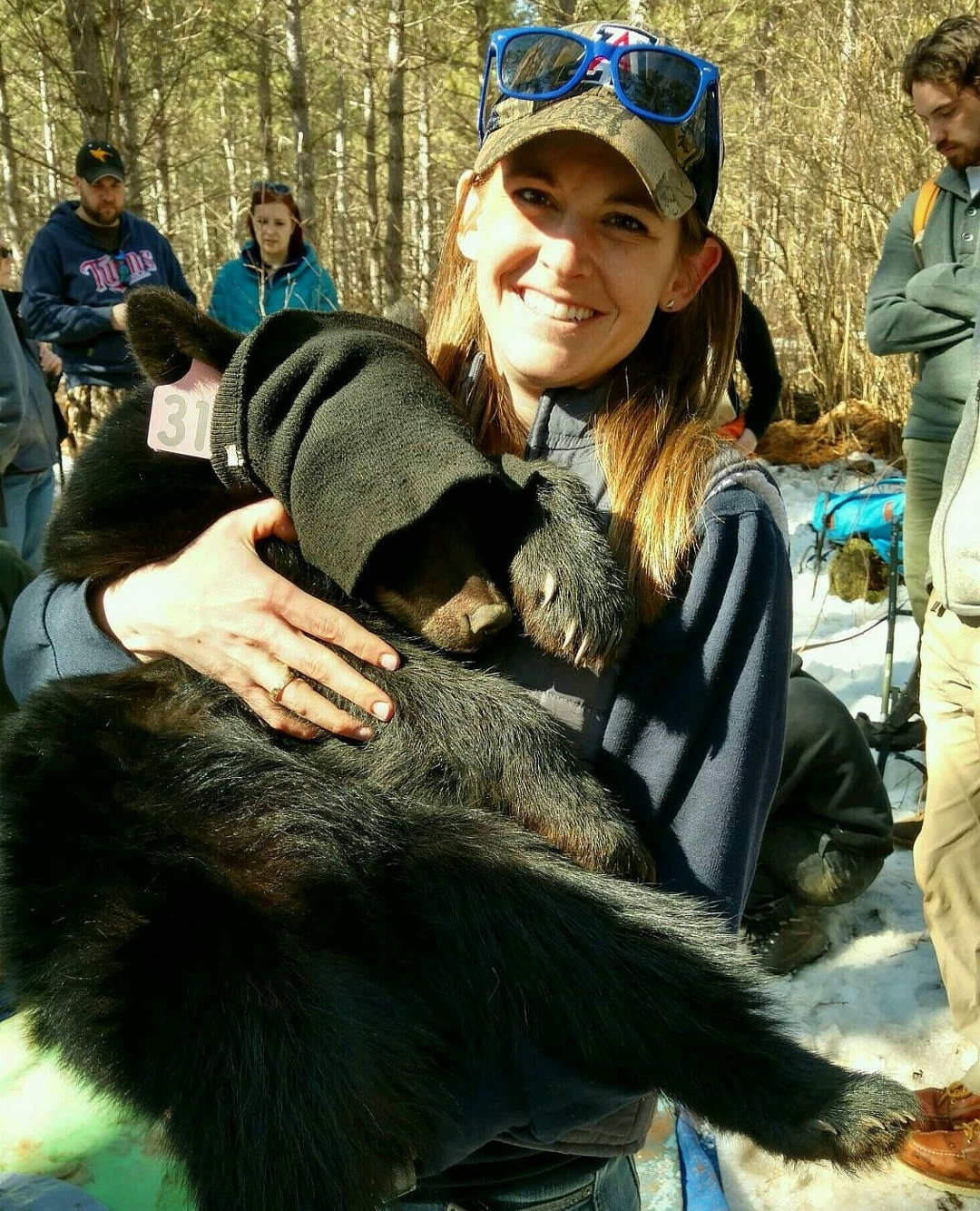
As a wildlife biologist, I have had several memorable days in the field from catching elk to place GPS collars, crawling into a hibernating bear den to monitor cub health, to working with hunters on disease monitoring projects. But one of the most unique experiences I had was in Minnesota.
The Minnesota DNR led a project looking at causes of mortality for the adult moose population in the northeast portion of the state. Moose were captured with helicopters and equipped with a collar that would provide GPS locations every few hours and would notify scientists if the animal stopped moving for 8 or more hours (likely a result of the animal dying from disease, predation, or other causes). After 3-4 years, the collars were programmed to drop-off the animal, so researchers could collect the collar and download additional data that was collected while the moose was wearing it.
I came on board as the project was wrapping up, and we needed to retrieve a number of these dropped collars from the field. One of the moose in the study moved up into the Boundary Waters Canoe Area (a 1-million-acre protected Wilderness Area) during the winter, and the collar was ‘dropped’ within this special designated area. Wilderness Areas prohibit the use of motorized vehicles, so we couldn’t go in on snowmobiles, ATVs, or use a motorized boat in the spring. At the same time, we were concerned that the collar may have dropped on the ice and we needed to retrieve it before everything melted and the collar sank to the bottom of a lake.
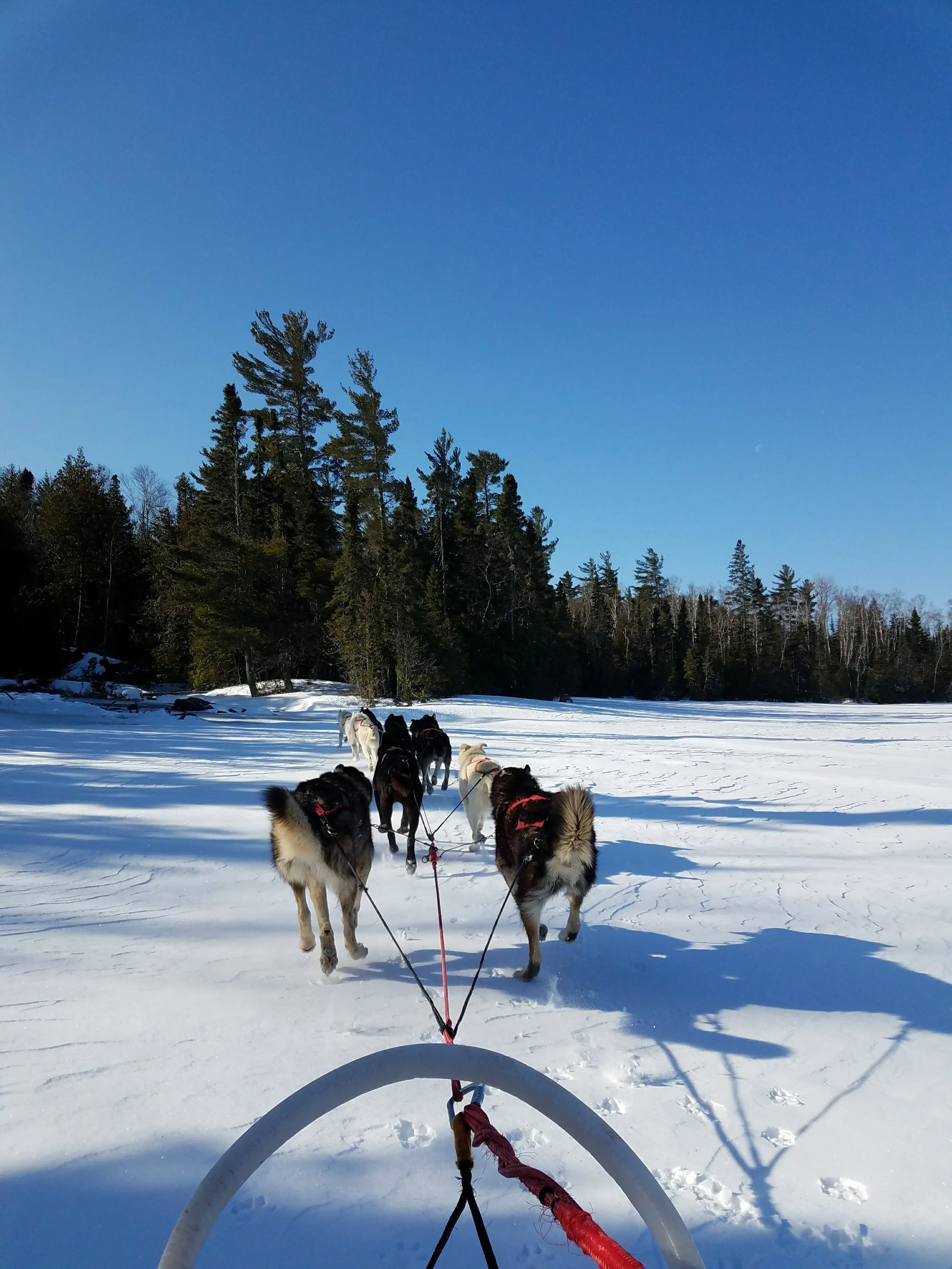
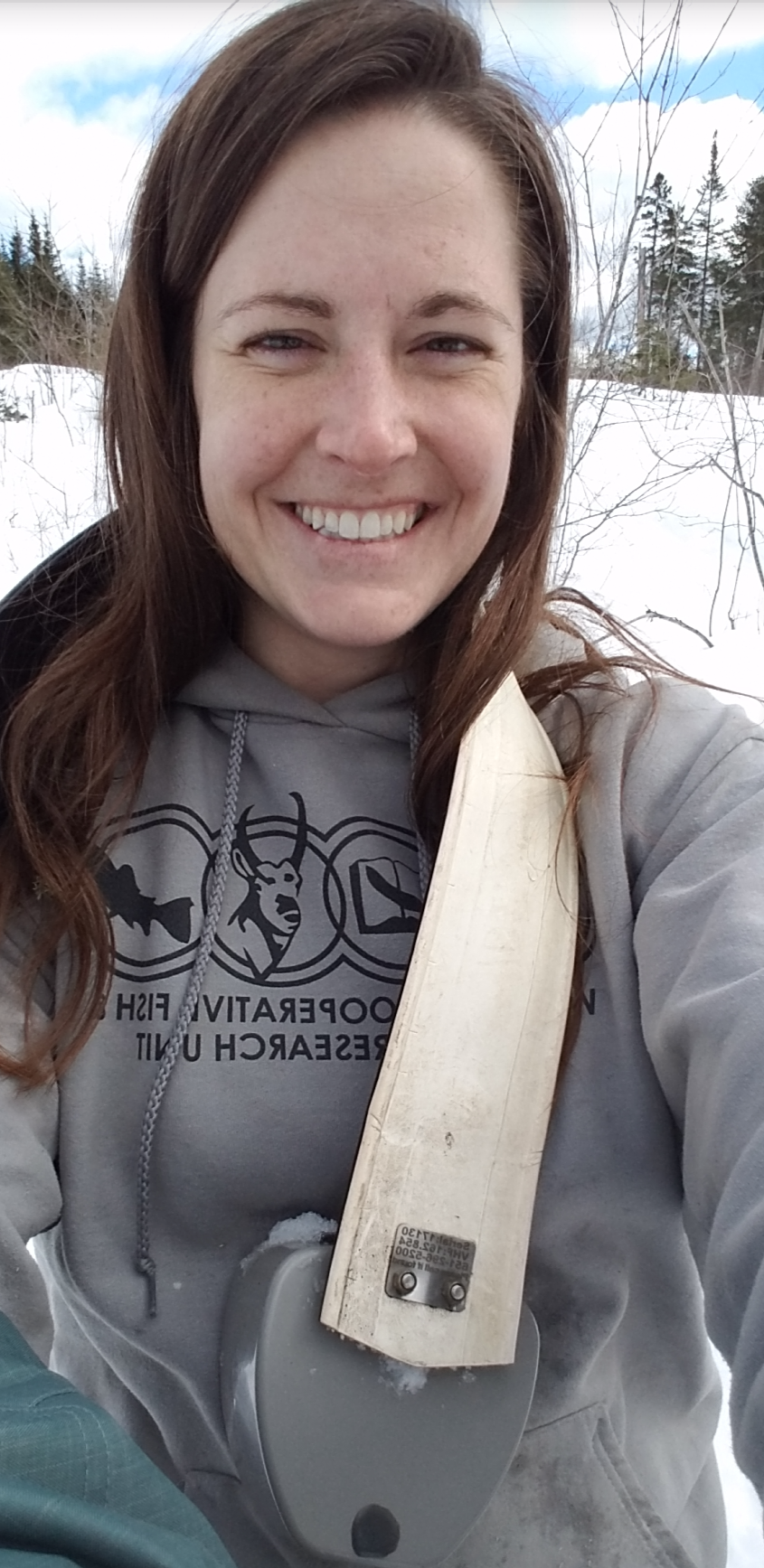
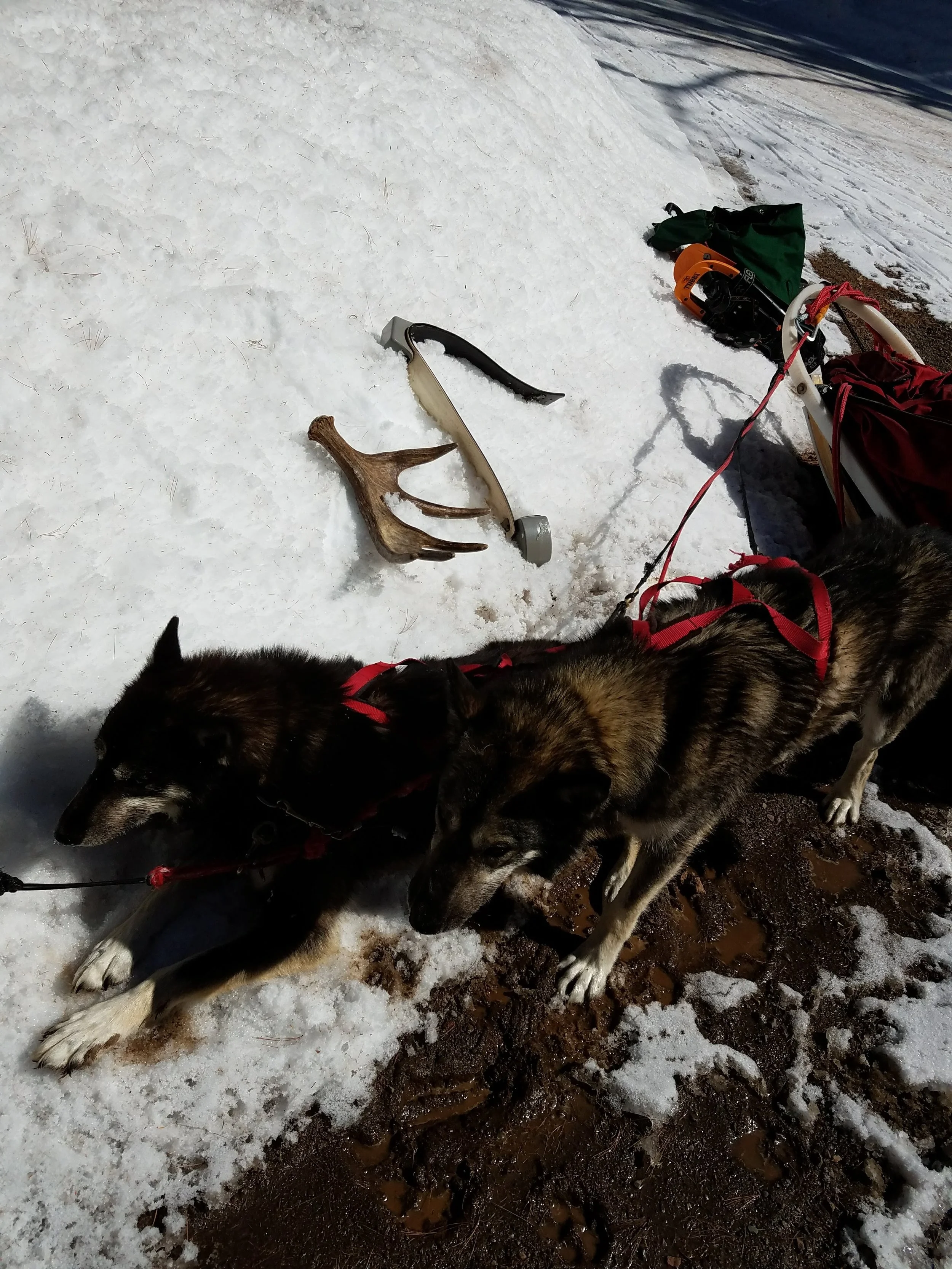
Our solution was to hire a sled-dog team! In early April, we set out and crossed 6 frozen lakes and portaged across 5 landmasses, going about 15mph the whole way. The dog sled team consisted of 11 dogs, the guide, and myself. After we got as close as we could with the dogs, I slapped on my snowshoes and hiked the rest of the way until I found the collar using VHF equipment. Along the way, we also found a moose shed that had been embedded in the ice earlier that spring! This was a one-day, highly successful trip that I will always remember as one of the coolest experiences I’ve ever had.
What do you love about Western wildlife, conservation, etc.?
When I think about conservation in the West, I think about the incredible intersection of heritage and stewardship. Western heritage isn’t just a look or a lifestyle; it’s the culmination of history and culture that directly impacts how and why modern conservation works today. Stewardship in this region is a complex, shared responsibility that bridges the gap between Indigenous culture, ranching traditions, and public policy. By honoring the deep roots of Indigenous knowledge and the vital role of working ranches, we can create a conservation model that is as resilient as the landscapes themselves.
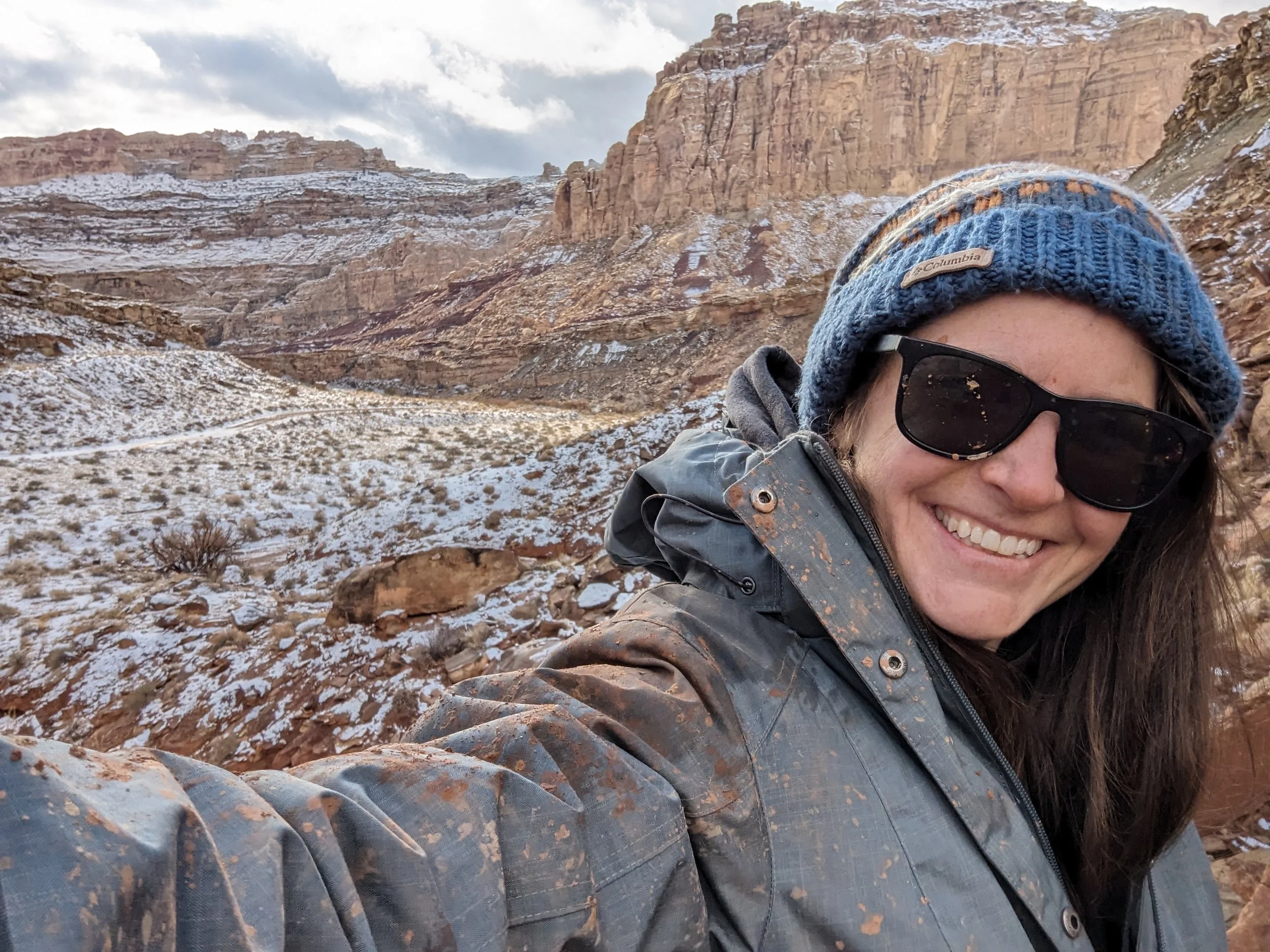
What do you wish people understood about wildlife movement?
In the arid landscapes of the West, wildlife frequently moves, driven by a biological need to be exactly where the resources are. For iconic species like mule deer, pronghorn, and elk, survival depends on annual migrations that are far from random; they are ancient, hardwired journeys following the flow of water and forage. However, as these historic routes are fragmented by development and resource extraction, we put these populations at risk. When we sever a migration corridor, we don't just block a path; we erase a generation’s map to survival. By prioritizing landscape connectivity, we are protecting wildlife and ensuring the long-term health of our shared ecosystems.
What else would you like people to know about you?
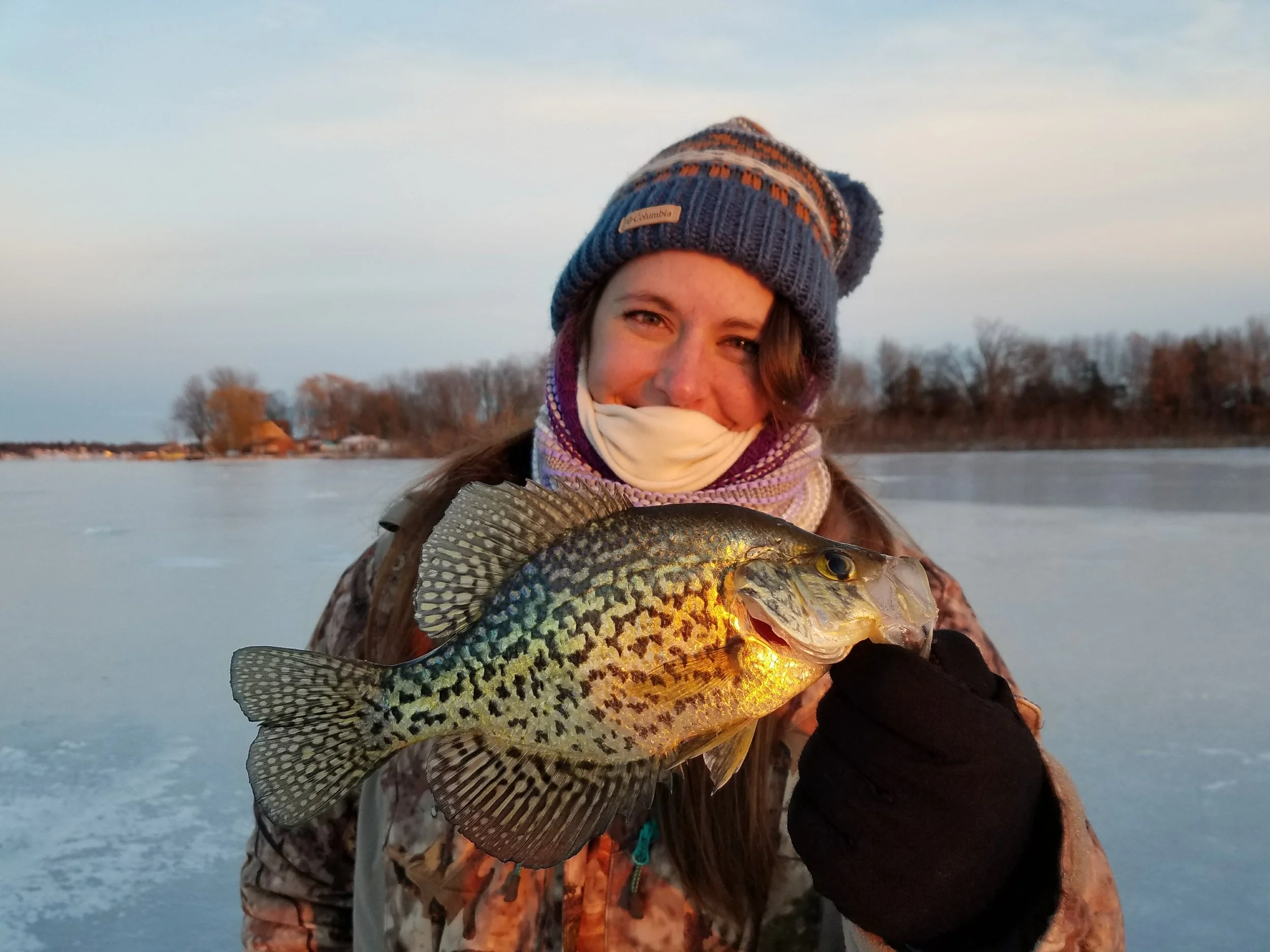
I’m not afraid to work hard and play hard!
My husband and I love eating food with ingredients we harvested ourselves from the garden, foraging, or while hunting and fishing. I am an adult on-set hunter — I didn’t grow up doing it, but it’s part of my identity now and I look forward to each fall and the chance to be outdoors with friends and family with the ultimate goal of bringing home food to eat for the following year. We also love to travel and had the opportunity to spend a few weeks in both Patagonia and South Africa over the last few years. When we’re not running around doing house projects, gardening/yard care, or hiking, you’ll likely find me nose-deep in a book!
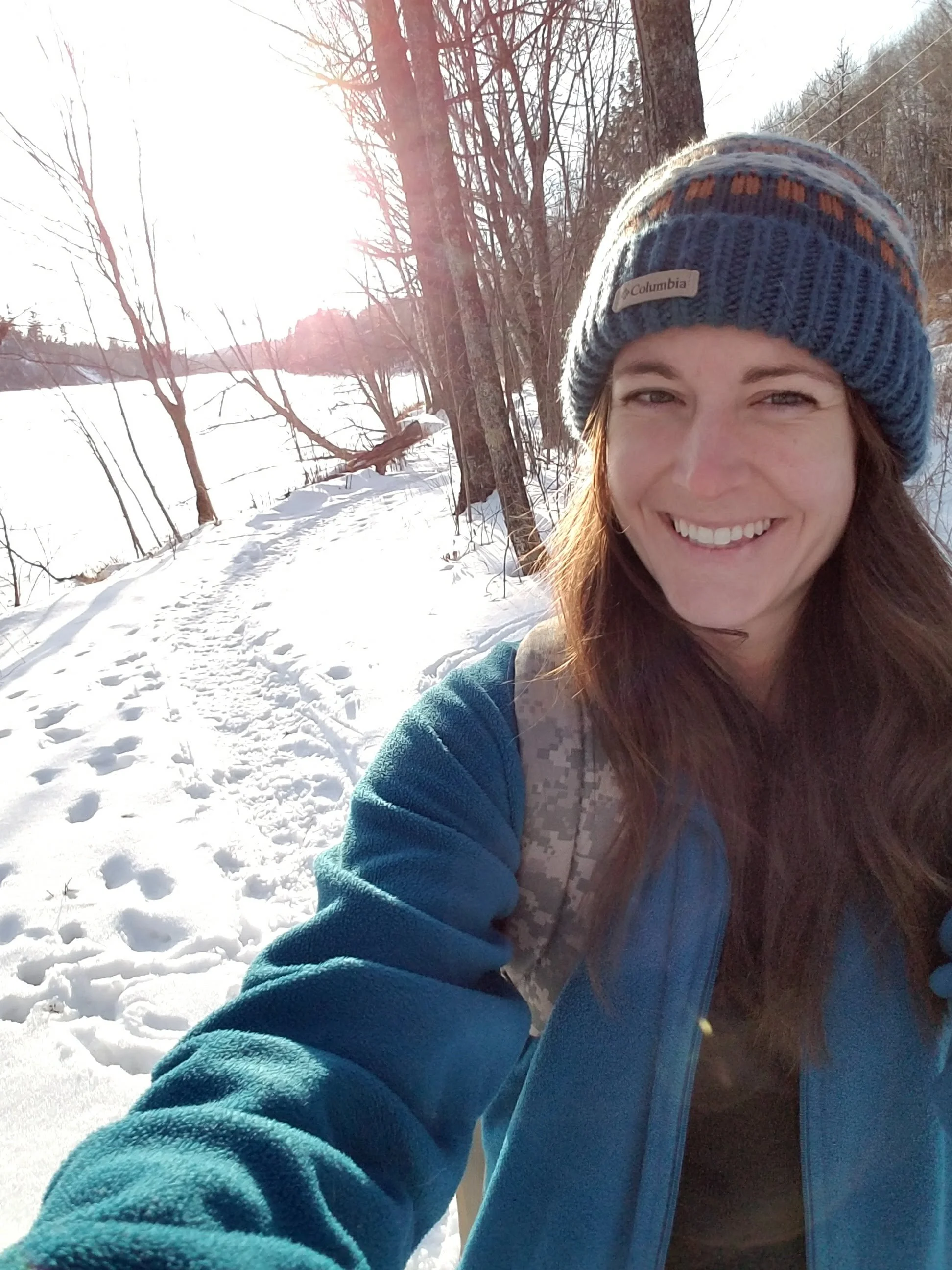
Kelsie started with the Sageland Collaborative team in March 2026. After growing up in Arizona and then spending a decade in Minnesota, Kelsie is excited to return to the Intermountain West to foster partnerships and implement conservation efforts that will benefit a variety of wildlife species.
Interview by Sierra Hastings
Photos shared by Kelsie LaSharr