Summer in the Life of a Riverscape Intern
Summer 2026 with Riverscape Restoration Intern, Kort Maeda
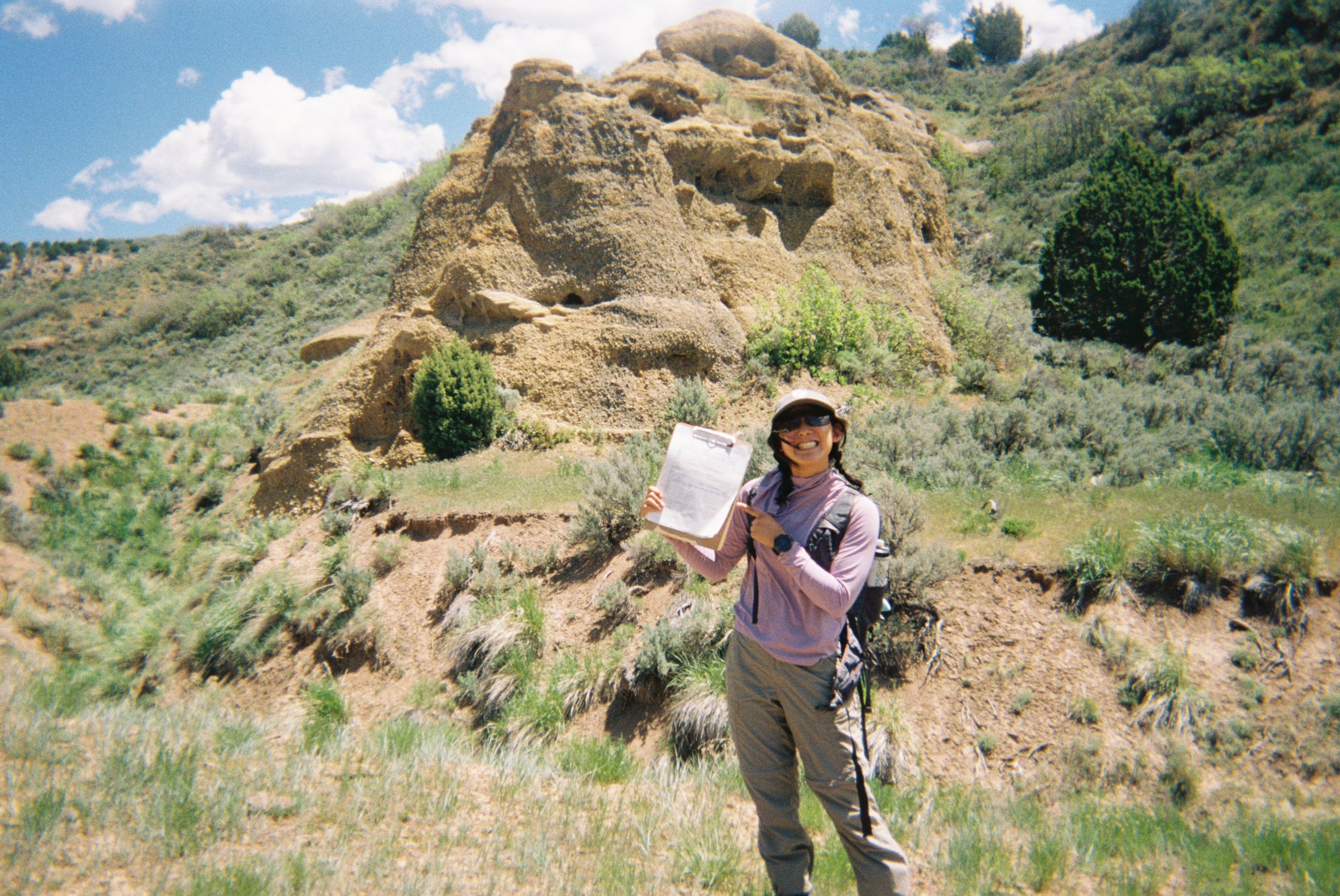
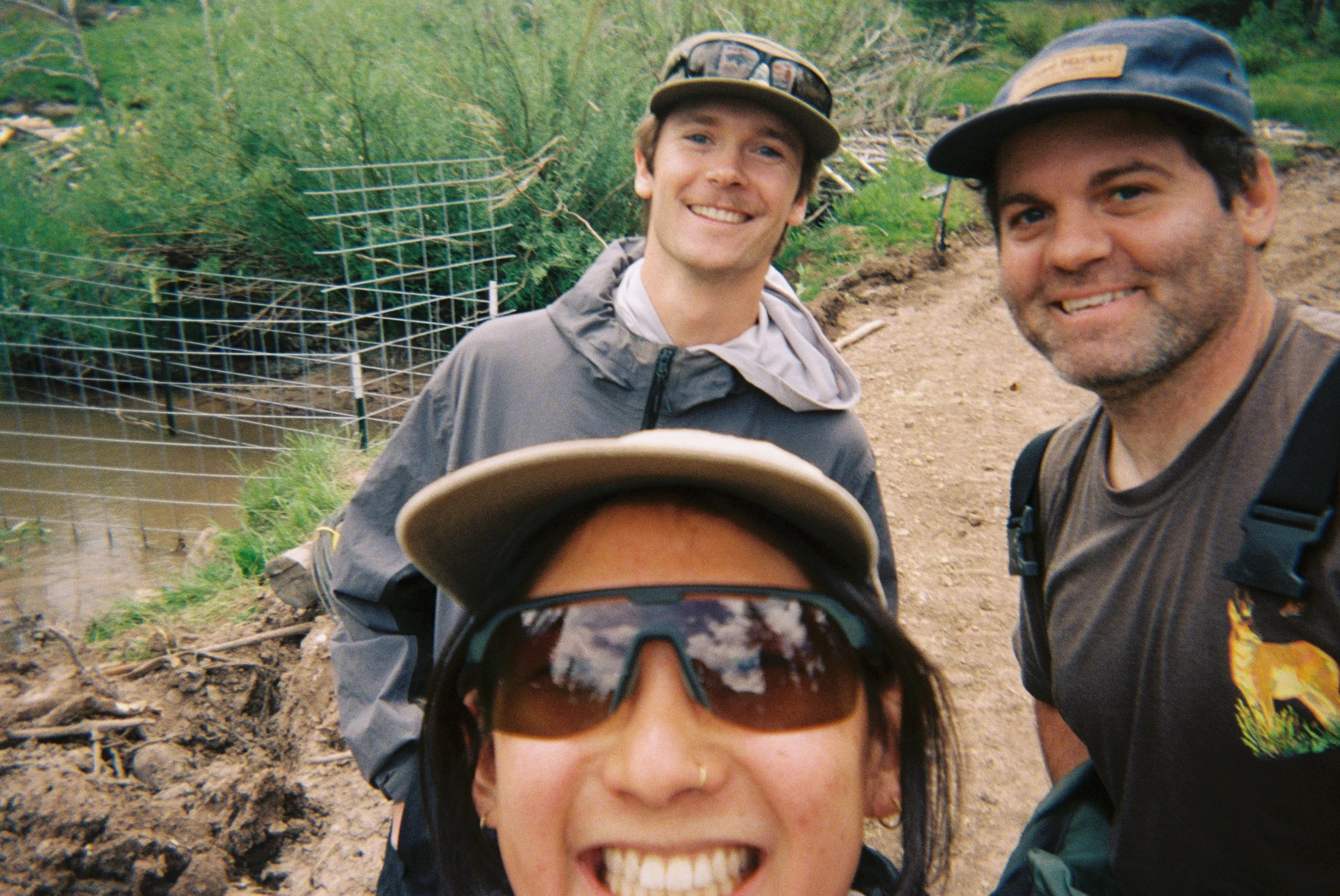
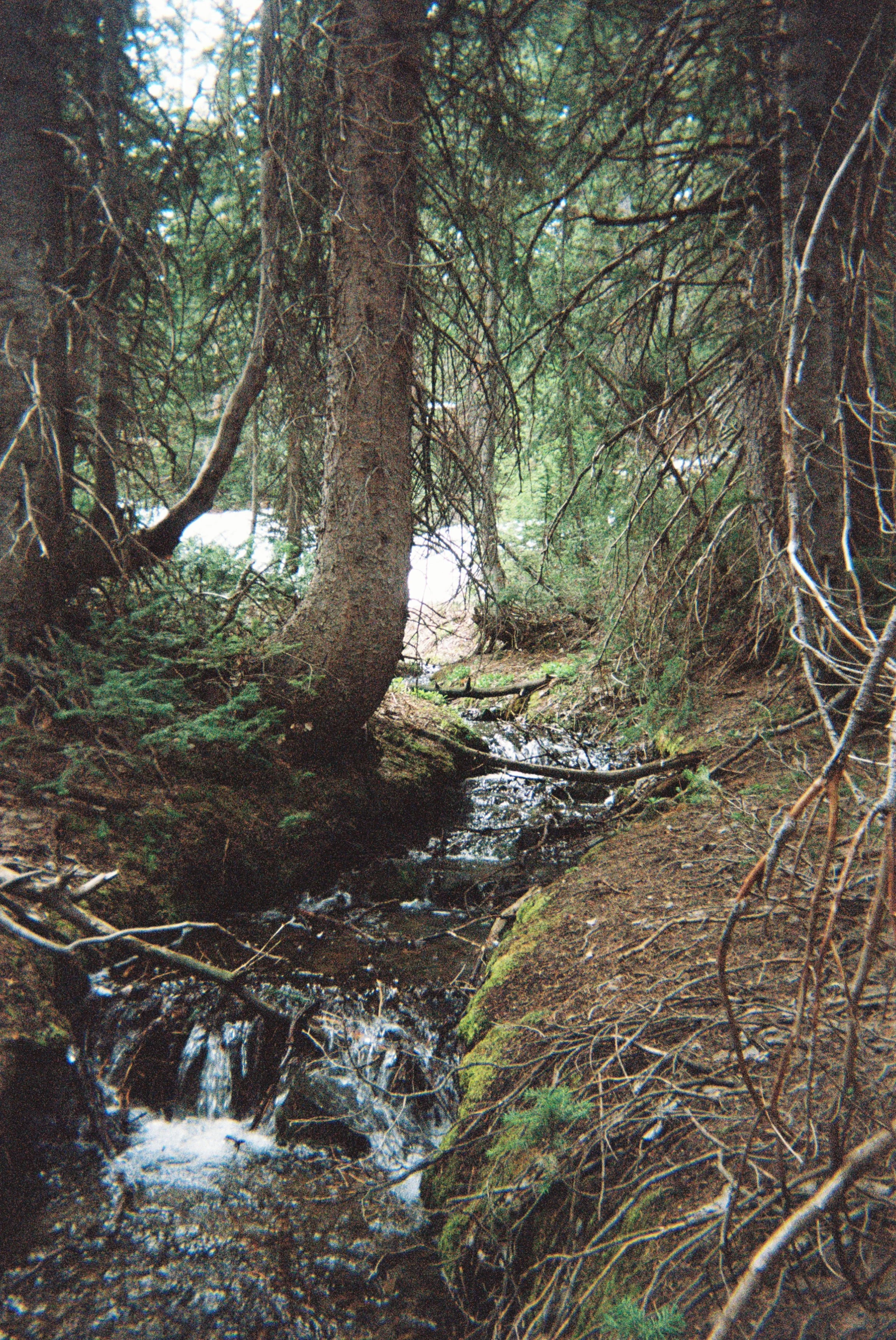
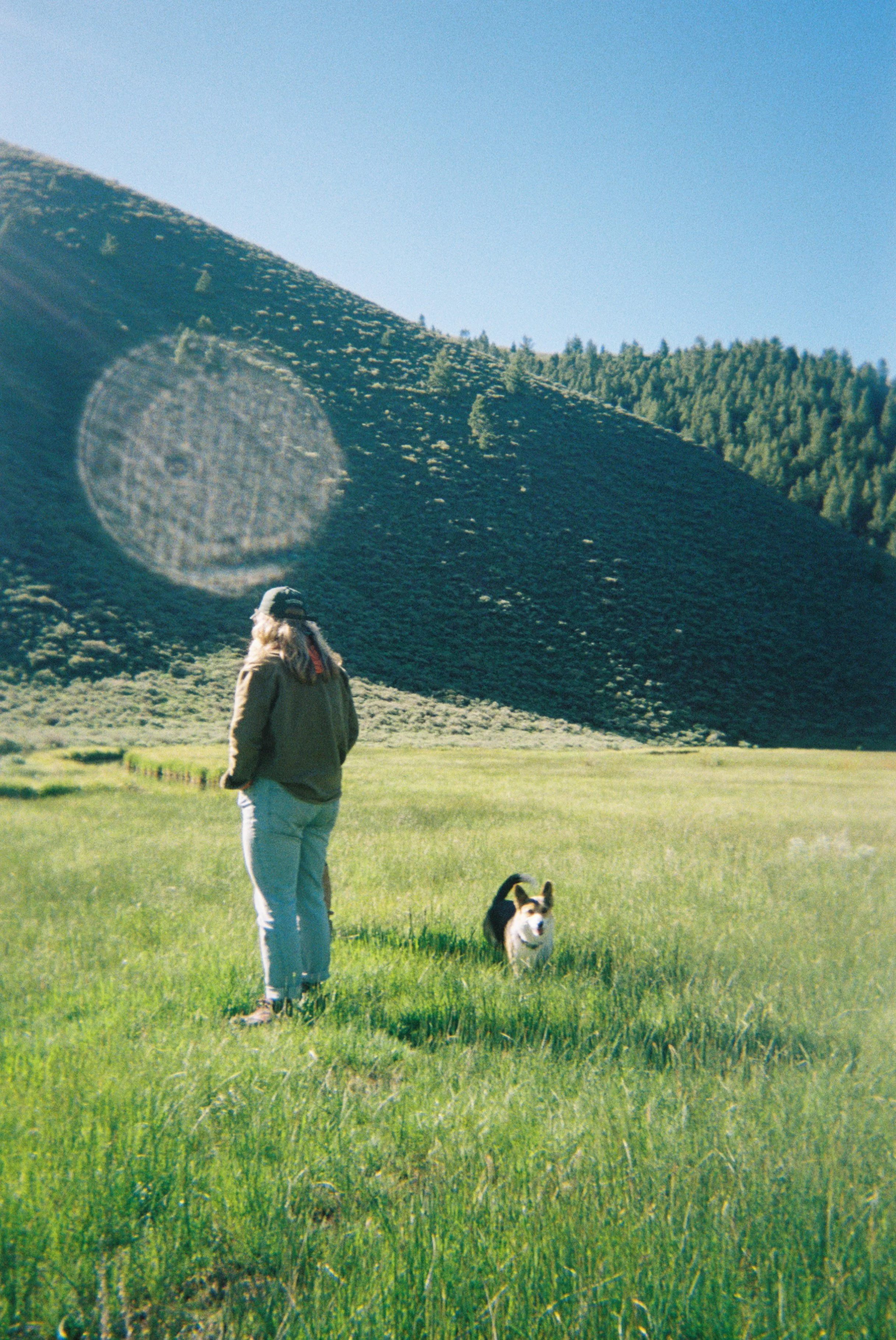
At the beginning of our busy field season, we equipped each of our seasonal staff with a waterproof film camera so that they could capture their unique Sageland Collaborative experience.
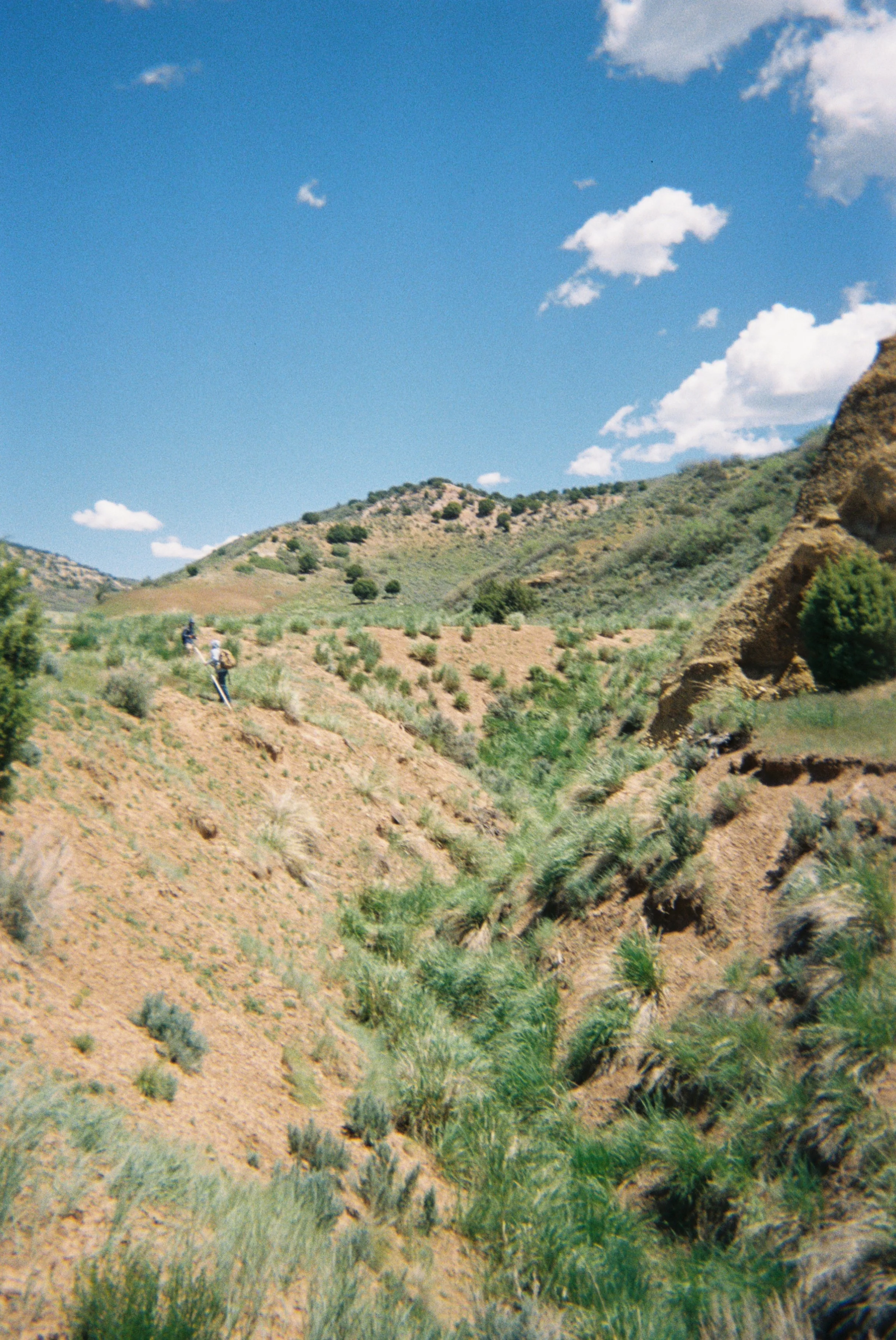
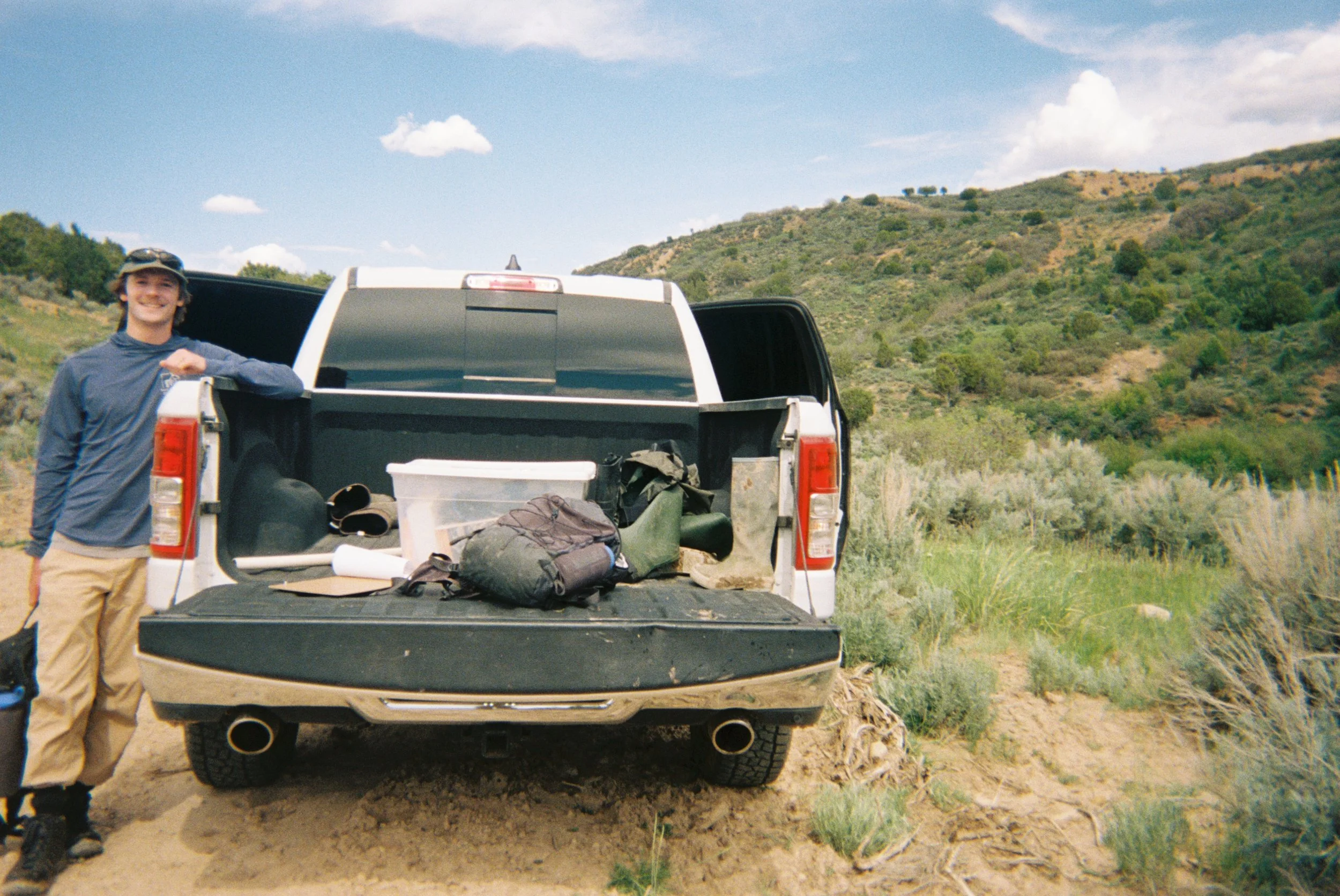
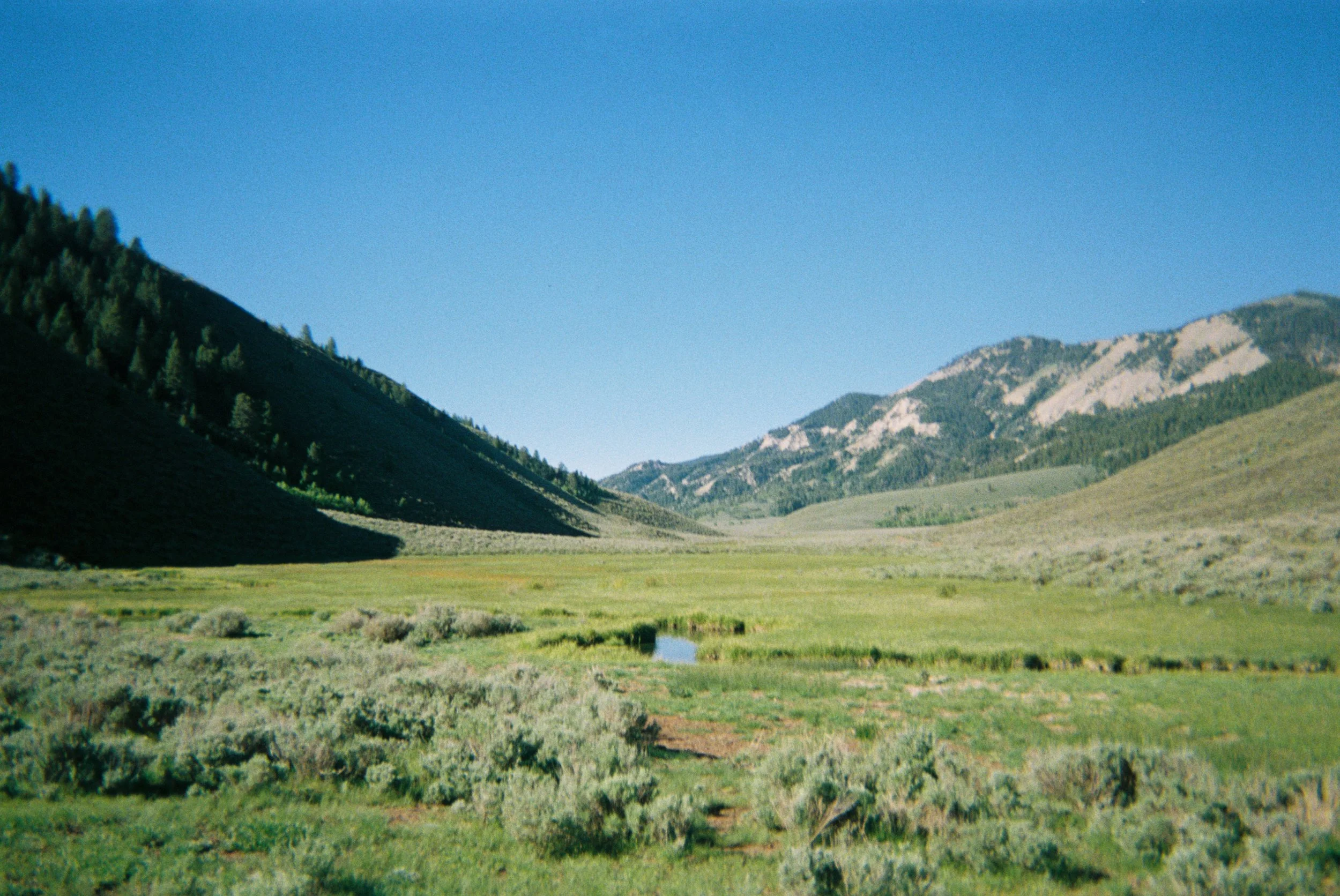
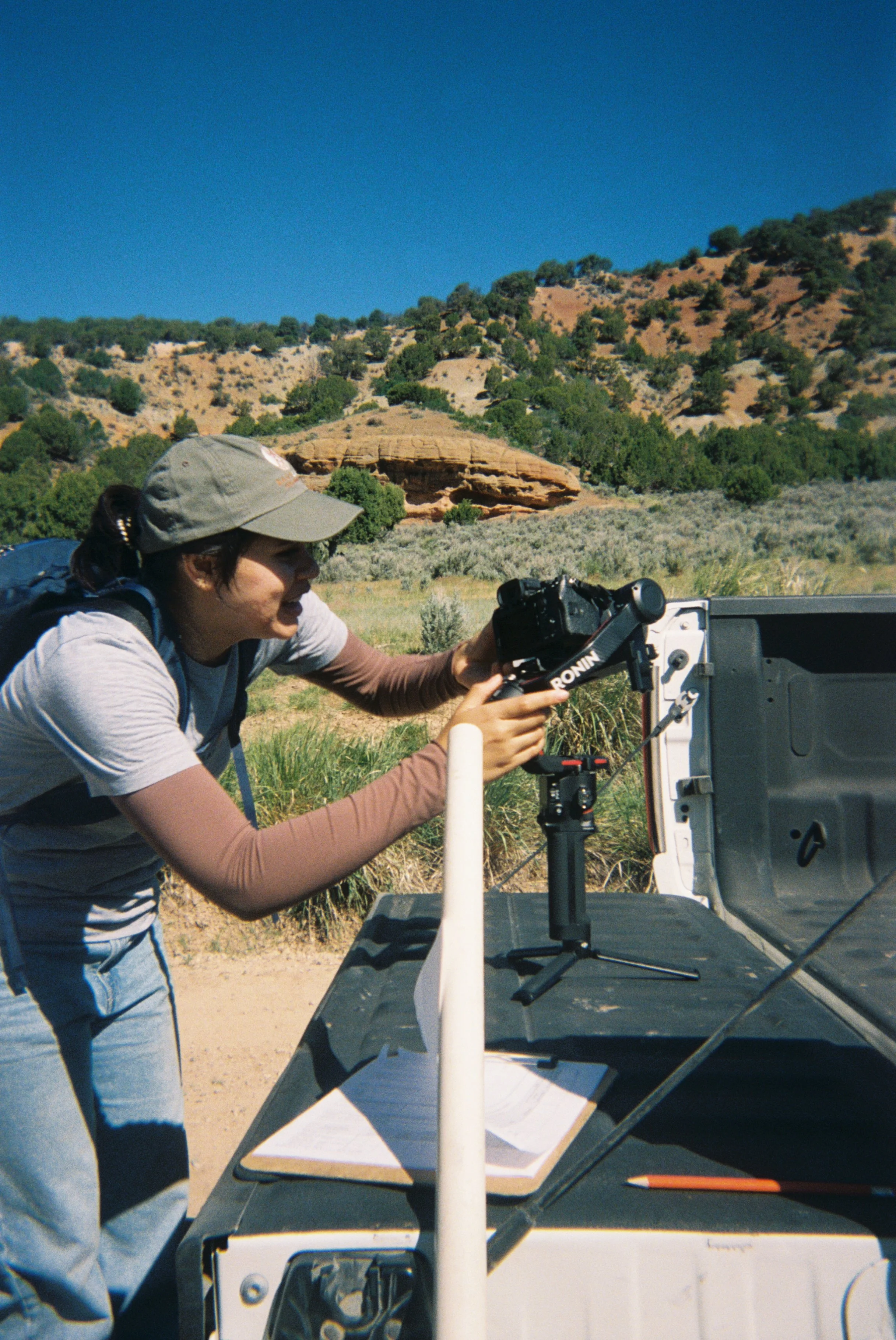
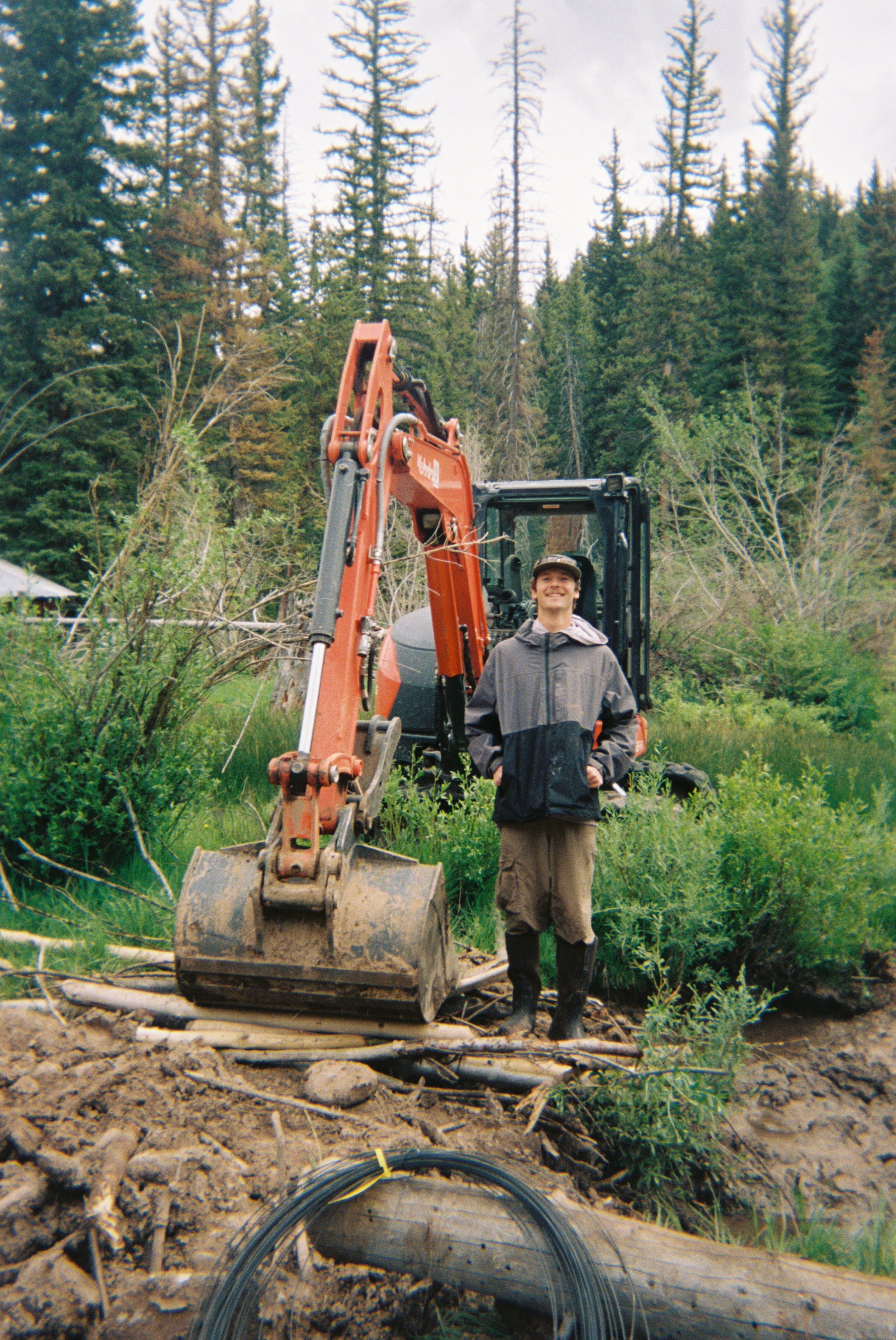
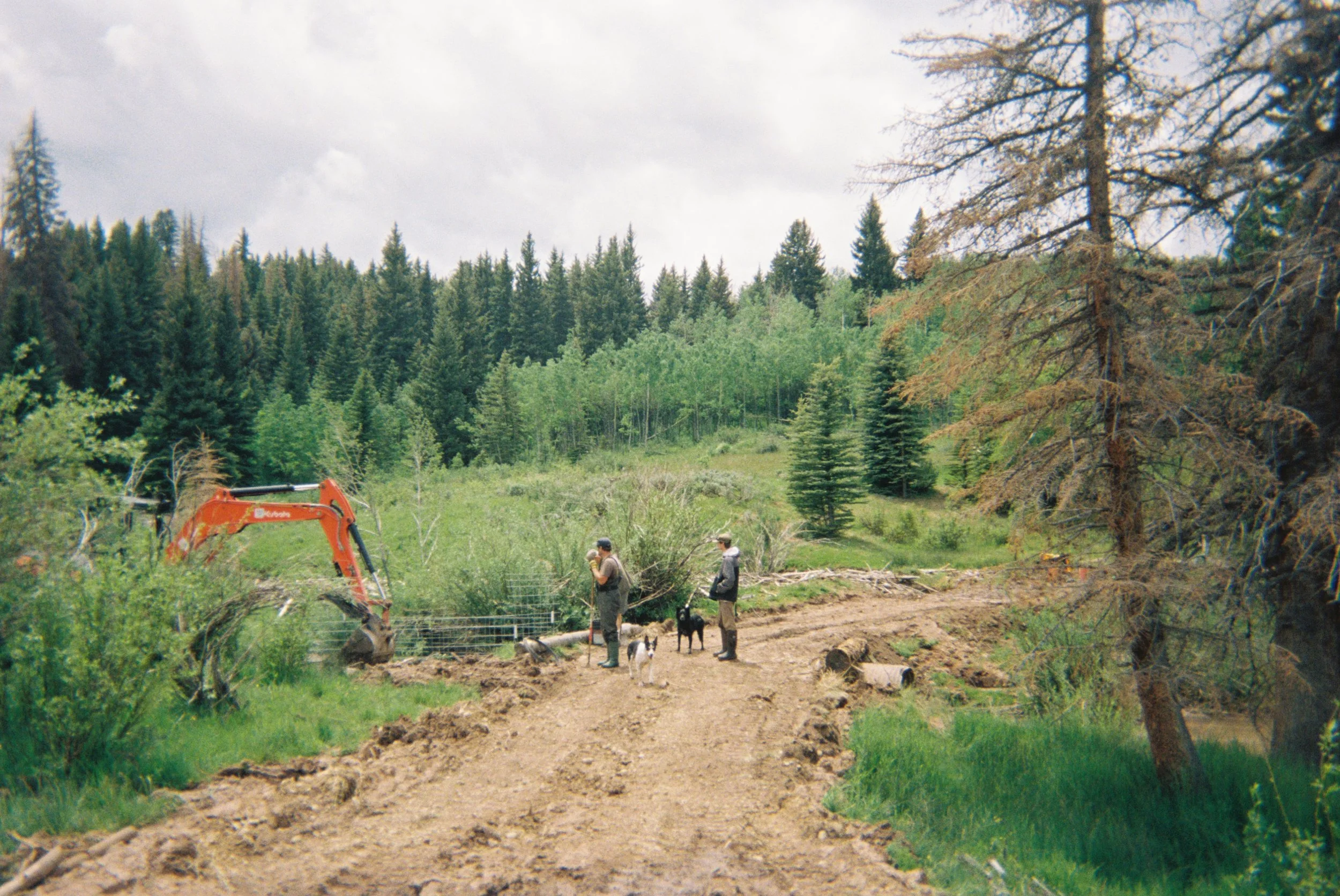
For our Riverscape Restoration intern, Kort, this meant setting out to conduct water quality and habitat surveys at restoration sites and supporting the install of beaver coexistence devices in streams across Utah.
Get a glimpse into Kort’s summer experience with us through her photo blog and interview below:
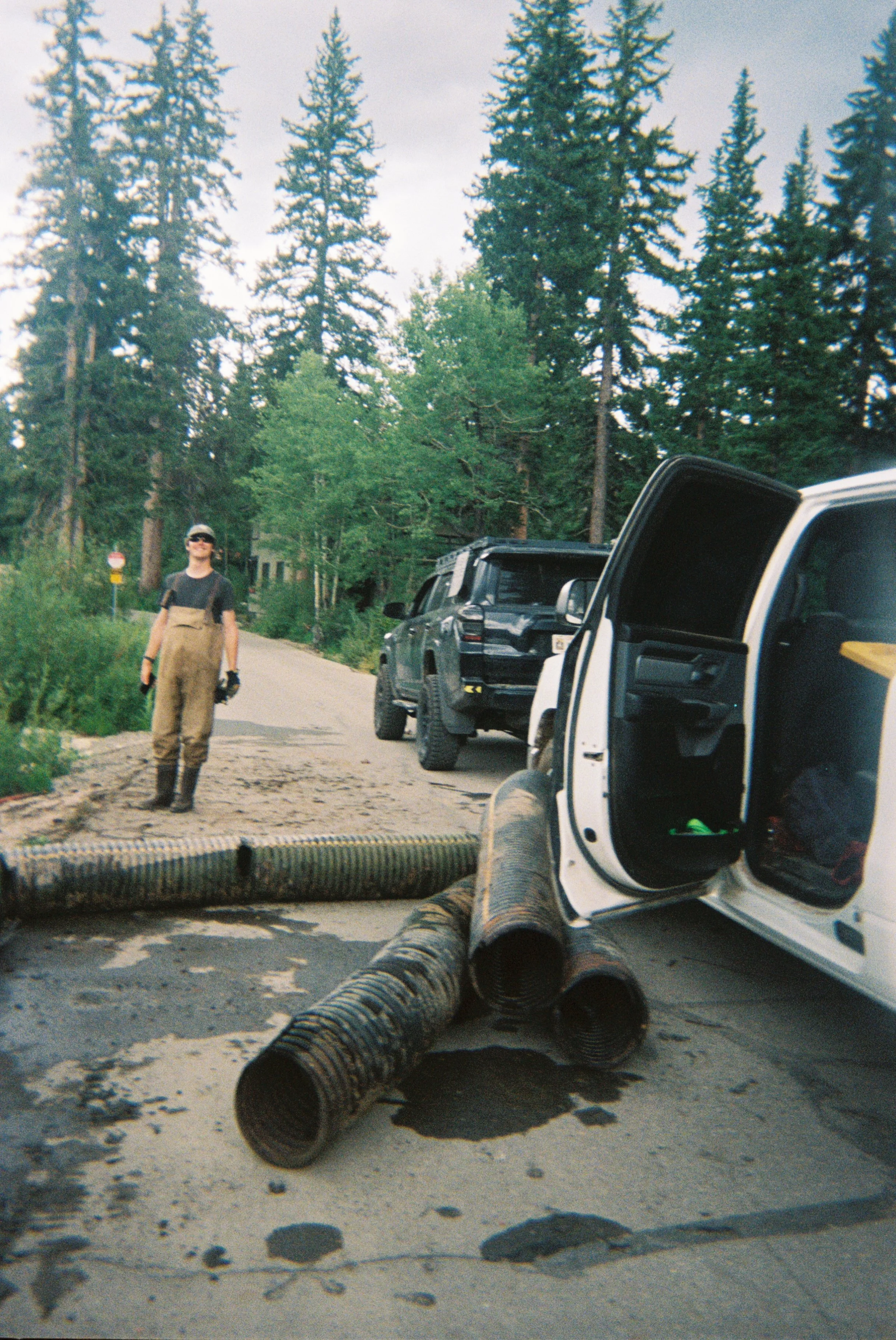
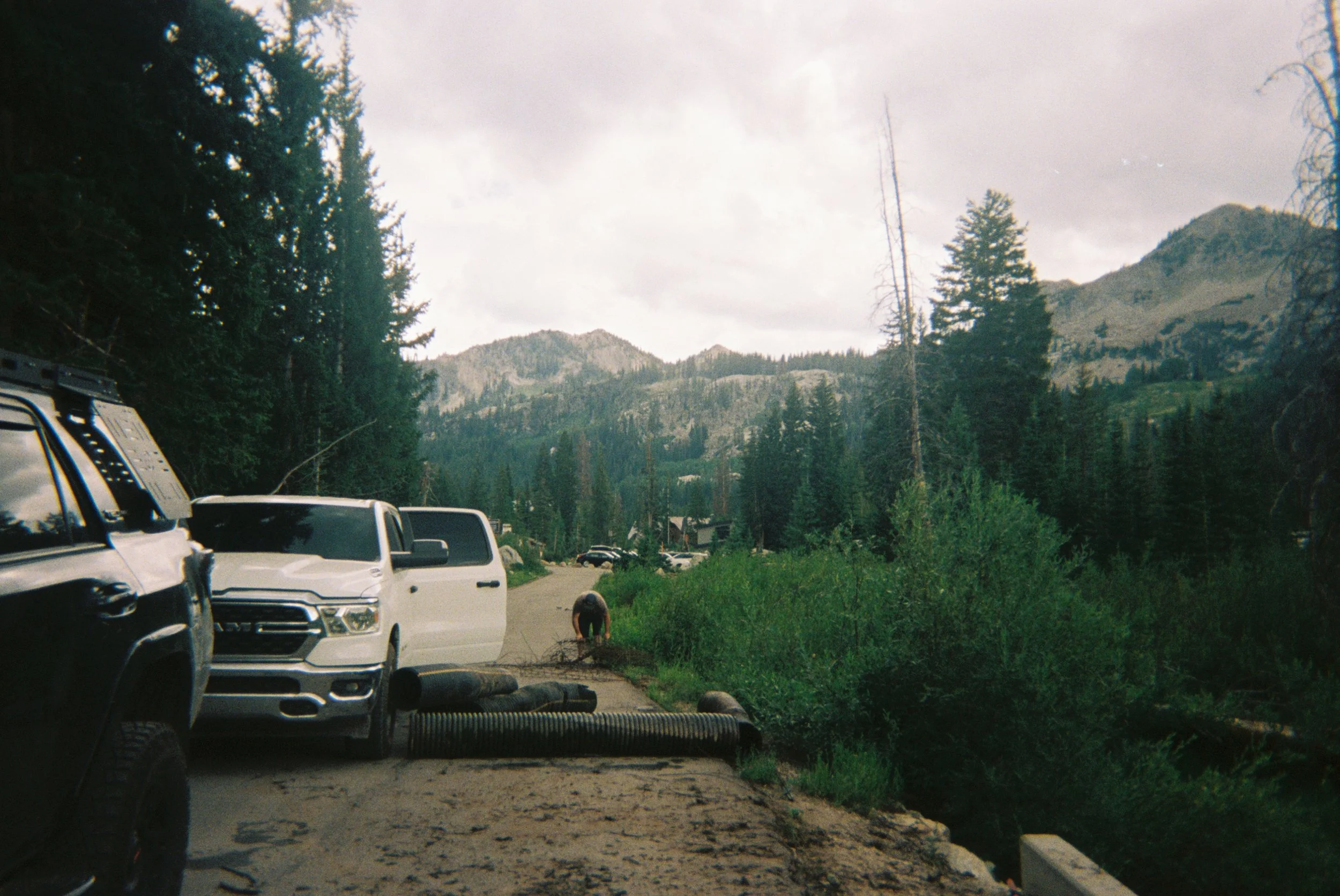
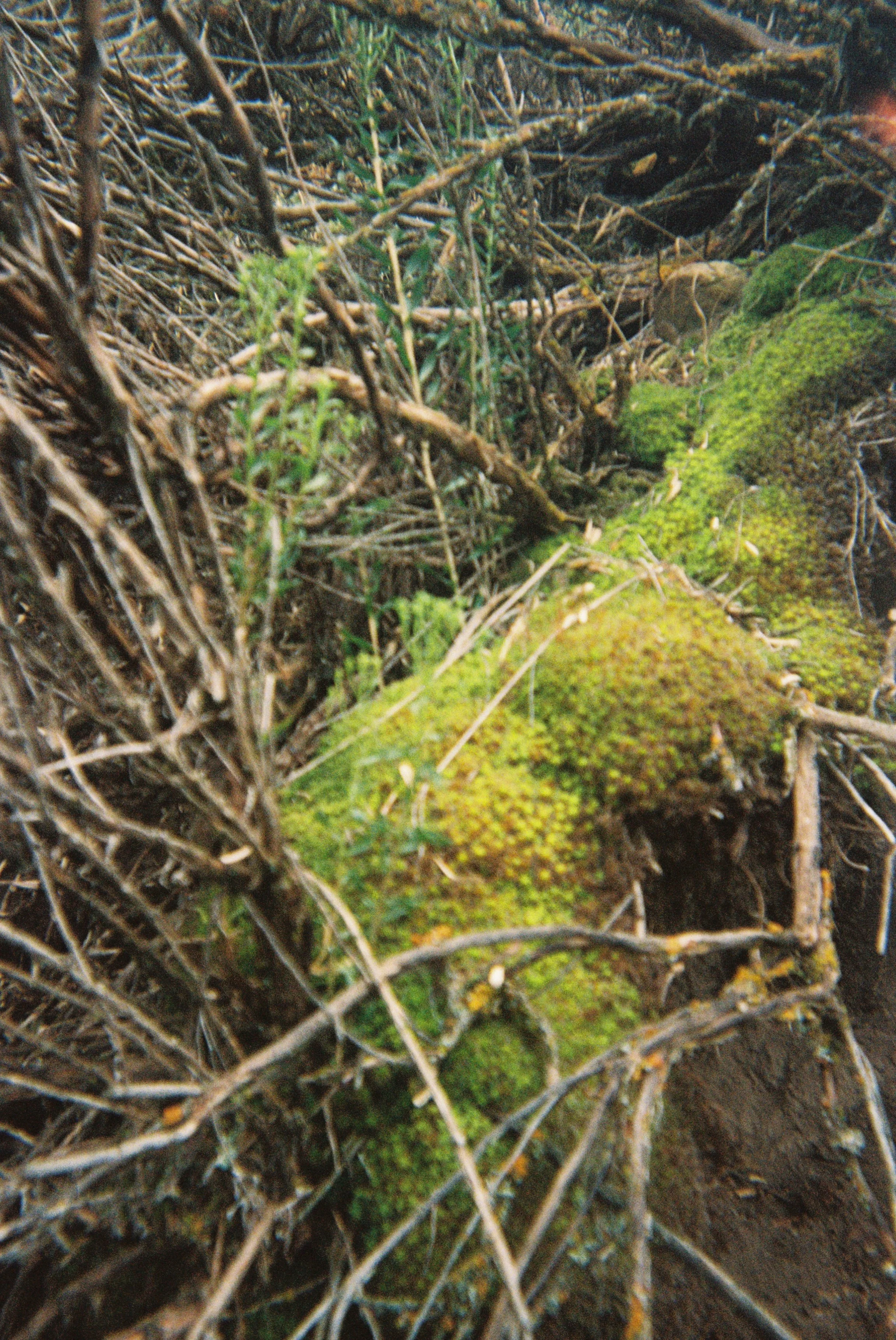
What has been your main takeaway from your time interning with Sageland Collaborative?
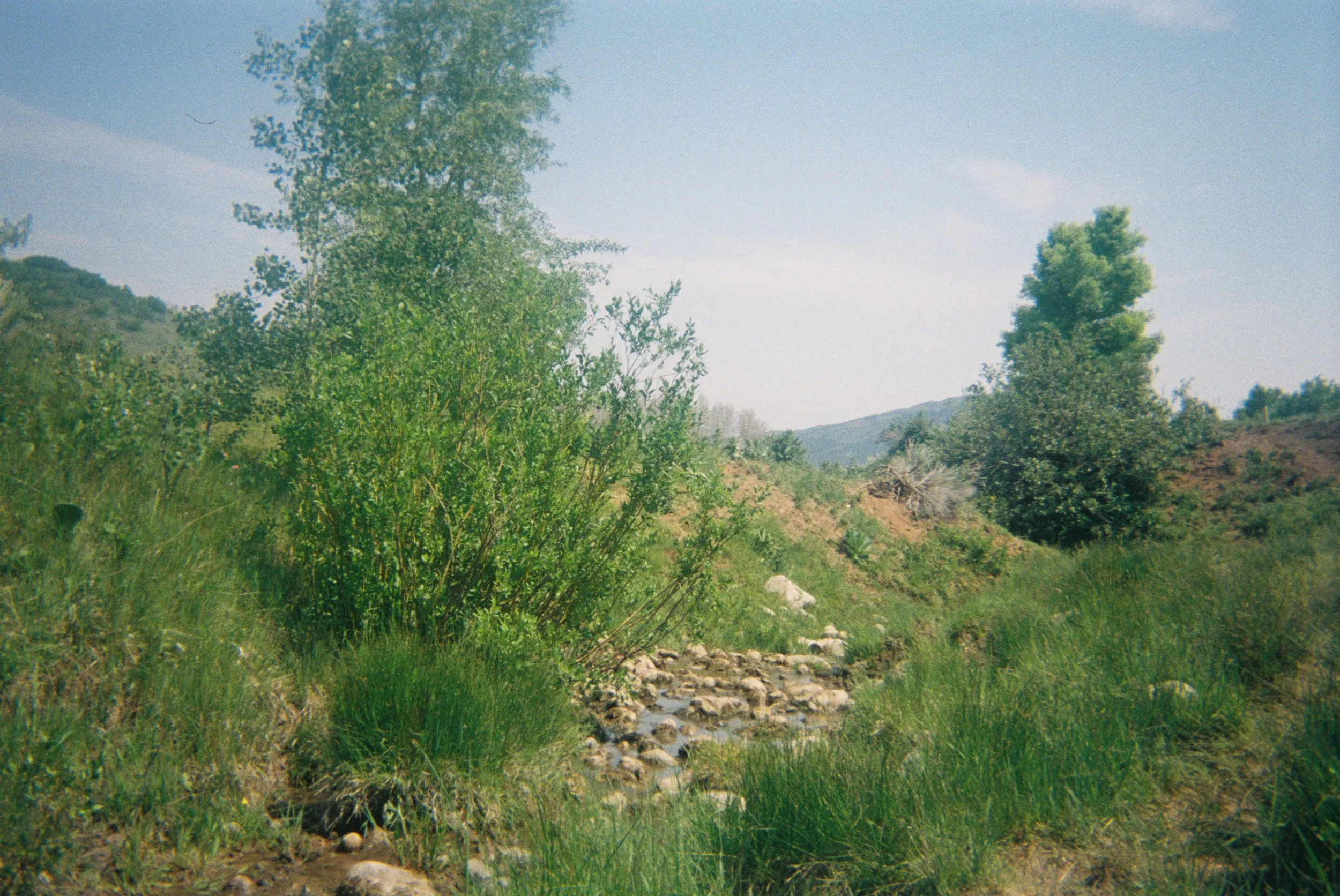
Working on different streams throughout Utah this summer, I found myself drawn to the presence of native willows (Salix spp.) along the riparian edge. Willows are often the first plant to bounce back after fires, growing from buried root systems. Their roots stabilize the banks of rivers, holding the soil together. Within riverscape restoration, these willows are often used as a material for building beaver dam analogs (BDAs), woven between posts to mimic the work of beavers. Built often in low-water years, these BDAs serve as the underlying infrastructure, capable of creating new habitats. Willows are a reminder to me of resilience, the ability of nature to thrive in times of scarcity.
My time with Sageland Collaborative has taught about the importance of community-led conservation work and the need for long-term partnerships within the Intermountain West. Growing up in California, the struggles of living with wildfires and droughts are close to home. The issues facing the Intermountain West are complex. Decades-long struggles with natural resources management and land use planning have resulted in degraded stream and watershed health as wildfires and droughts continue.
This summer, I have learned from listening to and working with scientists, land managers, ranchers, and practitioners. I have watched how regional environmental planning can balance stakeholder priorities, responding to community needs while addressing larger questions of land use management. For Sageland, this means working with communities to repair degraded streams on landscapes that have been harmed by colonization through livestock overgrazing, water diversion and channelization, and the removal of beavers. Learning about historical and current relationships to the land has shifted how I understand what is needed in planning for future generations.
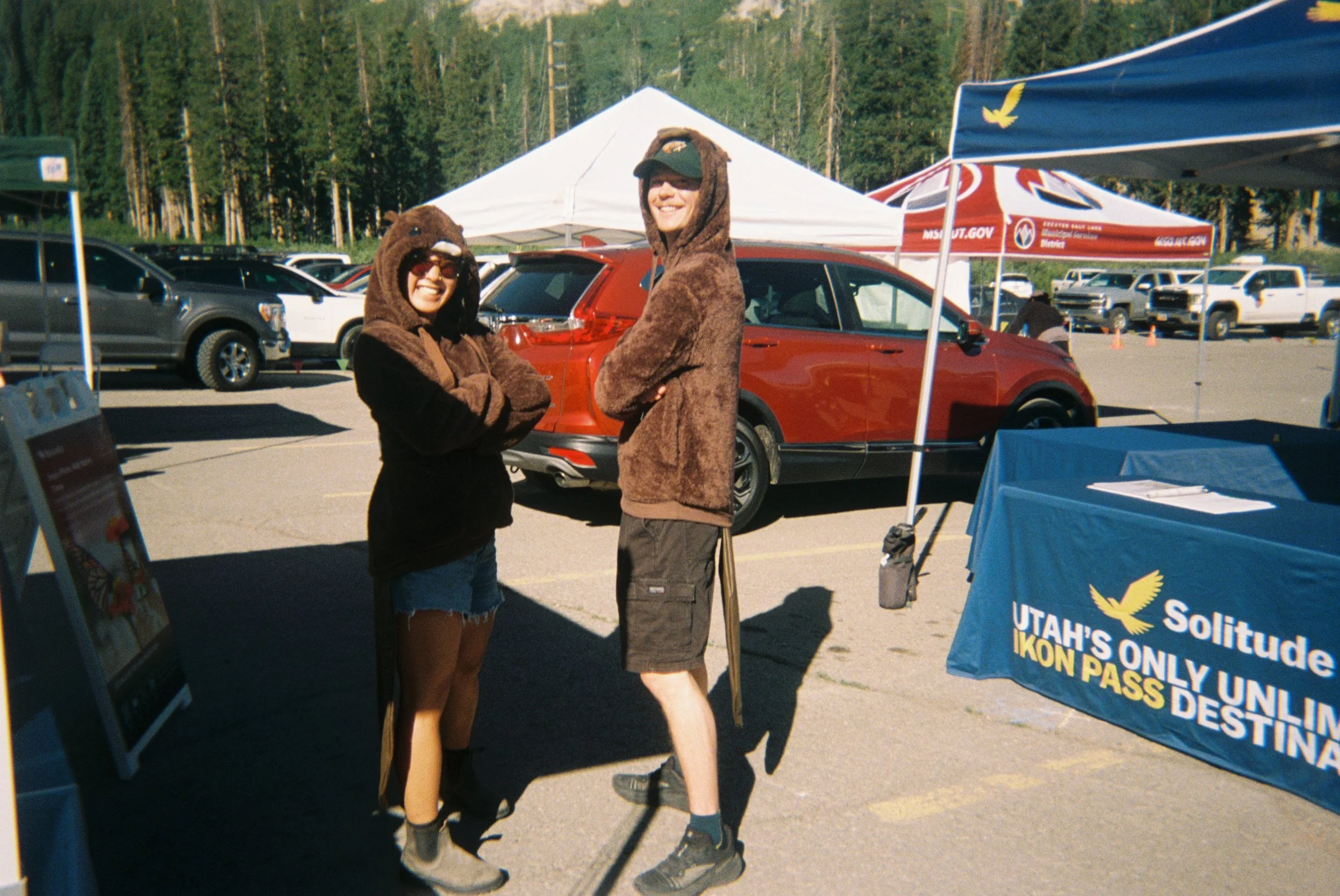
How do you see this work making an impact?
I believe the intersection of science-based conservation and community-led planning is the future of environmental work, and where collaboration is needed most. The narratives we amplify and the way we talk about science and conservation matters. This summer, I spoke with many community members and landowners interested in beaver reintroduction. The shift from viewing beavers as nuisances to understanding beavers as engineers and stewards of landscapes shows what is possible for ecosystem restoration. Being able to share science in ways that are accessible to the community, through art and storytelling, has the potential to shift people’s relationship to nature.
Any memorable experiences that you'd like to share from your internship?
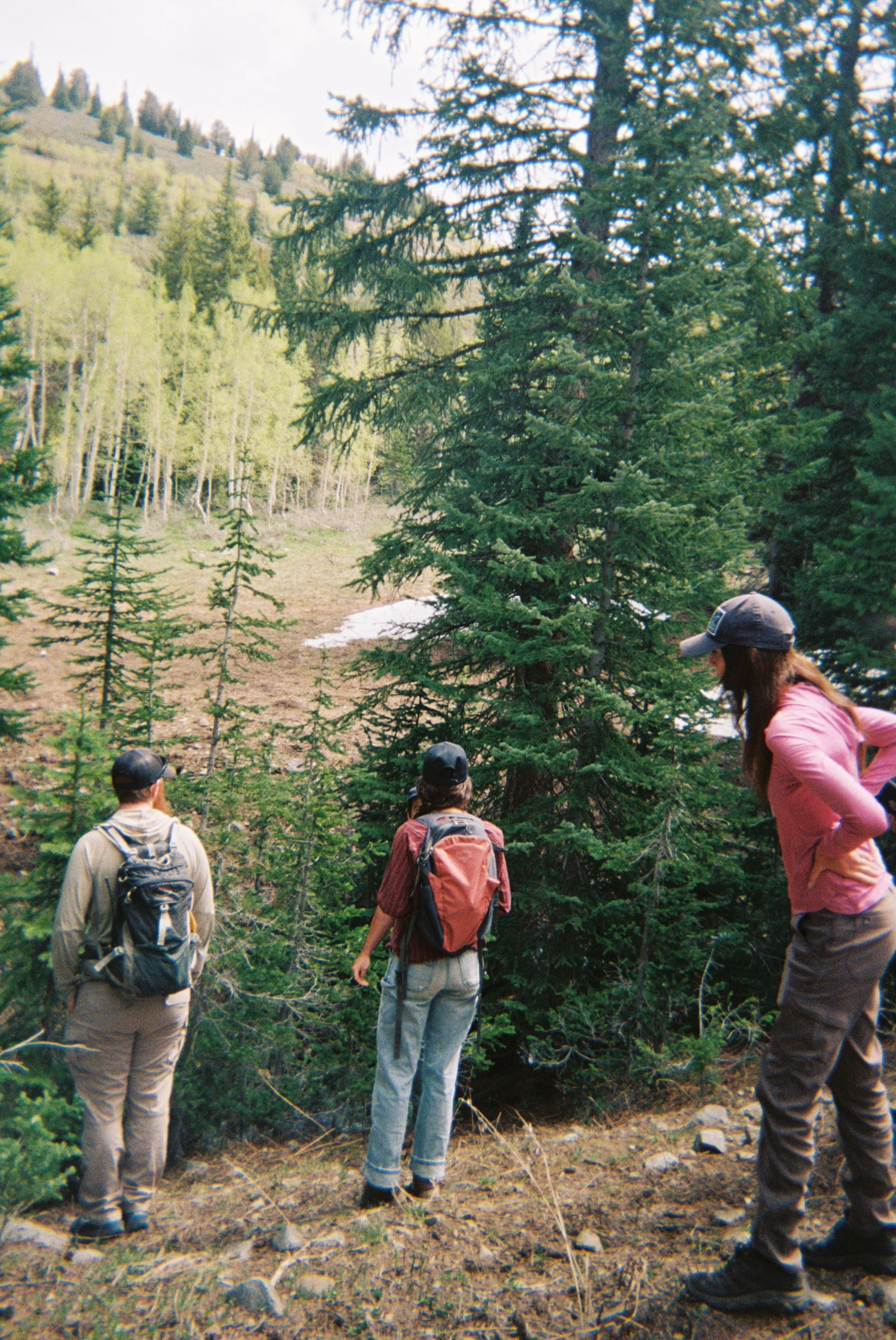
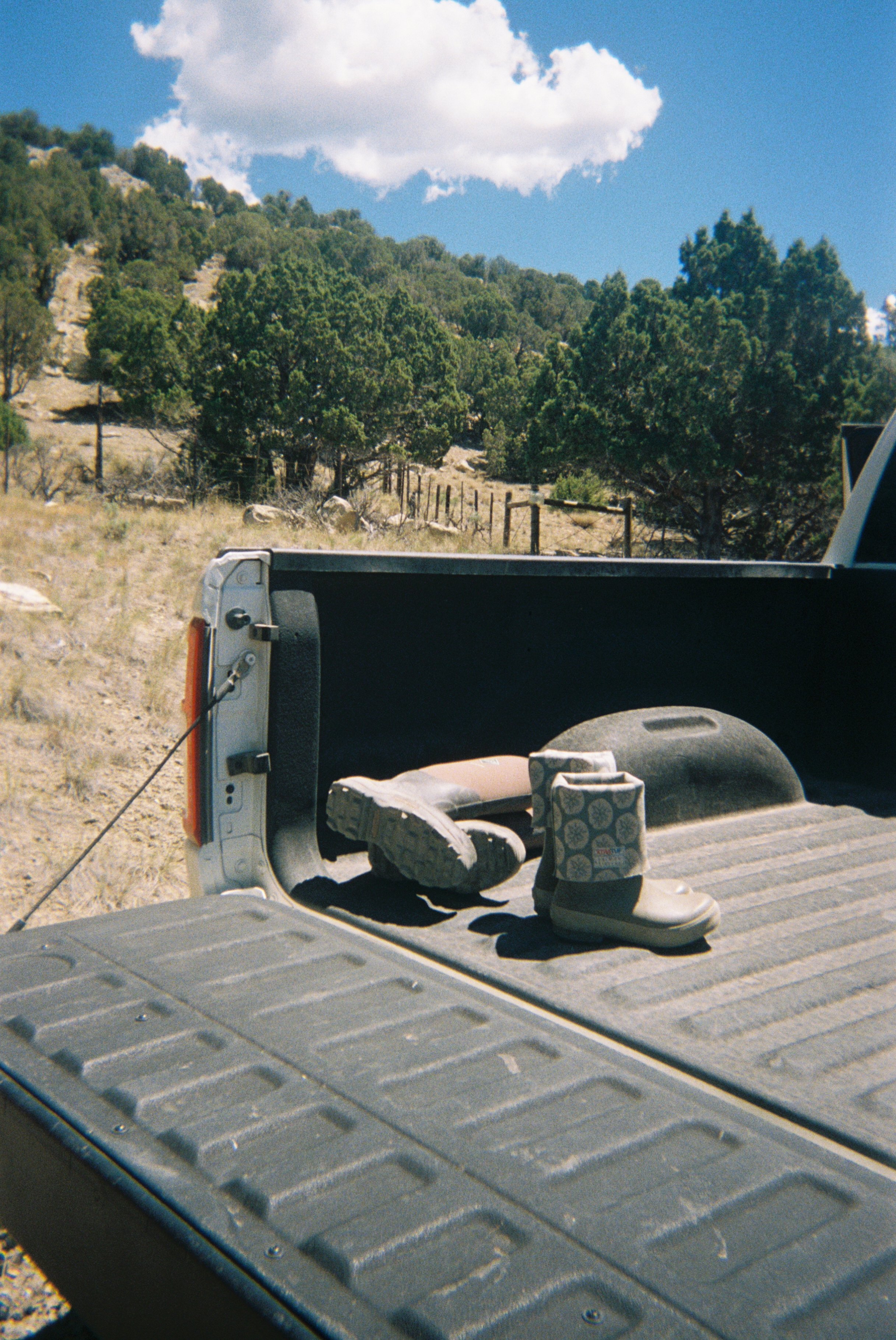
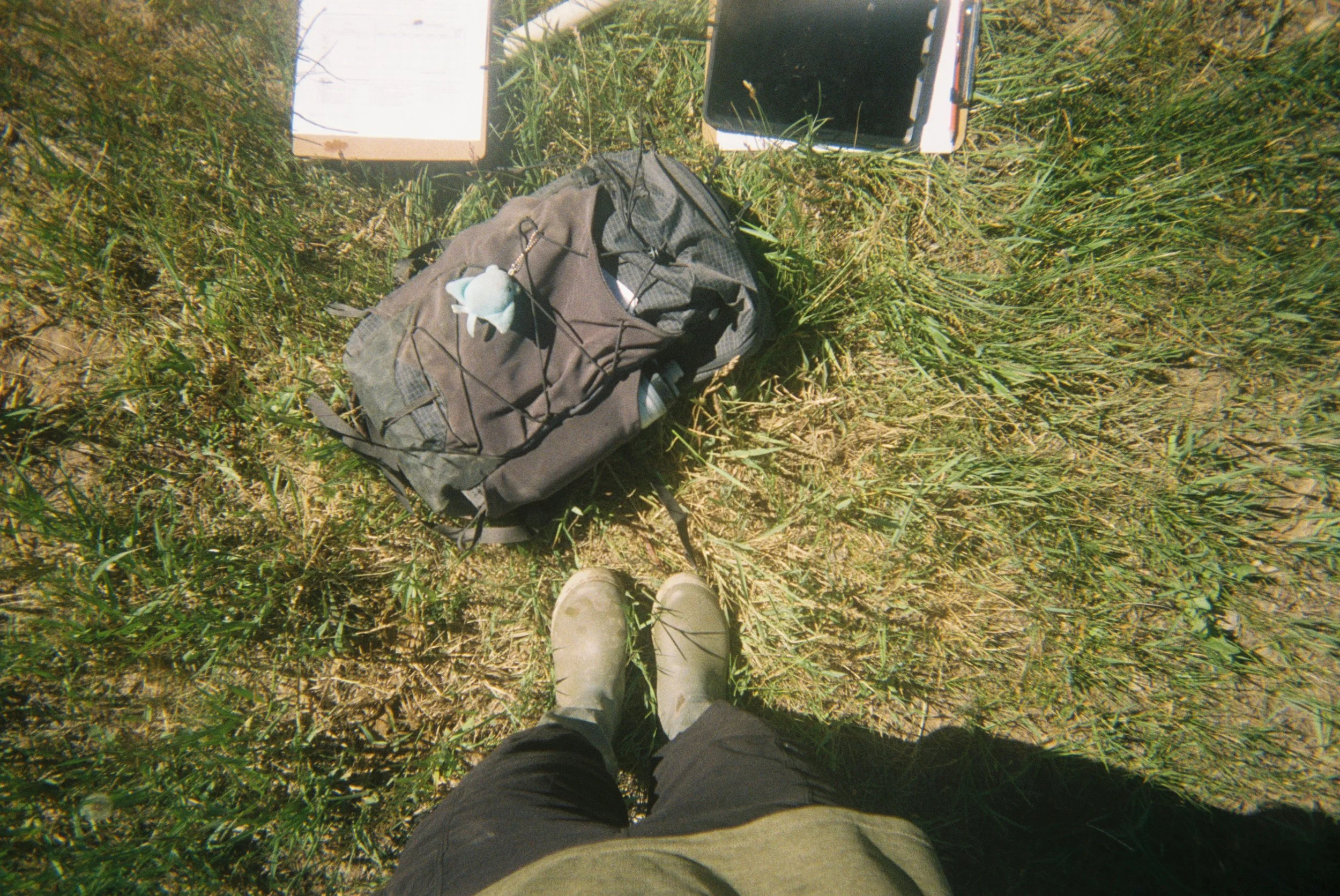
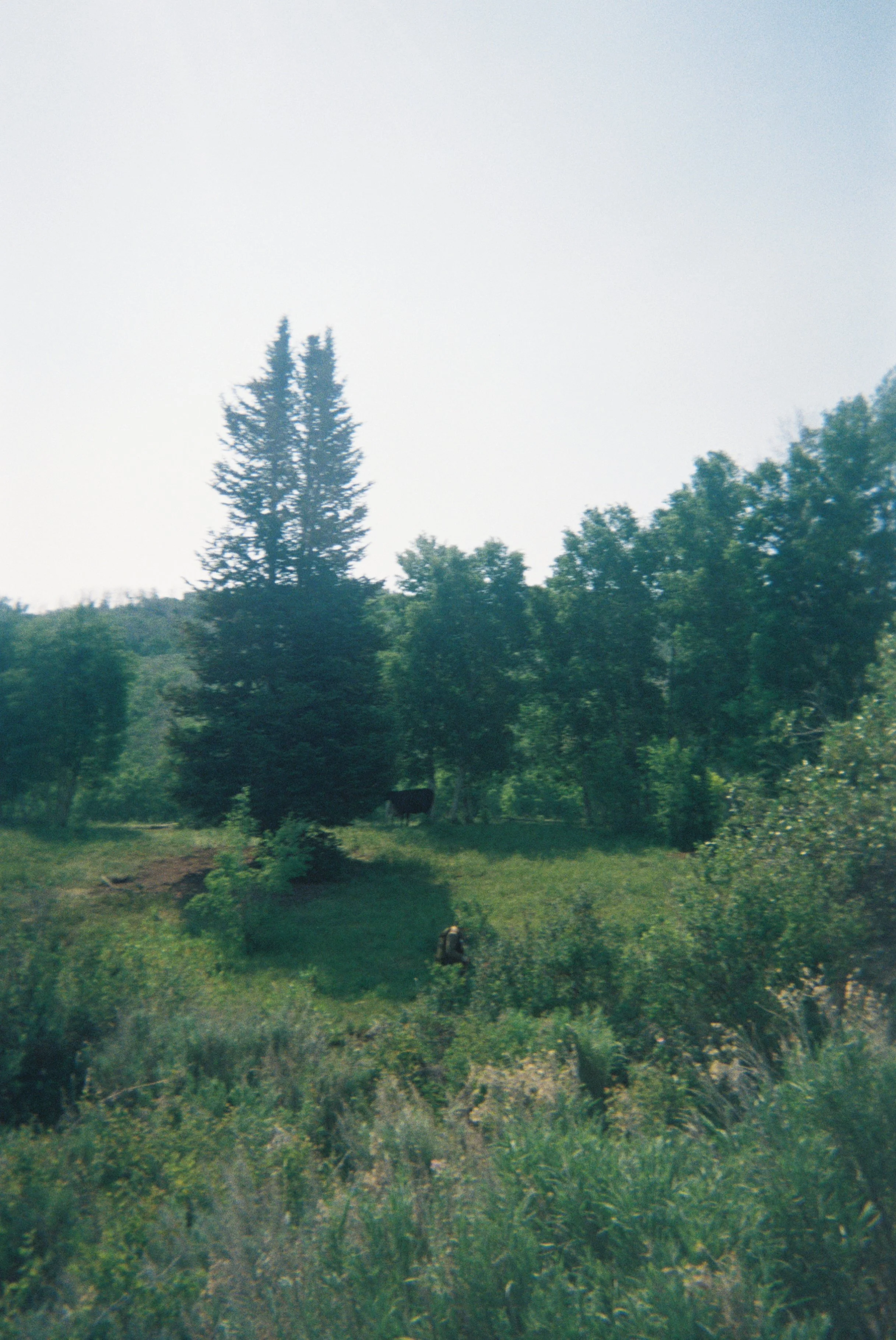
My favorite days were spent outside in the field. I spent many hours monitoring BDA project sites using the Rapid Stream Riparian Assessment (RSRA) survey. I learned to move at RSRA pace, training my eyes to notice changes in the bankcover, differences in water flow, and patterns within riparian patch density. I learned to love long field days and found delight in correctly identifying caddisflies and spotting pollinators.
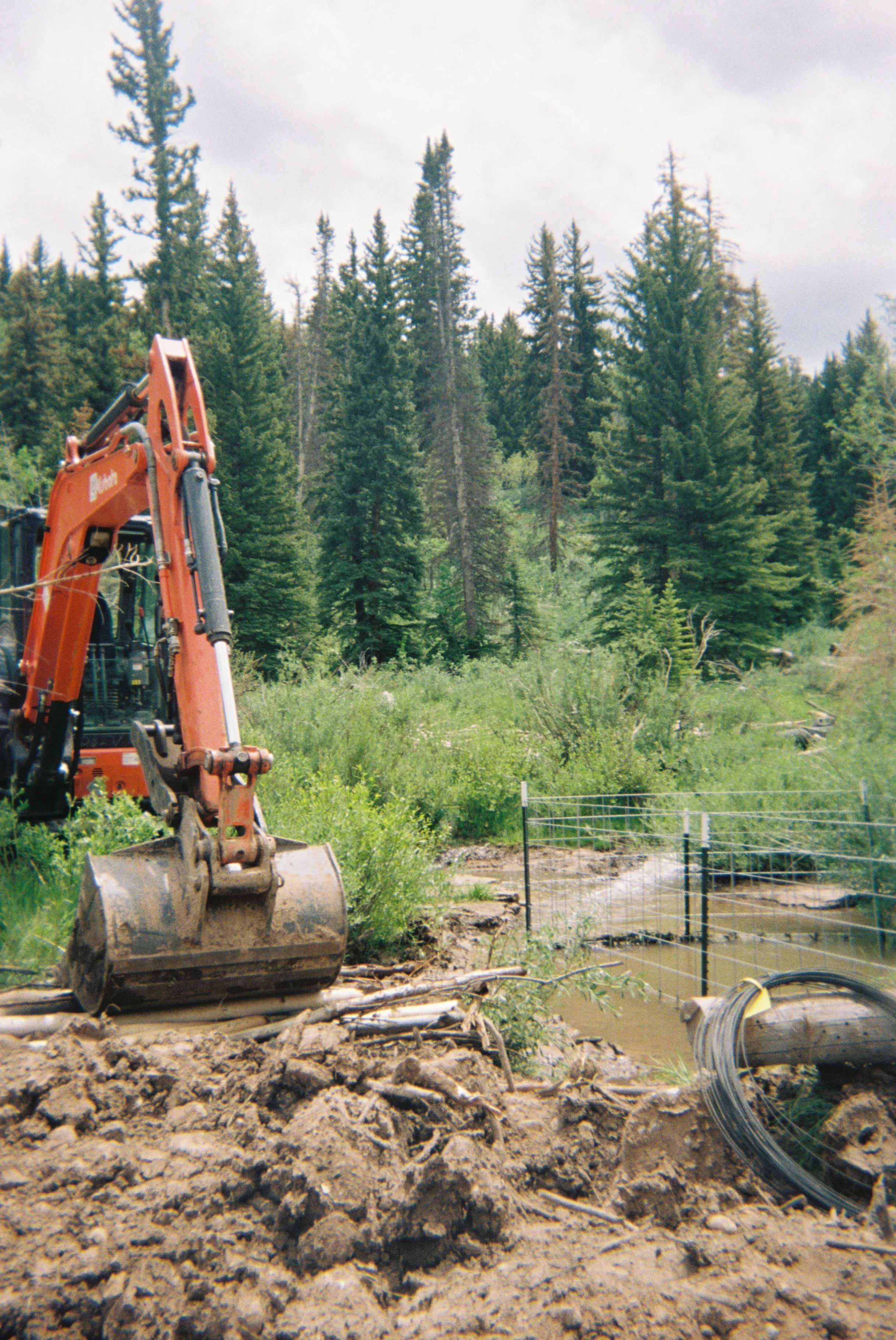
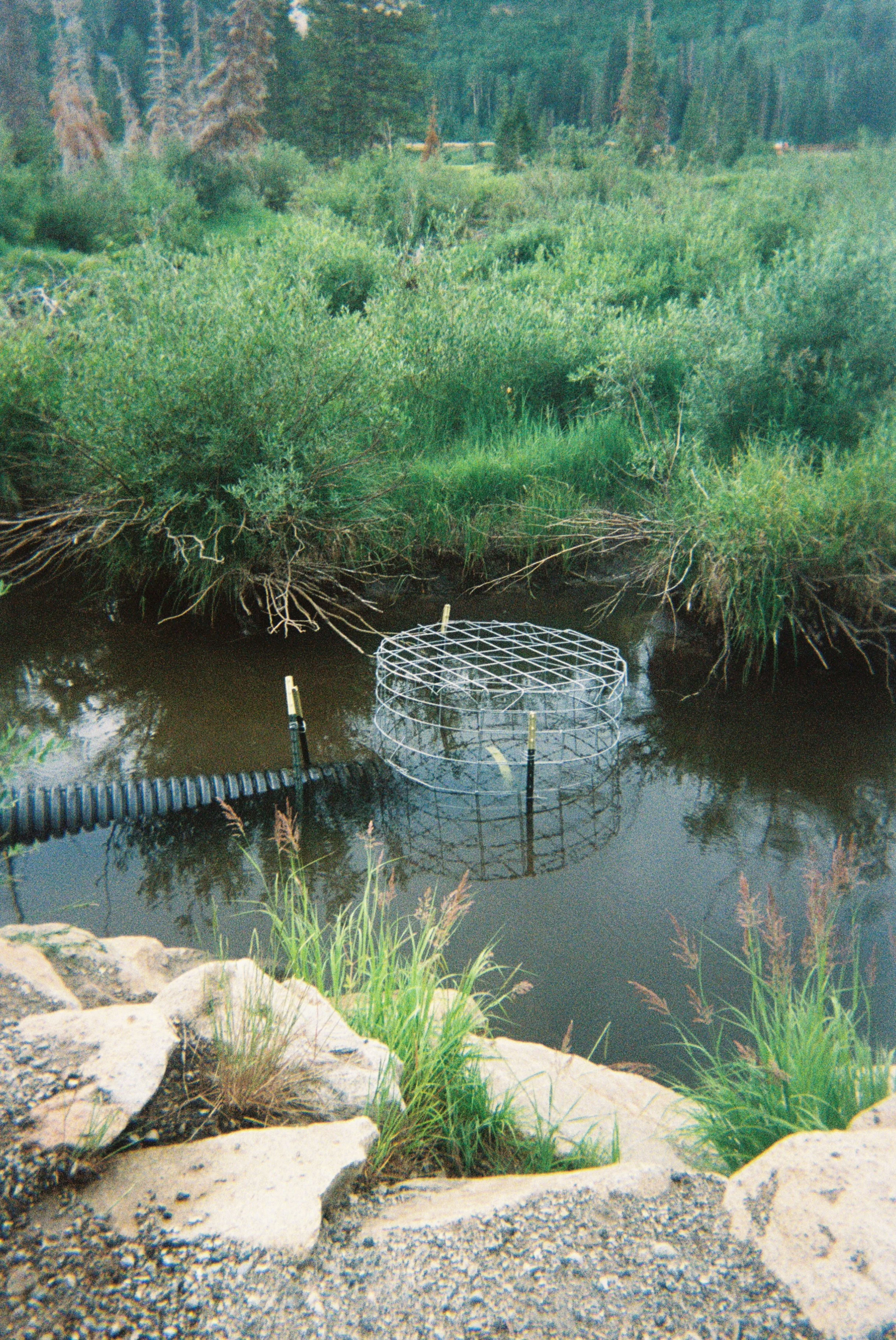
Earlier in the summer, I got to help build and install beaver co-existence devices on a property in Coalville, Utah. The beaver deceiver is a flow device that allows for the beavers to stay on the landscape by managing pond levels and preventing beavers from clogging culverts. Almost immediately after installation, we watched the water level drop and the flooding on the road disappeared with just a few hours of work.
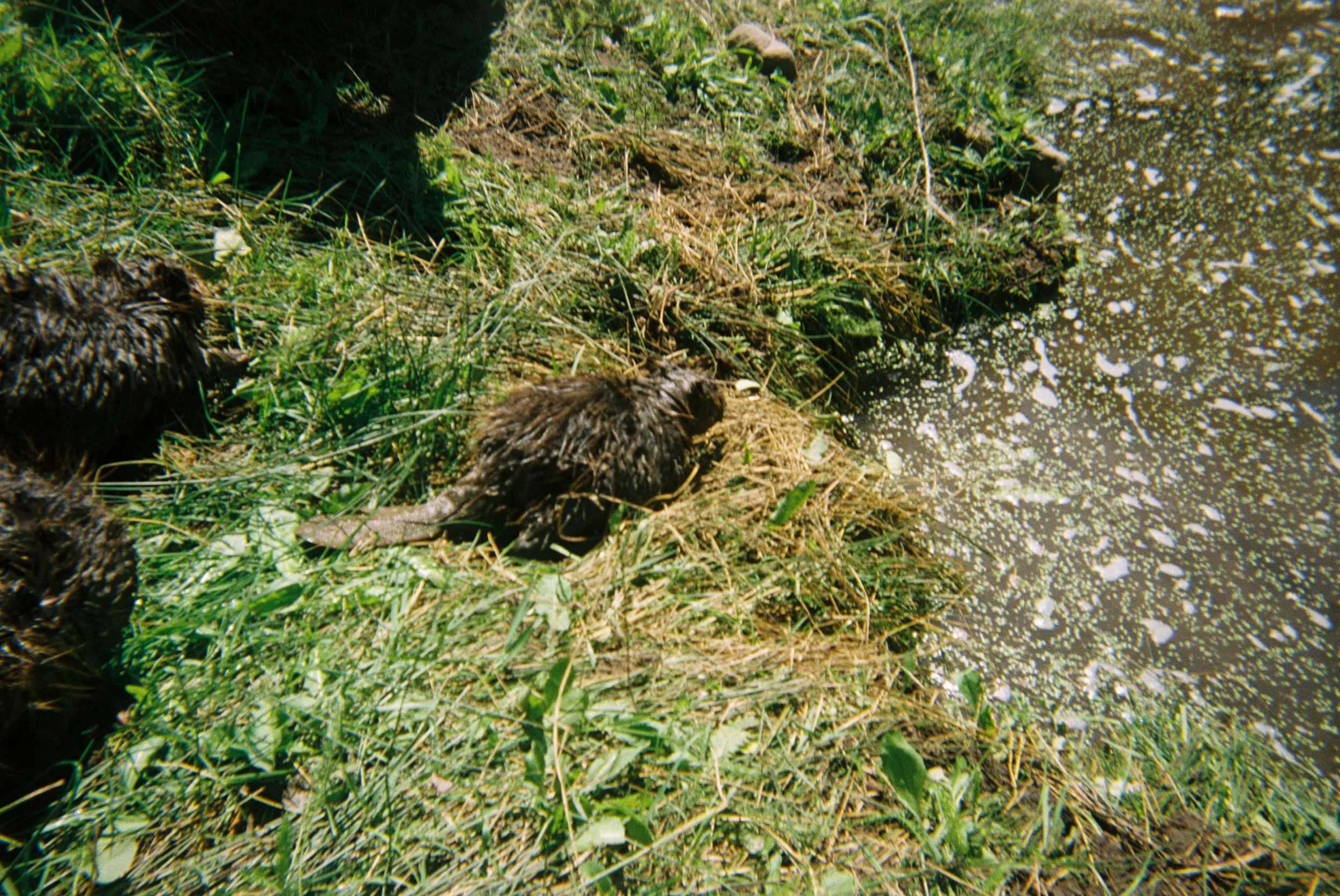
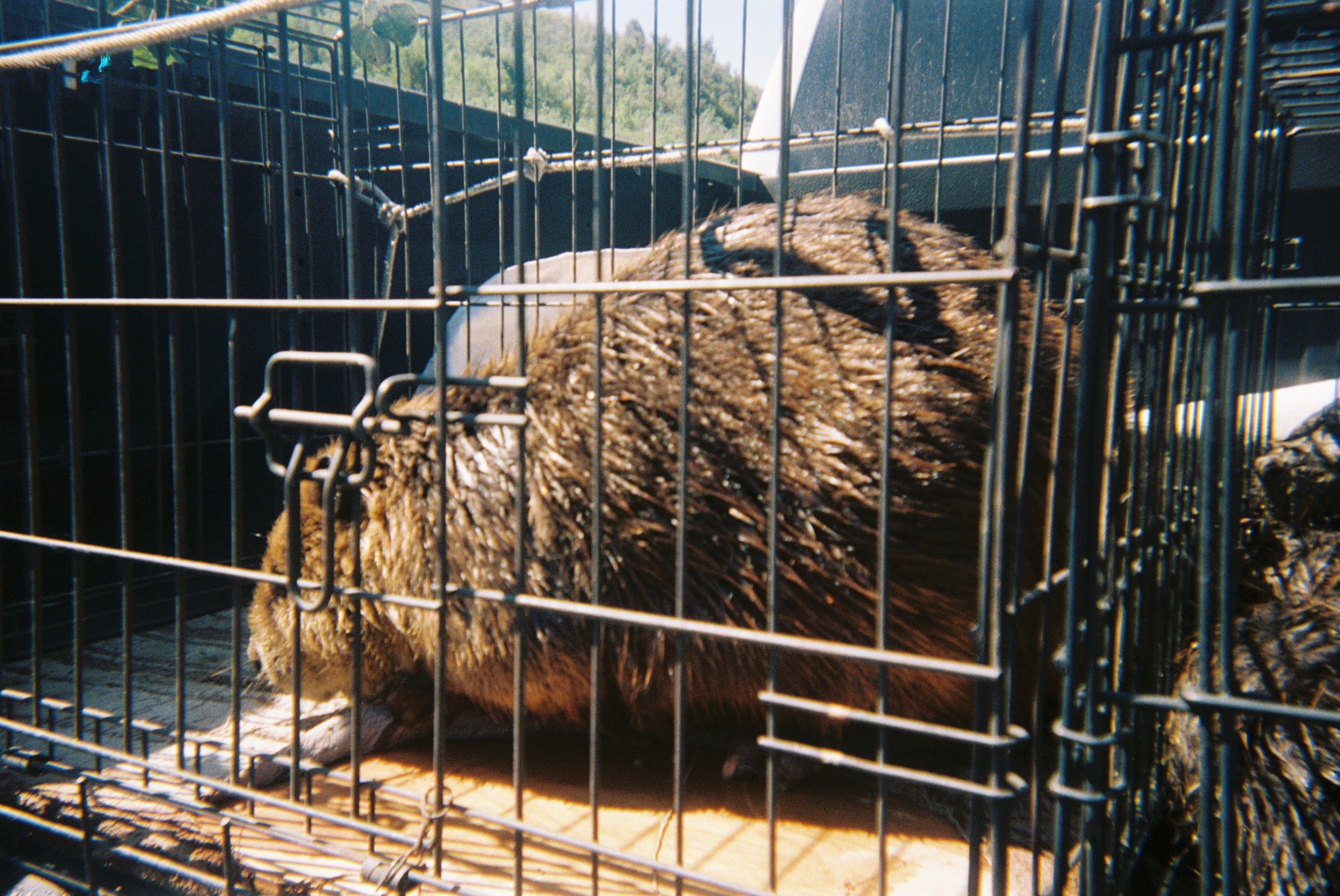
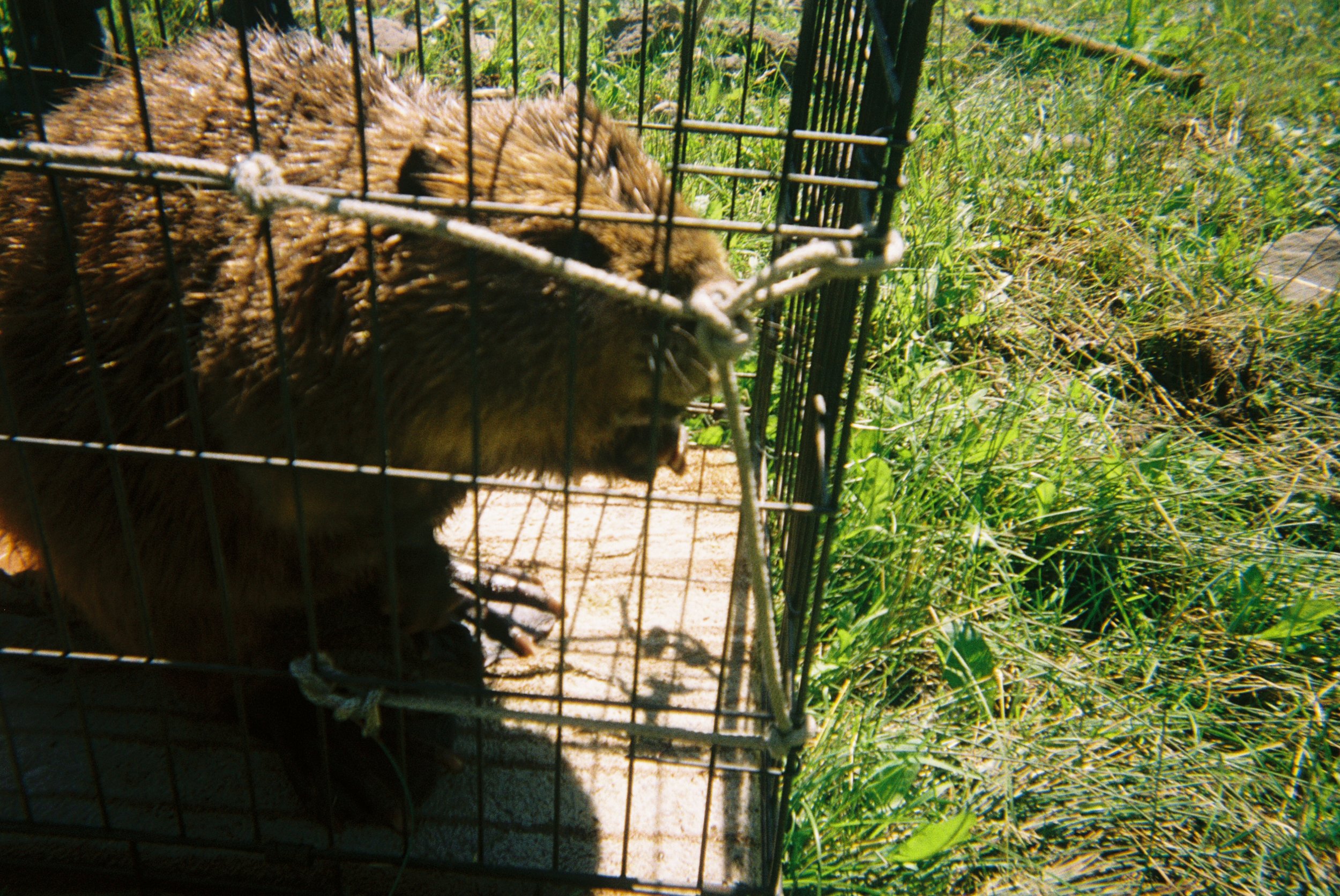
Towards the end of summer, I had the opportunity to help relocate a family of beavers, a dad and his four kits, from the Beaver Bunkhouse in Logan, Utah. We bottle fed them in the early morning before driving them to their new home, five beavers in the back of the truck. We released the beaver family near a stream, which without a doubt would change over time, as they re-engineered the stream’s morphology and ecology.
This work is made possible through the generous contributions of our volunteers and donors.
Will you make a gift today to sustain the future of wildlife and land conservation in the West?
How has your understanding of "riverscapes" changed since you started this internship?
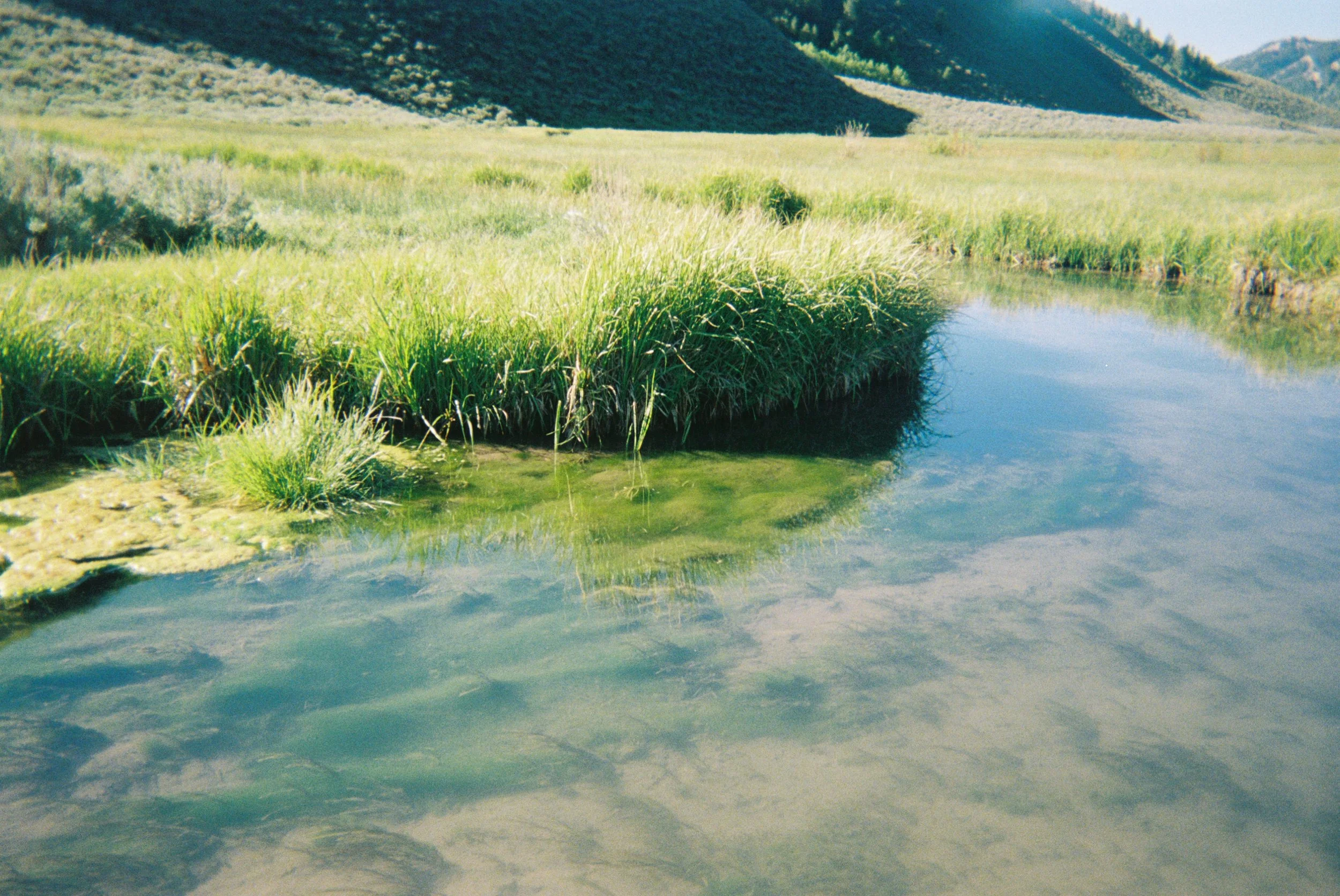
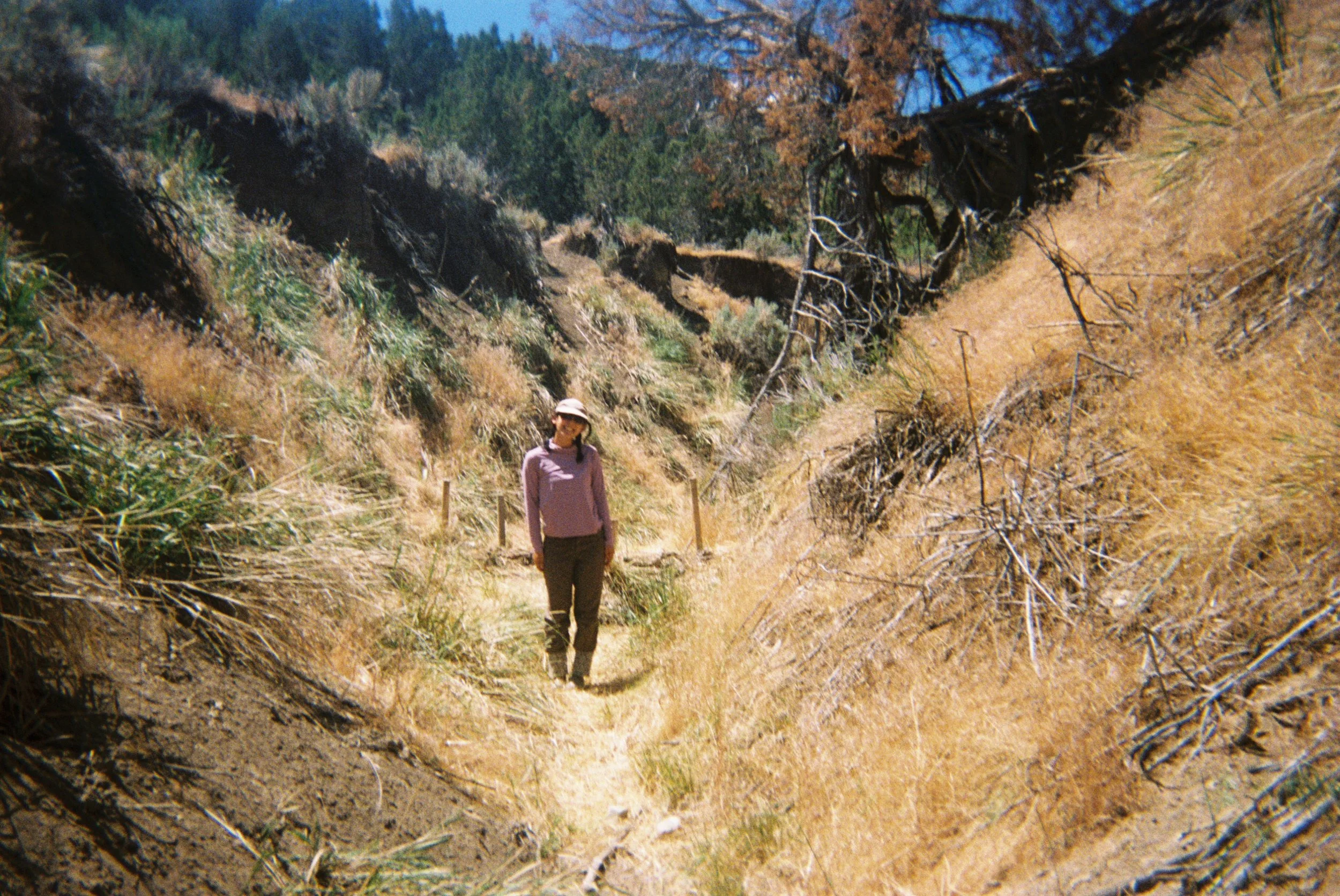
Working with low-tech process-based restoration has changed my perception of what a healthy and functioning riverscape should look like. Coming from a design background, my perception of a healthy river focused on form, minimal bends and clear, fast-moving water. Instead, the streams we surveyed that were full of large woody debris, overhanging vegetation, and rocks with macroinvertebrates were the healthiest. What we might view as a “messy” river increases habitat for fish and wildlife, holding water on the landscape for longer periods of time. Letting nature make decisions challenges decades of highly-engineered planning solutions that we have relied upon as surface level fixes. Process-based restoration has taught me to trust nature and in its ability to restore underlying ecological processes on its own timeline.
What's next for you? Next steps, big dreams?
I’m headed back to California to finish up my last year of my Master’s degree in Landscape Architecture and Environmental Planning at UC Berkeley. I will be working on my thesis this year, connecting themes across community-led design, environmental justice, nature-based solutions, and watershed scale planning. My time in every new place continues to teach me to think critically about how planning decisions impact relationships to nature. I am excited to integrate what I have learned from Sageland about community, planning, and restoration in my studies and post-grad.
Is there anything else you'd like to share?
I’m incredibly grateful to everyone at Sageland Collaborative and everyone I crossed paths with for creating a welcoming and lovely learning environment. The curiosity everyone holds for their interests and passions is a reminder of the joy within this work.
We are proud to foster the next generation of natural resources professionals - from the sciences to communications, it takes all of us to make an impact for the wildlife and lands we love.
Fill out the interest form on our Career Opportunities page to stay up-to-date on opportunities to join the Sageland Collaborative team.
Article by Sierra Hastings
Photos by Kort Maeda, Abigail Tello, and Elan Powless