Hope for Conservation
It's a disheartening progress and stubborn hope living side by side.
Many of us spend a significant amount of time on our phones, making it harder to escape bad news. Especially when there always seems to be more coverage of what's going wrong than what's going right. Environmental news is no exception. Between headlines about rollbacks, funding cuts, and ticking-clock deadlines, it's easy to fall into a kind of doomsday mentality about the future of conservation.
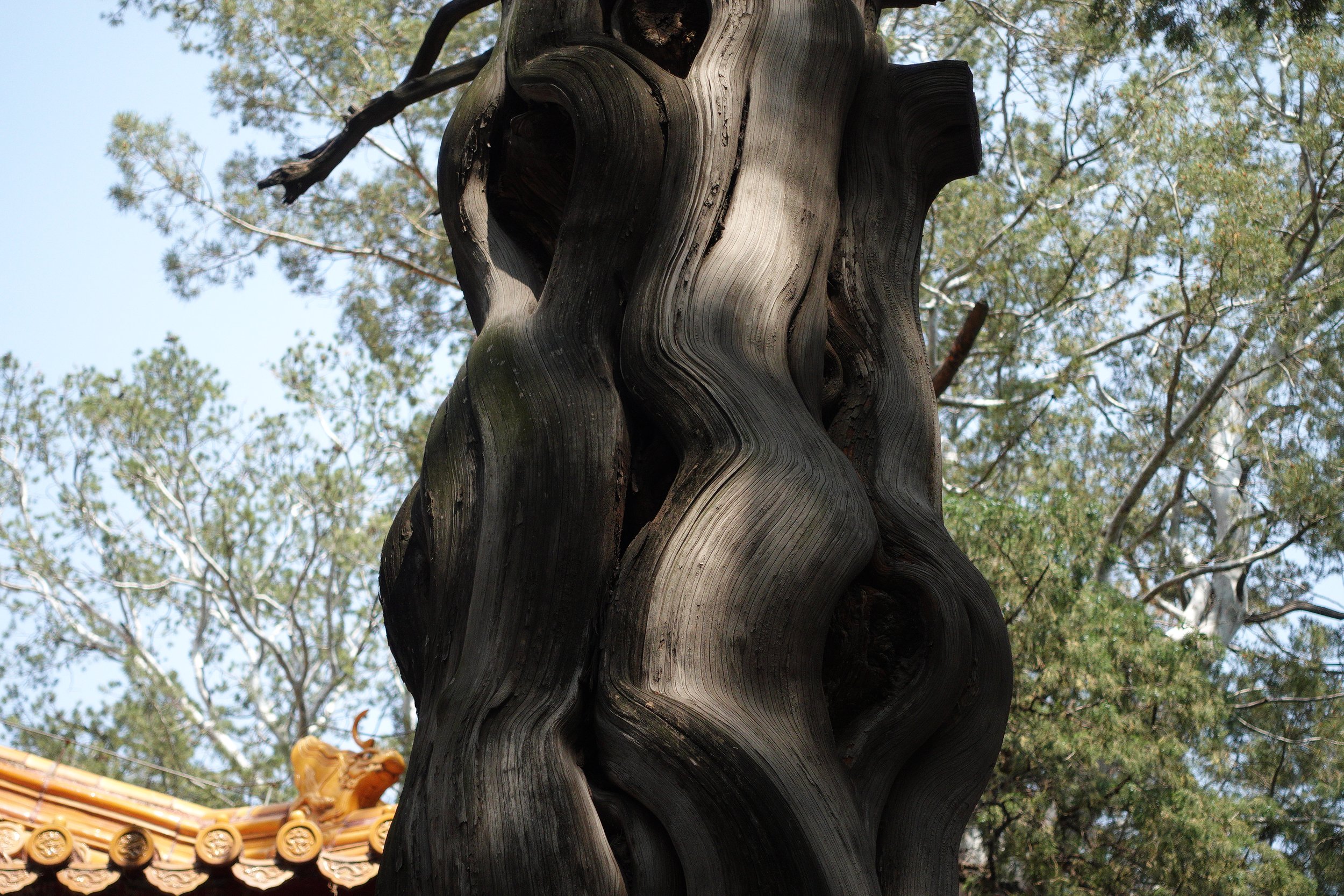
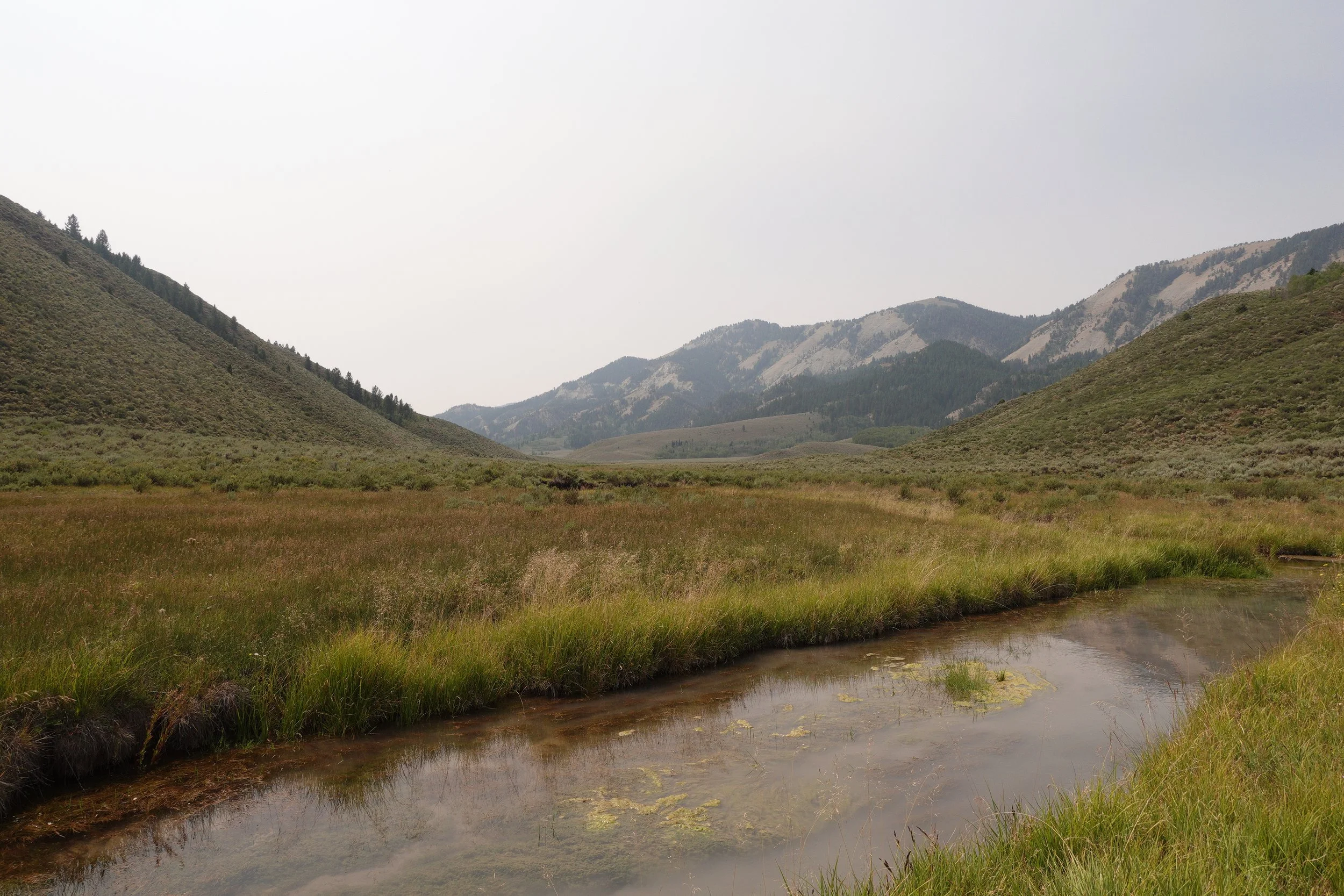
On my second day on the job at Sageland Collaborative, I had the chance to go on the field. I tagged along the Riverscape Restoration team to conduct the first Rapid Stream-Riparian Assessment of the season. I was amazed at how hands-on the work was so early into my time here, but I was also struck by how dry the stream looked. The first half of it barely had water moving through at all. It was hard not to wonder what that meant for everything downstream.
Since that day I have learned about the importance of doing work on dry streambeds. Shane Hill, Riverscape Restoration Project Manager, explained that although dry, stressed, or damaged landscapes often look beyond repair, when we are able to provide the right conditions, plants return, wildlife reappears, and the system shoes a resilience that reminds us our work truly matter. Restoring dry streambeds are essential, it prepares the system to function the instant water returns. It was will never be a wasted effort.
That tension between urgency and hope is where this piece lives. So I sat down with several people across Sageland Collaborative, people doing the on-the-ground restoration work, and people telling the story of that work, and asked them what conservation means to them, and what gives them hope.
Defining Conservation
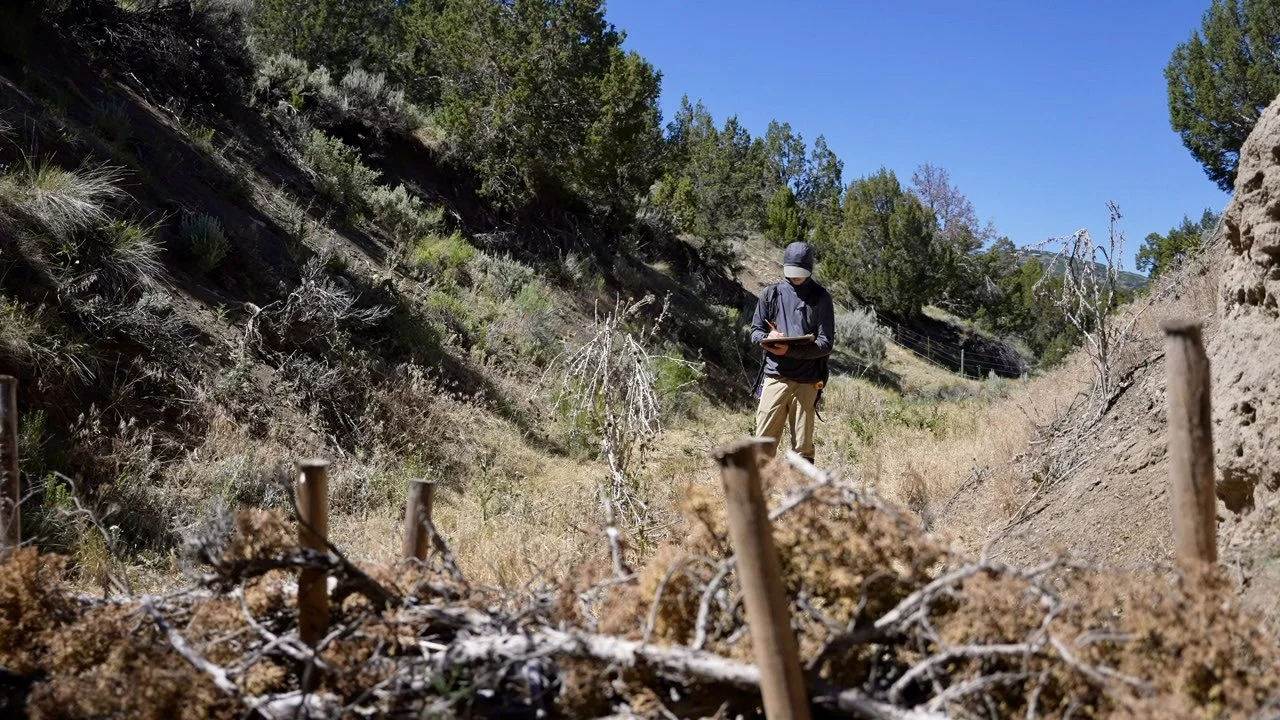
Elan Powless, Riverscape Restoration Technician, said conservation has historically emphasized protecting undeveloped land as-is, but so much of the land being set aside for conservation today is already degraded. It doesn't just need protecting, it needs restoring. Elan pointed to Sageland's low-tech, process-based restoration approach as an example of that shift: rather than relying only on legal protections, which can feel distant and slow, the Riverscape program tracks measurable changes from direct, hands-on restoration work. That data becomes its own argument, proof that a place is worth protecting because it's actively improving.
Kort Maeda, Riverscape Restoration Intern, took the definition even further. Kort said they'd describe themselves less as a "conservationist" and more as someone practicing land stewardship; a term rooted in the seven-generations principle, thinking generationally about our relationship to land rather than treating conservation as a purely Western scientific framework. For Kort, process-based restoration is about listening to the land and letting natural and wildlife processes make decisions, rather than forcing a river back into a shape it may never have actually had. Traditional ecological knowledge matters here too, since satellite and GIS data only go so far, the people who've lived on and with a landscape for generations remember things the data can't show.
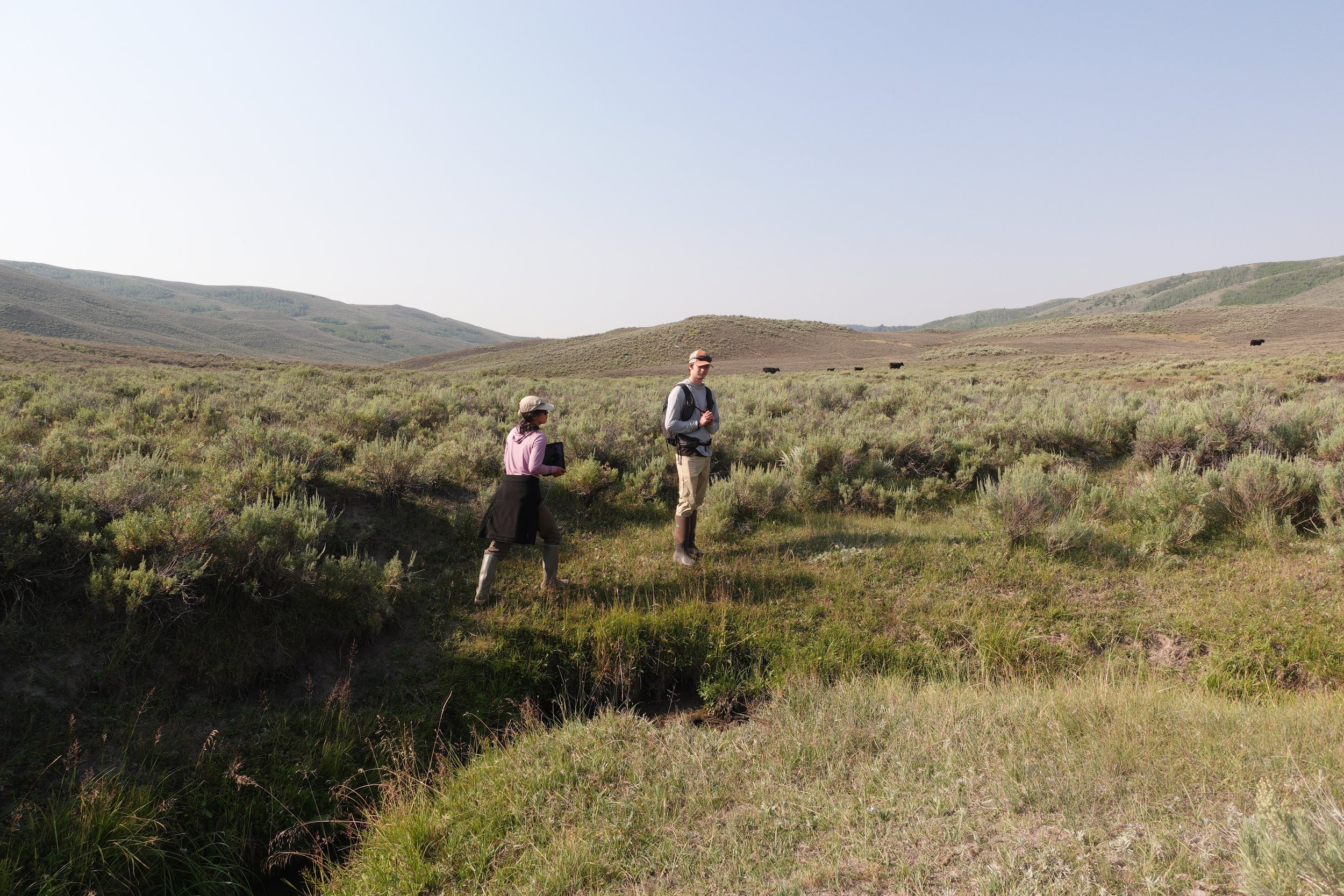
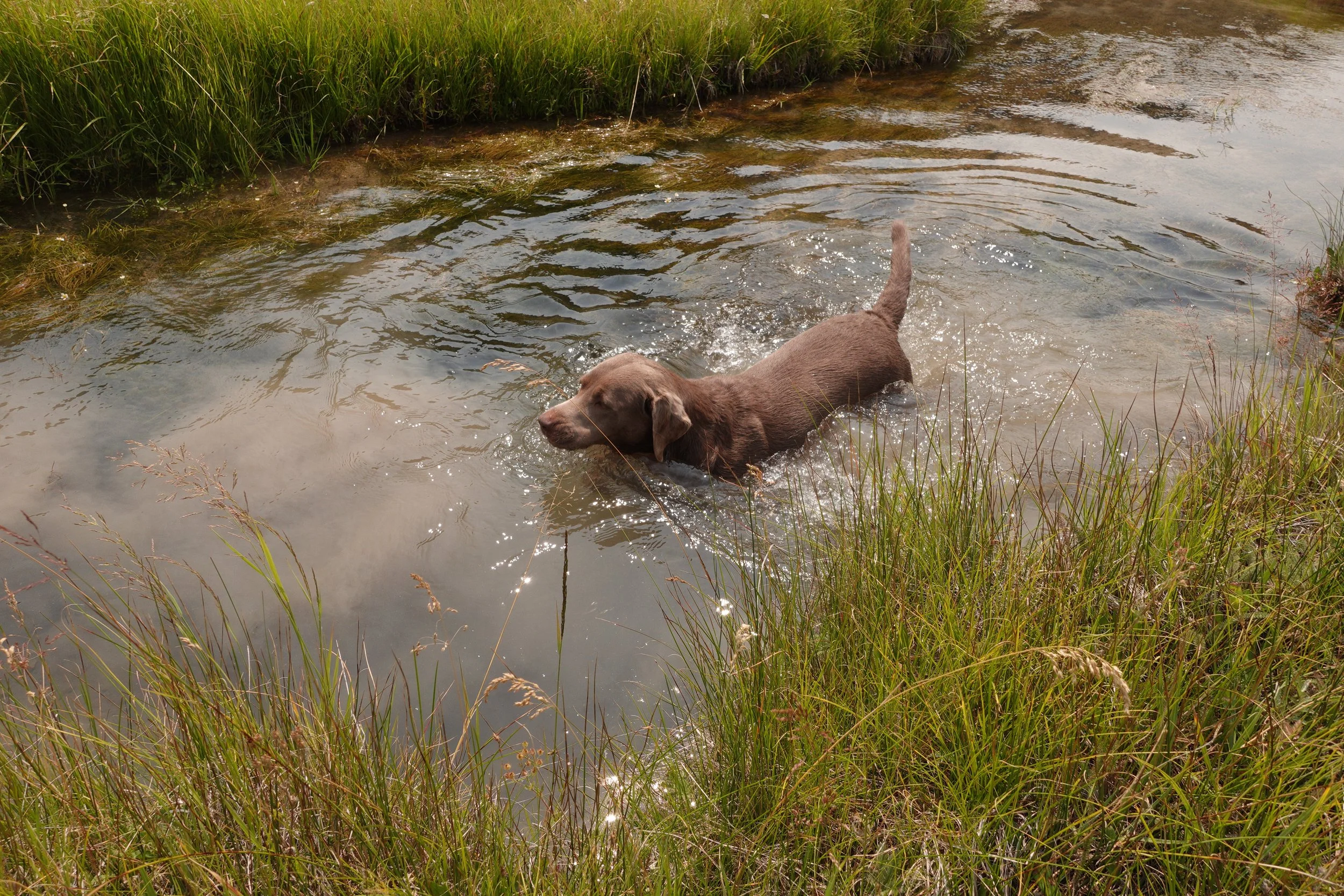
Kelsie LaSharr, Ecologist, emphasized the root motivation for conservation work is making outdoor spaces last so that other generations can “experience it and fall in love with it.” She says she doesn’t like to think about it with negative connotations. We, as a whole, want to improve places for future generations.
“The root motivation for conservation work is making outdoor spaces last for future generation to expeience it and fall in love with it.”
What Gives Us Hope
Sierra Hastings, Communications Director, and Frances were both candid that the current environmental and political climate can be discouraging. Watching environmental protections roll back at the federal level is disheartening. But Sierra finds hope in something smaller and closer to home: watching volunteers show up, again and again, simply because they believe in the work. Frances finds hope in watching different communities, including Indigenous nations long excluded from mainstream conservation science, bring their knowledge into the same room as Western researchers, working together rather than in separate silos.
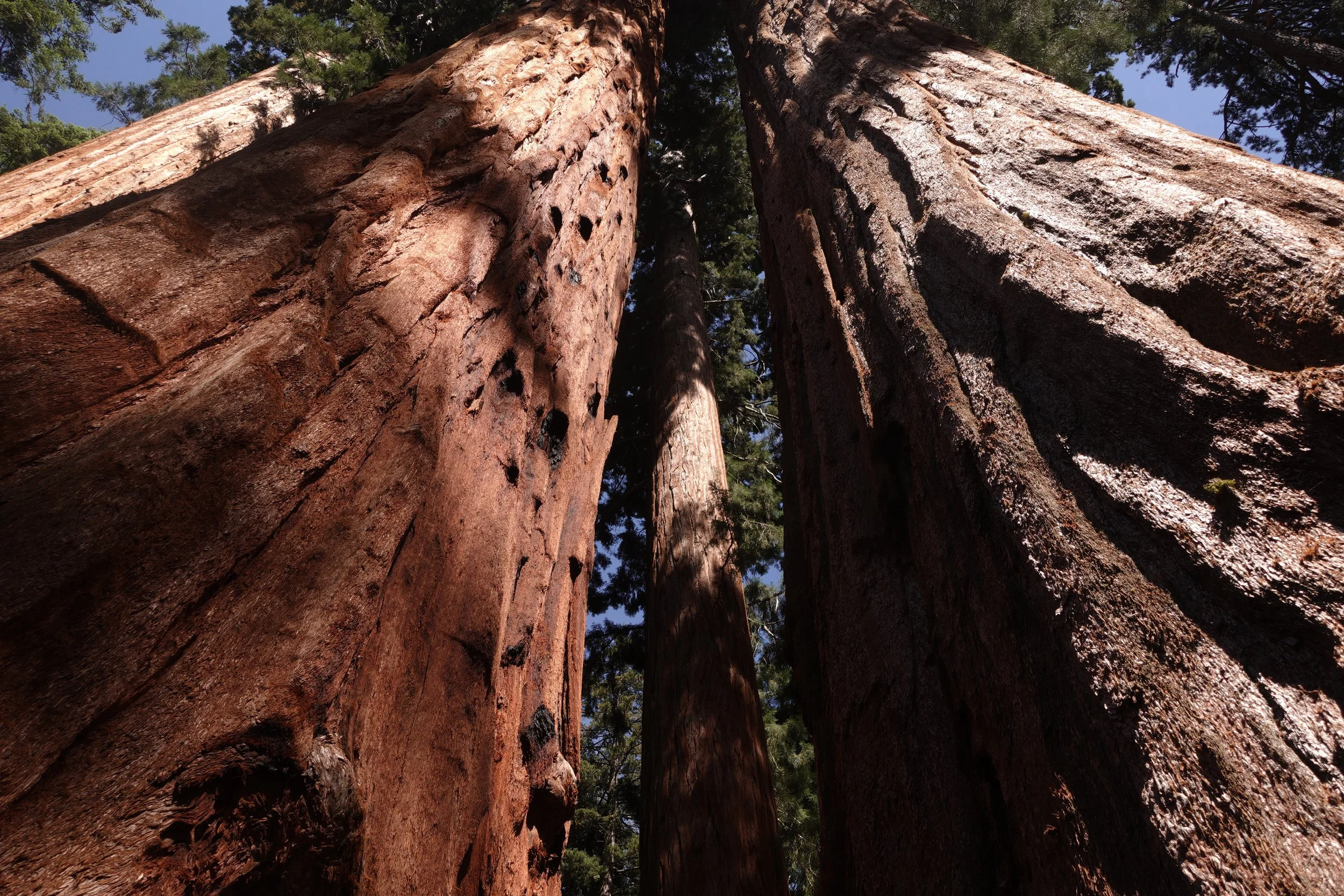
Elan's version of hope was more sobering, but no less real. As climate impacts become harder to ignore, more people, even those who never used to think about it, are starting to notice. That growing awareness, uncomfortable as its cause may be, is itself a kind of momentum.
Frances Ngo, Community Engagement Specialist, built on this by naming a real barrier worth sitting with: involvement in conservation work is often a privilege, requiring time and resources many people don't have. This is an idea that Kelsie also built on. Much of this work takes lots of time for education, volunteer involvement, and showing up to local meetings after a long day of work; while many have to juggle raising a family. Making conservation science more accessible, multilingual, culturally relevant, and shared directly with the communities most affected by environmental struggles is part of the work still ahead.
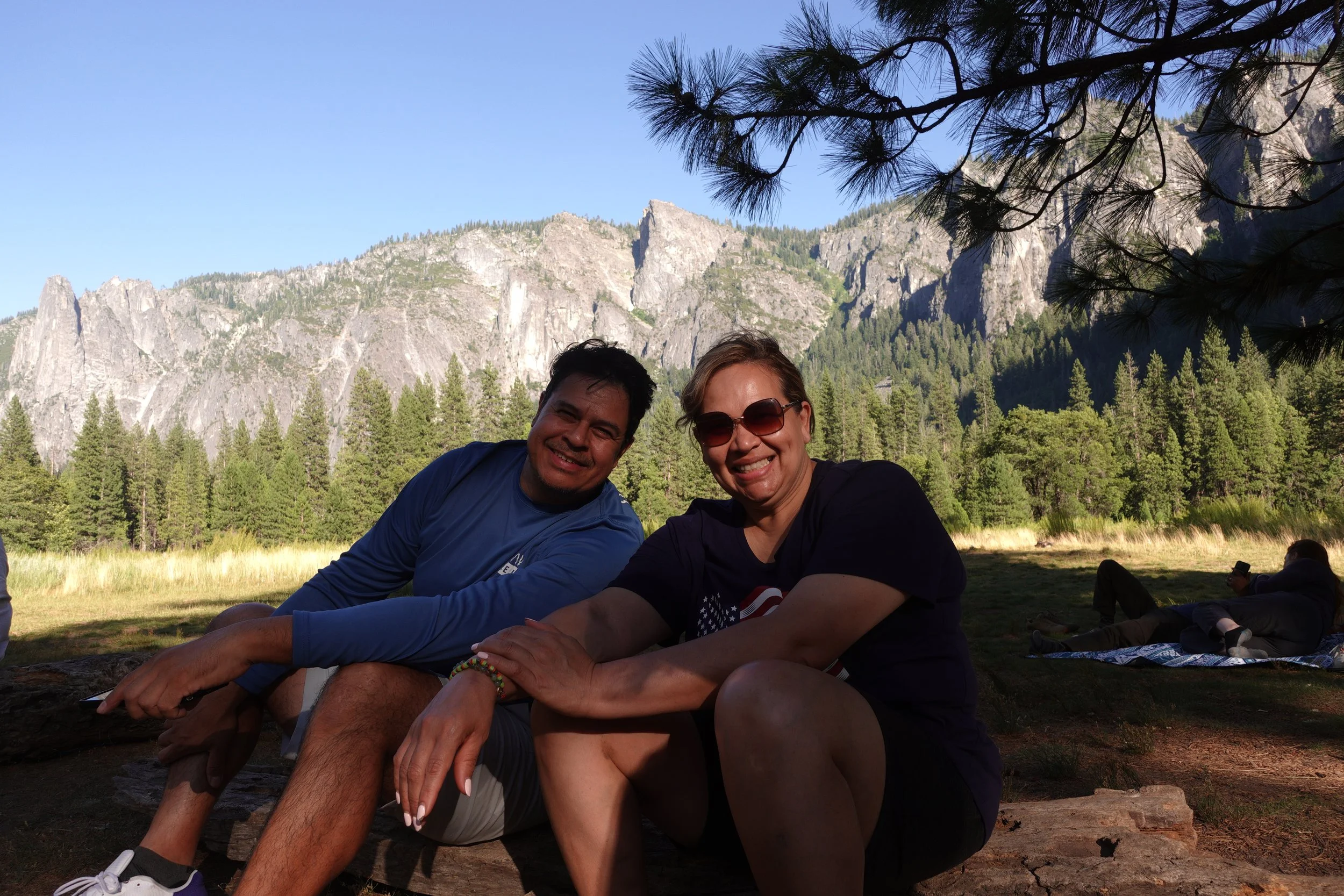
I recently went to Yosemite National Park with my family. It’s a gorgeous place, and it was endearing to see many families go together and experience the space as a whole. Kids are excited to swim, see bears, and happily tired from running around all day. Everyone smiles and laughs with the kids who are living the experience for the first time. So while in the back of my mind, I was thinking about how places like Yosemite and other protected areas are being challenged by the landscape changes due to human development; I couldn’t help but constantly be grounded by all the other families just wanting to feel the same connection. It’s human nature to want to feel small in the outdoors together, and that craving will never go away.
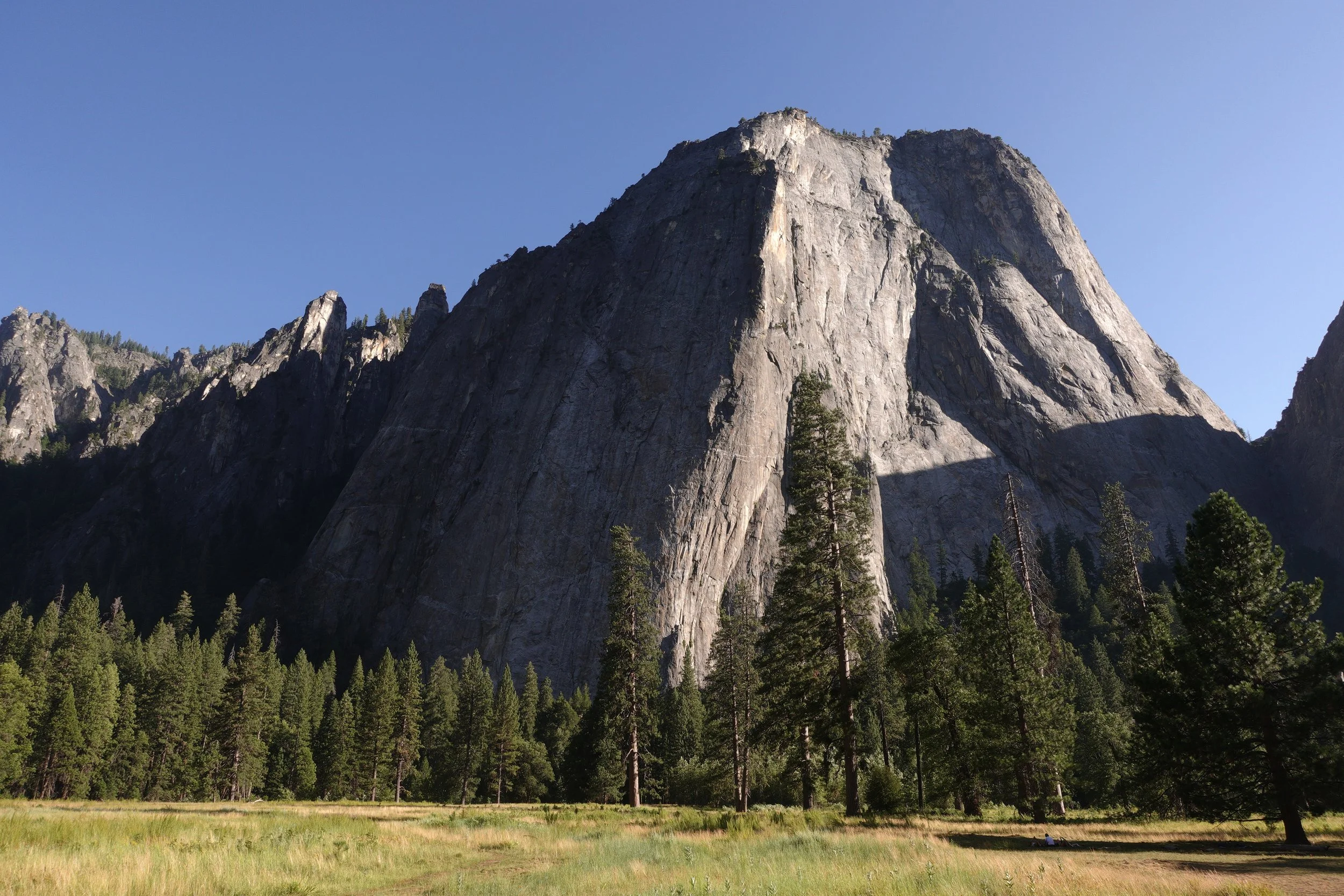
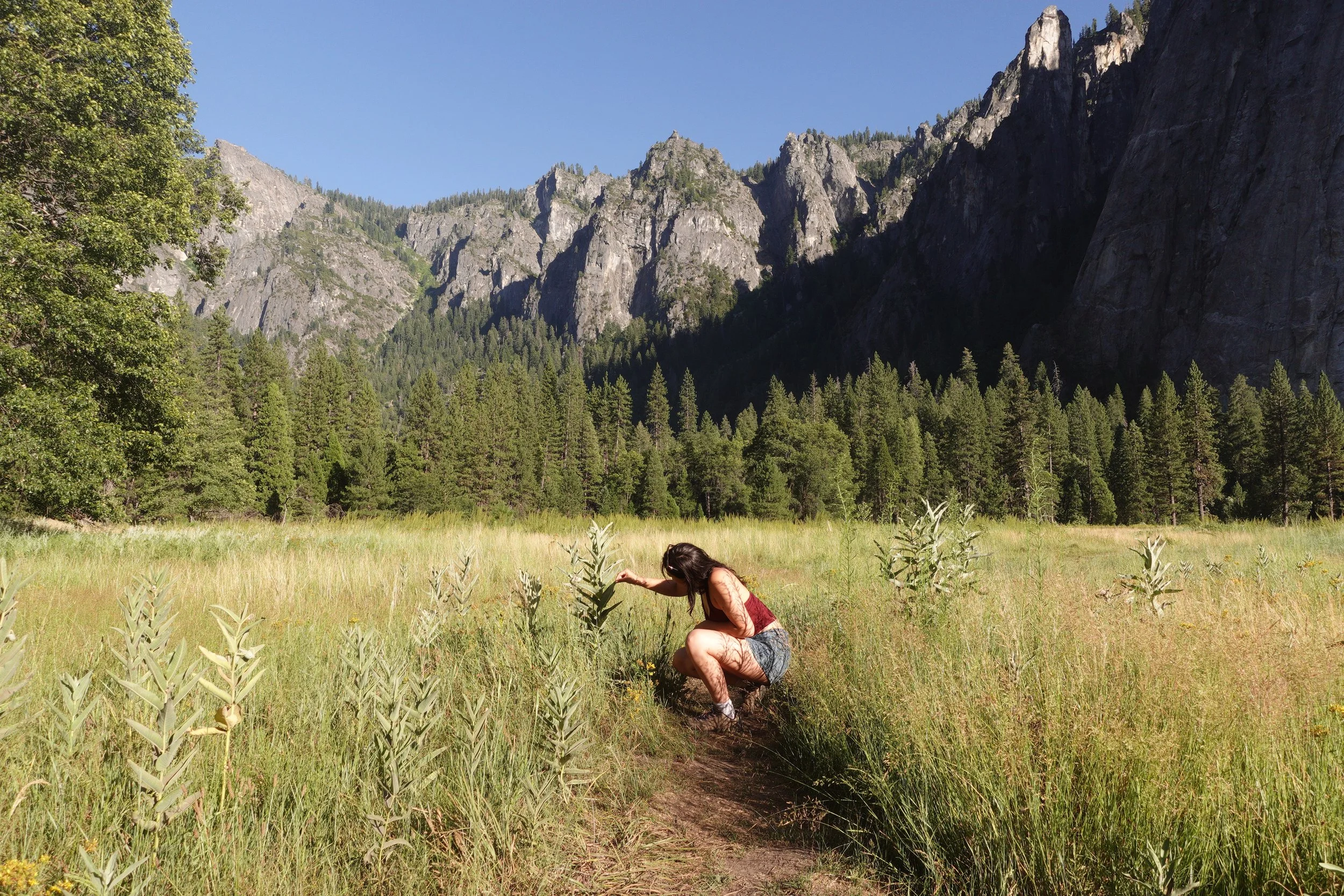
More on the ecological side, Shane mentioned that seeing how quickly ecosystems respond when given even a small chance to recover is encouraging. The land itself wants to heal, and so do we. The deeper I get into this environmental field, I am seeing more and more be done. People have genuine care that they are trying to reflect in their own work. Even sparking conversations about conservation began to give me hope myself. Knowing that it’s a topic and issue many are also thinking about is empowering for the community.
Not Forgetting the Wins
There is so much good work happening at all times. Especially at Sageland Collaborative, where many of the staff members have seen the evolution of the organization. Janice Gardner, Executive Director, talked me through the massive growth the Riverscape Restoration program has undergone. She highlighted how attitudes toward healthy watersheds have changed with beavers, long considered a nuisance, now considered a valued restoration tool. This flip in perception is rare and hard-won.
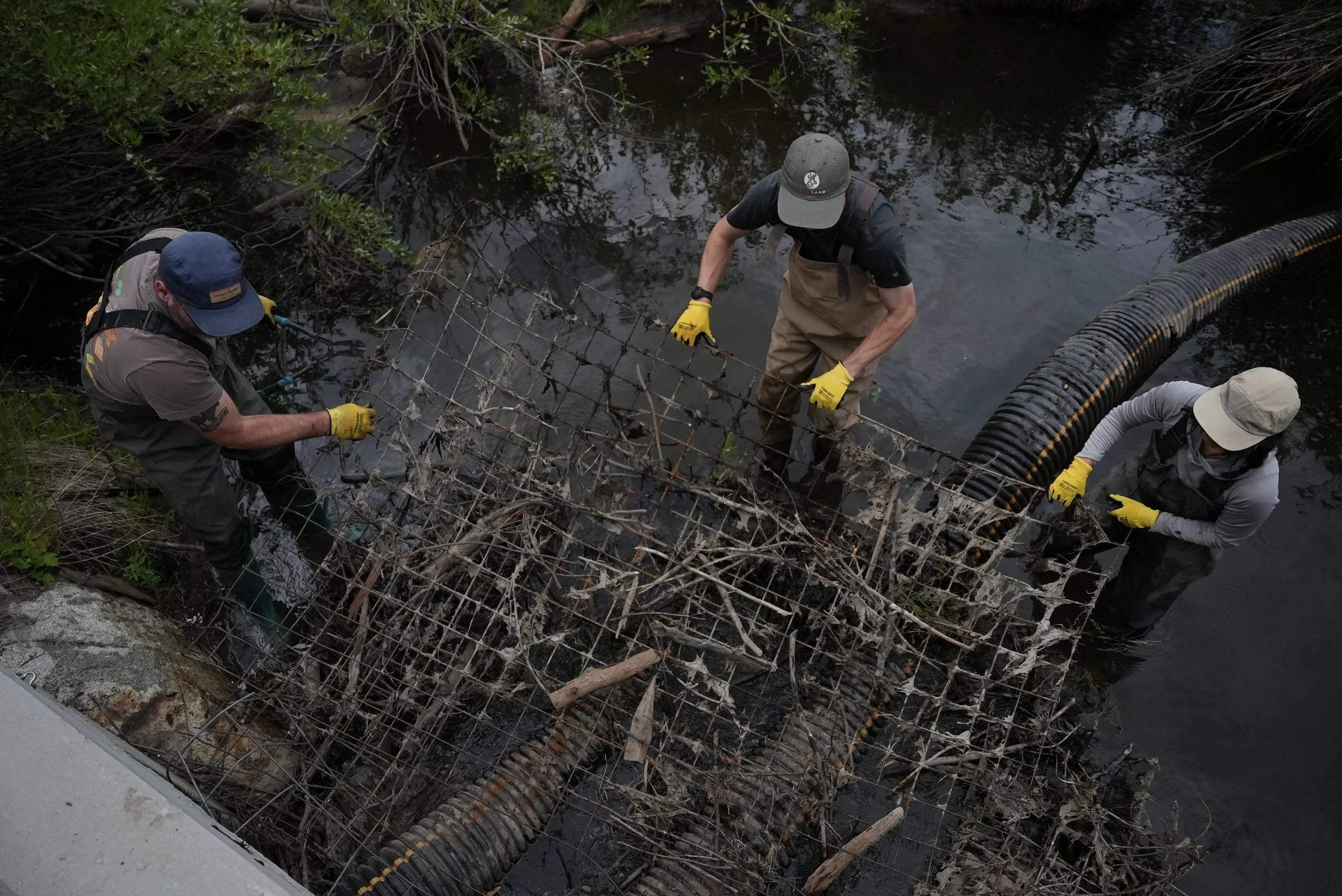
In the early stages, the approach was limited to surveying and reporting problems to agencies like the Bureau Land Management (BLM) without being able to act on them. Now the program is able to move forward with volunteers using low-tech, process-based methods to actively participate in improving streams rather than just flagging issues.
It's worth remembering that good work is happening, regardless of the “ticking clock” political climate. Sageland's programs continue to track real, measurable restoration wins on the ground. Volunteer turnout remains strong. Regardless of the administration, collaborations continue to take place. The focus is on shared values, love of land and wildlife, and building trust by consistently following through on restoration commitments.
As Frances pointed out, conservation is happening in more places than we usually give it credit for: water usage, grass-roots learning, and small everyday actions that don't always get labeled "conservation" but function as exactly that.
Closing Thought
My second day on the job left me more curious, the more I have been able to learn about the processes of conservation, I feel confident that all the effort is for a reason that just takes time. Nothing will give full closure other than science and education. The stream might’ve been dry, but when water returns, it will be able to support the ecosystem better than before the restoration work our team did.
There seemed to be a collective idea that conservation is also the beautiful and careful process of holding on to something for future generations. It’s showing care to places that we love and need to survive. As humans, we want our kids and grandchildren to be able to witness wilderness with their own eyes. To see a moose on a hike, or to see the monarch butterflies during migration, these are special moments that are slowly being lost.
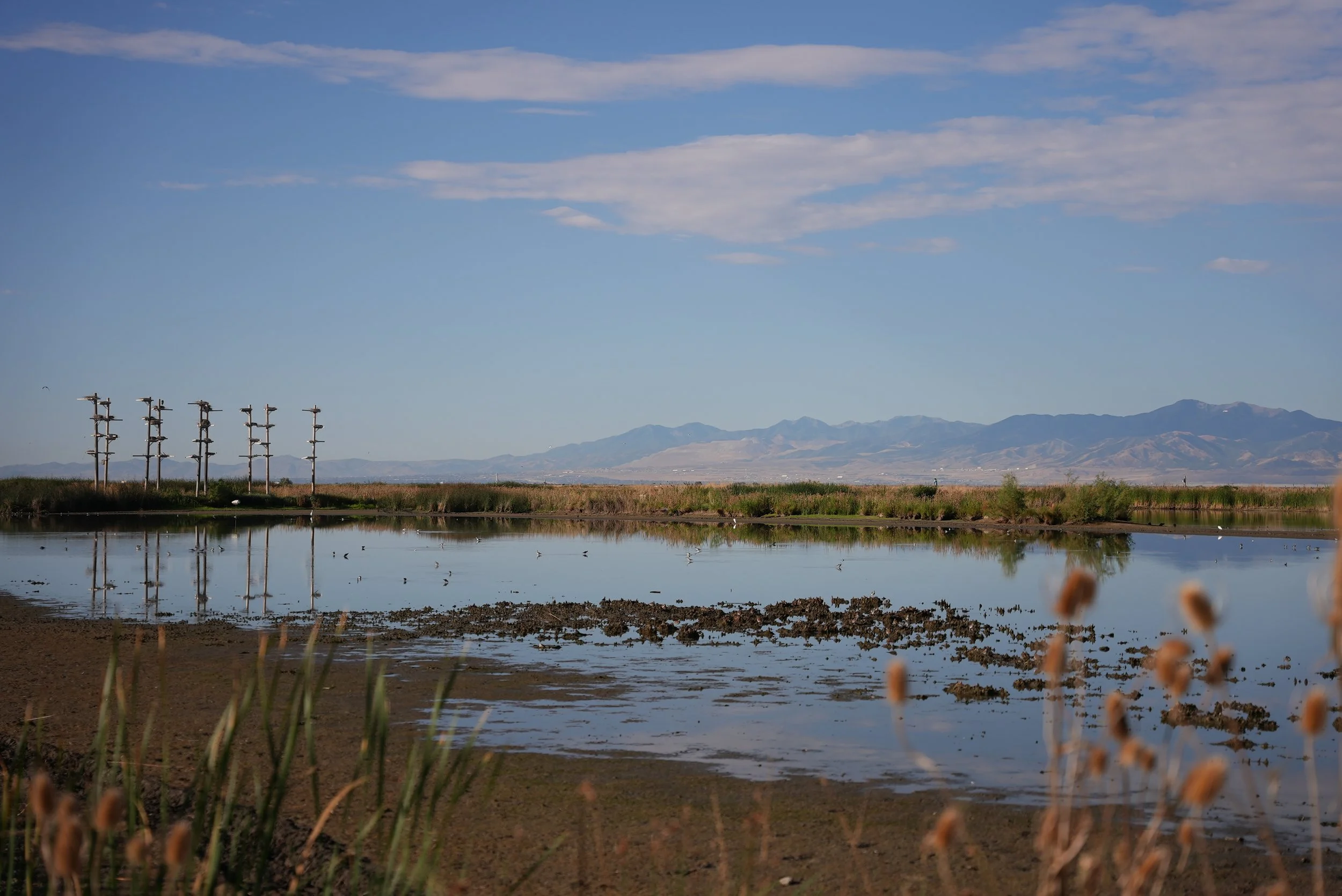
Conservation isn't just one thing; it's habitat restoration, working with special-status species, wildlife pathways, policy and volunteers, and generational knowledge. It’s the beautiful and careful process of hanging on to something for generations. It's a disheartening progress and stubborn hope living side by side. If there's a throughline across every conversation I had, it's that hope doesn't come from ignoring the hard parts. It comes from people who keep showing up to the stream on the field day regardless of what the headlines say. Conservation is not something restricted to experts or governmental powers. Everyone has the opportunity to make a difference.
Article and Photos by Abigail Tello