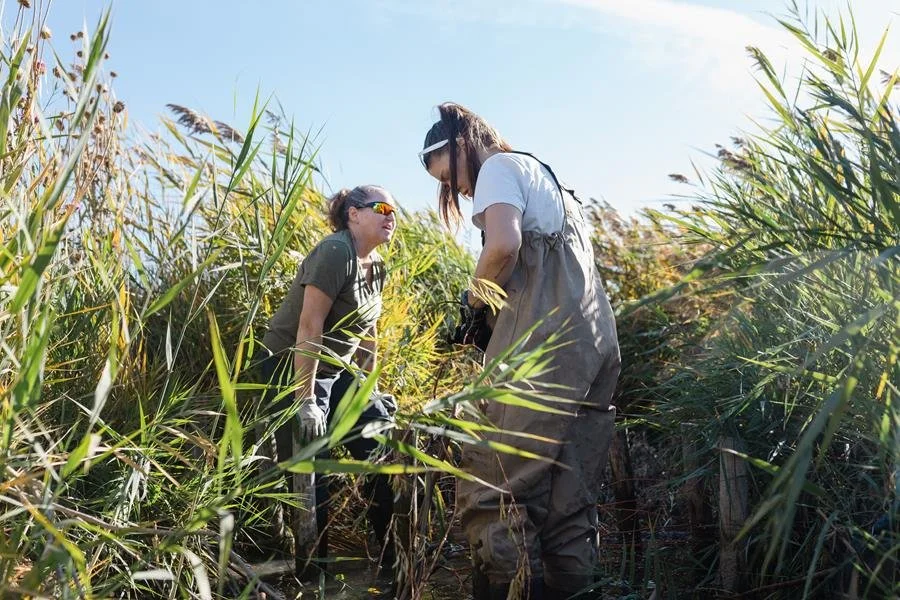
It's nearly time for our community science project trainings! This year, we're excited to announce that they will be held in person at the Natural History Museum of Utah. Register here to join us!
Read More
It's nearly time for our community science project trainings! This year, we're excited to announce that they will be held in person at the Natural History Museum of Utah. Register here to join us!
Read MoreAsk any conservationist, and they’ll agree on at least one thing: in nature, everything is connected. Whether focusing on fire management, bear population monitoring, human recreation, or the tiniest microbialites in Great Salt Lake, they know that pulling on one thread in the landscape brings all kinds of connected species, processes, and habitats with it.
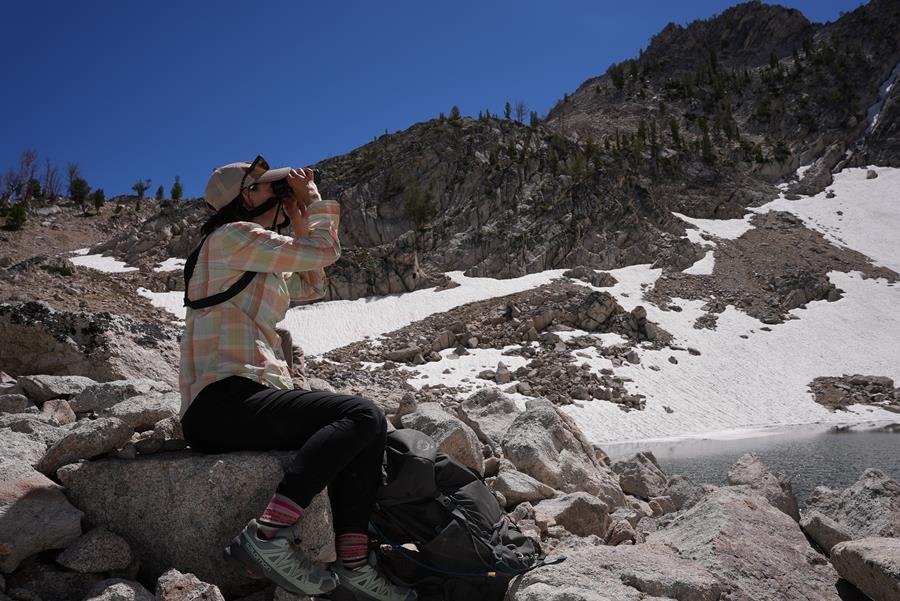
Read MoreOver the summer, scientist Janice Gardner shadowed Tempe Regan into Idaho's alpine to look for mysterious birds in their rugged alpine habitat. Take a look at our recent video with Tracy Aviary to learn more about their mountain conservation work.
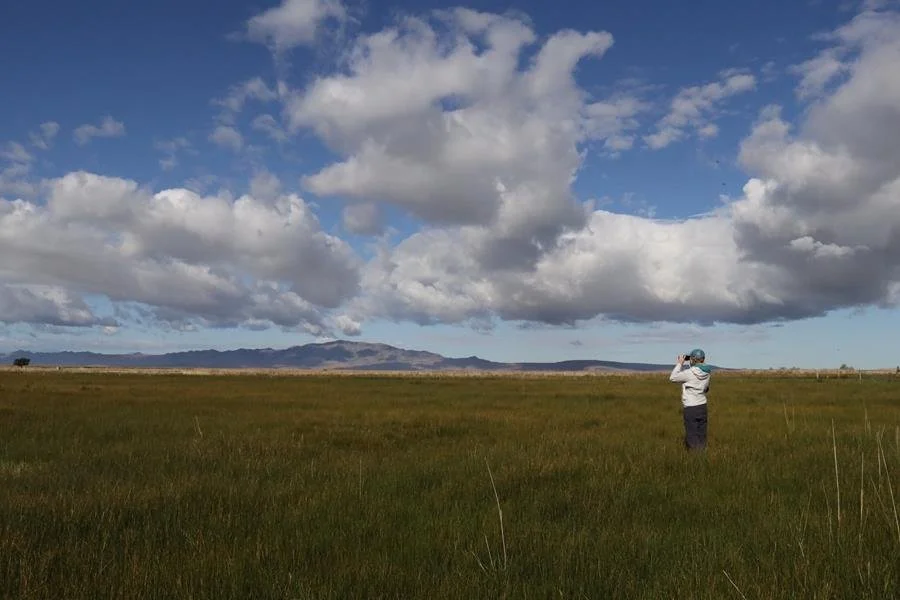
Read MoreIt’s no secret that the Great Salt Lake is vitally important for shorebirds like phalaropes, avocets, stilts, and sandpipers.
From 1989 to 1995, in a large collaborative survey across the Intermountain West, scientists and state agencies counted shorebird populations in an effort to understand their abundance and migration. The data collected verified what observers knew: Great Salt Lake is essential for these species.
Read MoreIn early 2020, volunteer Sierra Hastings found her life mixed up, as many of us did. In an effort to grow closer to nature, she decided to volunteer with conservation organizations, plunging into stream restoration at a volunteer day in Park City. She was hooked.
Read MoreIf you've spent time near Utah's streams, you may have noticed something: many of them are straight, cut into the ground, or don't have much diversity of life gleaming in and around them. These things usually mean an unhealthy stream, and they are caused by things from beaver removal to development.
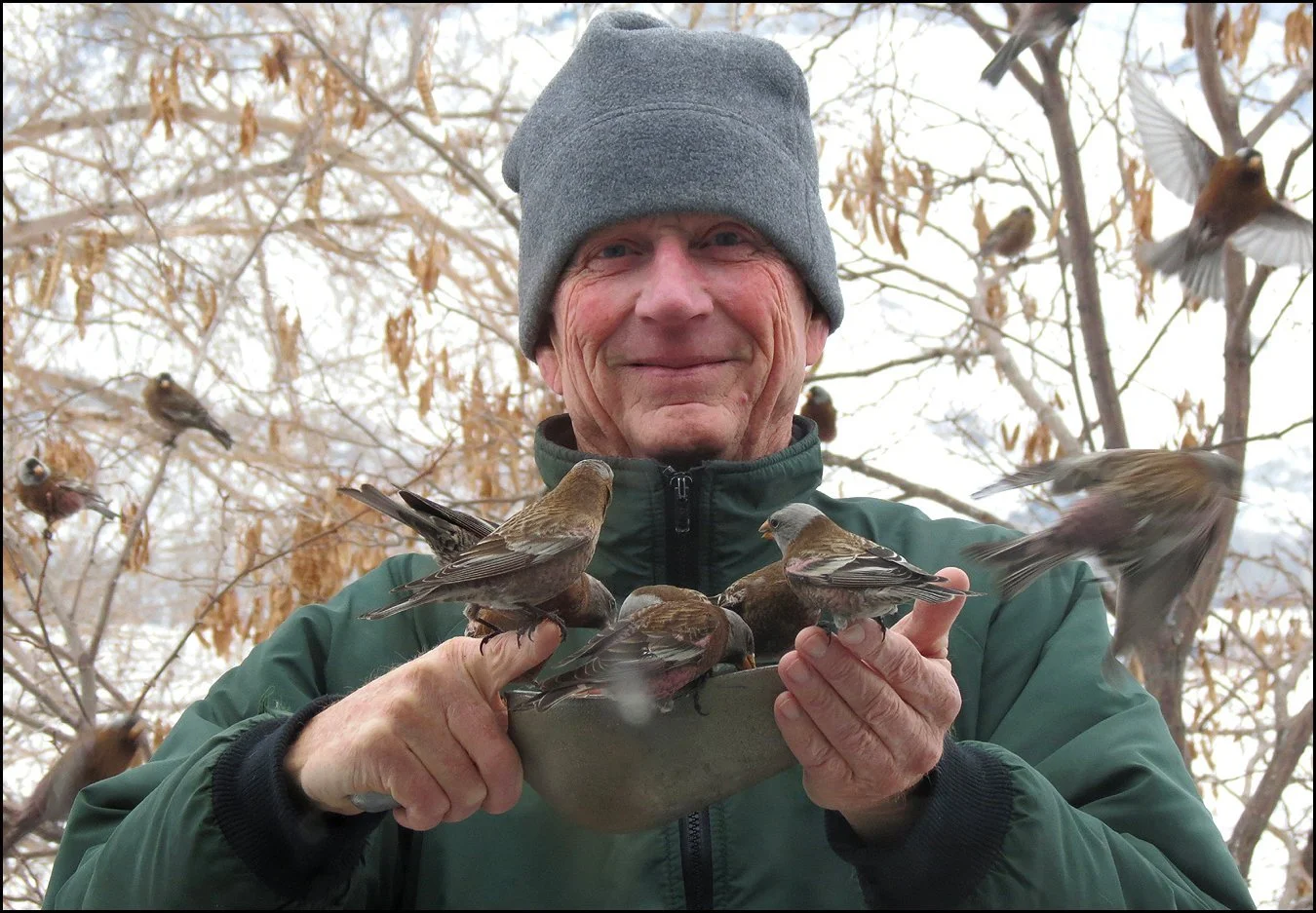
Read MoreIf you’ve ever seen a pink-splashed bird in high mountain habitat, count yourself lucky! You may have seen one of three species of rosy-finch.
“They’re incredible,” says Conservation Ecologist Janice Gardner. “Some of the most extreme slopes in the western United States serve as their summer habitats."
Read MoreThe sun is shining longer each day, and our warm-weather projects are off to a great start! A huge thank you to all who joined our spring volunteer trainings and have hit the ground running. Thank you!
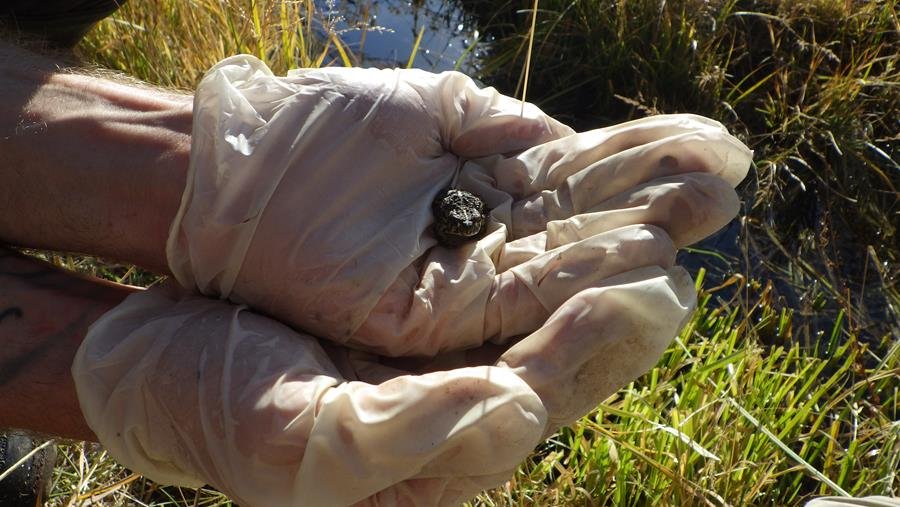
Read MoreAs the weather starts to warm, we anxiously await the "thawing" of our warty neighbors. Soon, our fellow toad-loving volunteers will scour mountains and sagelands for the elusive boreal toad.
Read More